Quick Summary: If you’re asking for the best time to visit Hurghada, you’re really choosing between mild winter days (but cooler water + windchill), shoulder-season comfort (spring/autumn), or full summer heat with the warmest sea. This guide breaks down Red Sea weather by month (air, sea, wind), explains how that changes beach and diving comfort, and shows where early-bird booking actually saves money and stress—especially for October–November, April, and holiday weeks.
| Season | Crowd level | Vibe | Typical value (hotels + tours) | Who it’s best for |
|---|---|---|---|---|
| Dec–Feb | Medium (High during holidays) | Crisp sun, breezy beach, cozy evenings | Often better deals outside Xmas/NY | Budget travelers, active days, desert tours |
| Mar–May | Medium | “Perfect weather” energy, lively excursions | Strong shoulder-season value | First-timers, families, divers who hate overheating |
| Jun–Sep | Medium (varies by school holidays) | Heat-driven: early mornings, long swims | Deals can be excellent if you can take heat | Heat-tolerant travelers, watersports, long water time |
| Oct–Nov | High | Polished peak-season feel, warm sea + pleasant nights | Prices rise; early-bird bookings pay off | Divers, couples, “ideal weather” seekers |
Hurghada rewards travelers who time it right. If you’re trying to figure out the best time to visit Hurghada, you’re really choosing between three different trips: a mild-winter beach escape, a spring/autumn sweet-spot holiday with glassy water and comfortable air, or a full-throttle summer “heat + endless sea time” break. This guide breaks down Red Sea weather by month, how it changes the vibe on the sand and underwater, and what that means for your wallet—especially if you want to lock in early-bird deals for peak and shoulder dates. If your goal is diving, we’ll also map the true Egypt diving season logic: water temperature, wind, visibility, and what operators actually cancel for.
Why This Guide Exists
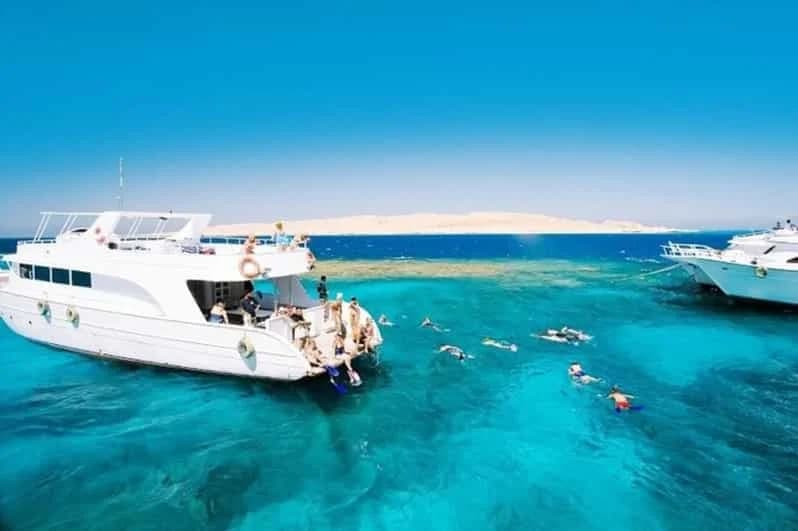
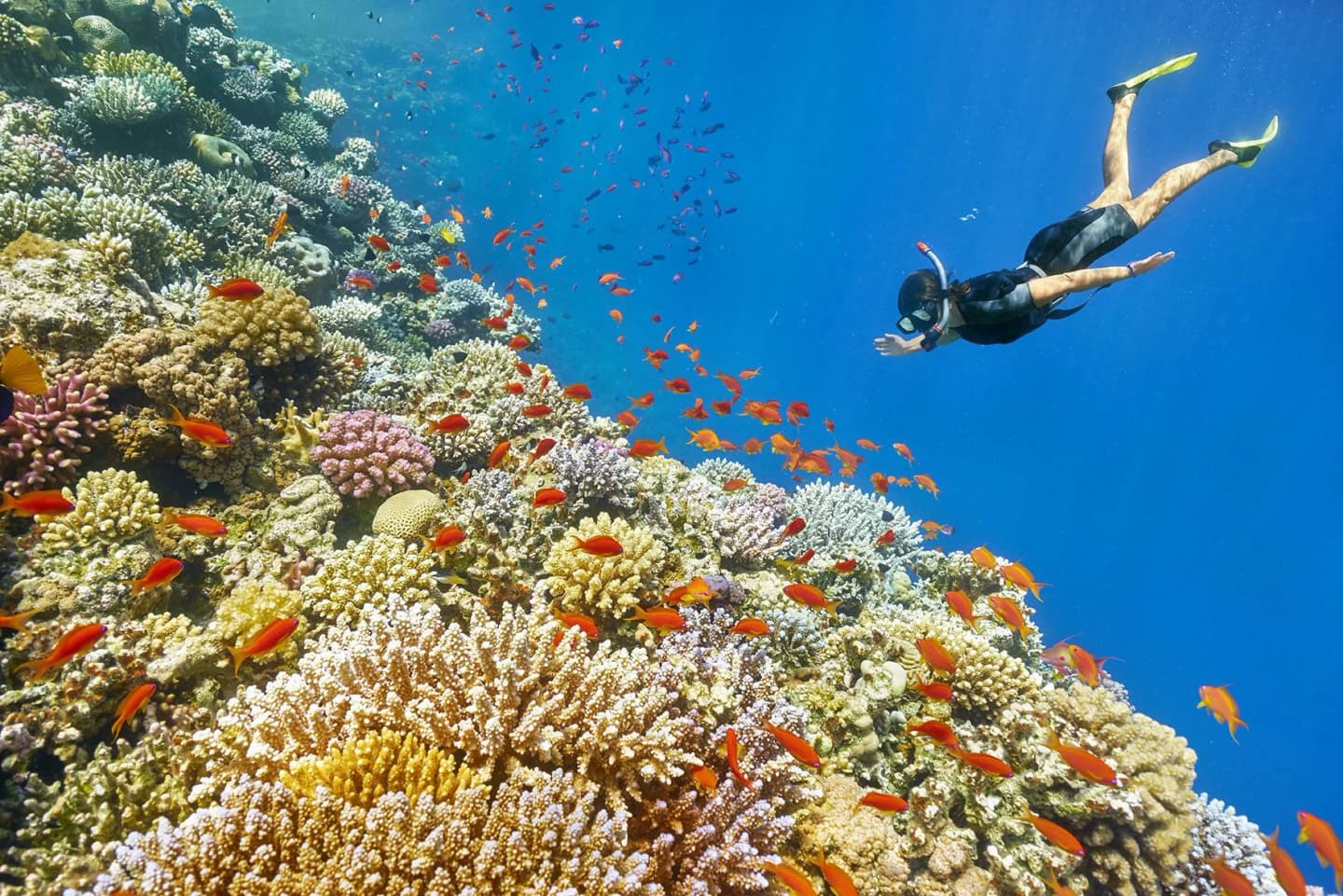
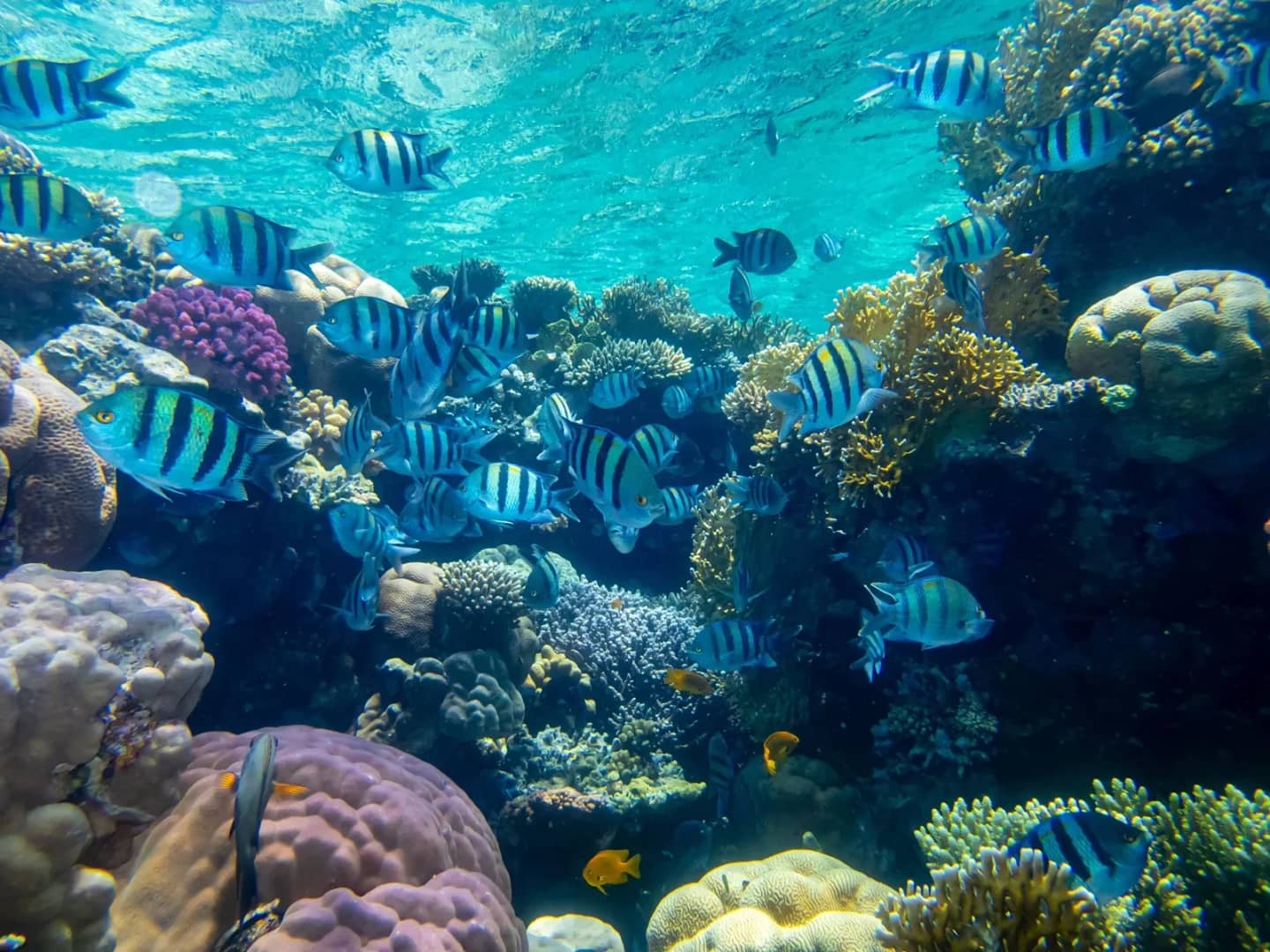
Hurghada is built around sun, boats, and reefs. Seasonality isn’t theory here—wind changes whether your boat ride is smooth or annoying, and water temperature changes whether you stay in for 10 minutes or 2 hours. If you’re already comparing day options like Hurghada Red Sea snorkeling day trips by boat or planning a reef-heavy schedule, this is the piece that stops you from booking the “right hotel” in the wrong month. For diving-specific timing beyond Hurghada, Routri’s broader planner is also useful: Red Sea snorkeling & diving season guide.
The Landscape & Context
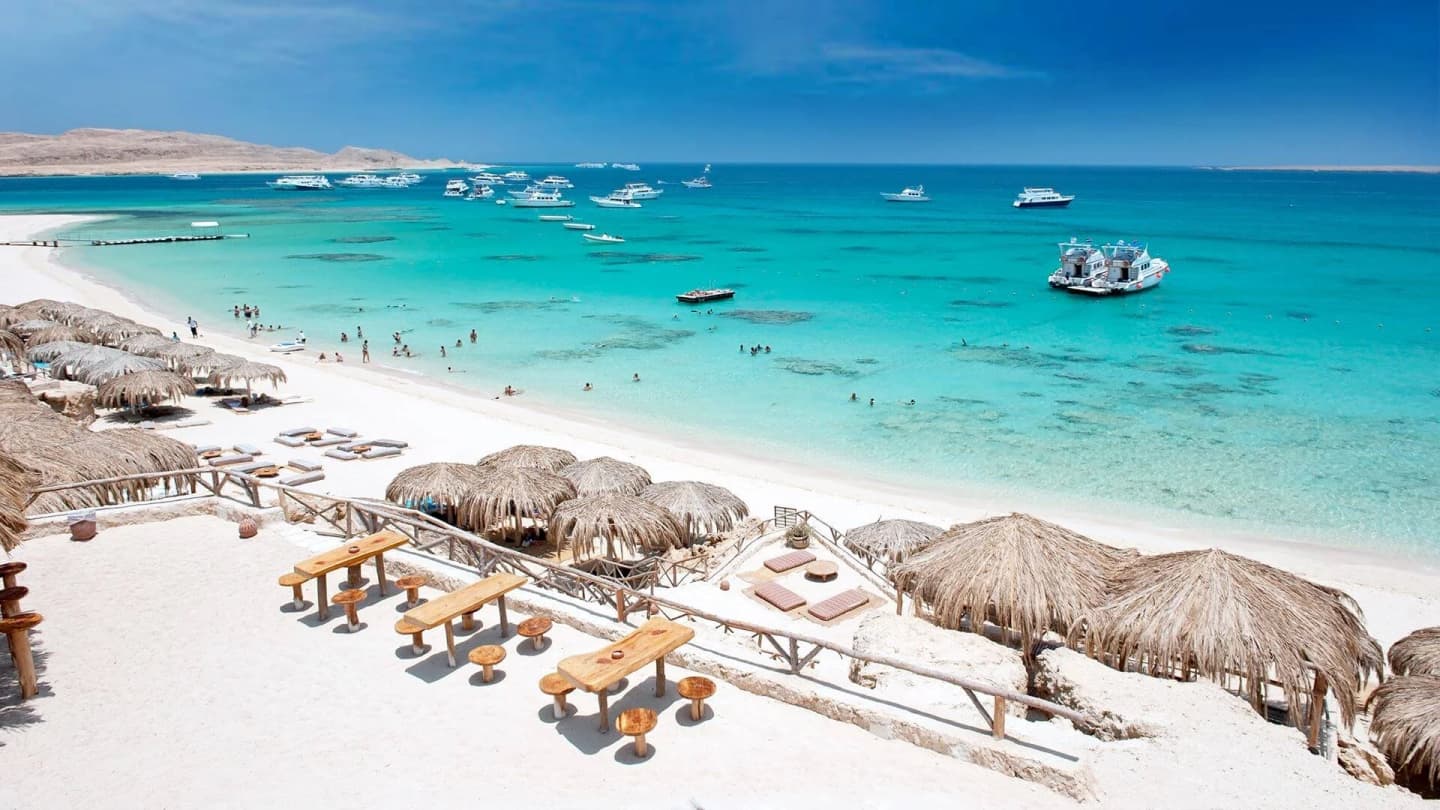
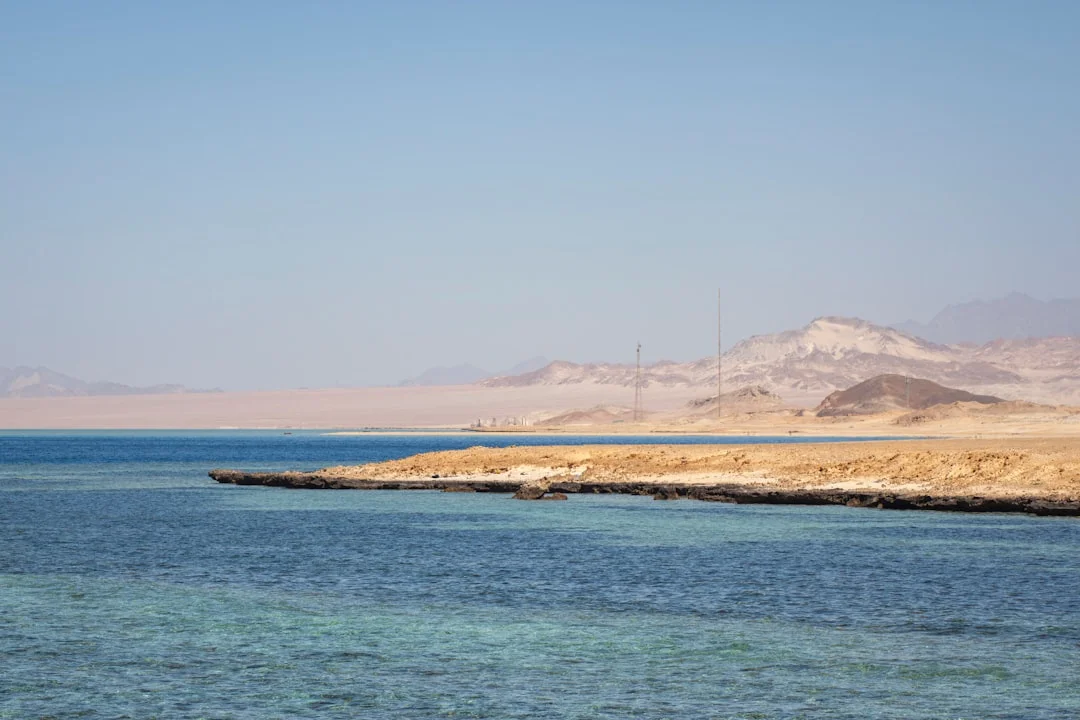
Hurghada is a desert city on the Red Sea. Translation: almost no rain, lots of sunshine, and wind that can be a blessing (cooling you down) or a curse (surface chop, kite-surf crowds, and occasionally bumpy boat rides). The sea stays swimmable year-round, but “swimmable” depends on your tolerance for cool water and post-swim windchill. If you’re building your itinerary around islands and sandbars, read this first: Giftun reefs and Orange Bay guide. If you want a quick reality check on the main beach stop, start here: Orange Bay attraction guide.
Part 2: The Options (Comparison)
Here’s the blunt breakdown: winter is mild but breezy, spring and autumn are the comfort peaks, and summer is a heat test with the warmest water. Climate normals put sea temperature roughly from ~21°C in Feb–Mar up to 28°C in August. Average wind by month sits around ~19–25 kph (about 10–14 knots). If you’re planning boat days that include reefs + a beach club stop, compare formats like Dolphin House snorkeling tours versus a more structured mixed day such as Orange Bay cruise with parasailing. If you want to combine intro diving and snorkeling in one day (common for mixed groups), this is the clean option: scuba diving or snorkeling with lunch.
Winter (Dec–Feb): “Sunny but breezy” + cooler water
Pros: best for walking, desert safaris, city exploring, and people who overheat easily. Daytime can feel pleasantly warm; evenings can be genuinely cool. Budget value can be stronger because many Europeans prefer warmer sea temps (except holiday weeks).
Cons: sea runs cooler at ~21–23°C (many divers want a thicker suit; many swimmers last 10 minutes, not 2 hours). Breeze makes it feel colder after a swim (windchill hits when you step out wet). Christmas/New Year congestion can spike prices.
Typical wind: averages hover around ~19–20 kph (10–11 knots) in Dec–Feb.
Spring (Mar–May): The shoulder-season “sweet spot” (with occasional dust wind)
Pros: one of the strongest answers to “best time to visit Hurghada” if you want comfort + sea time. Air warms fast; sea warms from ~21°C (Mar) to ~24°C (May). Great balance for snorkeling/diving: you’re not cooking on the boat deck.
Cons: March–May can bring hot, dry, dusty wind events (often referred to as khamsin conditions). When it hits, visibility on land can go hazy and some people feel it in throat/eyes. Late spring (May) can jump into “surprisingly hot” quickly.
Typical wind: March–May averages around ~21–22 kph (11–12 knots).
Summer (Jun–Sep): Sauna-hot air, perfect bathwater sea, windy afternoons
Pros: sea is warmest and most inviting: ~26°C (Jun), 27°C (Jul/Sep), 28°C (Aug). Excellent for long dive days if you can handle heat (plan dawn dives + midday shade). Wind can help for kiteboarding/windsports and can keep humidity tolerable.
Cons: air temps are very hot (July–August are peak furnace months). Midday sun is aggressive; dehydration sneaks up fast. Some travelers find boat trips tiring when you’re baking on deck between dives.
Typical wind: June ~25.4 kph (13.7 knots), July ~23.1 kph (12.5 knots), Aug ~24.4 kph (13.2 knots), Sep ~24.6 kph (13.3 knots).
Autumn (Oct–Nov): The other “sweet spot,” calmer feel, warm sea
Pros: for many travelers this is the single best answer to “best time to visit Hurghada”: warm sea + manageable air. Sea stays warm: ~26°C (Oct) and ~25°C (Nov). Great for divers who want comfort in and out of the water; great for couples who want evenings outside without sweating through dinner.
Cons: popular period (prices rise), especially mid-October to mid-November when Europeans chase last sun. If you’re extremely price-sensitive, you may do better in early December or late February (outside holiday spikes).
Typical wind: October ~20.7 kph (11.2 knots); November ~19.3 kph (10.4 knots)—noticeably calmer-feeling than summer highs.
Part 3: The Logistics (How to Do It Right)
This is where timing stops being “nice weather” and turns into: will the airport transfer feel easy, will the taxi situation be annoying, and will your boat day feel comfortable. Most travelers arrive via HRG, then split to zones like central Hurghada, Makadi Bay, Sahl Hasheesh, El Gouna, or Soma Bay. If you want a deeper transport overview beyond airport runs, use Routri’s Red Sea transport guide. If you want a direct service link for pre-booking, start with private Hurghada Airport transfers.
Getting to Hurghada (HRG)
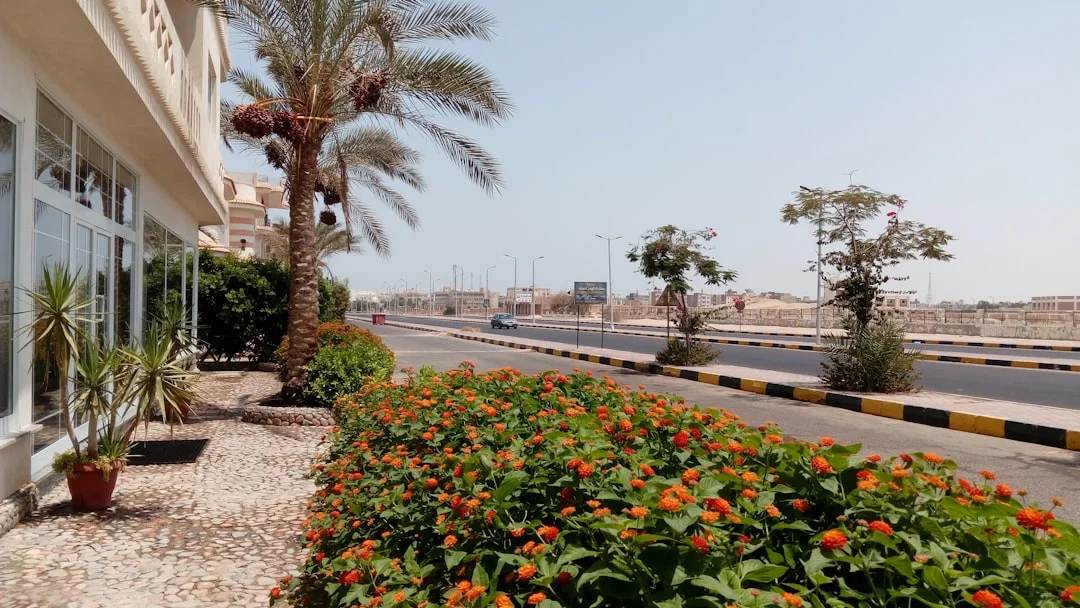
1) Fly into Hurghada International Airport (HRG). Transfer cost depends on where you’re staying.
Typical fixed-price private transfers (2025): A published 2025 fixed-rate list shows (per car, not per person):
HRG Airport → Central hotels: €15 sedan (up to 3 pax), €25 van (up to 8 pax)
HRG Airport → Makadi Bay: €25 sedan, €30 van
HRG Airport → El Gouna: €25 sedan, €30 van
HRG Airport → Sahl Hasheesh: €25 sedan, €30 van
HRG Airport → Soma Bay: €30 sedan, €40 van
Time planning tip: even if the drive is short, budget extra time for airport exits, SIM purchase, and the “helper” ecosystem outside arrivals.
2) Cairo → Hurghada by flight. Flight time is roughly ~1 hour 10–15 minutes (varies by timetable and routing). Aggregators show one-way fares that swing by season and booking window; recent deal pages show one-way starting around $149 and round trips around $237–$240 (availability changes constantly). This is exactly where early booking matters for October–November and holiday windows.
3) Cairo → Hurghada by bus. Major operators include Go Bus; travel marketplaces consistently quote ~5–7 hours depending on departures and stops, with fares often around $8–$16 (varies by class and platform). In peak periods (Oct–Nov, holidays), popular departure times can sell out—book ahead and save yourself the headache.
Getting around Hurghada (what changes by season)
- High season (Oct–Nov, holidays): taxis and private drivers are in demand; more aggressive negotiation; last-minute transfers can cost more.
- Low/shoulder (late Feb–Mar, May, early Dec): more flexibility; drivers are more willing to accept a reasonable fixed price.
Practical rule: agree price before the ride. If you’re using a pre-booked fixed list, screenshot it and confirm “all-inclusive” (fuel, waiting, luggage). For app-vs-street comparisons, see Uber vs Careem vs taxis in Hurghada.
Best time to visit Hurghada by trip type
- Beach + comfortable city time: April, mid-Oct to mid-Nov (warm sea, manageable air).
- Cheapest “sun holiday” feel (non-holiday): late Feb, early Dec, some weeks in June (heat trade-off).
- Families with kids: April and October are easiest on energy and sleep schedules.
- Watersports (wind help): summer has higher average wind (often a feature, not a bug).
| Month | Avg min / max (°C) | Sea temp (°C) | Avg wind (kph → knots) | What it feels like / best for |
|---|---|---|---|---|
| Jan | 11.4 / 22.2 | 22 | 19.6 → 10.6 kt | Mild sun, cool after-swim; great for desert + budget weeks |
| Feb | 12.3 / 23.5 | 21 | 20.0 → 10.8 kt | Similar to Jan; sea coolest; divers want more exposure |
| Mar | 15.0 / 26.2 | 21 | 21.3 → 11.5 kt | Warmer days; possible dusty wind events; solid shoulder deals |
| Apr | 18.6 / 30.0 | 22 | 21.0 → 11.3 kt | Prime comfort month; top “best time to visit Hurghada” contender |
| May | 22.9 / 33.8 | 24 | 22.0 → 11.9 kt | Hotter; sea turns properly comfortable; strong value before summer |
| Jun | 26.0 / 36.3 | 26 | 25.4 → 13.7 kt | Very hot air; warm sea; wind helps watersports |
| Jul | 27.7 / 37.4 | 27 | 23.1 → 12.5 kt | Peak heat; long water time; plan early mornings |
| Aug | 27.8 / 37.5 | 28 | 24.4 → 13.2 kt | Hottest + warmest sea; excellent for long swims, tough midday |
| Sep | 25.6 / 35.4 | 27 | 24.6 → 13.3 kt | Still hot but easing; sea remains superb; diving comfort improves |
| Oct | 22.1 / 32.2 | 26 | 20.7 → 11.2 kt | Peak “perfect” season begins; book early for best rooms |
| Nov | 17.5 / 27.9 | 25 | 19.3 → 10.4 kt | Arguably the most balanced month; high demand |
| Dec | 13.3 / 23.9 | 23 | 19.4 → 10.5 kt | Pleasant days, cooler nights; holiday weeks can be pricey |
Insider Tips & Scams to Avoid
Hurghada is tourist-built: convenience plus a steady stream of small hustles. Peak season (Oct–Nov and holidays) makes them bolder because there’s always another tourist behind you. Off-peak softens the tone, not the tactics. If you want a practical checklist for airport exits, taxis, and SIM decisions, use Hurghada safety & logistics 2026.
Airport arrival traps
- The “helpful porter” who touches your bag first: if someone grabs your suitcase handle, they’ll expect a tip even if you didn’t ask. If you don’t want the service, keep one hand on your bag and say “La, shukran” (No, thank you).
Taxi and transfer games
- “It’s per person”: fixed private transfers are typically per car; random taxis may price per person when they see a family. Confirm: “Total price for the car?”
- Currency confusion: some drivers quote in euros then want Egyptian pounds at a made-up exchange rate. Decide currency before you move. If paying in EGP, use a current rate on your phone.
- Detours to “my cousin’s shop”: common around marina / old town. You are not obligated to stop.
Tour sales tricks
- The “VIP boat” that’s the same boat: many day cruises are near-identical: same reefs, same lunch, same crowded snorkel stop. VIP only matters if they cap numbers—ask the maximum passenger count.
- Underwater photos upsell: you’ll get a “package price” that balloons after the trip. Ask for the full price list in writing before you board.
Safety & Ethics
Hurghada is heavily touristed and generally focused on keeping tourism functioning. The main risks are practical: dehydration/heat illness (especially Jun–Sep), sea hazards (sunburn, seasonal jellyfish stings, coral cuts, boat ladder slips), and road risk on long transfers (use reputable drivers; seatbelts when available; avoid night rush driving if you can). Diving is effectively year-round, but comfort shifts: winter brings cooler water and windchill after dives; summer’s problem is heat stress on deck—hydrate and hunt shade between dives. For a wider dive-safety and site overview, use Routri’s Red Sea diving guide. Ethically: don’t touch coral, don’t stand on shallow reef for photos, and pick operators who brief and enforce no-touch rules.
Booking & Logistics
If you want early-bird logic that actually matters, it’s this: the “best weeks” (comfort + warm sea) have finite capacity—boats, instructors, and the good rooms sell out. Target early booking for mid-October to mid-November and April, plus holiday spikes (late Dec / early Jan). Incentives that work in real life: lock a better room category at the same price (sea view, adults-only zone, near a house reef), reserve dive packages with preferred departure times (early boats are calmer and cooler), and secure fixed-price transfers (avoid peak-season curb negotiation). For specific trip options to reserve early, start with a high-demand classic like Hurghada 6 islands snorkelling & dolphin trip or a shorter-format alternative like semi-submarine cruise with guided snorkeling. For transport, pre-booking through private airport transfers is the simplest way to stop the “per person” and currency games at arrivals.
“Pay Cash on Arrival” (how to do it without getting burned)
This can work well in Hurghada because many reputable local operators accept booking requests without deposits and settle on arrival—especially for transfers and some excursions. One transfer provider explicitly states “no deposit required” and confirms bookings via email/WhatsApp, which matches common on-the-ground practice.
- Get the full itinerary + total price in writing (WhatsApp is fine).
- Confirm what’s included (fuel, waiting time, luggage, child seat).
- Pay only after service delivery (after transfer drop-off; after excursion ends), unless it’s a well-known operator with clear terms.
- Carry small denominations so you can pay exact.
Best compromise strategy: reserve peak-season slots early (rooms, dive packages, transfers) with written confirmation, then pay cash on arrival—so you keep flexibility while still protecting the dates that matter. For trip planning around Giftun stops, timing, and crowd reality, use Giftun Islands guide (Orange Bay vs Paradise vs Mahmya).
FAQs
Quick answers, using the same month-by-month numbers and the same real-world constraints (wind, comfort, demand) you’ll deal with on the ground.
What is the best time to visit Hurghada for perfect weather without extreme heat?
For most people, April and October–November hit the best balance: warm sea, comfortable air, and plenty of sun. If you want the same logic applied across the coast (not just Hurghada), see best time to visit the Red Sea (weather & water).
Where can I find reliable Red Sea weather by month for Hurghada?
Monthly air temperature ranges, sea temperatures, and average wind speed for Hurghada are published as climate normals (1991–2020), including month-by-month wind values and sea temps. Use the table above to match comfort and water time to your month.
When is the Egypt diving season in Hurghada—does it ever “stop”?
The Egypt diving season in Hurghada is effectively year-round. What changes is comfort: winter has cooler sea (~21–23°C) and summer has very hot air with warm sea (~26–28°C). Wind is present all year but averages higher in summer months, which can mean more surface chop on some days; good operators adapt by choosing more sheltered sites and better timings. For a wider timing breakdown, use Red Sea seasons: weather, diving, deals.
How much is a taxi from Hurghada Airport to the main resort areas in 2025?
Published fixed private transfer prices for 2025 list, per car: €15 to central hotels, €25 to Makadi Bay / El Gouna / Sahl Hasheesh, and €30 to Soma Bay (sedan category). Vans (up to 8 pax) are listed as €25 to central, €30 to Makadi/El Gouna/Sahl Hasheesh, and €40 to Soma Bay. If you want to avoid curb negotiation entirely, book ahead via Hurghada Airport transfer service.
Is a bus from Cairo to Hurghada worth it, and how long does it take?
Yes if you’re budget-focused: common planning sources show buses taking roughly 5–7 hours depending on route and stops, with tickets often in the $8–$16 range depending on class and platform. Peak periods (Oct–Nov, holidays) can sell out on popular departure times, so book ahead.
What’s the best time to visit Hurghada if I want warm sea water for long swims?
Target June–September, when sea temperature sits around 26–28°C, peaking in August (28°C). The trade-off is air heat—plan early morning beach time and shade breaks.
What months have the strongest winds, and will that affect diving and snorkeling?
Average winds rise notably in summer (for example, June ~25.4 kph ≈ 13.7 knots), while autumn months are calmer on average (for example, November ~19.3 kph ≈ 10.4 knots). Higher wind can mean choppier boat rides and rougher surface conditions, though many operators adapt by choosing more sheltered sites. If your plan is mostly snorkeling stops, choosing the right format (full-day boat vs speedboat vs semi-sub) matters as much as the month—compare options like semi-private speedboat snorkeling versus a larger group boat day.
Should I book peak-season trips early—and can I still pay cash on arrival?
For peak comfort windows (especially October–November and April), early booking is smart because the best rooms, boats, and time slots go first. You can often reserve with written confirmation and then pay cash on arrival—one 2025 transfer provider explicitly states there’s “no deposit required” and confirms via email/WhatsApp, which supports that this model is common for that provider type.
Pick your month based on what you’ll feel: winter is bright sun plus windchill after you get wet; spring/autumn is where full days outside feel easy; summer is brutal midday heat offset by the warmest sea of the year. The numbers in the month table don’t just describe the weather—they predict your comfort, your boat ride, and how hard vendors will push when demand is high.
Further Reading on Routri: