Quick Summary: The best time for Red Sea snorkeling and diving is October–November and late March–May: stable 20–30 m visibility, mild winds, and fewer crowds. Winter has cooler water but calm seas; summer brings strong sun, hotter Hurghada weather for snorkeling, and higher prices around holidays. Your month choice = visibility, crowds, and cost.
Planning when to jump in matters more than where you book. The same reef can feel magical in 25 m visibility and miserable in a sandstorm of plankton and chop. Think in seasons, not just “Red Sea equals year‑round.” Below is a straight, season‑by‑season breakdown so you can pick the exact month that matches your tolerance for cold, heat, people, and price.
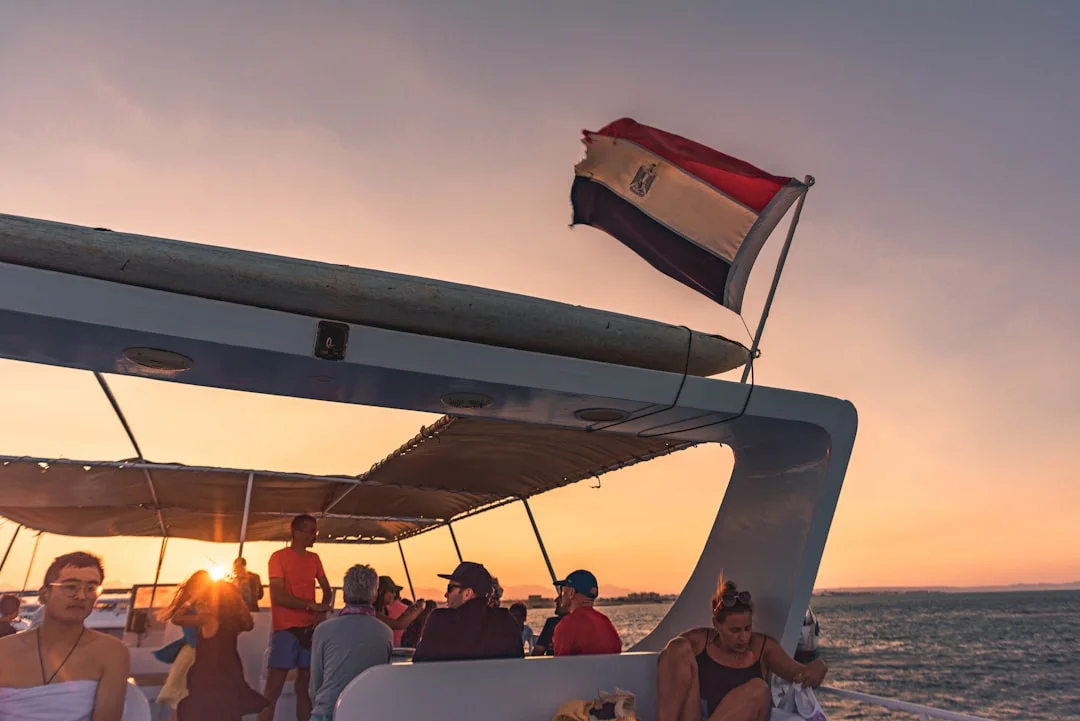
What Makes This Experience Unique
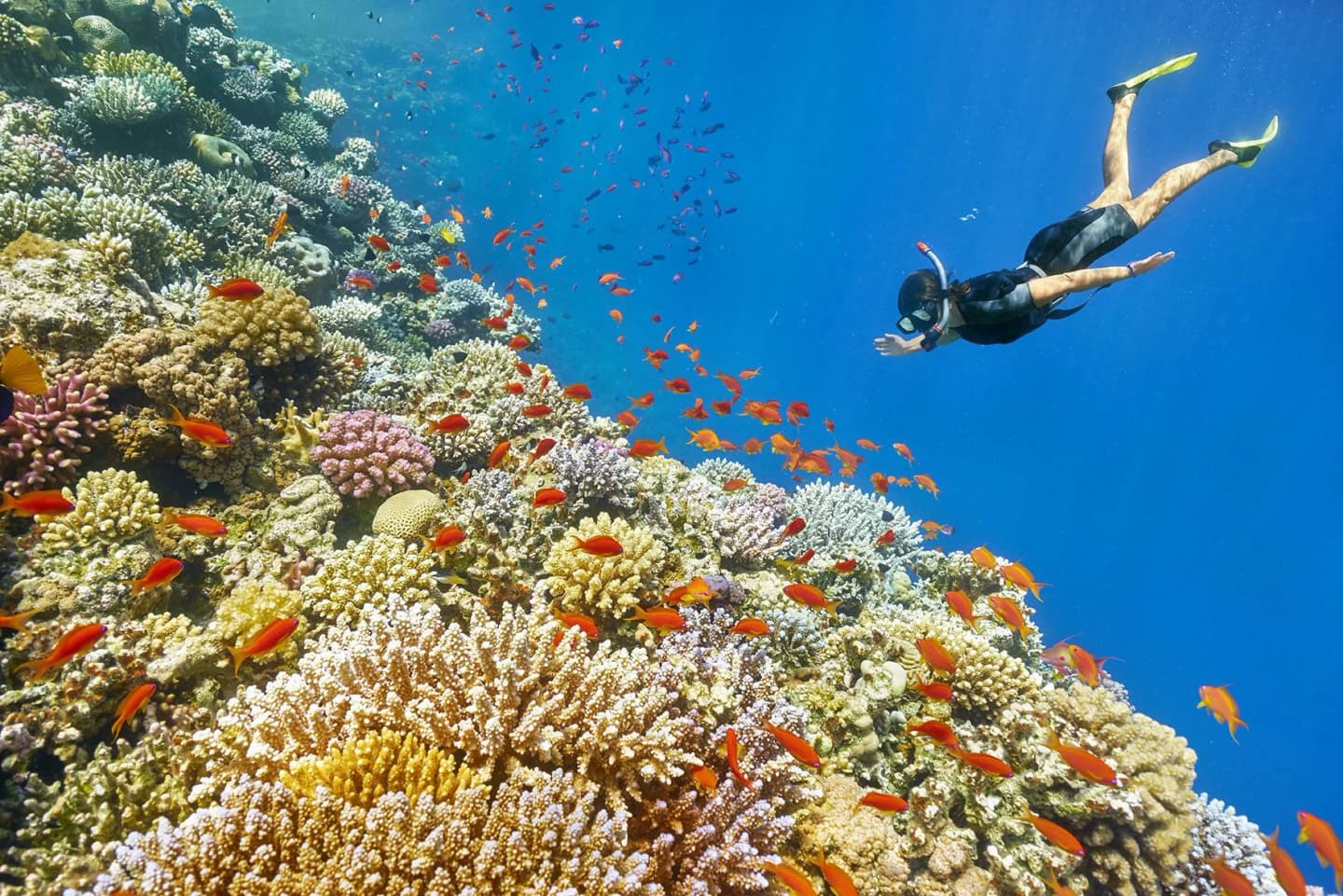
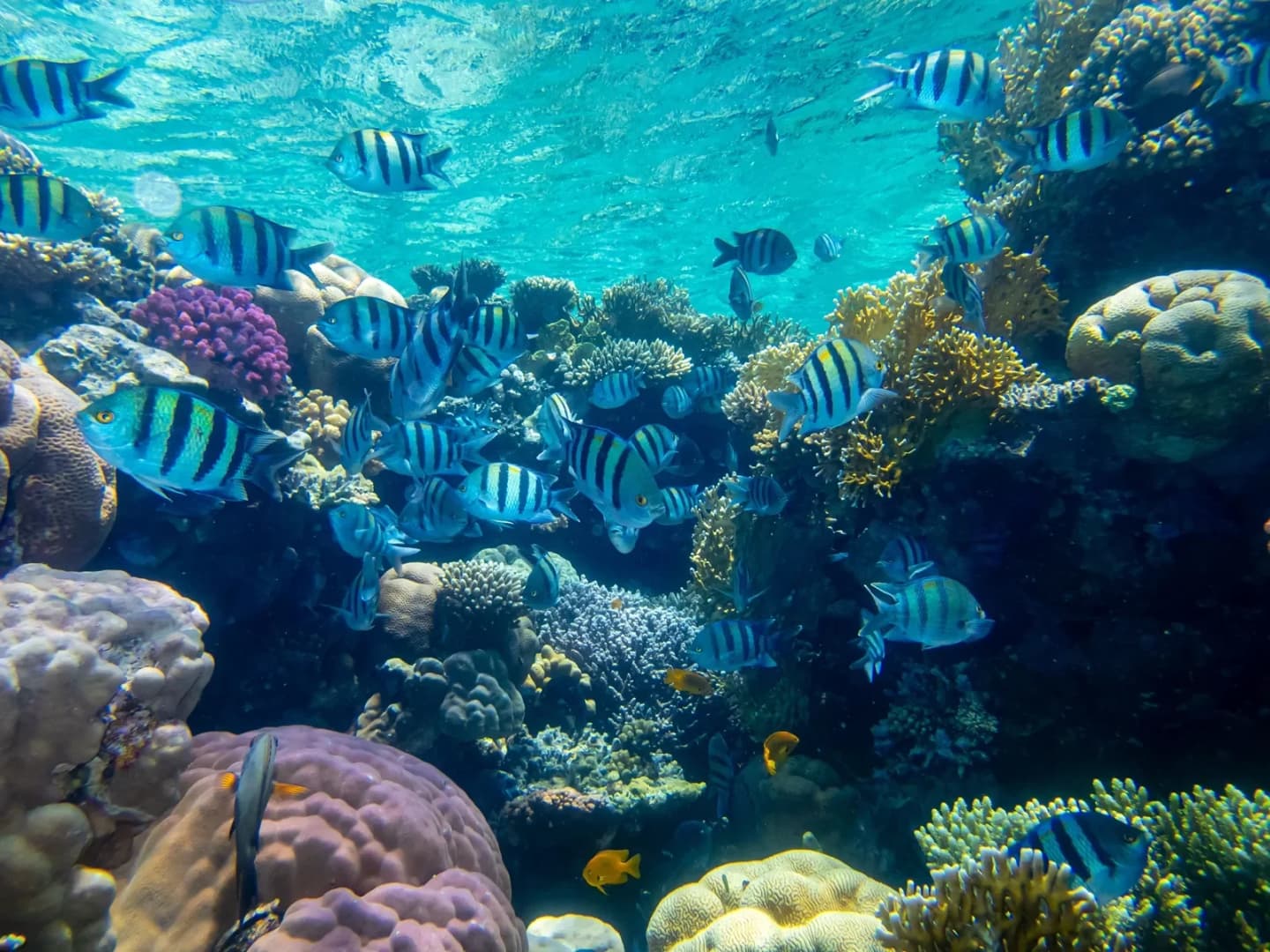
The Red Sea is narrow, deep, and almost landlocked, which keeps salinity high and visibility impressive. On normal days you’ll see 20–30 m horizontally, dropping below 15 m only when wind exceeds about 18–20 knots. Add whale sharks in late spring, winter dugong sightings, and shallow coral shelves that start as close as 3–5 m from shore.
Where to Do It
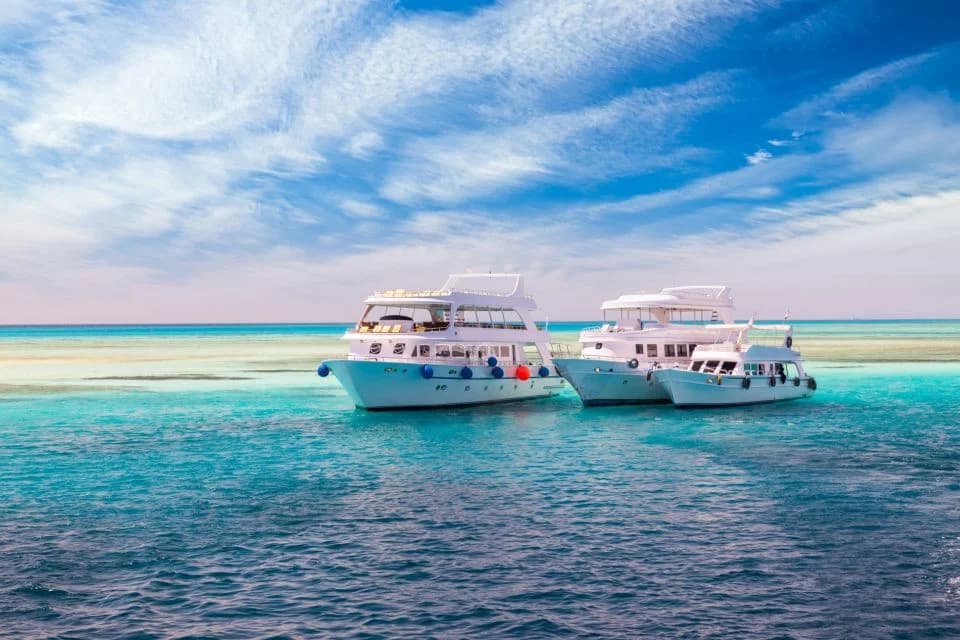
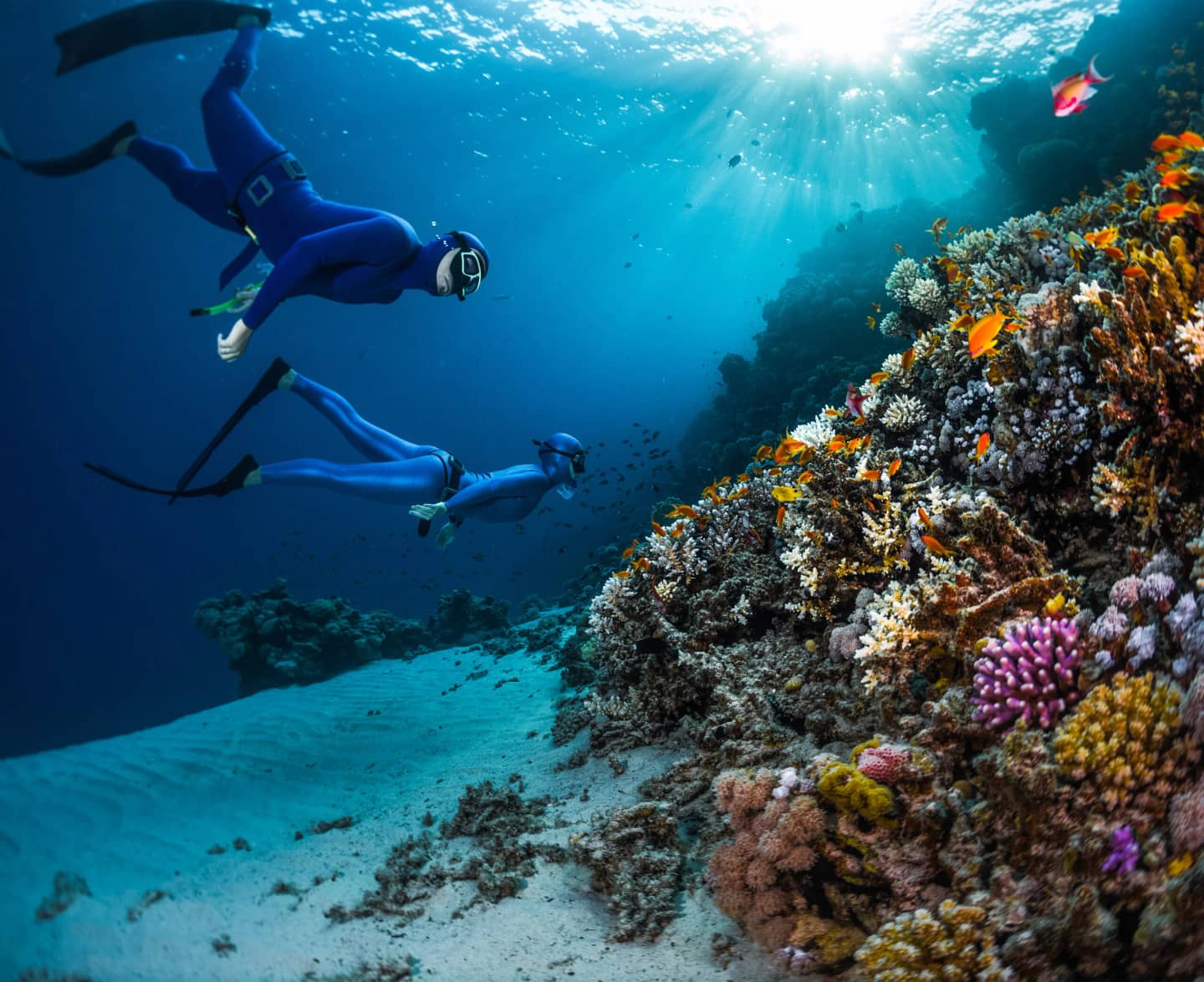
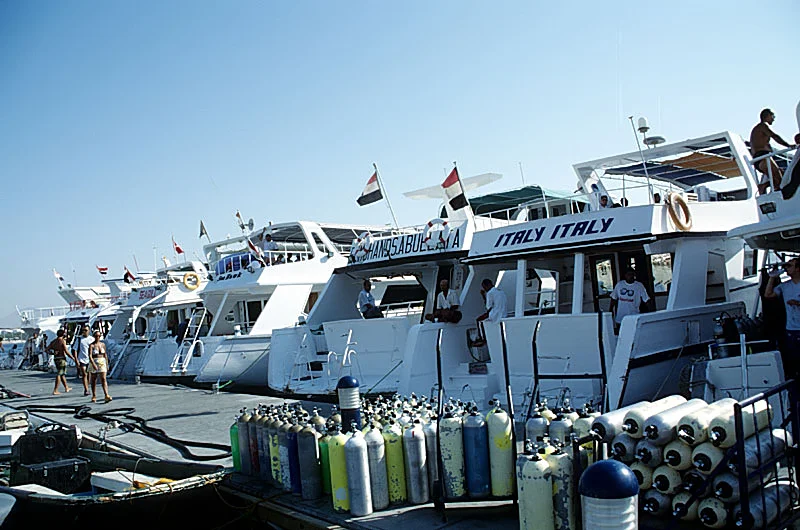
If your priority is easy access, choose Hurghada or Sharm day boats with short 45–70 minute rides and plenty of sheltered reefs. Marsa Alam wins for dugongs and turtles, especially Abu Dabbab. Dahab suits independent divers who don’t mind shore entries and a rougher feel. Liveaboards reach offshore walls where depths drop from 10 m to 600 m in one ridge.
Best Time / Conditions
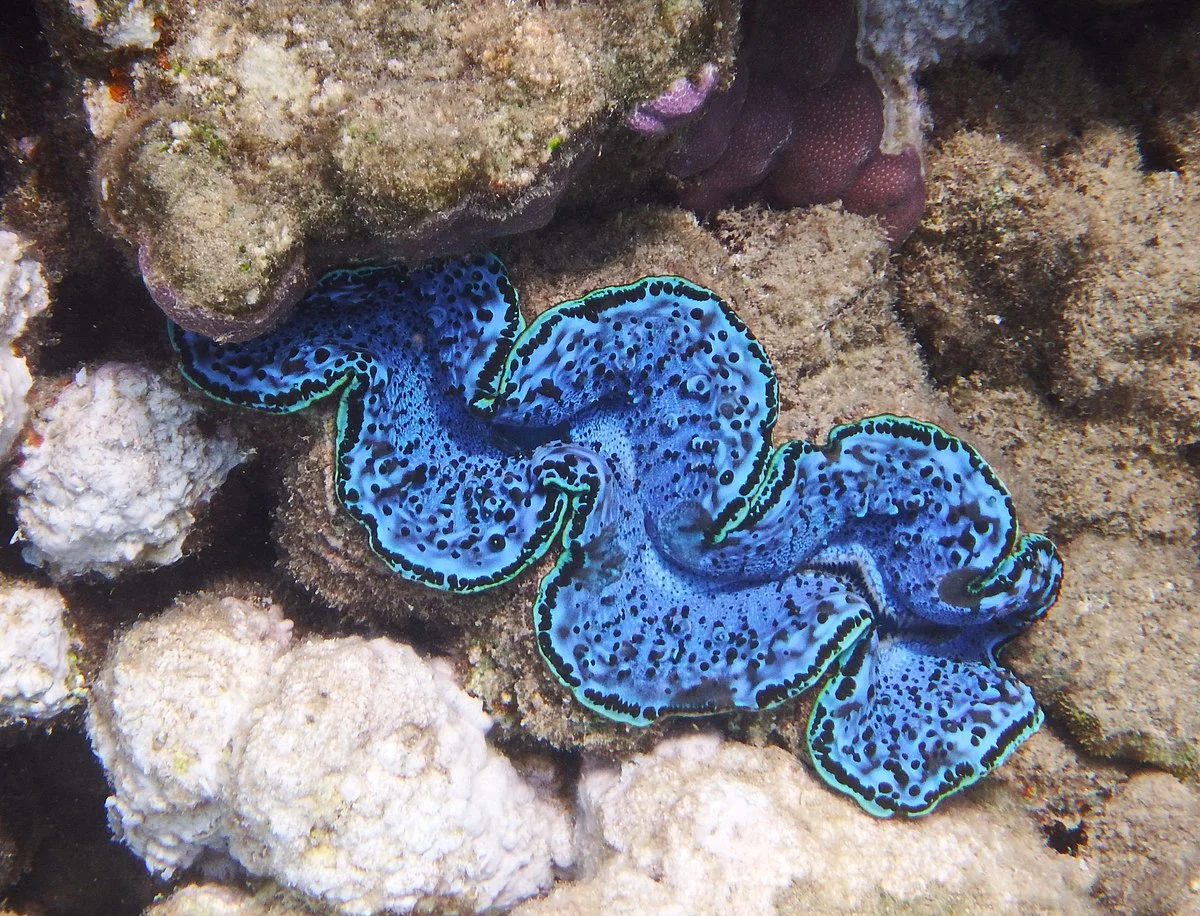
For most people, the best time Red Sea diving window is October–November: water 26–28°C, air below 32°C, and steady 20–30 m visibility. March–May is second best, with plankton bringing more fish and occasional manta rays. January–February: calm, clear, but 21–23°C water means thicker wetsuits and shorter snorkel sessions for anyone who chills quickly.
What to Expect
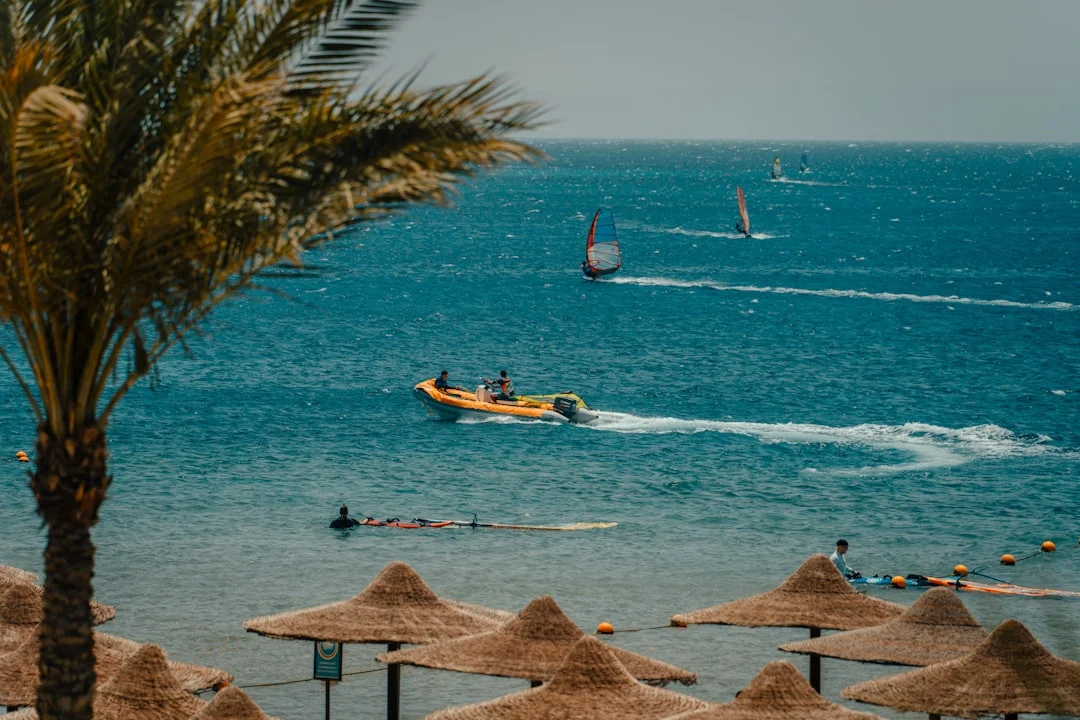
On a normal day in Hurghada weather for snorkeling, expect light northerly winds and small chop, plus a diesel-and-salt smell as boats idle at the pier. Mornings are calmer: surface usually flattest before 11:00. By afternoon, wind lines roughen the water, making surface intervals chilly in winter and aggressively hot in August.
Who This Is For
If you’re trying to decide a single “right” month, align season to your own thresholds. Cold-sensitive snorkelers: target May or October. Budget divers willing to wear a thicker suit: go January or early February. If your priority is the clearest Red Sea visibility season with fewer boats at each mooring, skip school holidays and late July–August entirely.
Booking & Logistics
Season shapes visibility, crowds, and pricing more than the operator does. Shoulder months (late March, April, October, early November) usually mean 10–20% lower trip prices than peak summer and winter holidays, with similar or better underwater conditions. Lock in liveaboards six to nine months ahead and keep a flexible buffer day for weather cancellations, especially in windy spring weeks.
Sustainable Practices
Whatever month you choose, your impact lasts longer than your holiday. Skip operators who allow reef touching or feeding. Use a 30+ reef-safe sunscreen and a long-sleeve rash guard to reduce chemical load. In high-season crowds, insist on clear briefings and small groups; compact fins, horizontal trim, and slow kicks do more for coral health than any hashtag.
FAQs
This section tackles the real planning questions divers whisper on boats but rarely ask tour reps directly. Use it to sanity-check your preferred month, gear thickness, and expectations about marine life. All answers lean on current Red Sea patterns rather than marketing lines, so you can align your calendar with actual conditions.
Which exact months have the best balance of visibility and comfort?
For most travelers, late April–May and October are the sweet spots. Visibility averages 20–25 m, winds are moderate, and water sits around 25–27°C, so a 3–5 mm suit is enough for diving and short snorkeling sessions. You’ll avoid the cold shock of February and the harsh midday heat of August.
Is winter too cold for snorkeling around Hurghada and Marsa Alam?
From January to early March, surface water around Hurghada sits near 21–23°C, dropping a degree or two on windy days. If you’re used to tropical lagoons, that feels brisk after 30 minutes. A full 5 mm suit or layered 3 mm plus hooded vest keeps most people comfortable for two or three shorter sessions per day.
When is marine life most active for beginner divers and snorkelers?
Spring plankton blooms from March to May pump up fish activity and bring more rays, while summer sees more pelagic sightings offshore but also harsher surface conditions. For newer divers, I recommend late spring or October: you still get busy reefs and turtle encounters, without wrestling aggressive chop or extreme surface heat.
, liveaboard budgets, wind‑driven trip planning, regional snorkel hotspots, tech and gear trends, and multi-destination itineraries across the basin.