Quick Summary: Marsa Alam is quiet, spread out, and still too inconvenient for mass tourism to fully flatten—good news if you want Marsa Alam snorkeling tours without the glass-bottom boat circus. This is a tactical guide to the coastline’s best reefs and lesser-publicized bays, with the real constraints (wind, access, fees) and the 2025 taxi prices you’ll actually negotiate on the ground.
| Feature | Abu Dabbab | Marsa Egla | Sataya Reef (Dolphin House) | Gebel Rosas |
|---|---|---|---|---|
| Primary Draw | Giant turtles & dugongs | Pristine coral & rays | Wild dolphins | Wind protection & depth |
| Crowd Level | High (bus loads) | Low to medium | Medium (boat traffic) | Very low |
| Entry Fee (Approx) | $10–$15 USD | Often included in tour | $50–$90 USD (boat) | $5–$10 USD |
| Best For | Families & beginners | Photographers | Adventure seekers | Windy days |
| Accessibility | Easy (sandy beach) | Moderate (rocky) | Hard (2hr boat ride) | Easy (protected bay) |
| 2025 Price Trend | Rising (high demand) | Stable | Stable | Stable |
If Hurghada is a nightclub and Sharm El Sheikh is a resort factory, Marsa Alam is the place you go when you want quiet water and fewer moving parts. The Red Sea destinations down here feels heavier and calmer; in the right bay you’ll hear nothing except your own breathing and the soft scrape of fins. In the wrong bay, you’ll get 20-knot wind, sand in the water column, and a day wasted.
Why This Guide Exists
This is for travelers who are done with glass-bottom boats and vendors selling the same souvenirs on repeat. Marsa Alam can still deliver the raw Red Sea destinations: seagrass meadows where turtles feed in 2–5 meters of water, reef walls that drop hard (one reason divers come here), and offshore reefs where visibility can exceed 30 meters. It also comes with real constraints—no meters in taxis, inconsistent access rules at some beaches, wind that can shut down jetties, and pricing that changes depending on how you book and how you pay.
The Landscape & Context
Marsa Alam is not one beach. It’s roughly a 150-kilometer coastline of hotels spaced along a desert highway, plus a handful of bays and offshore reef systems. There’s no practical “downtown” beach circuit; you’re moving by car or boat. The big win is that the coastline includes protected inlets (good on windy days) and exposed outer reefs (amazing on calm days, ugly when the wind is up). The sensory difference is obvious: in places like Marsa Egla, the first thing you notice in the water is silence—no jet ski hum—just your exhale and the click of gear.
Part 2: The Options (Comparison)
Picking the right site is about matching your tolerance for crowds, your need for facilities, and the day’s wind. Marsa Alam snorkeling tours can be calm and clear—or a sandy soup—depending on the bay and the traffic.
Abu Dabbab: “Dugong Bay”
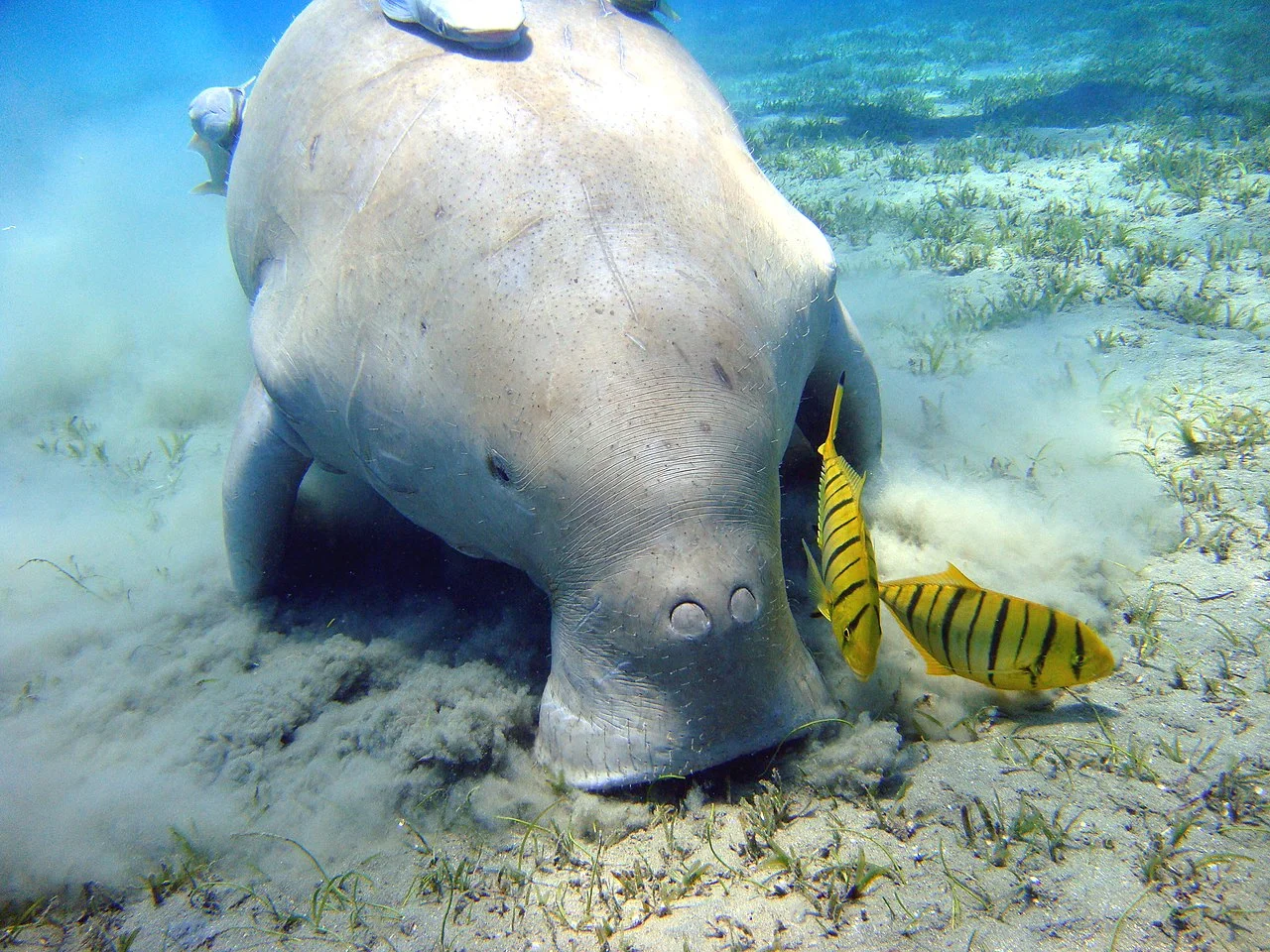
The vibe: The busiest site in the area for a reason. Expect resident green turtles (big) and a real chance of a dugong because the seagrass is the draw.
- Pros: Turtles are effectively guaranteed; they graze in the center of the bay in 2–5 meters of water. Sandy, gradual beach entry (good for nervous swimmers and kids). Proper toilets, showers, and restaurants.
- Cons: Crowds hit by 10:00 AM (orange life jackets everywhere). The sandy bottom plus swimmer traffic often drops visibility to 5–10 meters in the shallows. Strict entrance fee structure: ~$10–$15 USD.
Marsa Egla: The Fjord-Style Bay
The vibe: A turquoise inlet that feels empty compared to Abu Dabbab. In the water, the silence is the point—no mechanical noise, just slow fin strokes and the temperature drop as you move off the shallows.
- Pros: Coral walls on the north/south sides are in better condition than Abu Dabbab. Lower numbers (you might share the water with ~20 people). Frequent eagle ray and guitar shark sightings in quieter water.
- Cons: Facilities are basic. Entry can be rockier (booties recommended). Access usually requires a private taxi or a “small group” style tour; public transport between beaches is not a thing.
Sataya Reef (Dolphin House): Open Sea Day
The vibe: Not shore-based. This is a horseshoe reef system about two hours by boat, which means your day is built around the sea state.
- Pros: One of the few places you can swim (ethically) with wild pods of 40–60 spinner dolphins when they rest inside the lagoon. Visibility is often 30+ meters. The sensory cue is sound: clicks and whistles that you feel in your chest before you see shapes in the blue.
- Cons: Full-day commitment: typically 7:00 AM departure and back around 4:00 PM. If wind is above 15 knots, the ride can be rough (seasickness risk). Cost: ~$50–$90 USD.
Gebel Rosas: Narrow Protected Bay
The vibe: Tight swimming corridor, steep profile, and unusually protected water when northerly wind blows the rest of the coast out. Underwater, the reef feels like a wall rather than a garden—big structures close to you.
- Pros: Wind protection: when other sites get hit by 20-knot northerlies, Gebel Rosas often stays calm. Quick depth change makes it interesting for freedivers and scuba divers.
- Cons: The area is narrower, so you follow the wall (not great if you hate tight routes). Access may be controlled by a hotel/dive center; you may pay ~€5–€10 if you’re not a guest.
Part 3: The Logistics (How to Do It Right)
Marsa Alam is logistics-first. There’s no functional beach-to-beach public shuttle, and taxis don’t use meters. Your success rate depends on planning around wind, choosing protected bays when needed, and paying in a way that keeps you in control.
Getting There & Around
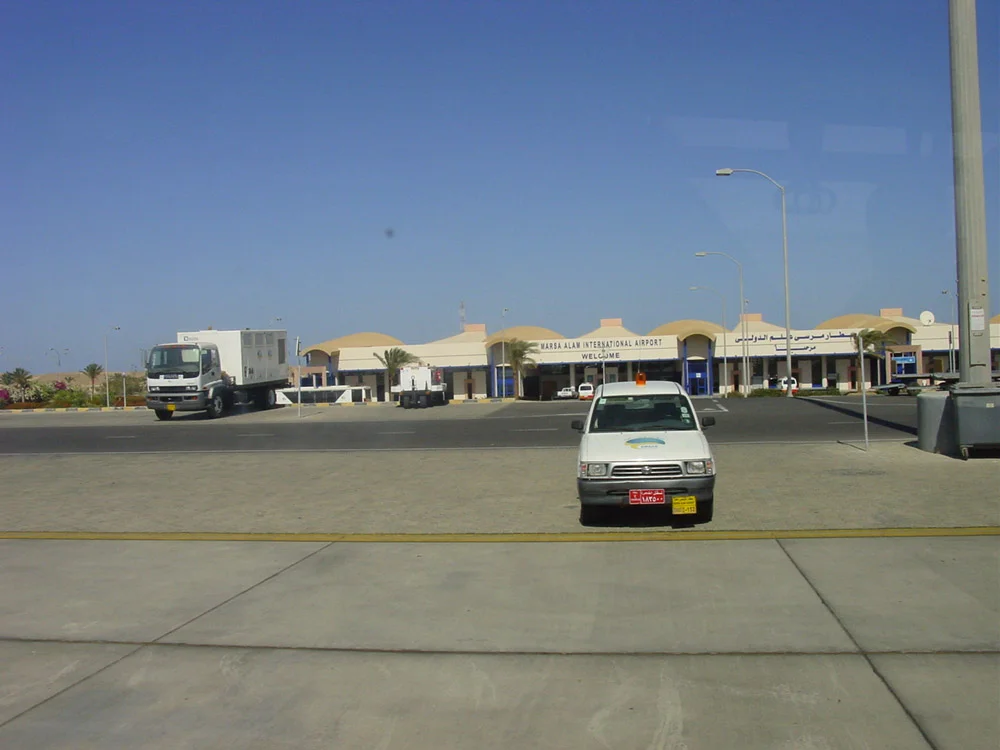
The Airport (RMF): Efficient, isolated. The “bus myth”: services like Go Bus can drop you at points on the highway (hotel gates or town), but they do not operate as a beach shuttle network. If you bus in, you still need a taxi to get to the water.
Taxi Prices (2025 Estimates)
Taxis have no meters. Negotiate or pre-book; prices have risen with fuel cost adjustments. Use these as real negotiating anchors:
- Airport to Port Ghalib (nearby):€15–€20
- Airport to Marsa Alam Town (60km south):€40–€50
- Airport to Deep South (Gorgonia/Fantazia):€60–€80
- Short hop (hotel to Abu Dabbab):€10–€20 (round trip often negotiable if the driver waits)
- Full-day driver:€60–€80 (often the best value if you want multiple stops)
Weather & Best Time to Visit
The wind decides everything. Marsa Alam is windier than Sharm El Sheikh; prevailing wind is from the North/Northwest. If you arrive on a red-flag day, hotel jetties can be closed and offshore boats can be miserable.
- Best season:September to November (wind drops; warm air; water holds summer heat).
- Worst season:January to February (water can be 22°C, windy) and June (often the windiest month; good for kitesurfers, bad for boat days).
| Month | Avg Temp (°C) | Water Temp (°C) | Wind Speed (Knots) | Wetsuit Rec | Crowd Level |
|---|---|---|---|---|---|
| Jan - Feb | 18°C - 24°C | 22°C - 23°C | 10 - 15 (gusty) | 5mm Full | Low |
| Mar - Apr | 25°C - 28°C | 23°C - 24°C | 12 - 18 | 3mm Shorty | Medium (Easter) |
| May - Jun | 30°C - 35°C | 26°C - 27°C | 15 - 22 (High) | Rashguard | Medium |
| Jul - Aug | 35°C - 40°C | 29°C - 30°C | 12 - 18 | Skin / None | High |
| Sep - Oct | 30°C - 34°C | 28°C - 29°C | 8 - 12 (calm) | Rashguard | High (Peak) |
| Nov - Dec | 25°C - 28°C | 25°C - 26°C | 10 - 15 | 3mm Shorty | Low |
Insider Tips & Scams to Avoid
The vibe is generally calmer than the classic tourist circuits, but the hustle still exists. Treat everything like a negotiation and assume “free” means “we’re about to charge you.”
- The “Free” Camel Ride: At beaches like Abu Dabbab, someone offers a “free photo.” Once you’re up, the camel won’t sit until you pay a “tip” of €10 or €20. Agree on a price before the animal stands.
- The “Pay Upfront” Trap: Don’t pay the full amount days in advance to a street vendor. The scam is a deposit taken, then no-show (or a substitute driver with a bad car). Pay 50% max upfront, or better: pay after the trip. Reputable operators accept cash on arrival.
- The Currency Game: Pay big items in Euros or US Dollars (crisp notes). Use EGP for small items to avoid awful change rates. Don’t bring Euro coins—locals often can’t exchange them. Paper notes work (and $1 bills are widely useful).
- “Hidden” Entrance Fees: Some beaches sit on hotel or military-controlled land. A guard may ask for an “entrance fee.” Sometimes legitimate, sometimes not. Ask for a ticket. No ticket = negotiate hard or walk.
Safety & Ethics
This coastline is exposed and the reef is sharp. Your goal is to leave with skin intact and coral untouched.
- Fire Coral: It can look like harmless brown branching coral. A brush can leave a burning welt that lasts for weeks. Don’t touch anything; keep control of your body position.
- Currents: At exposed edges (including outer parts of Marsa Egla; and offshore sites like Elphinstone for advanced divers), current can push you out. Swim into the current first; if you get tired, you can let it carry you back toward shore/boat. Do not start by drifting with it.
- Sun Safety: The sun will burn you fast (think 15 minutes). Sunscreen also harms reefs (even “reef safe” isn’t a free pass). Wear a long-sleeved rashguard/UV shirt instead.
Booking & Logistics
If you want access to Marsa Alam reefs without paying a markup to international middlemen, skip generic prepaid excursions. Use a local operator, ask direct questions on WhatsApp (boat type, headcount, lunch), negotiate if you’re a group, and pay cash when you’re picked up. For more context on local diving experiences norms and site types in the region, use Routri’s Marsa Alam hub here: Marsa Alam - Red Sea Tours & Marine Adventures.
- Find a local operator: Marsa Alam or Port Ghalib based, with recent reviews (2024/2025).
- WhatsApp is operational reality: Ask: “Which boat do you use?” “How many people onboard?” “Is lunch included?”
- Negotiate: Especially if you’re a group of 4.
- Pay cash on arrival: “I pay in cash (EUR/USD) when you pick me up.” It keeps leverage on your side.
Recommended tour types (with real price anchors):
- Private speedboat (4 hours): Faster, fewer crowds, more sites. Cost: ~€150–€200 per boat (split between up to 6 people).
- Shore day (driver + guide): A “beach hopping” plan (example: Marsa Egla then Gebel Rosas). You pay entrance fees directly.
FAQs
Can I snorkel off the beach at my hotel?
Maybe. Many hotels use long jetties that cross the reef flat to the drop-off. But if wind is high and the flag is red, jetties can close. Booking a hotel in a protected bay (Coraya or Brayka) is usually smarter than an open-coast hotel where wind ruins access.
Is it safe to swim with sharks in Marsa Alam?
Yes, generally. Sharks you might see while snorkeling tours (whitetip reef sharks, guitar sharks) are usually not a human threat. Oceanic whitetips are an offshore/advanced context (e.g., Elphinstone) and typically encountered by scuba divers in deeper water.
Do I need a visa?
Yes. You can buy a visa on arrival at Marsa Alam airport for $25 USD (cash only), or get an e-visa beforehand.
Is the water cold in winter?
In January/February, water can be around 22°C (72°F). If you’re in for an hour, it feels cold. Plan on a 3mm or 5mm wetsuit for longer snorkels.
Can I use my drone?
No. Drones are illegal in Egypt without a permit that is extremely difficult to obtain. They can be confiscated at the airport and you can get into legal trouble. Leave it at home.
What is the "Dugong" and will I definitely see it?
A dugong is a sea cow (related to manatees). There are only a handful in the Marsa Alam area. Abu Dabbab and Marsa Mubarak are feeding grounds, but sightings aren’t guaranteed—think roughly 50–60% chance on a good day, not a promise.
How much should I tip?
Tipping (baksheesh) is standard. For a full-day guide, €10–€20 is generous. For a driver, €5–€10. For boat crew, there’s usually a tip box; plan €5 per person.
Is tap water safe to drink?
No. Don’t drink tap water. Use bottled water even for brushing teeth. Ice in reputable hotels is usually filtered, but if you have a sensitive stomach, skip it.
Down here, the main skill isn’t finding “secret” coordinates—it’s choosing the right bay for the wind, showing up early enough to beat the crowds, and keeping your money leverage until the car is at your gate. Do that, and Marsa Alam delivers what people actually come for: quiet water, real reef structure, and marine life that doesn’t feel staged.
Further reading on Routri:
- Hidden Red Sea dive sites from Dahab to Marsa Alam
- Lesser-known Red Sea dive sites guide
- Marsa Alam diving tips and top sites
- Marsa Alam: dugongs, diving, and desert adventures
- Ultimate guide to Red Sea diving
- Marsa Alam destination guide and tours
- Marsa Alam nature and diving overview
- Marsa Alam wreck diving and underwater archaeology
- Red Sea blackwater diving guide
- Red Sea diving and snorkeling guide: Marsa Alam to Hurghada