Quick Summary: If you’re searching “Egypt visa 2026” because you want a clean, low-drama arrival, the rules are simple: know whether you’re doing visa on arrival or e-Visa, carry the right cash, and don’t hand your passport to random “helpers.” This guide walks you through Egypt entry requirements basics, the exact Hurghada airport visa sequence, real airport transfer/taxi price ranges, and the common traps that turn a 20-minute process into an hour of negotiation.
| Feature | Visa on Arrival (Hurghada / approved airports) | Egypt e-Visa (apply online before travel) | Resort Rep “Visa Service” (Meet & Assist) |
|---|---|---|---|
| Where it happens | At airport kiosks before immigration (buy sticker, then passport control) | Online before travel; show approval (often PDF) on arrival | A rep meets you and handles the visa purchase/walkthrough |
| Typical official visa fee | $25 USD (approved airports; guidance: cash only; USD preferred) | Fee varies by type (single vs multiple entry) | Visa fee + service markup (cost transparency varies) |
| Payment reality | Cash-only reality can be the choke point if you arrive with cards only | Paid online; still need proof accessible (printed/digital) | You pay the rep’s package price (often more than official fee) |
| Speed & steps | Fast when prepared; can queue at kiosks if multiple flights land | Fewer steps in arrivals hall; still normal immigration queue | Most guided; minimal thinking required after landing |
| Main risk | Touts/“agents” overcharging; not having exact cash | Application mistakes (passport number/dates); managing the PDF | Paying extra without clarity (visa vs “service”) |
| Best for | Confident travelers with $25 USD cash and the discipline to ignore touts | Families, first-timers, anyone who wants fewer decisions after landing | Travelers prioritizing ease over cost transparency |
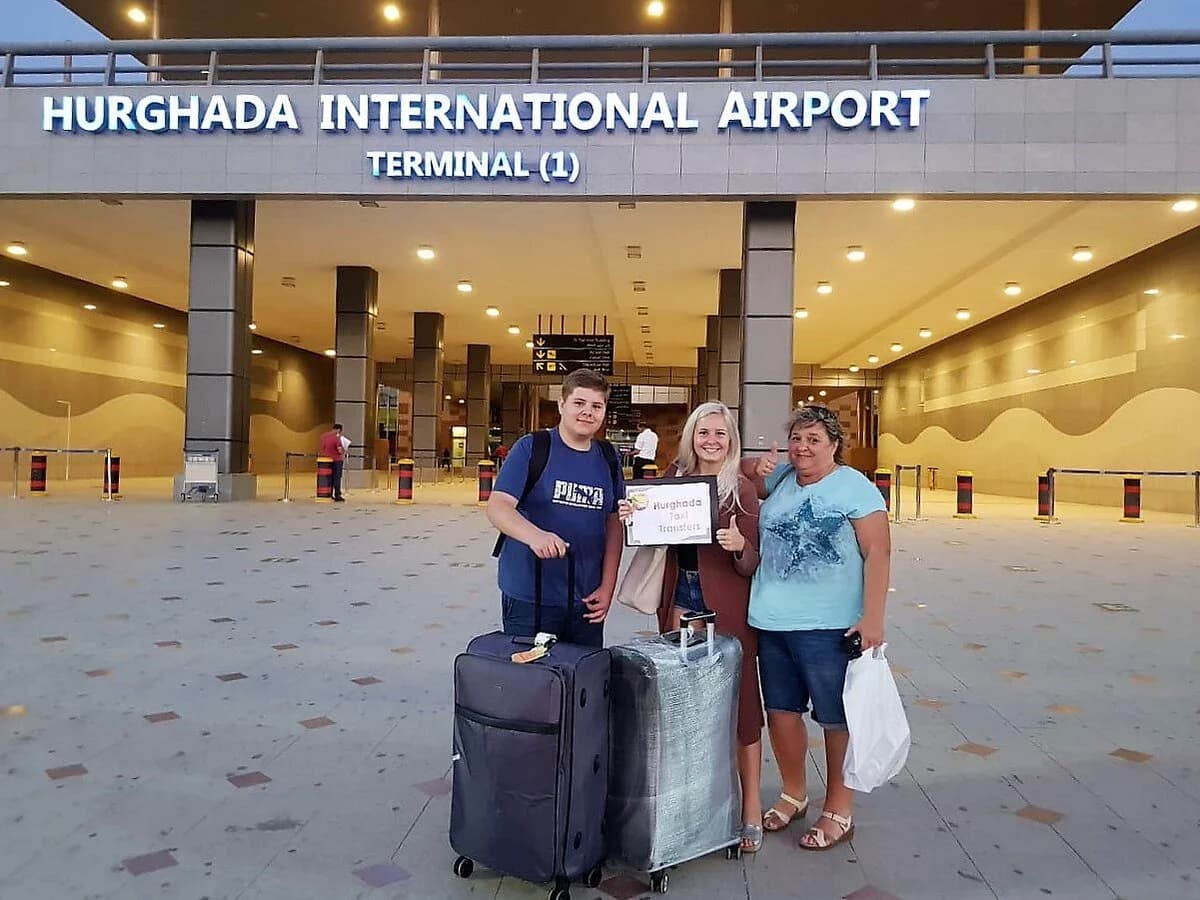
Hurghada arrivals has a predictable rhythm: warm, dry air as the cabin doors open; then fluorescent lighting, queues, and a chorus of “visa? taxi? help?” aimed at tired people who just want out. If you follow the sequence (visa kiosk first, then immigration) and you already know how you’re getting to your hotel, the first hour can feel boring—in the best way.
Why This Guide Exists
This is written for travelers Googling Egypt visa 2026 and getting generic advice that falls apart the moment you land at HRG with only a card and no small bills. The goal is to keep your documents clean, keep the right cash ready, and avoid the two classic stress points: visa confusion and curbside taxi bargaining. If you want a second layer of prep, Routri’s Hurghada Safety & Logistics 2026 guide and the Egypt eVisa guide for Red Sea travel cover related trip-planning details.

The Landscape & Context
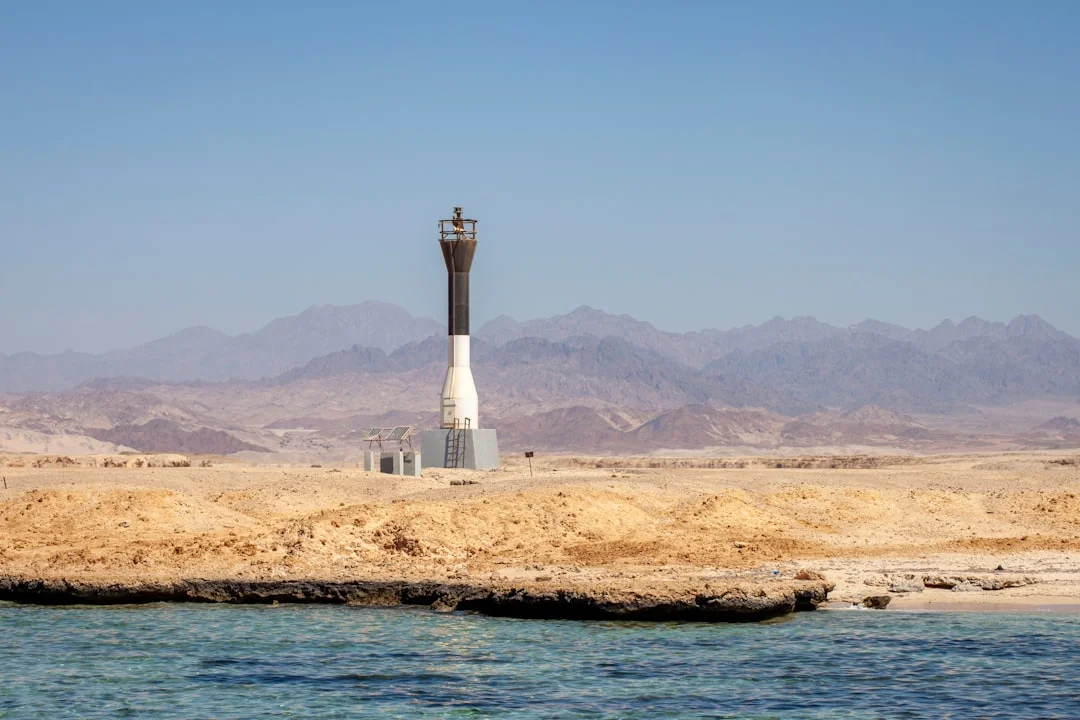
Hurghada’s resort map is basically linear: HRG is near the city, and most visitors go north to El Gouna or south to Sahl Hasheesh, Makadi Bay, and Soma Bay. Outside arrivals, it’s heat plus movement—drivers calling out, engines idling, people matching faces to WhatsApp profile photos. If you’re also planning how you’ll move around the coast later, Routri’s Red Sea transport guide (buses, sea shuttles & transfers) and the Uber vs Careem vs taxis in Hurghada price test help you avoid guessing on the ground.
Part 2: The Options (Comparison)
People say “Egypt is straightforward” because the system works if you follow the order and don’t outsource your brain to the first confident stranger saying “visa, visa, come.” Your real choices are: visa on arrival (simple if you have $25 USD cash), e-Visa (fewer steps inside the terminal), or a rep/meet-and-assist service (least thinking, usually more cost). If your arrival plan includes pre-booking transport, Routri’s Hurghada private airport transfer and the route-specific HRG transfer service (Makadi, Soma Bay, El Gouna) are built around fixed pickup and no curb negotiation.
Option A: Visa on Arrival (Hurghada / approved airports)
What it is: Buy a tourist visa sticker at airport kiosks before immigration, then queue for passport control.
- Pros: No pre-trip admin; good for last-minute plans; you control the process (kiosk → immigration).
- Cons: Cash-only reality can derail you; touts/“visa agents” overcharge; kiosk queues can stack when multiple flights land.
- Best for: Confident travelers with $25 USD cash ready and the discipline to ignore touts.
- Key detail: Guidance for approved airports states visas on arrival are $25 USD cash only, with officials preferring dollars (sometimes GBP/EUR may work).
Option B: Egypt e-Visa (apply online before travel)
What it is: Apply online, receive approval (often a PDF), and present it on arrival.
- Pros: Fewer steps in arrivals hall (especially late); less exposure to “helpers”; fewer decision points after landing.
- Cons: You must apply correctly and keep a printed/digital copy accessible; mistakes (passport number/dates) create avoidable stress; still normal immigration queues.
- Best for: Families, nervous first-timers, anyone who hates queue uncertainty and negotiation.
Option C: Package Tour / Resort Rep “Visa Service”
What it is: A rep meets you, handles the visa purchase, and walks you through.
- Pros: Minimal thinking after landing; useful for large groups, elderly travelers, or accessibility needs.
- Cons: Often costs more than the official fee; price transparency can be poor (visa vs “service”).
- Best for: Travelers who value ease over cost transparency.
Part 3: The Logistics (How to Do It Right)
Hurghada arrival feels like a timed exam if you don’t know the sequence: fluorescent lighting, multiple counters, and persistent “help” offers optimized for tired travelers. Keep it mechanical: if you need visa on arrival, buy the sticker before immigration; then passport control; then baggage; then exit. After that, your stress level depends almost entirely on whether you’re negotiating at the curb or walking to a known driver.
Egypt entry requirements (baseline rules to assume)
- Passport validity: Guidance states your passport should be valid at least 6 months after arrival and have at least one blank page.
- Visa requirement: Most travelers need a tourist visa unless they qualify for a specific exemption (Sinai-only cases exist for some itineraries, not typical Hurghada resort trips).
Hurghada airport visa on arrival: the exact sequence
- Land → follow “Arrivals/Immigration” signs.
- Before passport control: find the bank kiosks / exchange kiosks selling visa stickers.
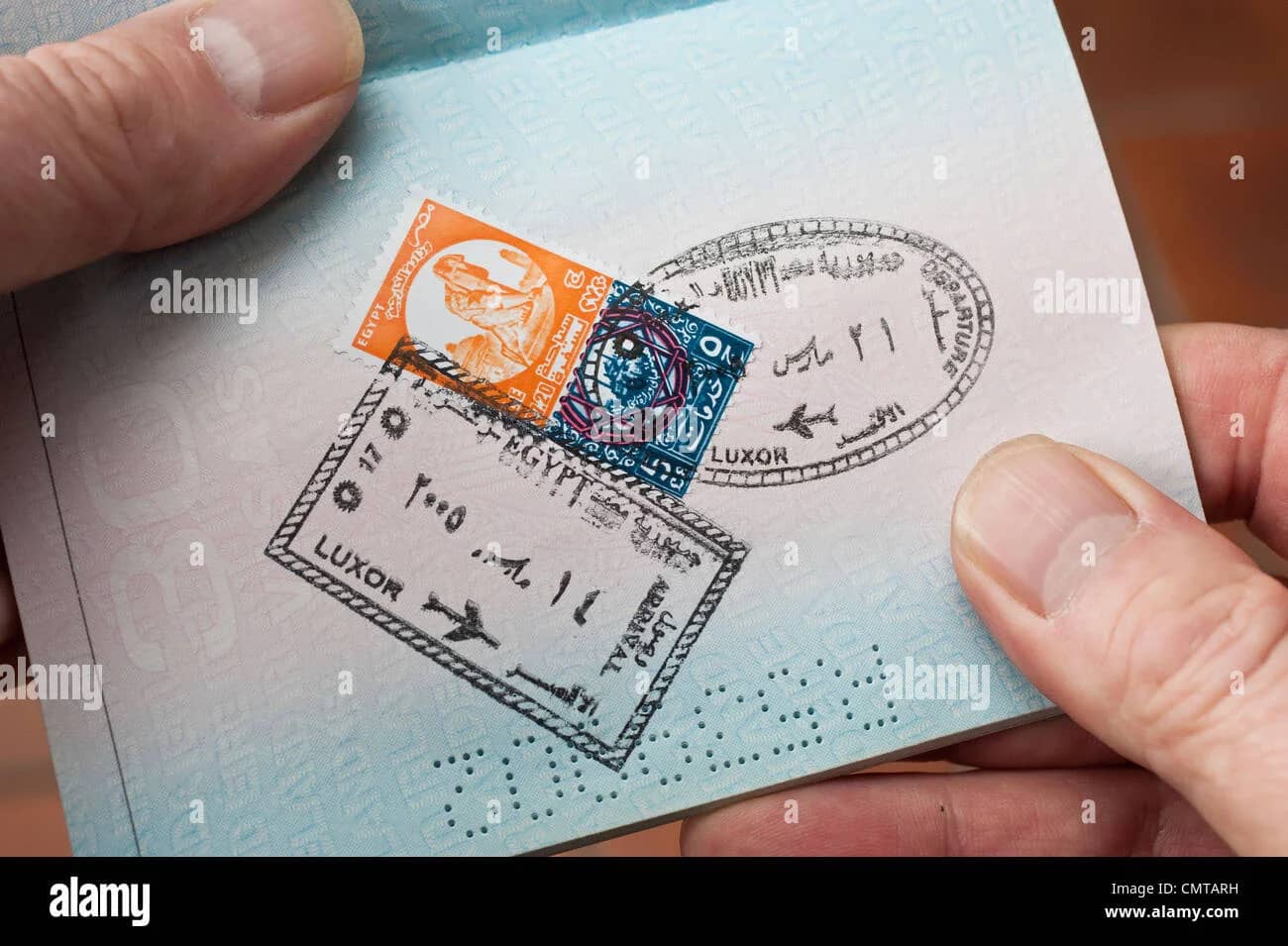
- Buy the visa sticker (single-entry tourist visa commonly sold on arrival).
- Go to immigration with passport + visa sticker in your passport.
- Receive entry stamp and continue to baggage reclaim.
How much is the visa on arrival at Hurghada Airport?
Guidance for approved airports states $25 USD, cash only, bought before immigration (officials prefer USD; sometimes GBP/EUR may be accepted).
The #1 Hurghada airport visa mistake: paying an “agent”
Official guidance warns you do not need an airport agent and they often charge more than $25. Translation: if someone takes your passport out of your hand and walks you “somewhere faster,” you’re one step away from paying $35–$50 for a $25 sticker.
Getting from Hurghada Airport (HRG) to resorts: price ranges, times, and what’s real
- El Gouna (35–40 km): $15–$25 typical; $25–$35 higher end (vehicle/negotiation/airport pickup affects it).
- Makadi Bay / Sahl Hasheesh (25–30 km): $12–$20 typical; $20–$30 higher end.
- Transfer time HRG → El Gouna: commonly quoted around 45–50 minutes depending on traffic and exact drop-off.
Negotiation reality (avoid getting rinsed)
- Agree the full price before entering the car.
- Confirm it’s per car (usually) not per person.
- Confirm the currency (USD/EUR/EGP) and assume the driver has no change.
- If the first quote is wild: say “no thanks,” step back, and watch how fast the price changes.
Best time to go: weather + wind by season (Red Sea reality)
Hurghada gets sold as “sun all year,” but for comfort the swing factor is wind. It can be breezy to properly windy—great for kitesurfers, annoying if you just want still air while tanning.
- Wind (kite season): May–October is widely cited as the strong period, with typical winds around 18–25 knots in the Hurghada/Red Sea region.
- Winter (Dec–Feb): Days can feel warm; nights cooler; wind can make evenings feel brisk after sunset.
- Shoulder seasons (Mar–May, Oct–Nov): The comfort sweet spot for most travelers—warm days, manageable heat.
- Summer (Jun–Sep): Hot, bright, and “stay near water” energy; wind sports thrive.
| Season | Air Temp Feel (°C) | Typical Wind (knots) | Sea/Beach Comfort | Transport / Crowd Notes |
|---|---|---|---|---|
| Dec–Feb | Mild-warm days, cooler nights | ~13–23 | Great for sun; bring a layer at night | Lower crowds; easier negotiating |
| Mar–Apr | Warm and comfortable | ~15–20 | Excellent all-round | Rising crowds around holidays |
| May–Oct | Hot (peak summer) | 18–25 | Best for wind sports; heat management needed | High season pricing; pre-book transfers |
| Nov | Warm, easing toward winter | ~15–20 | Very comfortable | Good value shoulder season |
Insider Tips & Scams to Avoid
You’ll be tired when you land. That’s why the scams are simple and repetitive: get you to overpay for the visa, overpay for the ride, or agree to a “small” detour that turns into a commission stop.

1) “Visa agent” markup
- If someone offers to “do the visa for you,” they’re selling convenience at a markup.
- Official guidance warns agents often charge more than $25 and you don’t need them.
Your move: Walk to the kiosk yourself, keep your passport in your hand, pay the official fee.
2) The “no change” trap
Common script: “Price is $25” → you hand $50 → “No change” → now the ride costs $50.
Your move: Carry small bills. If you can’t, force clarity: “I only have $50. Do you have change? If not, I’ll find another driver.”
3) Taxi price inflation at the curb
Airport quotes start high because many travelers don’t know distance or baseline rates.
Your move: Anchor with published-style ranges: Makadi/Sahl Hasheesh $12–$20 typical (or $20–$30 higher quotes), El Gouna $15–$25 typical (or $25–$35 higher quotes).
4) “My friend’s hotel / special shop” detours
Some drivers earn commissions by stopping at a perfume/oils/papyrus shop.
Your move: Say: “Direct to hotel. No stops.” If they insist, get out at a safe public spot (hotel entrance, lit petrol station).
5) Exchange rate confusion
If you pay in USD/EUR, you can get a “creative” conversion rate.
Your move: Pay in exact foreign currency with an agreed price, or pay in EGP and confirm the number before the ride.
Safety & Ethics
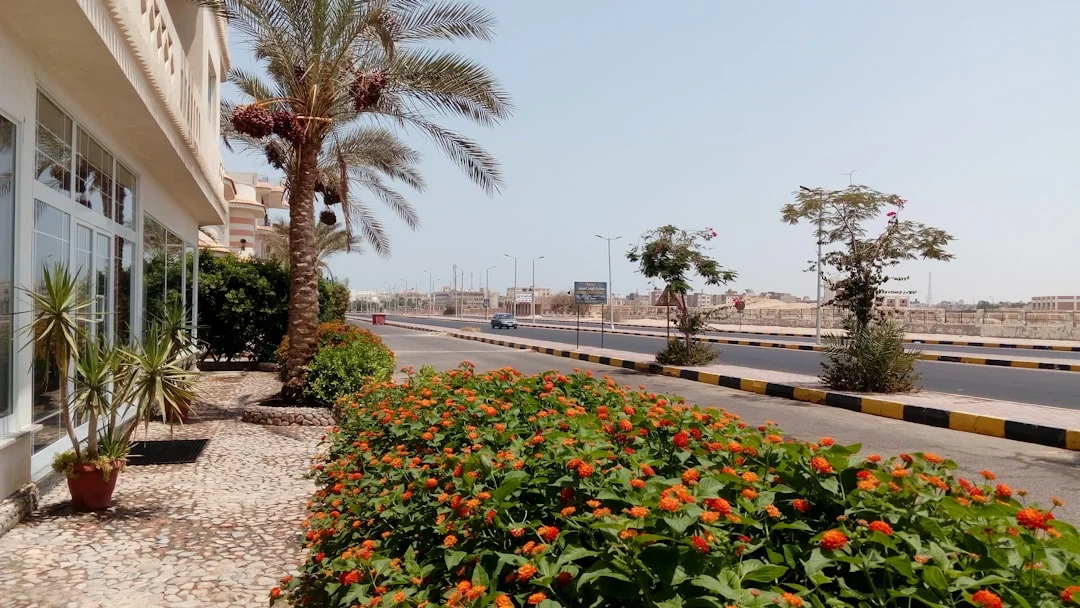
Hurghada is a major tourist hub; resort zones are built for visitors. Your common risks are petty scams, overcharging, and aggressive selling, not random violence. Keep your passport secured (carry a photocopy on day trips), use well-lit ATMs (hotels/malls), and for late-night arrivals, pre-book a transfer so you’re not negotiating outside when you’re running on fumes. For more practical ground rules, Routri’s Hurghada Safety & Logistics 2026 is the no-drama version.
Booking & Logistics
There are two ways to start a Red Sea trip: improvise at HRG, or remove variables like it’s an operation. If you care about brand trust (and you should), the make-or-break moment is the airport handoff—because that’s when people are most exposed to confusion and aggressive upsells. A proper “Welcome Service” isn’t luxury; it’s risk reduction: a driver waiting with your name, a fixed price, and a WhatsApp contact so you’re not squinting at license plates in the heat outside arrivals. Routri’s private pickup options are built for that exact moment, including Hurghada private airport transfer (Hurghada/El Gouna/Makadi) and the route-specific HRG transfer service (Makadi, Soma Bay, El Gouna).
On payments: “pay cash on arrival” is often the clean middle ground in Egypt logistics. It avoids card issues and payment-link anxiety, and it also avoids sending money to a stranger online with unclear refund rules. The best practice is simple: reserve with flight number + hotel, confirm the fixed price in writing (WhatsApp is fine), then pay cash on arrival once you see the driver and vehicle. For more on moving around the coast (including buses), use Routri’s Red Sea transport guide. If you’re building excursions around the Red Sea (snorkelling/diving), Routri’s 2026 Red Sea dive guide helps you plan without guessing.
Extra logistics: intercity travel (Hurghada → Cairo / Luxor) with current price signals
- Hurghada → Cairo by bus: commonly shown around 6h 30m (varies by operator/stops). Blue Bus ranges listed as Economy EGP 180–220 and Business EGP 250–300 (verify at booking; prices can shift with date/class).
- Hurghada → Luxor by bus: commonly cited around 4 hours on direct services (varies). Tickets often appear around $6–$9 depending on class/platform.
FAQs
These are the questions that keep coming up for Hurghada arrivals, especially when travelers want the real “what do I do first, what do I pay, and where do I stand” version.
What are the Egypt entry requirements for tourists in 2026?
At minimum, expect a passport valid 6 months beyond arrival with at least one blank page, plus a tourist visa unless you qualify for a specific exemption; details can vary by nationality. If you’re deciding between e-Visa vs visa on arrival for a Red Sea trip, Routri’s Egypt eVisa guide is a useful cross-check.
How much is the Egypt visa 2026 on arrival, and how do I pay?
Guidance for approved airports states you can buy a visa on arrival for $25 USD, cash only, with officials preferring USD (sometimes GBP/EUR may be accepted).
Where exactly do I buy the Hurghada airport visa?
You buy it at the bank/visa kiosks before immigration (before passport control). After purchasing the sticker, you proceed to immigration with it in your passport.
Should I use an airport “visa agent” at Hurghada?
No. Official guidance states you do not need an agent and they often charge more than the required fee (the $25 sticker becomes $35–$50 fast when you’re tired).
Is an e-Visa better than visa on arrival for Egypt visa 2026?
It depends on your risk tolerance. e-Visas reduce steps inside the arrivals hall and reduce exposure to touts; visa on arrival is simple if you have exact cash and follow the kiosk → immigration sequence.
How much should a taxi/transfer cost from Hurghada Airport to Makadi Bay or Sahl Hasheesh?
Published guides commonly cite $12–$20 as a typical range, with higher quotes $20–$30 possible depending on vehicle and negotiation. If you want to avoid curb bargaining entirely, pre-book a fixed pickup like Routri’s HRG resort transfer service.
How long does it take from Hurghada Airport to El Gouna?
Transfer sites commonly estimate about 45–50 minutes depending on traffic and your exact destination inside El Gouna.
What’s the easiest way to reduce stress after clearing Egypt entry requirements at Hurghada?
Have $25 cash ready for visa on arrival (if applicable), ignore “helpers,” and arrange a fixed pickup where you can pay cash on arrival once you meet the driver—this removes the two biggest stress points: visa confusion and taxi bargaining. Routri’s private airport transfer is designed for exactly that.
Your best arrival strategy is boring on purpose: correct documents, $25 cash if you’re doing visa on arrival, no passport handoffs to “agents,” and a transport plan that doesn’t require arguing outside in the heat. Do that, and Hurghada starts with the Red Sea holiday feeling instead of an airport negotiation marathon.
Further Reading on Routri:
- Hurghada Safety & Logistics 2026: airport, taxis, SIMs
- Uber vs Careem vs taxis in Hurghada (price test)
- Red Sea transport guide: buses, sea shuttles & transfers
- Egypt eVisa for Red Sea travel: how to apply
- Hurghada: Private airport transfer service (Makadi, Soma Bay, El Gouna)
- Hurghada: Book reliable private airport transfer