The Red Sea Timing Playbook: Weather, Reefs and Deal-Savvy Escapes
Quick Summary: Match your Red Sea getaway to your goal: peak-visibility diving in spring and autumn, warm shallow seas for families in late spring, and standout value in shoulder seasons. This guide delivers easy choices, smart timing, and low-stress booking tactics for 2026–2026.
Imagine waking to wind-brushed palms and glassy seas, then deciding—effortlessly—between a gentle reef drift, a lagoon kite session, or a slow lunch on the marina. The Red Sea rewards good timing. With a little planning, your days sync to the elements, and your budget stretches further without giving up the show-stopping color beneath the surface.
What Makes This Experience Unique
Egypt’s Red Sea strings together resort towns with different microclimates and personalities, letting you match place to purpose. You can chase world-class visibility for diving, choose sheltered shallow reefs for kids, or time breezier periods for wind sports. Better still, shoulder seasons often unlock quieter beaches, friendlier prices, and more attentive guiding—without compromising the highlights.
Where to Do It
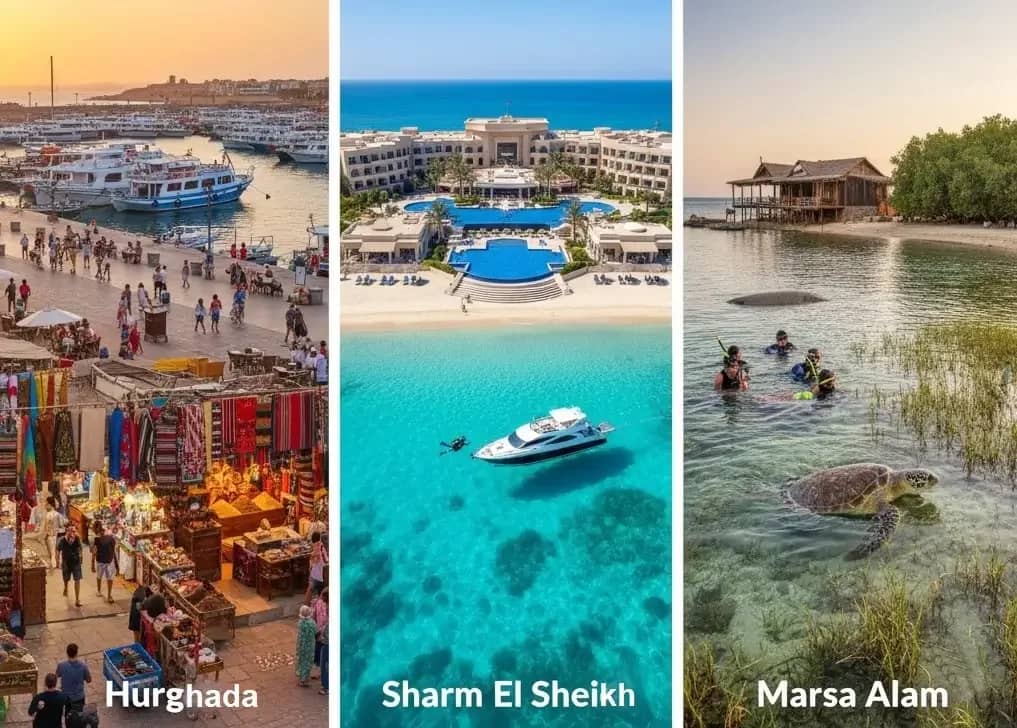
Hurghada and El Gouna are your all-rounders—broad hotel choice, quick reef hops, and family-friendly lagoons. Sharm El Sheikh opens the door to Ras Mohammed and iconic wrecks. Marsa Alam is the serene pick for turtles and seagrass bays. For a laid-back, shore-dive vibe with serious drop-offs, build in time for Dahab.
 Sharm El Sheikh’s bays offer reliable boat access to marquee reefs.
Best Time / Conditions
Target late March–June and September–November for the cleanest water and comfortable days. Divers prize shoulder seasons for steady boats and clear, calm seas, often yielding 20–30 m visibility. Families love late spring’s warmer shallows without peak heat. Wind lovers should look for consistent 15–25 knot ranges that light up lagoons without punishing chop.
What to Expect
Plan calm-sea mornings for snorkel boats and schedule windier afternoons for kiting or coastal walks. In Marsa Alam, a guided Coral Garden snorkeling tour suits beginners and photographers. When breezes rise in Sharm, a relaxed city and shopping tour keeps the day smooth. First-timers can study reef options in our Hurghada snorkeling guide before booking.
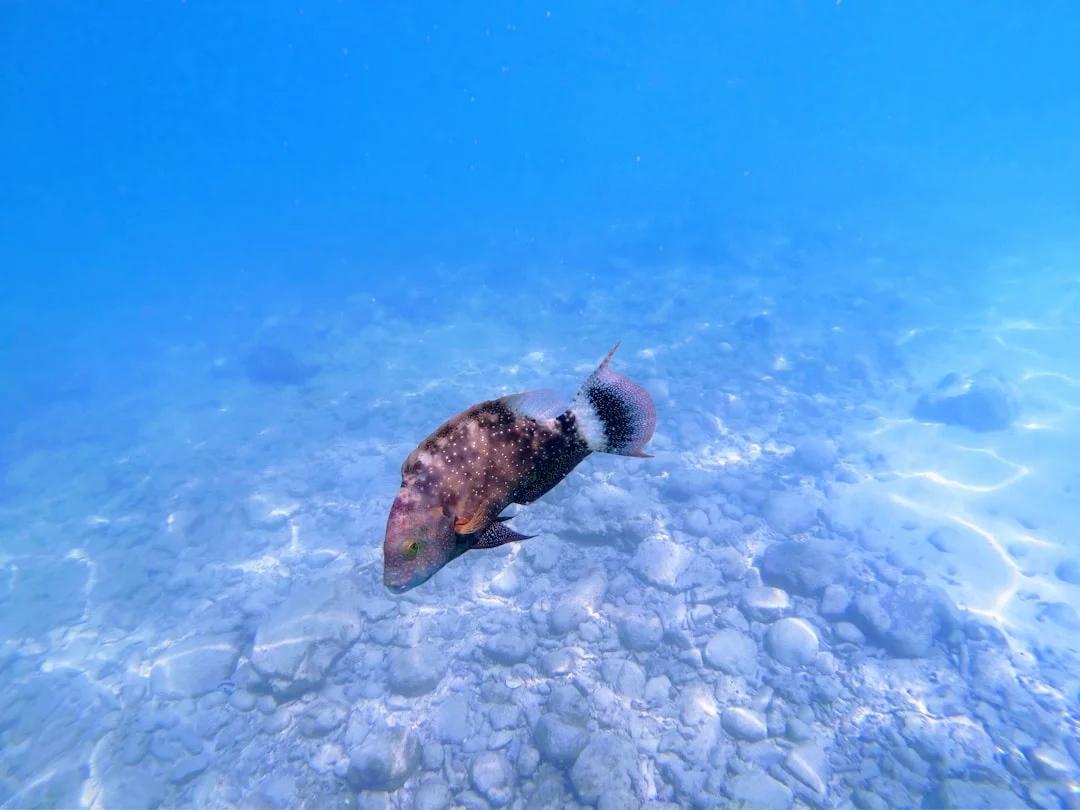 Marsa Alam’s seagrass meadows are famed for relaxed turtle encounters.
Who This Is For
Booking & Logistics
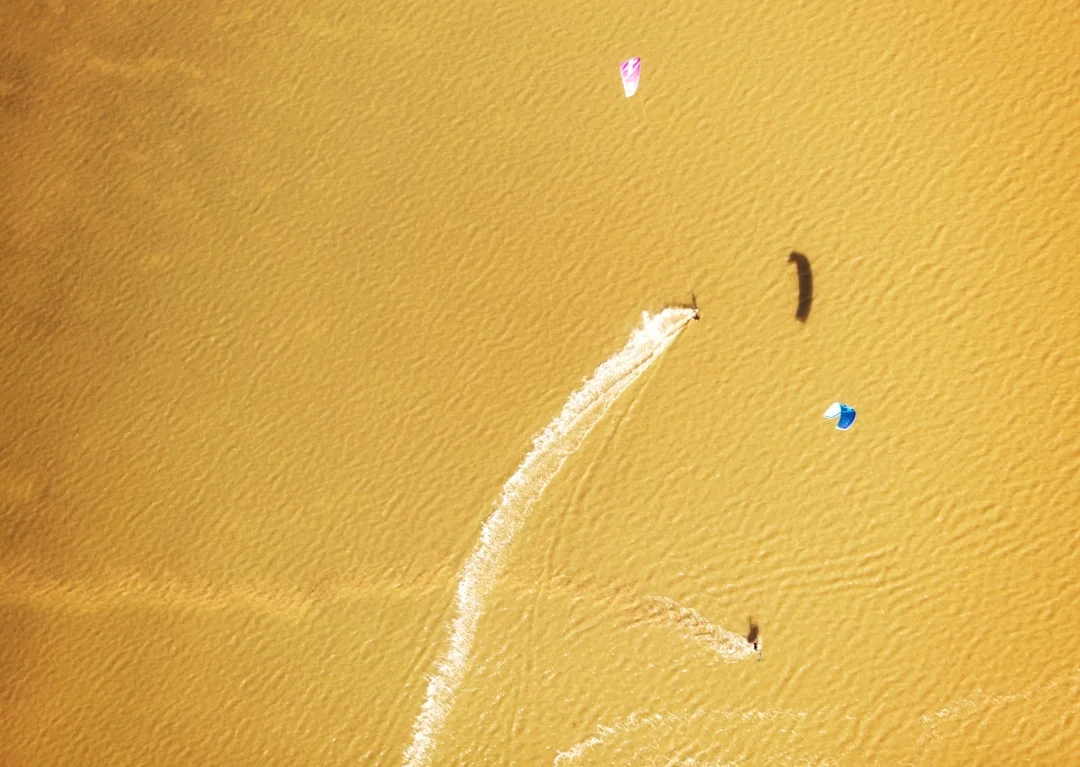 El Gouna’s steady winds and wide lagoons are ideal for kitesurfers.
Sustainable Practices
FAQs
When is the best visibility for diving and snorkelling?
Which months feel warmest for families in shallow water?
How do I balance savings with comfort and fewer crowds?
With the right month, your Red Sea days fall into place—clear water when you want it, warm shallows for family moments, and softer prices in between. Ready to fine-tune your plan? Browse our complete Red Sea destinations to match town vibes with your wish list.
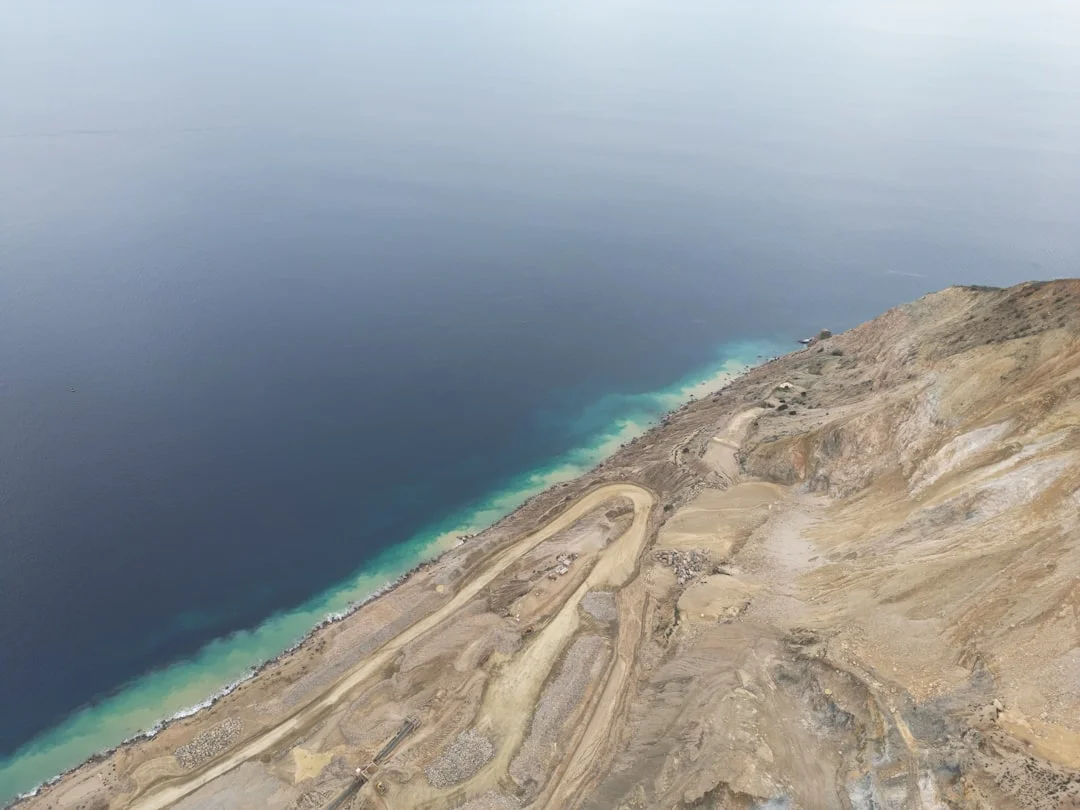
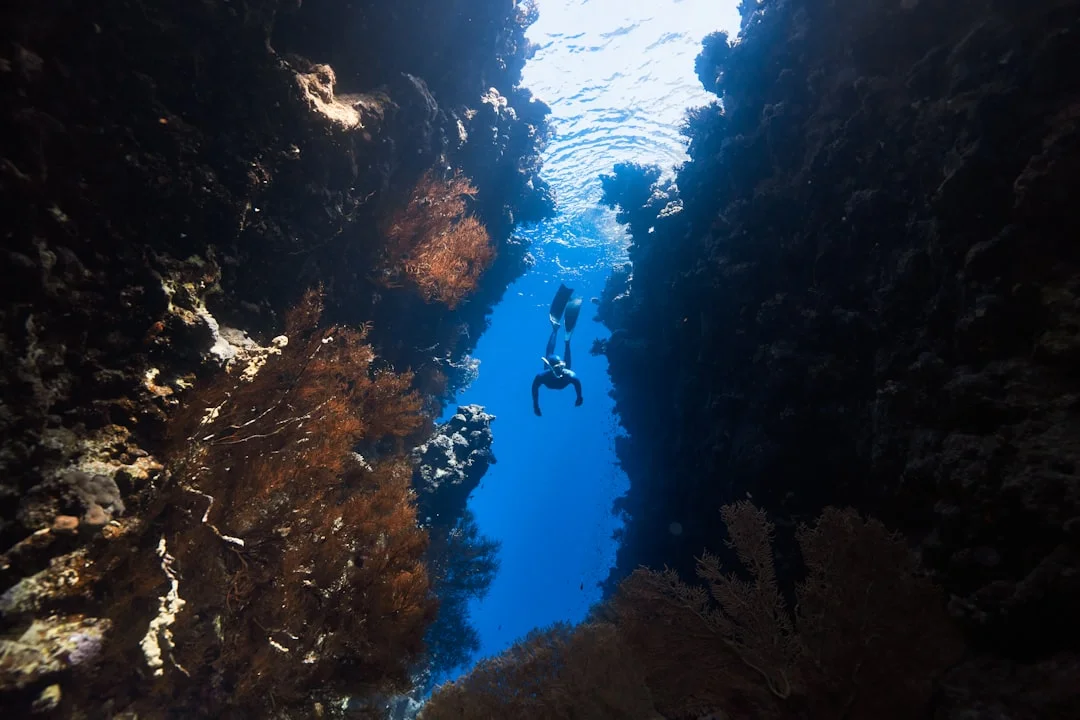 Dahab’s dramatic drop-offs attract divers and freedivers alike.