Quick Summary: If your goal is to book a snorkeling-first stay (not just a cheap all-inclusive), pick a Red Sea house-reef resort where you can step off a jetty and hit real coral without paying for daily boat trips. This guide compares Hurghada vs Makadi Bay (plus Sahl Hasheesh and Soma Bay), then gives the practical stuff that impacts your booking: jetty rules, wind closures, transfer pricing, and what gear to buy vs rent.
| Feature | Makadi Bay | Sahl Hasheesh | Hurghada (City) | Soma Bay |
|---|---|---|---|---|
| Typical 2025 nightly price (2 adults, AI) | ~€110–€220 | ~€140–€280 | ~€70–€160 | ~€180–€350 |
| Vibe | Resort-only, quiet nights | Upscale, curated | Busy, practical | Athletic/upmarket |
| Crowd level | Medium | Low–Medium | High | Low |
| House reef reliability | High | Medium–High | Low–Medium | High (property-dependent) |
| Best for | Snorkelers who want 2–3 reef sessions/day | Couples who want calm + comfort + decent reef | Budget travelers who will do boat trips | Travelers who’ll snorkel + kite/dive |
If you’re booking the best snorkeling hotels Hurghada travelers actually rave about, here’s the truth: the “wow” isn’t the infinity pool—it’s the moment you step off a Red Sea house reef jetty and the water turns electric blue over coral gardens. This guide focuses on Makadi Bay snorkeling hotels and the top Hurghada-area resort zones where the reef is not a marketing line—it’s the main event, with practical, booking-minded tactics to maximize snorkel time without paying for unnecessary boat trips.
Why This Guide Exists
Most “house reef hotel” listings don’t tell you the stuff that actually decides whether you’ll snorkel twice a day or give up after one frustrating session: whether the jetty drops into deep water, whether lifeguards close access in wind, and whether you’ll get funneled into paid excursions because the “reef” is really a sand flat. If you’re choosing between Makadi and town-based Hurghada stays, it helps to understand the real trade-off between on-reef convenience and city logistics (SIMs, pharmacies, restaurants), which we cover more bluntly in Makadi Bay vs Hurghada: pick your Red Sea base and Hurghada safety & logistics (airport, taxis, SIMs).
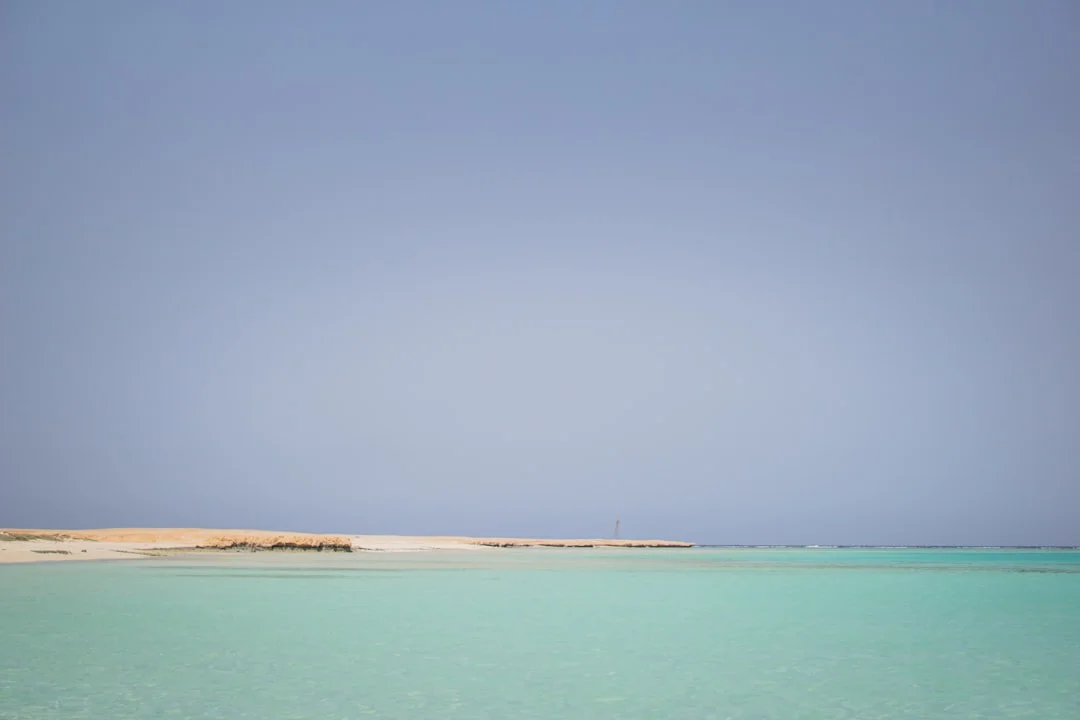
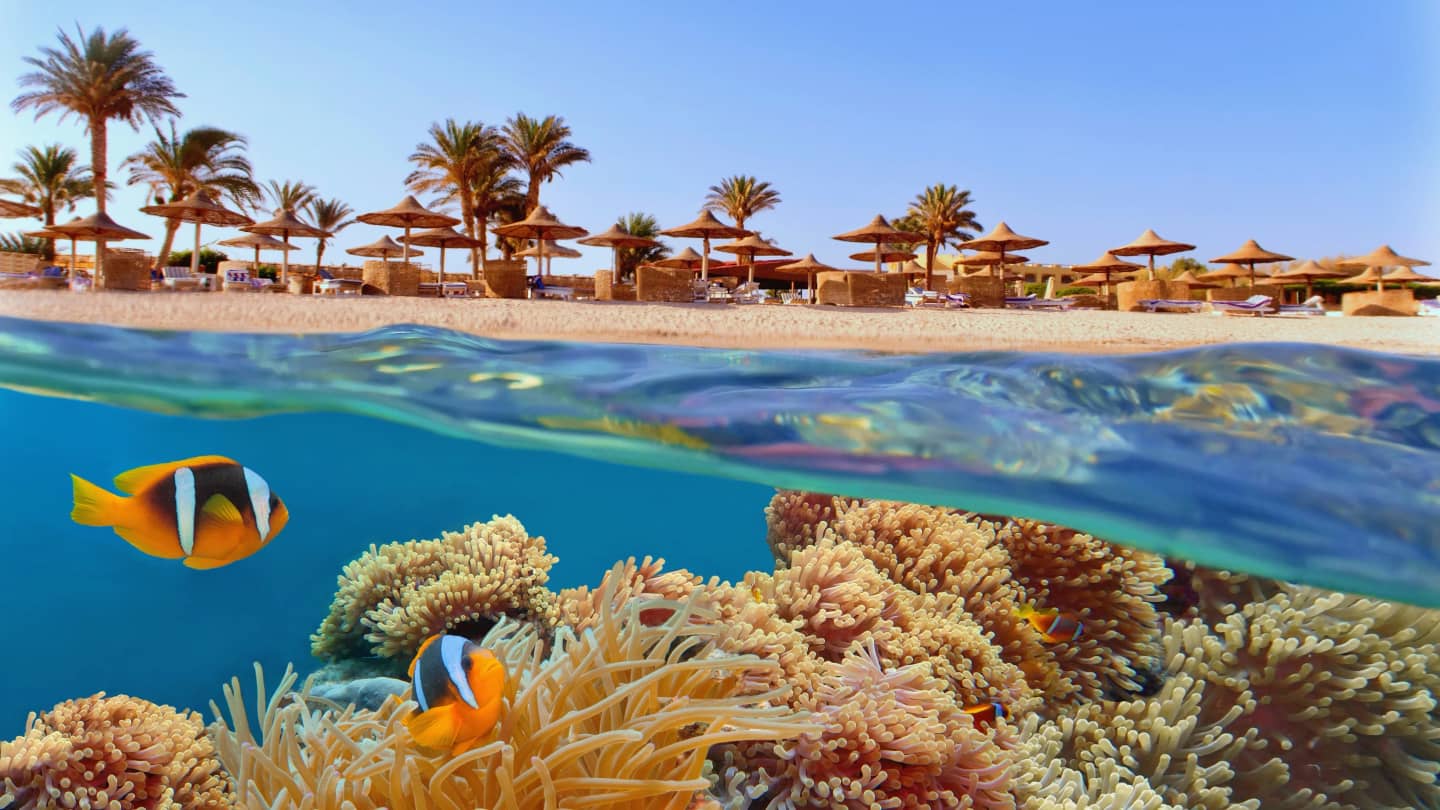
A “house reef hotel” on the Red Sea usually means one of three setups: (1) jetty access over shallow coral (often the best coral and the safest entry in waves), (2) lagoon + reef edge (easy practice water, but you may swim farther for coral), or (3) mostly beach entry (fine on calm days, rough on windier days and low tide).
The Landscape & Context
Think of the Hurghada region as a string of resort zones running south: the city core (busy, convenient), then cleaner resort bubbles like Sahl Hasheesh, then Makadi Bay (snorkel-first shoreline for many travelers), and farther down Soma Bay (often premium and sport-oriented). If your trip includes Giftun/Orange Bay island time, your base affects how easy it is to book boat days versus relying on your hotel reef—Routri breaks this down in Hurghada by water: Giftun reefs and Orange Bay guide and Orange Bay day trips: what to expect.
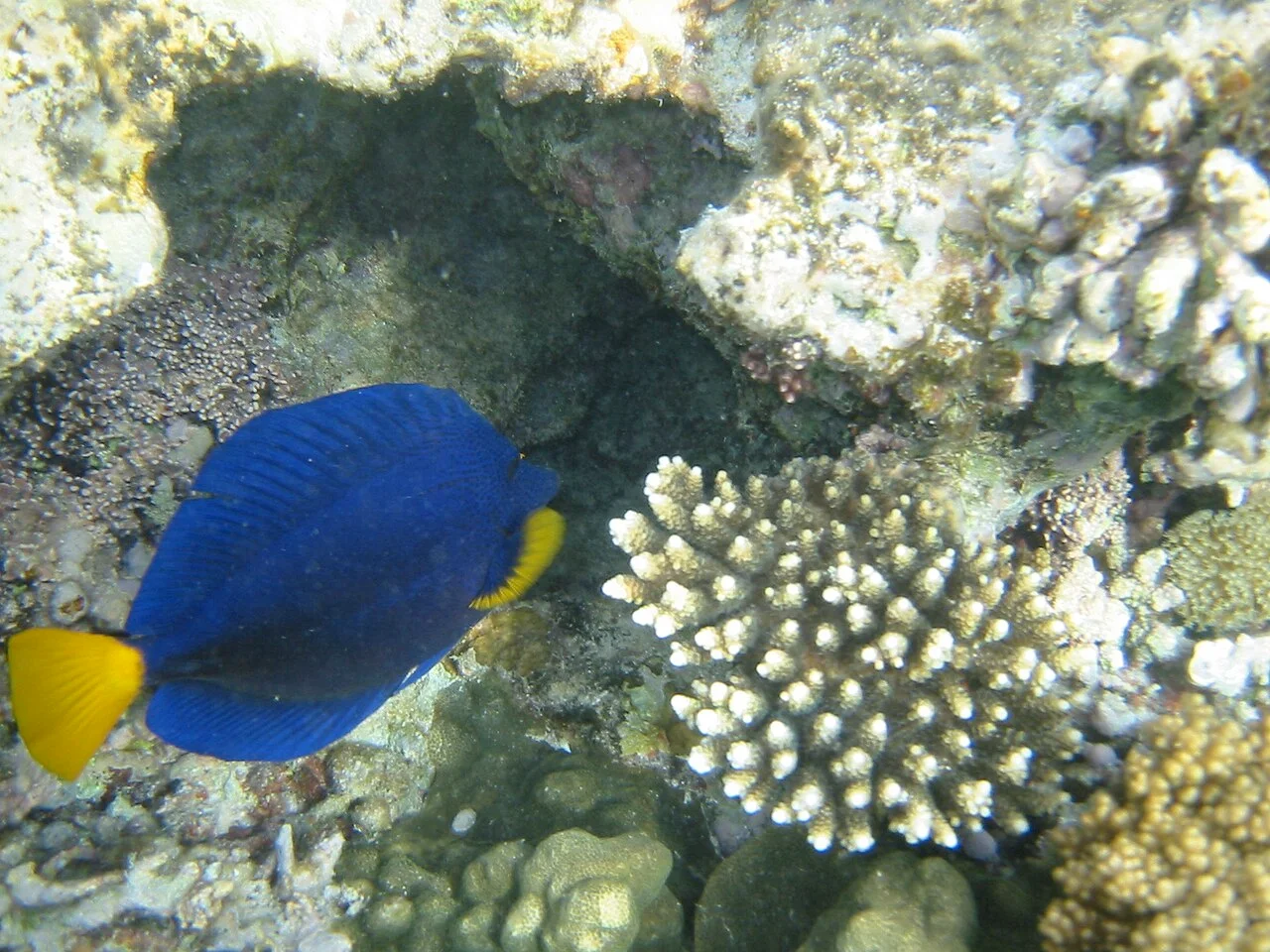
Brutal honesty: a “Hurghada hotel” label doesn’t guarantee any coral at all. Many waterfronts near the city are sandy or dredged. That’s why the best snorkeling hotels Hurghada are often not in central Hurghada; they’re south, where reefs are protected and jetties are common.
Part 2: The Options (Comparison)
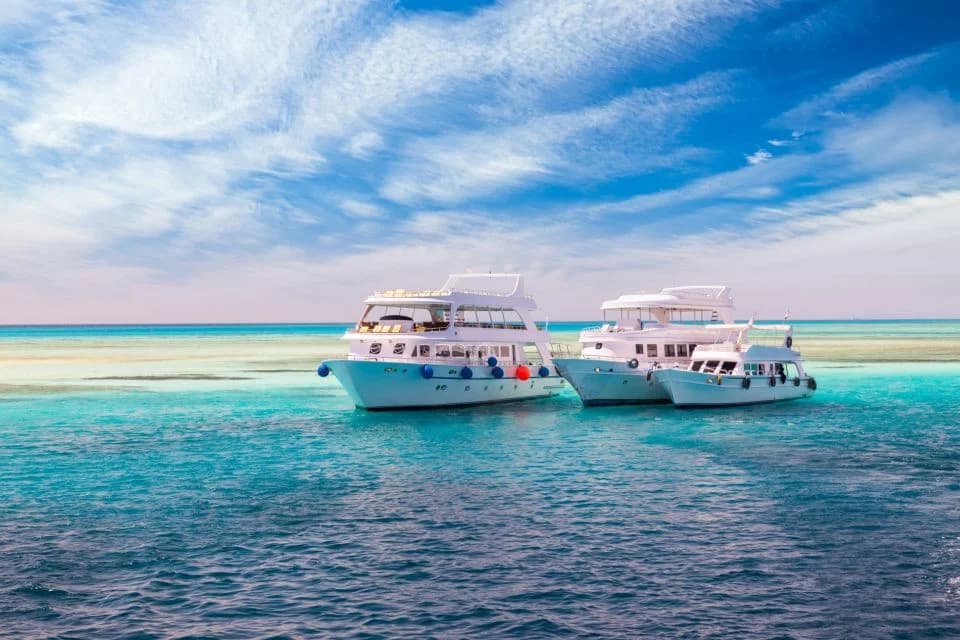
Here’s what matters for a transactional traveler: reef quality, access (jetty vs beach), crowd pressure at the ladder, and hidden costs (mandatory wristbands, marina fees, gear rental markups, and “guided snorkel” upsells). If you’re also considering a day-boat as a backup plan, compare your hotel reef vs a shared tour like a full-day Red Sea snorkeling boat trip from Hurghada or a more island-heavy itinerary like the Hurghada 6 islands snorkelling & dolphin trip.
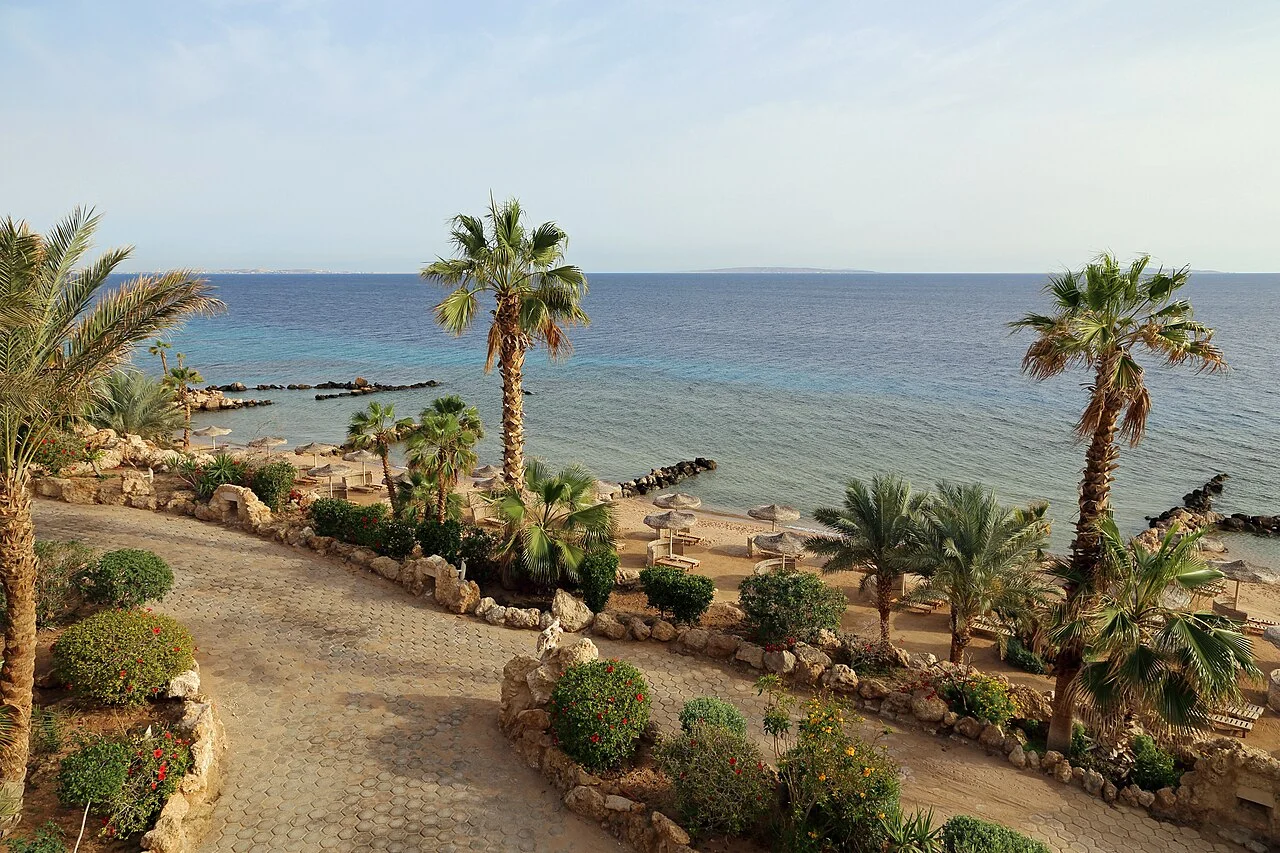
Makadi Bay house-reef resorts (why they dominate for snorkelers)
- Pros: Reef-first coastline; many properties have a reef shelf close enough for 60–120 minute sessions without a boat. Less city churn and fewer random beach vendors than central Hurghada. Easy to do morning + late-afternoon snorkels because you’re not commuting. For planning context, see Makadi Bay snorkeling: calm reefs near Hurghada.
- Cons: Jetty rules (restricted hours, buddy system, lifeguards stopping access in higher wind). Shallow coral means strict entry—ignore jetty-only zones and you’ll cut your feet and damage coral. Transfers can cost more than you think if you don’t fix the total up front.
Hurghada (city / near marina) snorkeling hotels
- Pros: Convenience for non-snorkel days (restaurants, pharmacies, SIM cards, cheap eats, marina vibe). More choice at lower prices, especially shoulder season.
- Cons: House reef is hit-or-miss; many properties sit on sandy/dredged waterfront, so decent snorkeling often means booking a boat to Giftun/Orange Bay (use Hurghada boat tours guide: Giftun and Orange Bay tips to avoid paying twice for the same day). Expect more sales pressure for tours, massages, and “VIP snorkeling packages.”
Sahl Hasheesh and Soma Bay (often better reefs, often higher price)
- Pros: Cleaner, calmer resort zones; generally more controlled and upscale. Some excellent reef access (property-dependent) with strong coral structure and fish density.
- Cons: Price premium: sometimes you’re paying for branding rather than reef. Fewer budget workarounds for gear and transfers due to less street-level competition.
Part 3: The Logistics (How to Do It Right)
A real house-reef day has a rhythm: early entry when the surface is calmer, a break when the sun is brutal, then a second dip when light angles go gold—but wind can shut that down. You step onto a sun-warmed jetty, taste salt in the wind, and the water below flips from turquoise to cobalt over coral tables; then reality shows up as wind chop, current, and mask leaks. If you want the zero-drama version of arrival day, pre-booking the ride is usually cheaper than airport curb chaos—see Hurghada airport transfer (HRG to Makadi/Soma/El Gouna) or reliable private airport transfer in Hurghada.
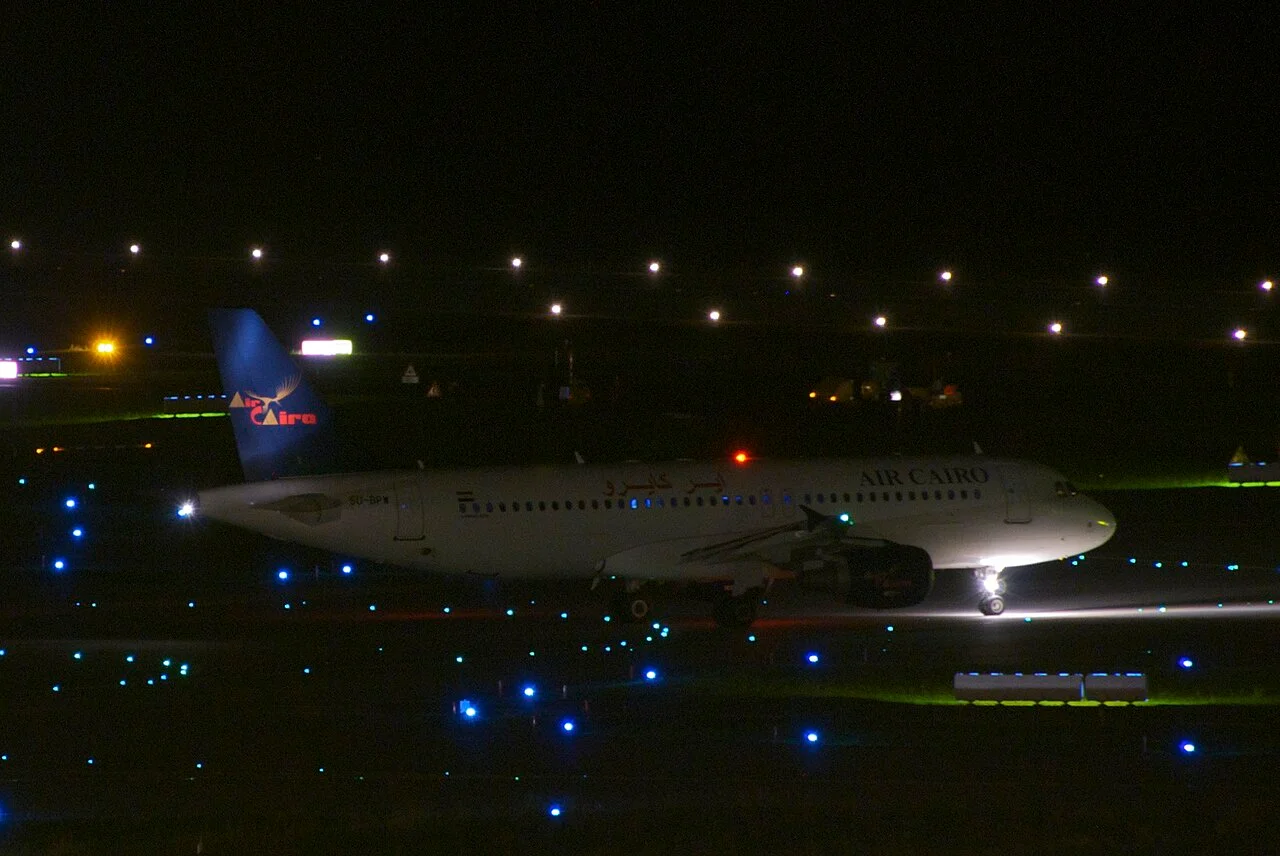
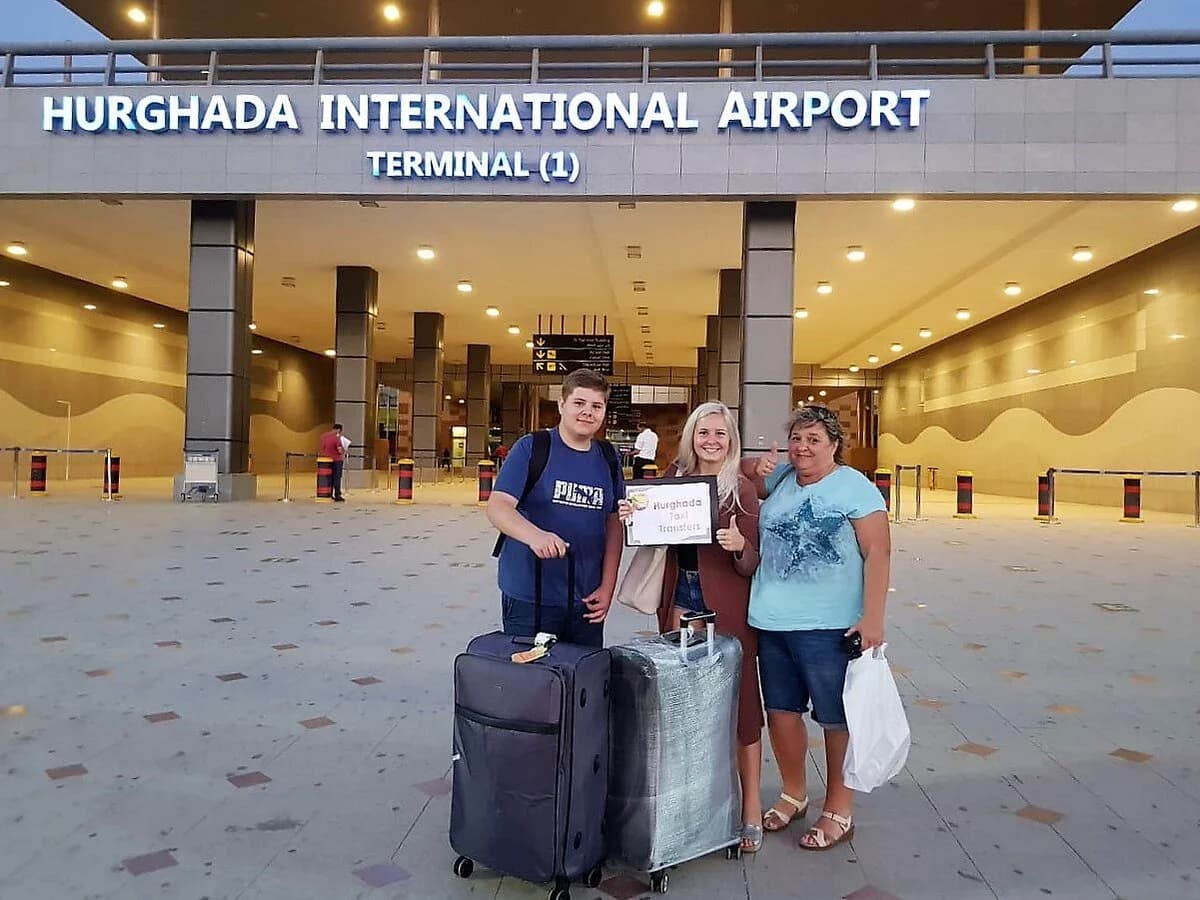
Arriving via Hurghada International Airport (HRG)
- Typical transfer time: HRG → Makadi Bay: ~30–40 minutes in normal traffic.
- Taxi/transfer pricing reality (2025 planning figures): A commonly advertised fixed transfer rate for Hurghada Airport → Makadi Bay is €25 per car (sedan) or €30 for a minivan via a local private transfer operator. Other published planning ranges for the same corridor often show $12–$20 (low end) up to $20–$30 depending on distance and negotiation context (airport vs city pickup).
- Important: Airport curb taxis may start with inflated “tourist opening prices,” especially late arrivals or lots of luggage. Your leverage is agreeing the total before you enter the car.
Public transport (brutally honest)
If your goal is a house-reef resort stay, public transport is usually false economy: you save some cash, lose hours, arrive stressed, and still pay last-mile taxi markups. Resort zones aren’t designed for easy bus access with luggage. Practical strategy: book one fixed transfer (airport → hotel) and then use short pre-agreed taxis only when you leave the resort.
Best time of day for house reef snorkeling
- Early morning (08:00–10:30): typically calmer surface, clearer viewing, less ladder chaos at jetty entry.
- Late afternoon (15:30–17:00): beautiful light angles, but watch wind picking up and lifeguards closing access.
Seasonal conditions (what actually changes)
Two things matter more than almost anything: (1) sea temperature (comfort, wetsuit needs, how long you’ll stay in) and (2) wind (surface chop, current, and whether jetties get closed). Wind is discussed in kite terms for a reason: one local wind overview describes a typical band of 15–25 knots during the broader windy period (commonly March–November, stronger April–October). Sea temperatures around Hurghada stay swimmable year-round, commonly summarized as: Winter ~22–24°C, Spring ~23–25°C, Summer ~27–29°C, Autumn ~25–27°C.
| Season | Typical sea temp (°C) | Typical wind (knots) | Snorkel comfort | Visibility feel | What to pack | Logistics notes |
|---|---|---|---|---|---|---|
| Winter (Dec–Feb) | ~22–24°C | Often 12–20 kn (can spike) | Cool after 30–45 min | Often very clear | 3mm wetsuit or vest, hood optional | Some days jetties close if wind/chop rises |
| Spring (Mar–May) | ~23–25°C | ~15–25 kn common | Great with thin suit | Clear, sometimes planktony | Rashguard, fins, defog | Wind can make surface tiring—go early |
| Summer (Jun–Aug) | ~27–29°C | 12–22 kn | Long sessions easy | Can vary; heat haze topside | UPF top, hydration, reef-safe sunscreen | Heat is the enemy; plan 2 shorter snorkels |
| Autumn (Sep–Nov) | ~25–27°C | 12–22 kn (can be breezy) | Excellent | Often excellent | Standard snorkel kit | Shoulder season value; reefs feel less crowded |
Insider Tips & Scams to Avoid
You can spot a fake “house reef” before you pay: if the property only shows beach shots and never shows a jetty with deep water at the end, assume you’re buying sand and marketing. If you’re planning an island day anyway, read the pricing/crowd reality first (so you don’t get upsold at the lobby desk) using Orange Bay timing: Instagram vs reality.
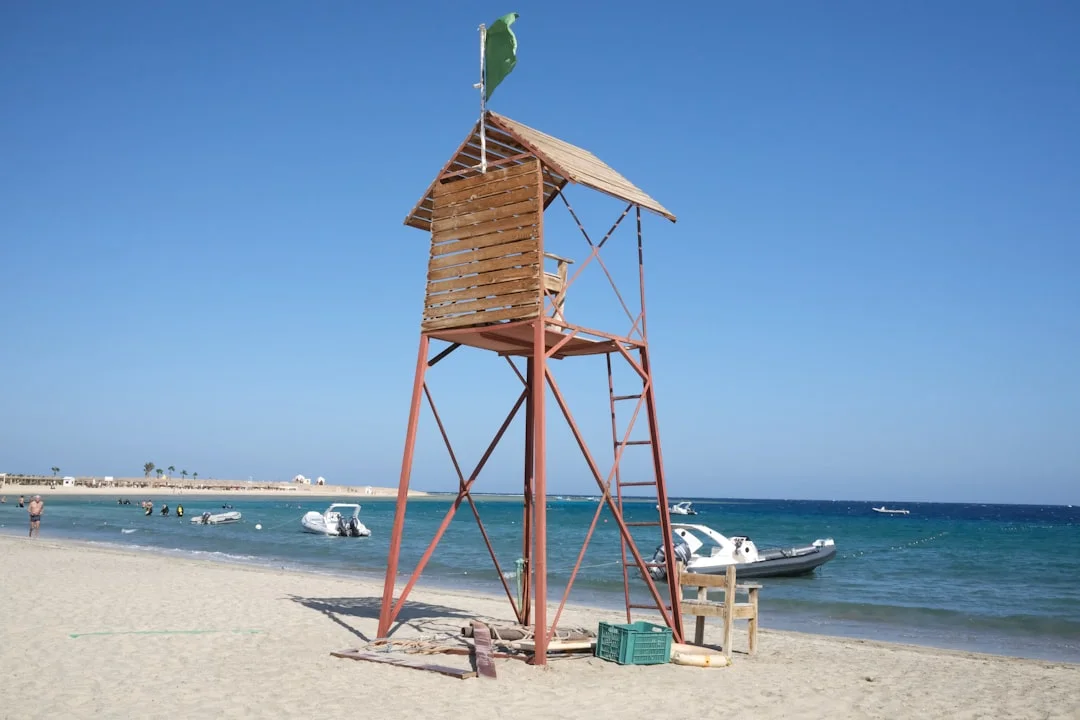
1) The “house reef” that’s actually a sand flat
- Some hotels mean “there is a reef somewhere offshore” that you reach only by paid boat shuttle or a long, unpleasant swim.
- Before booking: look for jetty photos showing deep water at the end (not ankle-deep), and guest reviews mentioning coral directly off the jetty (not “we booked a boat”).
2) Gear rental markups and “mandatory guide” pressure
- On-resort dive centers often charge premium rates for snorkel sets and may push guided sessions even if you’re competent.
- If you snorkel daily, buying your own mask/snorkel can be cheaper than repeated rentals; if you need fins, negotiate multi-day.
- Use Routri’s checklists for what’s worth owning: essential snorkeling gear for Red Sea reefs and what to pack for Red Sea snorkel + sun.
3) Taxi haggling games (especially at airports)
- Common tricks: “price is per person” after agreeing a total; “to the gate only” then extra; “ATM not working—pay in euros only” at a bad rate.
- Counter: fix the total + currency + drop-off point before loading bags; keep small notes so you can pay exact. For more ground rules, see Uber vs Careem vs taxis in Hurghada.
4) Excursion add-ons that quietly double the price
- A “cheap” snorkel trip can get padded with marine park/entry/environmental fees, photo package pressure, “VIP seating,” and transfer surcharges if you’re outside the city.
- Ask yourself: are you buying a boat day because your hotel reef is weak, or because you want island beach time?
5) The coral-killer behavior you’ll see (don’t copy it)
- You will see people stand on coral to adjust their mask and fins scraping the reef. Apart from being unethical, it’s how people get injured (cuts, infections, sea urchins).
Safety & Ethics
This isn’t fear-mongering. It’s basic survival for a place where wind chop can turn your mask into a leaky nuisance and current can make the swim back feel like a workout: use the jetty ladder (don’t jump if waves push you into structure), follow a buddy rule even in calm lagoons, and angle diagonally toward the exit if you’re drifting fast. Red Sea sun cooks the back of your legs—UPF clothing beats relying on sunscreen alone. For a practical kit list that matches these conditions, use Hurghada boat excursion packing list.
- Ethics that matter: no touching coral, no standing, no shell “souvenirs.” Keep distance from turtles/rays—if you chase them, they leave.
- Health reality check: cuts from coral and rocks can get infected fast. Clean immediately, disinfect, and don’t “wait it out” if redness spreads.
Booking & Logistics
Your commercial goal is simple: book the right hotel so you don’t waste money fixing a weak reef with extra tours, then add optional boat days and gear rentals only if you still want variety. If you want a guaranteed boat day (instead of being forced into one), you can compare options like a Hurghada Red Sea snorkeling day trip by boat or a wildlife-leaning option like the Dolphin House snorkel tour with lunch; for transfers, lock in a fixed ride with Hurghada airport transfer. For gear, don’t rent blindly at the first dive desk you see—use Routri’s gear guidance to decide what to own vs rent: snorkeling gear essentials.
Step 1: Pick the zone based on your snorkeling priority
- If snorkeling is the main reason you’re coming: prioritize Makadi Bay snorkeling hotels first, then select Sahl Hasheesh/Soma Bay properties.
- If you want city life and will accept boat trips: Hurghada city hotels can work.
Step 2: Filter hotels using reef-specific criteria (not star ratings)
- Jetty access (and whether it’s open all day)
- Reef described as “house reef” in multiple guest reviews
- On-site dive center (often a signal the reef is used daily)
- Lagoon for practice + reef edge for real coral
Step 3: Budget like a pro (hotel + real snorkeling costs)
Even with a strong house reef, many travelers still do at least one island day. Published 2025 pricing examples for Hurghada-area snorkeling day trips show a wide spread:
- Shared Giftun/Orange Bay style trips advertised from ~€17.50 on some sellers (often basic/shared format).
- Mainstream tour platforms commonly show $23–$60 per adult, depending on inclusions and branding.
- A 2025 “what excursions cost” summary puts island snorkeling commonly at $20–$60 shared, with private options $120+.
Step 4: The “Pay Cash on Arrival” approach (when it helps, when it doesn’t)
- When it helps: you want flexibility, to negotiate upgrades after seeing room blocks, and to avoid card holds/exchange-rate surprises/refund delays.
- When it backfires: peak season (reef-facing blocks sell out), some promos require prepayment, and late arrivals reduce negotiation power.
- Cash best practices: bring small notes to pay exact; get written confirmation of room type, meal plan, and whether reef/jetty access is included.
- Transfers: agree a fixed total first. Published examples for HRG → Makadi Bay include €25 sedan / €30 minivan via a private transfer operator listing.
Step 5: Gear rentals (affiliate-friendly but actually useful)
- Best spend if snorkeling daily: mask that fits your face (no leaks = longer sessions), anti-fog solution (or baby shampoo workaround), fins for wind/current days, dry bag + phone lanyard for jetty walks.
- Renting can make sense for: fins (bulk), and a shorty wetsuit in winter.
FAQs
These are the booking questions that decide whether you get a true Red Sea house reef experience or end up paying for boats because your “reef” is a sand flat.
What are the best snorkeling hotels Hurghada travelers should book if they want a real house reef?
The strongest picks are usually not in central Hurghada city—they’re in resort zones south of town where reefs are protected and accessed by jetties. Prioritize properties that show clear jetty access and repeated guest mentions of coral directly off the hotel (not “we booked a boat”). If you want a backup plan for weak house reefs, compare Hurghada snorkeling boat day trips before you arrive so you know the normal inclusions.
Are Makadi Bay snorkeling hotels better than Hurghada city hotels for beginners?
Often yes. Many Makadi resorts combine calmer lagoon water (practice) with a reef edge (real coral), and jetty ladders reduce the need to walk on sharp shallows. Use Makadi Bay snorkeling as a baseline for what “easy first dips” should look like.
What exactly is a Red Sea house reef, and how do I know it’s not just marketing?
A true house reef means you can snorkel from the hotel (usually via a jetty) and see living coral and fish without booking a boat. Proof signals: jetty photos with deep water at the end, an on-site dive center, and guest reviews describing repeated snorkeling sessions from the hotel.
How much is a taxi from Hurghada Airport to Makadi Bay in 2025?
Published fixed-rate examples show €25 per sedan or €30 for a minivan for HRG → Makadi Bay via a transfer operator listing. Other published planning ranges often show roughly $12–$30 depending on negotiation and pickup point. If you want to remove the negotiation variable, use a pre-booked option like Hurghada airport transfer.
What’s the best season for house reef snorkeling around Hurghada and Makadi Bay?
For many travelers, autumn and late spring are the sweet spot: warm-enough water, strong visibility, and fewer extremes. Wind can be a factor in the broader March–November period, with commonly cited averages around 15–25 knots in the main windy season context.
How warm is the water for snorkeling—do I need a wetsuit?
Seasonal sea temperature summaries for Hurghada commonly cite about 22–24°C in winter and 27–29°C in summer. If you get cold easily, a 3mm shorty in winter turns “30 minutes and done” into longer sessions.
Is it worth booking a Giftun/Orange Bay snorkeling tour if my hotel has a house reef?
Sometimes yes—for variety, island beach time, and different coral topography. 2025 listings show a wide range: from ~€17.50 on some sellers for shared trips up to more common platform pricing around $23–$60+ depending on inclusions. If you’re choosing purely for beach-club time vs reef time, compare Orange Bay vs Paradise Island.
Should I book my resort online or use a Pay Cash on Arrival deal?
If you’re traveling shoulder season and value flexibility, Pay Cash on Arrival can help you negotiate room location and avoid refund hassles. In peak season, prebooking is often safer to lock in reef-adjacent room blocks and avoid “only the back building is left” surprises.
Bottom line: if snorkeling is the point of your trip, don’t let the booking decision be driven by pool photos. Lock in a real jetty-access house reef first, plan your dips around 08:00–10:30 and 15:30–17:00, and treat wind as the switch that decides whether you’re snorkeling today—or watching the water from the bar.
Further Reading on Routri:
- Makadi Bay snorkeling: calm reefs near Hurghada
- Makadi Bay vs Hurghada: pick your 2025 Red Sea base
- Orange Bay day trips from Hurghada: what to expect
- Hurghada boat tours guide: Giftun and Orange Bay tips
- Hurghada airport transfer (HRG to Makadi/Soma/El Gouna)
- Essential snorkeling gear for Red Sea coral reef trips