Red Sea Snorkeling Gear Essentials: Pack Smart, See More, Protect the Reef
Quick Summary: Choose low‑volume masks, short or full‑foot fins that fit, UPF layers, and a light snorkel vest. Pack for glare, wind, and ladders—opt for reef‑safe habits that boost comfort, conserve energy, and keep Egypt’s coral gardens thriving.
The Red Sea rewards good gear choices: crystalline visibility (often 20–30 m), brisk afternoon winds, and jetty ladder entries shape how you pack. Opt for a mask you know, fins that match your kicking style, and sun‑smart layers. The payoff is longer, easier swims—without scuffing coral or fighting currents.
What Makes This Experience Unique
Egypt’s Red Sea mixes gin‑clear water with lively reef edges and seasonal wind. That means a low‑volume tempered‑glass mask to cut glare, semi‑dry or purge‑valve snorkel for choppy days, and fins you can control in light current. A UPF 50 rash guard beats sunscreen alone, and a thin vest boosts confidence without bulk.
Where to Do It
Ras Mohammed’s drop‑offs near Sharm reward strong fin control and relaxed trim—consider a small‑group day boat or private guide for best entry points and timingRas Mohammed National Park private snorkeling tour. In Sinai, Blue Hole combines iconic scenery with laddered entries; dialed‑in gear reduces fuss at the surfaceBlue Hole day trip. For mellow days, Dahab’s house reefs offer easy access and warm community vibesDahab travel guide.
Best Time / Conditions
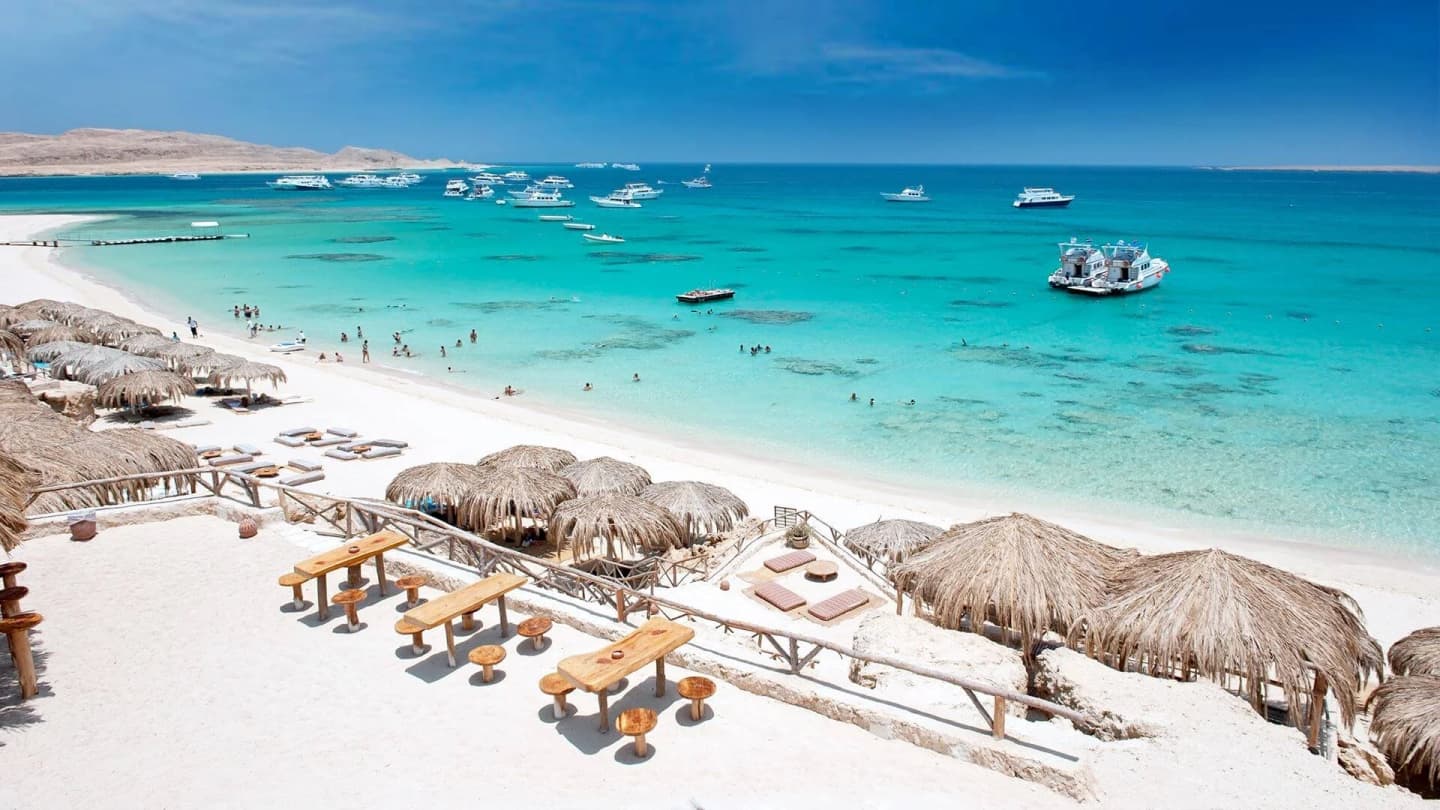
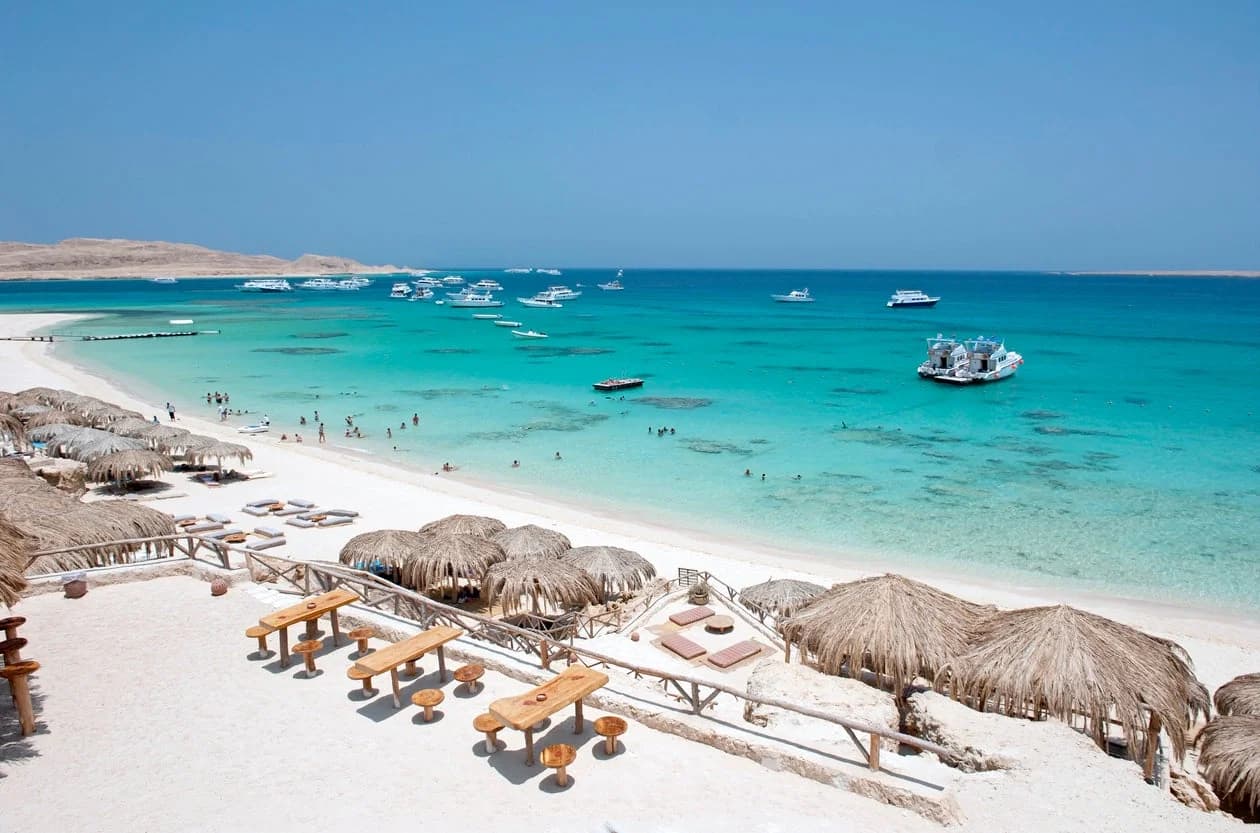
Mornings are calmer across Hurghada, Sharm, and Marsa Alam; winds often rise by afternoon. Expect sea temperatures around 27–29°C in late summer, easing to roughly 22–24°C in mid‑winter. Shoulder seasons (spring and autumn) balance warmth and visibility. Patch reefs typically sit in 2–8 m, perfect for long, low‑effort drifts with minimal kicks.
What to Expect
Most boats tie to fixed moorings; you’ll kit up on deck, step down a ladder, then float to the guide. Brief currents along reef spurs help you glide. From Sharm, Ras Mohammed is roughly a 30‑minute ride; sessions average 30–45 minutes. Keep hands tucked, fins up, and camera clips secured to avoid accidental coral contact.
Who This Is For
Beginners gain comfort with a familiar mask, short fins, and a lightweight snorkel vest for extra buoyancy. Confident swimmers can step up to longer full‑foot fins for efficient, slow kicks on wall edges. Photographers should add a red filter and lanyard. Families win with UPF layers, anti‑fog drops, and clear rules about not standing on the reef.
Booking & Logistics
Fit your mask before travel; rentals vary in past wear. Pack a mesh bag, defog, and a microfiber towel. Choose small‑group boats with guides who brief entry/exit and wildlife etiquette. Jetty entries are common; booties help on rocky steps. For Sinai wall days, guided routes minimize current exposure and maximize coral life viewing along protected faces.
Sustainable Practices
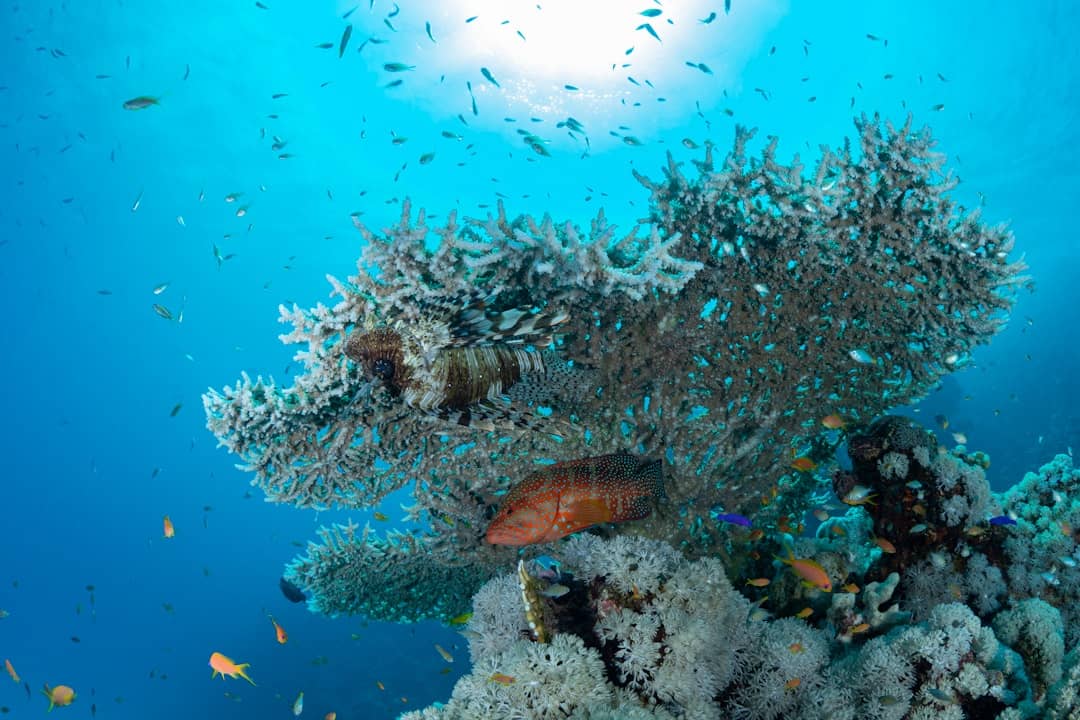
Reef‑safe mineral sunscreen, long sleeves, and snug fins prevent contact and chemical runoff. Practice neutral, horizontal trim—with slow, compact kicks—to keep blades clear of coral. Never chase, feed, or flash wildlife; ethical in‑water encounters enhance safety and behavior for dolphins and turtlesethical wildlife encounters guide. Choose operators using fixed moorings and clear conservation briefings.
FAQs
Red Sea conditions are forgiving when you prepare. Crystal clarity magnifies any mask leak or fin rub, so prioritize fit. Expect ladders, light surface chop, and hull shade breaks between sessions. A slim vest helps you relax and breathe slowly. Stable trim and careful kicks mean less effort—and more reef time without fatigue.
Should I bring my own mask and fins, or rent?
Bring your own low‑volume mask; a perfect seal prevents wasted energy from clearing. For fins, short travel or medium full‑foot models are ideal if they fit well. Rentals are fine as backups, but test them on the boat—no wobble at the heel, no toe pinch, and a kick you can sustain slowly.
Are full‑face snorkel masks safe in the Red Sea?
They’re comfortable for casual surface viewing, but they trap more air, complicate equalization and clearing. In light chop or mild current, a traditional mask with a simple J‑tube or semi‑dry snorkel is safer and more controllable. If you use full‑face models, stick to calm, supervised conditions and monitor comfort, breathing, and fit carefully.
What wetsuit or layers do I need?
Most snorkelers thrive with UPF 50 long sleeves year‑round; in cooler months, add a 2–3 mm shorty or leggings. Warmth equals stamina—you’ll float, breathe slower, and fin less. In peak summer, a thin rash guard prevents sun fatigue. Always pair layers with a snug vest if you want effortless surface rest breaks.
Pack light, think hydrodynamic, and let the Red Sea’s visibility do the work. For bigger‑picture reef context, see the Red Sea Coral Reef Report 2025 and how travelers can help safeguard these habitatsRed Sea Coral Reef Report 2025. Planning across regions? Start with our Red Sea Destinations guide for house reefs, wall dives, and easy boat daysRed Sea Destinations.