What to Pack for a Red Sea Holiday: An Eco‑Smart, Culture‑Ready Checklist
Quick Summary: Bring a well-fitted mask/snorkel, short fins or booties, UPF 50+ rash guard, non‑nano mineral sunscreen, lightweight modest layers, a 10–20L dry bag, and refillable bottle. Expect 20–40m visibility, 21–30°C sea temps, and strong sun. Pack to protect your skin, the reef, and local culture.
Morning light skims the Red Sea as diving experiences boats idle at the marina, cool boxes thumping aboard. It’s the moment you realize a stress-free day depends on what you packed: a fog-free mask, a rash guard that spares your skin (and the reef), and light layers that feel natural on deck and respectful in town.
What Makes This Experience Unique
The Red Sea combines world-class visibility (often 20–40 meters) with shorelines where resort life meets conservative local culture. Packing here is about dual readiness: underwater freedom and onshore ease. Choosing reef-safe sun care, UPF clothing, and reusable kit helps you stay comfortable while actively protecting corals and reducing boat‑day plastic.
Where to Do It
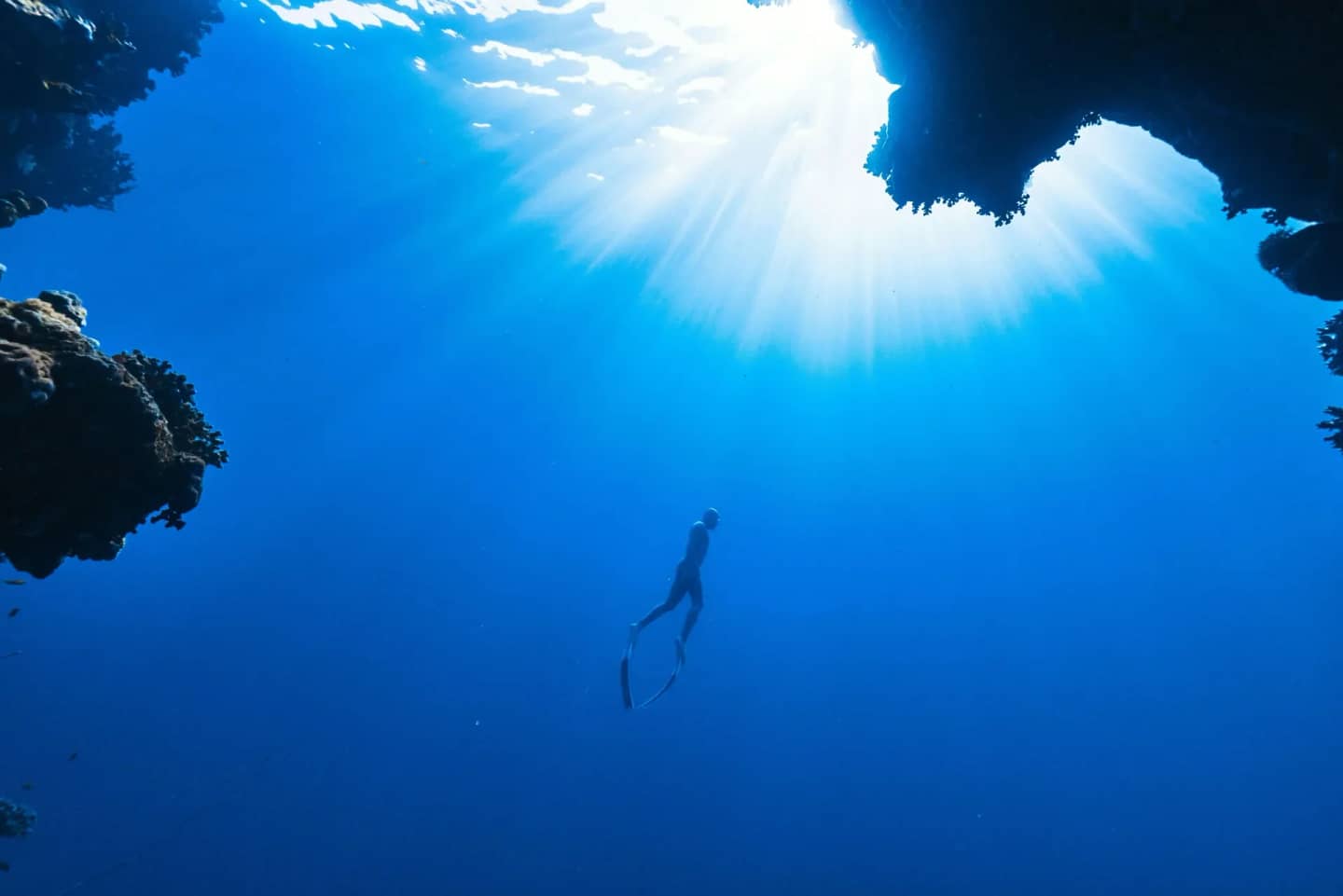
. In Sharm El Sheikh, Ras Mohammed and the Straits of Tiran deliver dramatic drop‑offs and drift snorkeling tours. Dahab’s Blue Hole draws freediving experiencesrs and experienced scuba, while El Gouna blends marinas, lagoons, and easy launch points for mellow days.Best Time / Conditions
Expect sea temperatures of roughly 21–23°C in winter, rising to 28–30°C in late summer. Shoulder seasons (April–June, September–November) balance warm water with calmer winds. UV is intense year‑round (often index 9–11 midday), so prioritize UPF 50+ gear and broad‑brim sun hats. Winter breezes make a light windbreaker useful on fast transfers.
What to Expect
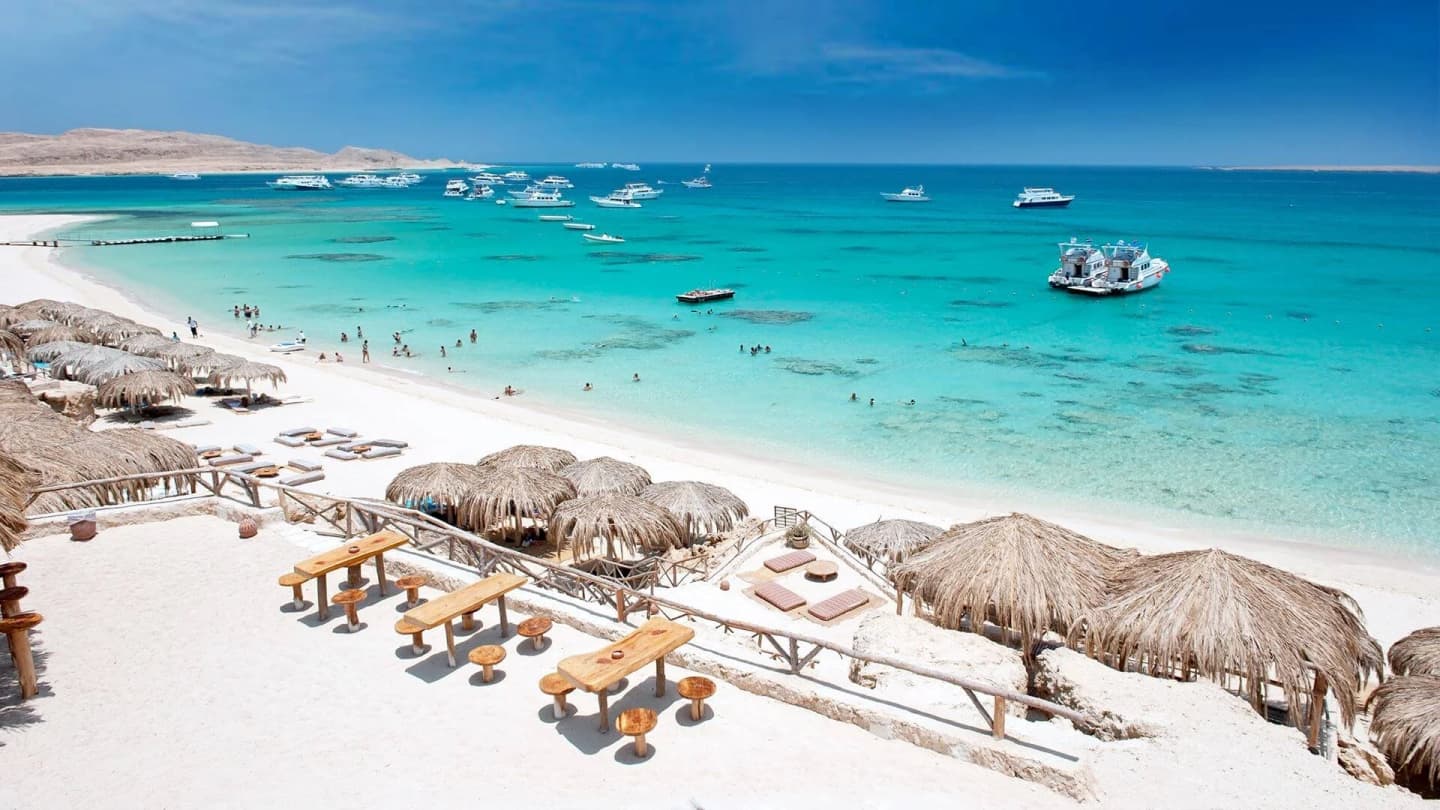
and Hurghada’s Giftun lagoons.Who This Is For
Snorkel-first travelers who want zero-fuss boat days. diving experiencesrs who prefer bringing a perfectly fitted mask, computer, and SMB. Families needing sun coverage, electrolyte sachets, and compact gear that kids can manage. Underwater photographers who pack defog, lens cloths, and a spare O‑ring. Culture‑curious visitors who want outfits that move easily from marina to mosque.
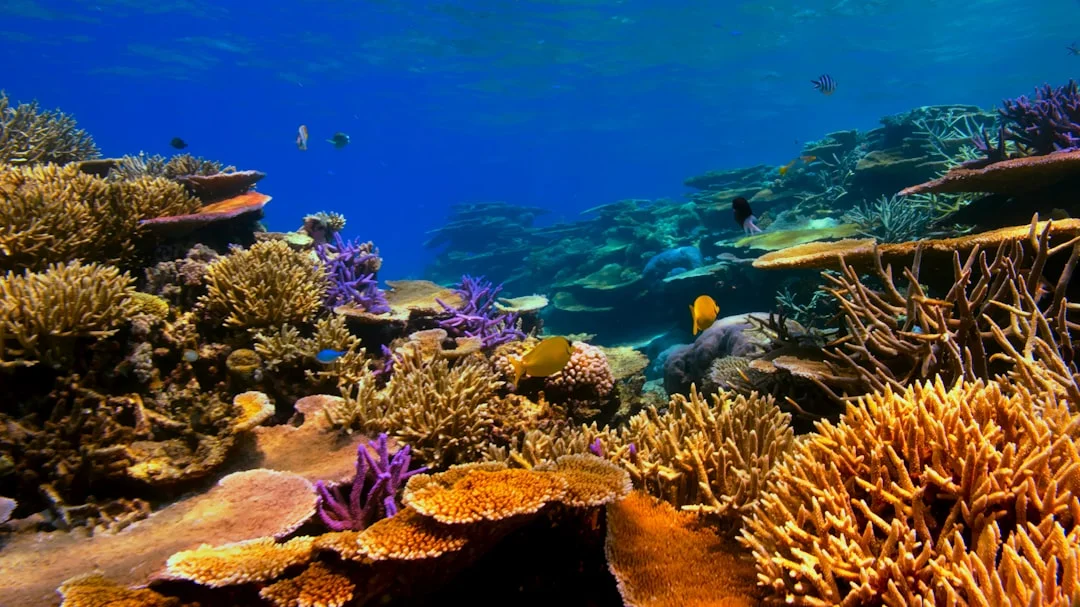 Sharm El Sheikh"
 Booking & Logistics
Bring your own low‑volume mask and snorkel to avoid leaks and waste; rent fins locally if needed. Pack motion‑sickness bands or medication for choppier crossings (45–90 minutes to Ras Mohammed). Egypt’s power is 220V (Type C/F). An eSIM and small cash for tips help on busy marinas. Confirm if park fees and rental gear are included before sailing.
Sustainable Practices
.FAQs
This checklist focuses on the realities of Red Sea days: bright sun, boat ladders, national park rules, and respectful town strolls after the sail. The goal is a light, durable kit that covers sun, skin, and culture—so you can relax into the reefs, explore markets comfortably, and leave nothing but bubbles.
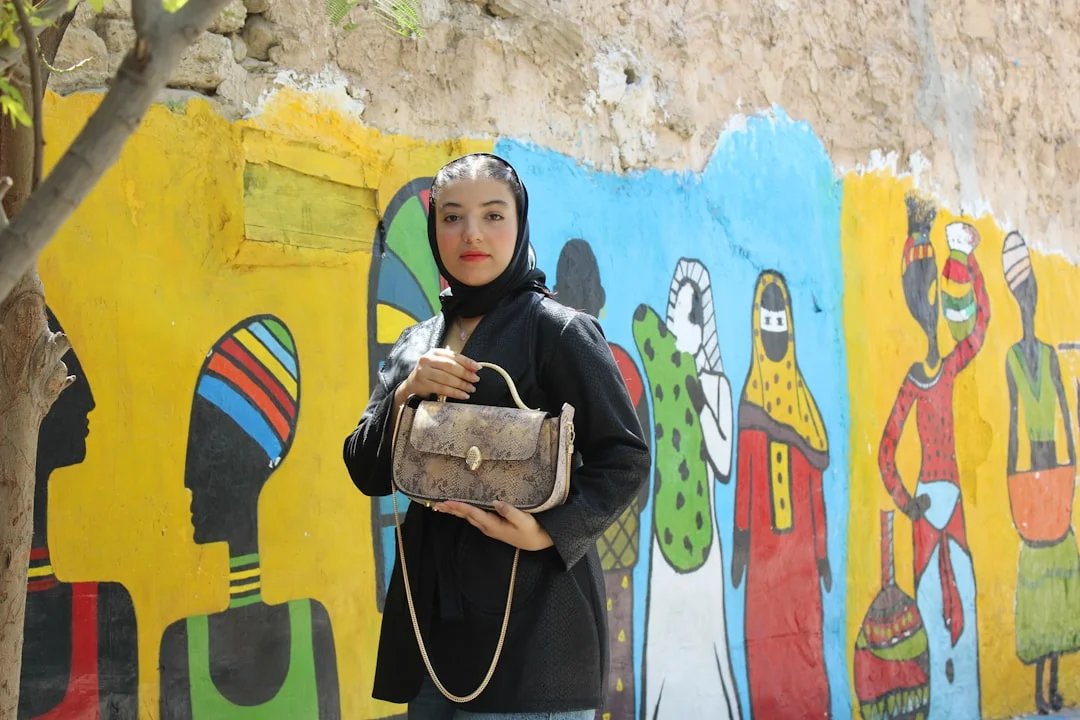 El Gouna at sunset"
 Do I need a wetsuit, or is a rash guard enough?
In summer, many snorkelers are comfortable in a UPF 50+ rash guard and swim leggings. diving experiencesrs often choose a 3mm suit. In winter and early spring, a 5mm with hood or a shorty over a 3mm adds warmth during repetitive diving experiencess. Wind on deck cools quickly—pack a light windbreaker or boat parka.
What clothing is respectful away from beaches and boats?
Opt for light, breathable layers that cover shoulders and knees—think linen pants, midi skirts, and airy shirts. A scarf or shawl is useful for women at mosque entrances. Swimwear belongs at pools, beaches, and boats only. Closed sandals or trainers handle marina boards, souk strolls, and rocky shore entries.
Which snorkel/diving experiences items are truly worth bringing?
A mask that seals to your face is priceless; add a simple snorkel, short fins, and neoprene booties for mixed entries. Pack a small defog, spare strap, and microfiber cloth for cameras. A 10–20L dry bag protects phones, while electrolytes, lip SPF, and aloe gel keep you comfortable across back‑to‑back sea days.
.