
Open Gates to the Red Sea: Visa Reforms That Turn Arrivals into Homecomings
Quick Summary: Easier visas and clearer airport processes are helping families and curious travelers return to Egypt’s Red Sea—unlocking reef days, desert nights, and locally led experiences while respecting security and sustainability.
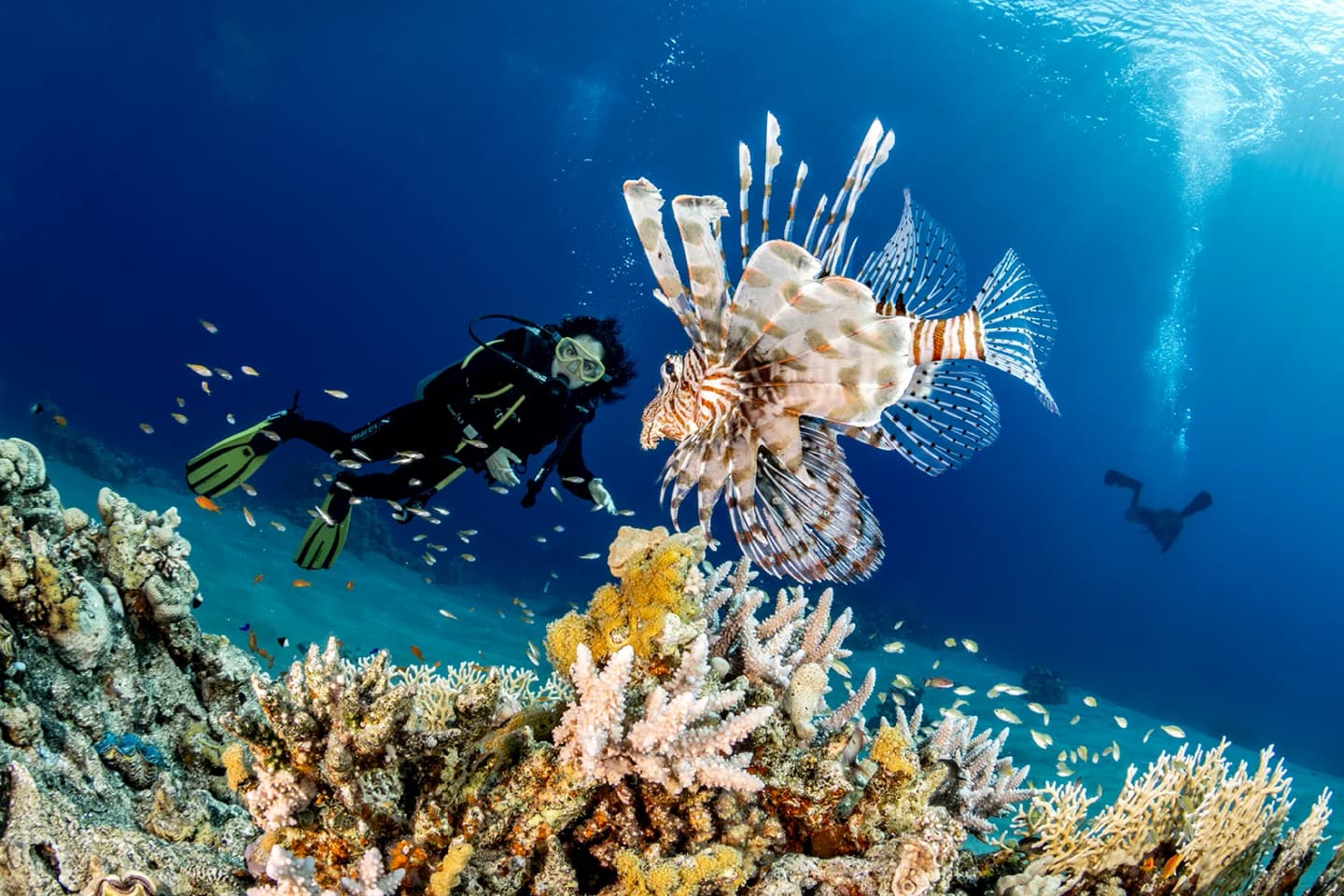
There’s a particular hush that follows the passport stamp—the soft click of permission to exhale. In Egypt’s Red Sea gateways, that moment has become easier to reach. Streamlined entry and expanded digital options now carry travelers from airport hall to boat deck in hours, reconnecting them with coral gardens, warm hospitality, and the everyday rhythms of places like the Hurghada Travel Guide.
What Makes This Experience Unique
Visa reforms here aren’t just paperwork; they’re a quiet liberation. Simpler entry lets grandparents reunite on sandy shallows, digital nomads hop between reefs, and first-time visitors discover markets without bureaucratic drag. The payoff is communal: local captains fill boats, family-run cafés buzz again, and travelers feel welcomed rather than processed.
Where to Do It
Start where flights are frequent and connections easy: Hurghada for islands and city color; Sharm El Sheikh for house-reef drop-ins and desert horizons—spotlight its hidden gems. Southbound, tranquil Marsa Alam suits reef purists; consider booking Coral Garden snorkeling in Marsa Alam for turtle-friendly shallows. Overland links make Hurghada–Luxor doable in roughly 4 hours (about 290 km).
Best Time / Conditions
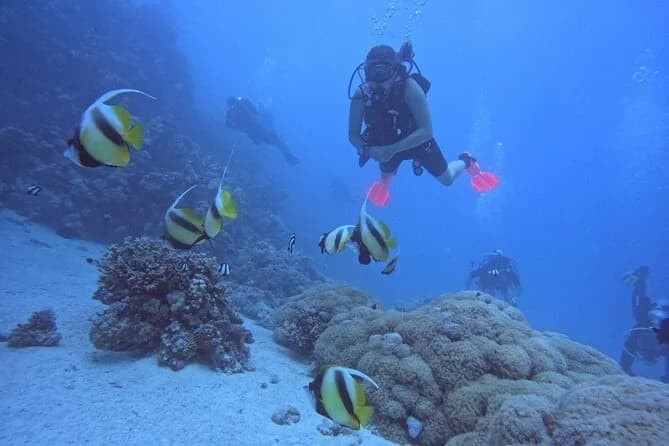
For mild air and calm seas, target March–May and October–December. Water hovers near 22–29°C annually, so snorkeling tours is viable year-round. Summer delivers dazzling visibility but midday heat; dawn starts are ideal. During Ramadan, expect gentler daytime rhythms and later evening buzz—plan airport transfers and meals accordingly.
What to Expect
At Red Sea airports, signage and lines are clearer, with staff guiding e‑visa holders and visa‑on‑arrival travelers to separate counters. Have hotel details and return flights ready, plus card or cash for fees. SIM kiosks are right after customs. Ease in with a private Hurghada city tour before your first reef day.
Who This Is For
Families wanting short flights and simple entry; divers and snorkelers craving easy house reefs; remote workers seeking stable bases; and culture-seekers pairing coastal days with Luxor or St. Catherine detours. Direct flights from central Europe reach the Red Sea in roughly 4–5 hours, keeping weekenders and multi-generational groups in play.
Booking & Logistics
Apply online where eligible or prepare documents for visa-on-arrival—printed confirmations help at counters. Keep passport validity of at least six months and proof of accommodation. Cash plus card is prudent. Shared shuttles are widely available; private transfers are faster for families with gear. Many resorts arrange same-day reef or desert experiences on arrival.
Sustainable Practices
Freedom to enter faster should mean moving slower on the ground. Choose locally led trips, avoid touching coral, and pack reef-safe protection. Refill water where possible and skip single-use fins and snorkels. To anchor your cultural footprint, explore the local side of Hurghada beyond resort gates before chasing the next cove.
FAQs
Recent entry improvements make the Red Sea feel closer, yet rules vary by nationality, itinerary, and length of stay. The broad pattern: e‑visas and visa‑on‑arrival are available to many travelers, with standard tourist entries designed for short holidays. Below are practical answers shaped by airport flow and on-the-ground experience.
Is an e‑visa better than visa on arrival?
Both work. If you prefer predictability, apply in advance so you can use the e‑visa lane and head straight to baggage claim. If your nationality is eligible and plans are fluid, visa on arrival is convenient—just bring printed bookings and payment ready to keep airport time minimal.
How long can I stay, and can I extend?
Tourist entries are designed for short visits; exact length depends on your nationality and visa type. Extensions are typically handled in person at local passport offices in major Red Sea hubs. Build buffer days into plans, and keep proof of funds, accommodation, and onward travel handy when applying to extend.
Can I move freely between Red Sea towns after entry?
Yes. Once admitted, you can travel domestically between Hurghada, Sharm, El Gouna, and Marsa Alam by road or air. Intercity buses and private transfers run daily; road checks are routine but straightforward—carry your passport. Ferries are seasonal or limited; most travelers choose highways for predictable timing.
Open doors work best when we walk through them with care. With smoother arrivals, give your first day to local flavors and neighborhood walks, then widen the compass: a marina sunset in Sharm, an early boat to Giftun, or a quiet bay south of Marsa Alam. The Red Sea’s welcome has always been warm; now the threshold is, too.