Quick Summary: This guide is for travelers comparing sustainable travel Egypt options along the Red Sea and trying to book eco tours Hurghada (or quieter alternatives) without funding reef damage or community exploitation. You’ll get a no-fluff comparison of base areas, 2025 cost ranges (day trips, park fees, transfers), and the exact questions that filter out greenwashing—so you can confidently book eco-certified tours and community experiences.
| Feature | Hurghada | El Gouna | Soma Bay / Safaga | Marsa Alam |
|---|---|---|---|---|
| Typical 2025 eco-leaning shared day trip price | $20–$60 (island/snorkel day boats; varies by inclusions) | Mid to upper range (often priced as “premium Hurghada”) | Upper range | Mid range (but transfers add cost) |
| Vibe | Energetic, salesy, “excursion menu” | Calm, polished | Resort-focused, dive-centric | Quiet, nature-forward |
| Crowd level | High unless capped | Medium | Medium to low | Low to medium |
| Who it suits | First timers, budget travelers who can upgrade responsibly | Comfort + ethics, less bargaining | Divers, couples, “pay for quiet” travelers | Wildlife seekers, slower travel |
Eco-tourism in Egypt isn’t a buzzword if you do it right—it’s a practical way to protect reefs, reduce plastic, and keep money in coastal communities instead of leaking out through mega-resorts. If you’re researching sustainable travel Egypt, comparing eco tours Hurghada, or trying to plan ethical travel Red Sea experiences that don’t feel performative, this is the point: what to book, what to avoid, what things actually cost in 2025, and how to move along the coast with minimal harm and maximum meaning.
Why This Guide Exists
Most Red Sea trips fail the “eco” test in predictable ways: overcrowded boats, anchoring on fragile areas, wildlife harassment sold as “guaranteed,” and community “visits” that are basically a photo stop. This guide exists to help you buy the opposite—small groups, mooring buoys over anchors, local guides paid fairly, and clear pricing—whether you’re starting with Hurghada snorkeling day trips by boat or planning a quieter southern route via Marsa Alam travel planning.
Brutal honesty: the most “eco” experience is often the one that limits numbers, chooses mooring buoys, enforces reef etiquette in the water, and doesn’t sell wildlife like a theme park.
The Landscape & Context
The Red Sea coast is not one destination—it’s a chain of micro-regions with different pressures, reef health, and “tour quality.” What you’ll feel on a responsible day is physical: the diesel smell at the marina, the wind on the ride out, salt drying on your lips, and then the sudden quiet when you slide into the water and the reef shows up like a city—coral heads, chromis flashes, parrotfish grinding, and the occasional shadow that makes everyone go silent without meaning to. If you’re basing in El Gouna, use it as a calmer launchpad for reef days like a full-day Red Sea snorkelling cruise from El Gouna rather than stacking long transfers every day.
Eco-tourism on the Red Sea should also include the land: mangrove edges, desert plains, and human communities. The best community experiences don’t feel staged—you’re hosted, you follow rules, you pay fairly, and you leave without taking something that isn’t yours (including unauthorized photos).
Part 2: The Options (Comparison)
Here’s the real comparison—pros/cons, no fluff. If you want maximum choice and easy logistics, Hurghada wins, but you must actively avoid high-volume boats; start by comparing options like a Hurghada Red Sea snorkeling day trip versus a more structured product such as a guided scuba diving or snorkeling day with lunch. If you want controlled logistics and less chaotic bargaining, El Gouna can be quietly excellent (at a higher price point). If you’re paying for fewer people and strong briefings, look at premium enclaves (Soma Bay/Safaga) and keep your eyes open on labor and supply chains; Routri’s Soma Bay tours and Safaga tours pages are a practical starting point. If you’re serious about ethical travel beyond snorkeling—wildlife, nature, and lower density—Marsa Alam + Wadi El Gemal is where the “eco” potential is strongest (with longer logistics); browse Marsa Alam tours and prioritize protected-area experiences that disclose fees up front.
Hurghada (and nearby islands like Giftun): high volume, high impact—still salvageable if you choose well. Pros: international airport, short transfers, huge supply of boats/guides; beginner-friendly; competitive prices. Cons: overcrowding is default on cheap day boats (“follow-the-flag” snorkeling, reef contact); greenwashing is common; some still anchor even where mooring exists (ask directly). Best for: first-timers who want eco tours Hurghada but will pay more for capped group sizes and reef-safe practices.
El Gouna: cleaner logistics, more controlled vibe. Pros: more organized town planning, easier to avoid chaotic bargaining; comfort without “party boat” energy; stronger rules culture in many venues. Cons: can feel curated; often pricier than central Hurghada. Best for: couples, remote workers, calmer base.
Soma Bay / Safaga: premium enclaves with great house reefs—watch the labor and supply chain. Pros: strong conditions and clearer water days; tight boats and briefings on some operations; less chaos than Hurghada marina. Cons: resort-gated; money can concentrate; ethics depend heavily on staff locality, fair pay, and tips. Best for: divers who want fewer people and can select transparent operators (see also Routri’s Soma Bay planning content: Soma Bay kitesurfing & diving trip planner).
Marsa Alam + Wadi El Gemal: most “eco” potential if you accept longer travel. Pros: lower density at many sites; more wildlife encounters without the circus vibe; strong fit for community-led desert/coastal experiences when done respectfully. Cons: longer/costlier logistics; some “eco camps” look eco but aren’t (water use/waste questions are non-negotiable). Best for: travelers serious about ethical travel Red Sea beyond snorkeling.
Part 3: The Logistics (How to Do It Right)
A responsible Red Sea plan is less about perfection and more about avoiding the obvious damage: reduce unnecessary hops, cluster experiences from one base, and choose transport that doesn’t turn every day into a long private-car burn. Hurghada International Airport (HRG) is the main arrival point for most itineraries. If you’re building a multi-day route, use buses when possible (lower emissions than private cars for solo travelers) and lock in the basics early—then spend your energy vetting operators, not arguing at docks.
Taxi/transfer pricing (2025 reality check): Red Sea taxis are negotiation-based unless pre-booked. Common published ranges include Hurghada Airport → El Gouna quoted around EGP 200–350 in some local listings and around €20–25 (EGP 400–500) in other guidance depending on service level/timing. Generalized guides also list EGP 250–300 (airport → Makadi Bay) and EGP 300–350 (downtown → El Gouna). Practical takeaway: decide whether you want “cheap taxi” or “pre-booked private” before you land—then agree the total price for the whole car.
Buses along the Red Sea (operators & planning): two major operators with online booking are Go Bus and Blue Bus. You can book online to reduce last-minute bargaining stress. Routes link major hubs (Hurghada, Cairo, etc.), but specific Marsa Alam segments can be seasonal/variable—verify on the operator site the week you book.
Protected areas & permit/fee realities (2025): if your eco-tour involves protected areas, you’ll often pay a park fee—sometimes bundled, sometimes cash-collected. For Giftun Island / Giftun Islands National Park, some listings specify a national park fee (examples: 5€ or 9€ per person depending on product/listing). For Ras Mohammed National Park (South Sinai, Sharm area), multiple tour sources commonly cite around €5 per person in listings. For Wadi El Gemal National Park (Marsa Alam region), some listings cite $5 per person and $10 per car as entrance fees in inclusions/exclusions. Note: figures can conflict across sources—treat fees as “cash needed,” confirm in writing, and don’t try to bargain conservation fees down.
| Season (Red Sea coast) | Typical Air Temp Feel | Typical Sea Feel | Wind Planning (knots) | What It’s Best For | Practical Logistics Note |
|---|---|---|---|---|---|
| Winter (Dec–Feb) | Mild days, cooler nights | Cool-to-brisk water | Often less consistent than summer wind season (site dependent) | Quiet snorkeling, diving with fewer crowds | Pack a warmer layer for evenings + consider wetsuit |
| Spring (Mar–May) | Warming up | Comfortable | Often building; many areas can sit in the ~10–20 kt band | Balanced eco tours, good visibility days | Good for “one base + multiple day trips” |
| Summer (Jun–Aug) | Hot, intense sun | Warm water | Prime wind season often described May–Oct | Kitesurfing + early-morning reef time | Plan midday shade; hydrate; avoid heat-exhaustion itineraries |
| Autumn (Sep–Nov) | Cooling, pleasant | Still warm | Often still windy into Oct in many spots | Best overall mix for ethical Red Sea travel | Good time for community experiences + reef days |
Best time to go: spring and autumn shoulder seasons are usually the comfort sweet spot. For wind sports, many kite operators describe prime wind season roughly May–October. Planning context (not a guarantee): some kitesurfing guidance describes average winds around 10–20 knots in broad season ranges (often roughly March–November depending on location/year).
Insider Tips & Scams to Avoid
Most bad outcomes on the Red Sea aren’t “bad luck.” They’re the same avoidable patterns repeating: vague inclusions, dockside add-ons, wildlife chasing, and price switching. Use this section as your filter—and if you want to sanity-check what a normal tour structure looks like before messaging anyone, scan a few Routri listings like the Hurghada dolphin watching & snorkeling boat tour (then apply the ethics questions below) or a simpler semi-submarine with guided snorkelling to compare inclusion styles.
- “Eco tour” is often just a font choice. Ask: Do you use mooring buoys (no anchoring)? What’s the maximum group size in the water per guide? Do you brief on reef-safe sunscreen and no touch/no stand rules? Do you provide refill water / reduce single-use plastics onboard?
- The marina upsell trap: you book cheap, then at the dock get hit with “national park fee,” “equipment fee,” “photos/video fee,” “transfer fee from your hotel zone.” Sometimes legit, sometimes padding. Fix: insist on a written inclusions list and bring exact cash for what you agreed.
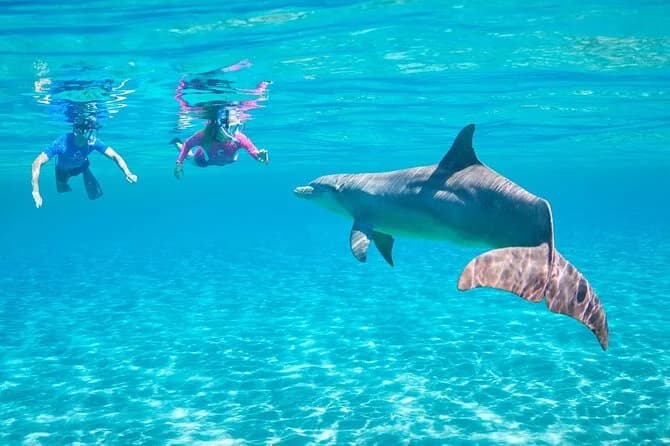
- Wildlife harassment sold as “guaranteed”: if you hear “guaranteed dolphins” or see boats racing toward animals, you’re buying pressure. Ethical operators say sightings are possible, not guaranteed; no chasing; engines neutral near wildlife; time limits in the water. If “dolphin” is your goal, at least choose an operator that frames it correctly (for example, compare product language across listings like Dolphin House snorkeling tours and reject anything promising certainty).
- “Private taxi” confusion at airports: the scam isn’t always the number; it’s the switch (“per person,” luggage surcharge). Rule: agree total price, confirm “for the whole car,” pay at the end.
- Equipment “damage” shakedown: on some low-end snorkel trips you may be told you scratched a mask or damaged fins. Ethical operators treat basic wear as normal. Avoid leaving a cash deposit unless it’s a reputable shop with a receipt.
Safety & Ethics
Eco-tourism isn’t “don’t litter.” On the Red Sea, ethics are physical and visible in the water: no touching coral (one kick can break years of growth), no standing in shallow coral gardens (float even if it feels awkward), don’t feed fish, and choose operators who use mooring buoys. Human ethics matter too: avoid tours that treat local communities as props; tip fairly when service is genuine; refuse coercive tip demands; and prefer experiences where money clearly goes to residents (guides, drivers, cooks), not just a broker. If you’re heading south for nature-heavy days, build at least one protected-area experience such as a Wadi El Gemal jeep tour with dinner and apply the same “who benefits locally” test.
On-water safety is boring until it isn’t: listen to briefings; most incidents happen when people ignore “easy” rules. If wind is up and sea is rough, don’t let bravado override judgment. If you’re prone to seasickness, plan medication and choose calmer seasons/sites.
Booking & Logistics
To convert into eco-certified tours and real community experiences, the booking process must do two things at once: reduce traveler anxiety and block the usual scam vectors. Start by picking the category that matches intent: (1) eco snorkel/reef day (small group, strict reef rules, mooring use), (2) diving/intro dive with ethics (limited divers per guide, no touching, no feeding; see options like a full-day boat trip with 2 scuba dives), or (3) community desert/coastal day (locally hosted food and storytelling with consent—no forced “visit”). If you want a clear eco-leaning reef day structure to benchmark against, compare a standard Hurghada snorkeling day trip by boat with a longer-range nature option like the Abu Dabbab dugong bay snorkelling experience (then judge based on group size, mooring/anchoring, and wildlife conduct).
Fast vetting (filters out most bad tours): ask these five questions in writing: (1) Max guests per boat and max in-water group size per guide? (2) Is the park fee included (and how much exactly)? (3) Do you anchor or use mooring buoys? (4) What’s your single-use plastic policy onboard? (5) Who benefits locally (local guides, local suppliers, community partners)? If they dodge, you’re not buying an eco-tour—you’re buying a logo.
2025 pricing expectations (don’t anchor to the wrong number): shared island/snorkel days from Hurghada are commonly marketed around $20–$60 depending on inclusions and quality tier. Giftun protected area may add a park fee in the ~5€–9€ per person band depending on listing/product. If you’re sold “cheap,” assume the dockside add-ons are coming unless inclusions are crystal clear.
Why “Pay Cash on Arrival” can increase trust (when done right): it reduces fear of online disputes, limits hidden card surcharges, and creates a clear moment to confirm inclusions before money changes hands. Ethical structure: confirm total price in writing, define what “arrival” means (hotel pickup vs marina vs shop), and disclose any permit fees up front. Done right, it increases conversion because traveler risk feels lower while reputable operators still secure bookings via message confirmation and capped slots.
What the “eco-certified” premium should actually buy: smaller groups, better guide-to-guest ratio, refill water + reduced plastic, mooring use + safety equipment, fair wages, and real community partners. That’s not marketing—those are operational costs.
FAQs
If you’re trying to plan fast, these answers keep the core numbers and decision rules intact—so you can book with fewer surprises and less reef damage.
What does sustainable travel Egypt actually mean on the Red Sea?
Choosing tours that reduce reef damage (mooring, small groups, no-touch rules), reducing single-use plastics onboard, and ensuring local workers and communities benefit materially—not just via tips. If you want a practical baseline, start by comparing inclusion policies across real listings like the Hurghada Red Sea snorkeling tour and message the operator with the five vetting questions.
Are eco tours Hurghada worth it, or is Hurghada too crowded?
Hurghada can be crowded, but it’s not “lost.” Paying for capped group sizes and real reef protocols can reduce impact and improve the experience. Budget tours often run high volume; eco-leaning tours cost more but change the on-water behavior (briefings, guide in the water, no coral contact). Use Hurghada as a base, but avoid “cheapest available” defaults—start with Routri’s Red Sea tours & activities and filter hard.
How much is the Giftun Island National Park fee in 2025?
Many listings cite a park fee that may be collected separately or included; examples show about 5€ per person in some products and 9€ per person in others. Treat it as “cash you should be ready to pay,” and confirm in writing before booking—especially if your day includes Giftun/Orange Bay stops such as the 3-island snorkelling yacht trip or similar itineraries.
Is “Pay Cash on Arrival” safe for booking ethical travel Red Sea experiences?
It can be safer than paying upfront online if you have written confirmation of inclusions, total price, and pickup details. Avoid operators who change the deal at the dock or demand extra fees that weren’t disclosed.
What’s the typical cost range for island and snorkel excursions from Hurghada in 2025?
A commonly advertised band for island/boat day trips is $20–$60 depending on inclusions and quality. Add-on costs often include park fees and sometimes gear or transfers—confirm the full breakdown in writing.
When is the windiest/best season for water sports on the ethical travel Red Sea route?
Many kitesurf-focused sources describe prime wind season broadly from May to October, and some guidance frames average winds around 10–20 knots in broader season windows (often roughly spring through autumn, location dependent). If you’re blending reef days with wind sports, use planning resources like Routri’s Red Sea water sports guide to map conditions to bases.
How do I avoid animal harassment tours (especially “guaranteed dolphins”)?
Choose operators that explicitly state “no chasing,” no guarantees, and enforce time/distance rules. If you see boats racing toward wildlife, leave that operator off your list—your money trains that behavior.
How do buses fit into sustainable travel Egypt planning along the Red Sea?
Buses can reduce footprint compared to private cars for solo travelers, and you can book via major operators like Go Bus and Blue Bus online. The practical best practice is minimizing long hops: pick a base and cluster experiences (reef days, desert days, community days) instead of zig-zagging the coast.
The Red Sea can feel like two worlds on the same water: one where noise, crowding, and anchors do the damage, and one where a guide briefs you like a partner, the group stays small, fins stay up, and the reef stays intact. Your leverage is simple—ask hard questions, pay for operational ethics, and stop funding the operators who treat nature and people like props.
Further Reading on Routri:
- Red Sea snorkeling day trip by boat from Hurghada
- Hurghada 6 islands snorkelling and dolphin trip
- El Gouna full-day Red Sea snorkelling cruise
- Wadi El Gemal National Park jeep tour and dinner
- Soma Bay tours and activities
- Safaga tours and activities