Red Sea Water Sports 2025: Dive, Glide, and Play Across Egypt’s Aquatic Playground
Quick Summary: In 2025, the Red Sea delivers beginner-friendly lagoons, pro-level winds, and bucket-list reefs and wrecks. Expect clear 20–30 m visibility, steady 15–25 knot breezes up north, and a surge in certified kite schools and guided boat days—perfect for first-timers, families, and thrill seekers alike.
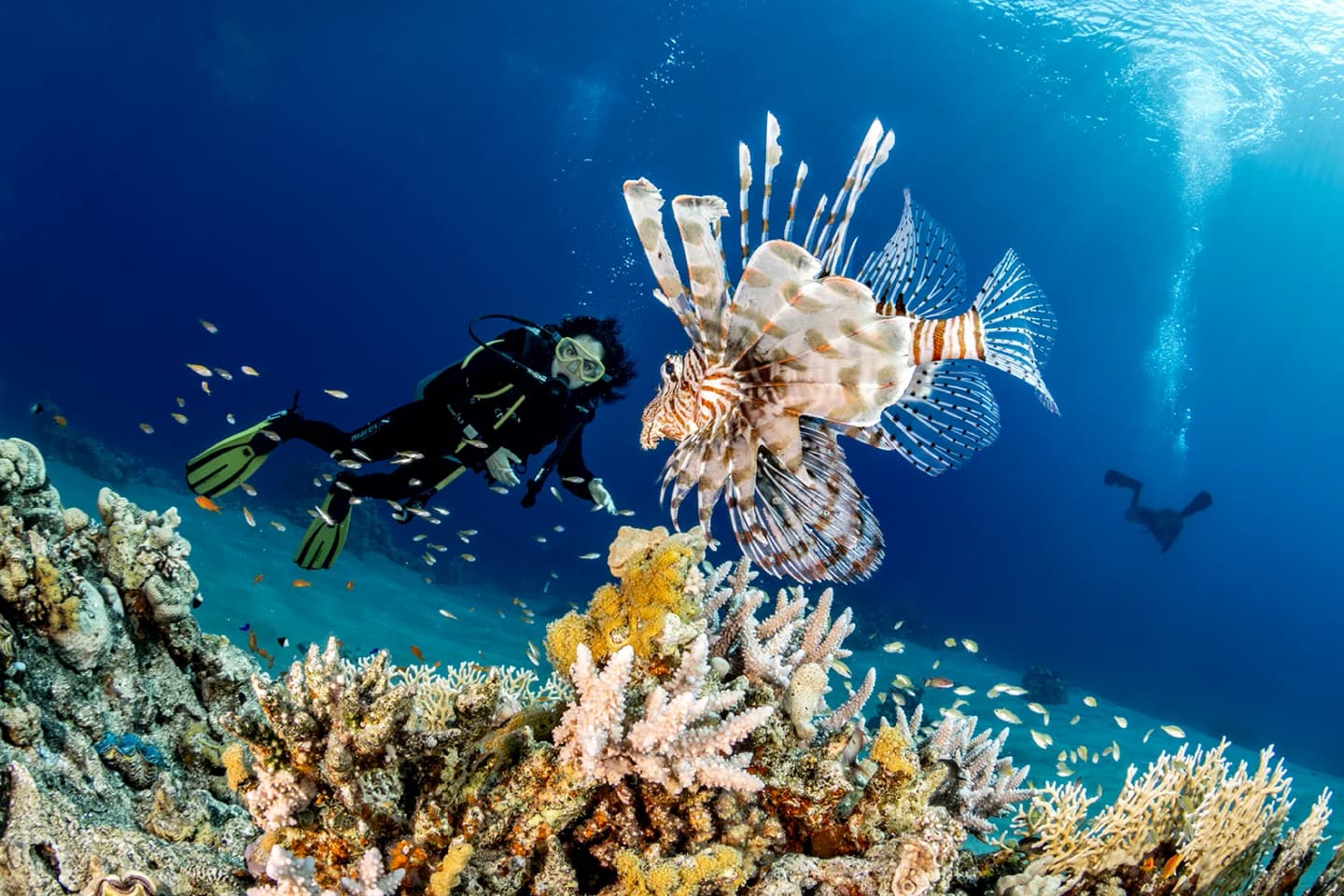
Dawn on the Red Sea feels like a standing invitation. The desert blushes pink, trade winds awaken, and the water—clear as spun glass—reveals coral gardens and schooling fish beneath your fins. By afternoon you might be carving a kite line, finning a historic wreck, or drifting a reef wall as dolphins ghost the blue.
What Makes This Experience Unique
Few places blend adventure breadth with beginner access like Egypt’s Red Sea. Year-round warm waters (about 22–29°C), legendary visibility, and sheltered bays sit a short boat ride from shark-free snorkel shallows and world-famous wrecks. Add 2025’s expanded kite schooling and pro coaching, and you’ve got a rare mix: easy first steps plus top-tier progression in one coastline.
Where to Do It
Best Time / Conditions
Water temperatures hover around 22–24°C in winter and 27–29°C in summer. Northern spots—El Gouna, Dahab, Tiran—see reliable 15–25 knot winds most months, peaking spring and autumn. Visibility runs 20–30 m, with calm mornings great for snorkelers; afternoons often deliver bumpier, wind-driven chop ideal for sail-powered fun.
What to Expect
Who This Is For
Booking & Logistics
Sustainable Practices
Wear mineral, reef-safe sunscreen; never stand on coral or chase wildlife; keep fins high over the reef crest. Choose mooring-buoy operators and guides who brief no-touch policies. Respect park rules and seasonal closures, keep plastics off decks, and tip crews who demonstrate conservation best practices—you’ll see healthier reefs and calmer marine life as a result.
FAQs
New to Red Sea watersports or returning for 2025? Here’s what most travelers ask when planning a week of boats, bays, and breezy sessions. These answers cover safety, skills, and comfort so you can match your ambitions—whether that’s first snorkel breaths, a certified intro dive, or windy afternoons pushing your kiteboard progression.
Is the Red Sea safe for beginners?
Yes—many sites are shallow, clear, and sheltered, with sandy entries and easy boat ladders. Start with guided snorkel coves or intro dives in 5–8 m, follow briefings, and choose operators with small groups and surface support. Morning trips are often calmer, and vests, noodles, and spotters help non-confident swimmers relax.
Do I need a wetsuit in winter?
Most travelers are comfortable in a 3 mm shorty in late spring to autumn. In winter, when water sits around 22–24°C and breezes add wind chill, a 3–5 mm full suit keeps you warm between stops. Rash guards help with sun and stings year-round; booties protect feet on boat ladders and beaches.