
Luxor Day Trips from Hurghada: A Dawn‑to‑Dusk Journey into Ancient Egypt
Quick Summary: Ease from Red Sea mornings to Nile-side antiquity in one day. Pre-dawn pickup, a calm cross-desert ride, Karnak’s colonnades, valley tombs, and sunset over the river—curated pacing, responsible choices, and back to your resort by evening.
At dawn the Red Sea breeze is still cool, the first coffee barely finished when your driver eases onto the desert highway. By mid-morning, the Nile’s green seam appears, and Karnak’s colonnades rise like a mirage. This is the day Hurghada’s salt-sprayed energy meets Luxor’s timeless hush, without sacrificing comfort or pace. Hurghada
What Makes This Experience Unique
It’s the arc: sunrise over the Red Sea, late-morning sandstone coolness, and a river-glow finish. You trace Egypt’s story in one sweep—marine thrill to monument stillness—guided, unrushed, and seamlessly handled. Smart routing limits backtracking, while small-group stops help preserve carvings and your attention span, turning a single day into a balanced, memory-rich narrative.
Where to Do It
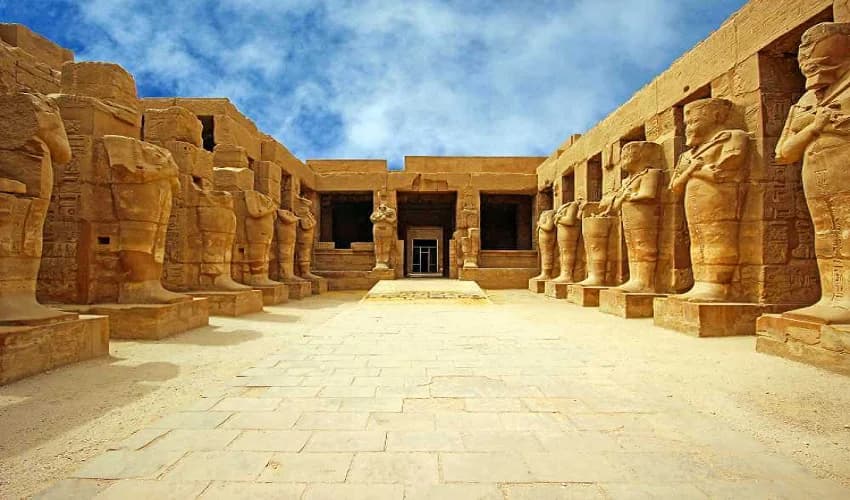
Luxor concentrates an unmatched trilogy: the East Bank’s Karnak and Luxor Temples and the West Bank’s Valley of the Kings with Hatshepsut’s terraces close by. The Avenue of Sphinxes runs roughly 3 kilometers between the two city temples, while the West Bank’s tombs sit just across the river, sheltered by rugged desert cliffs.
Best Time / Conditions
Cooler months make sandstone wanderings comfortable, especially October to April. In summer, start early and prioritize shaded reliefs; Nile breezes help by late afternoon. Sea days pair well on either side: Red Sea water often holds 24–29°C, so you can alternate reef mornings with temple days without losing the relaxed cadence that keeps trips joyful.
What to Expect
Most tours leave pre-dawn for a smooth, 4–4.5‑hour desert drive (about 290–300 km). Late morning is Karnak, followed by lunch and a mellow felucca glide. The afternoon turns west for the Valley of the Kings and Hatshepsut. As the cliffs cool, you return across the desert, usually arriving back by early evening—satisfied, not spent.
Who This Is For
Couples and culturally curious families who relish big stories told at a humane pace. Divers and snorkelers seeking a rest day that still thrills. Travelers weighing luxuries of time can compare a day trip with an overnight—both are excellent, depending on depth of interest and energy levels—using our clear, practical guide. day trip vs overnight guide
Booking & Logistics
Choose between a well-paced small group for value and camaraderie, or a private vehicle for total flexibility and quieter tomb time. Look for licensed Egyptologists, timed entries, and hotel pickup. Reliable options include a curated small-group itinerary small-group Luxor day tour and a door-to-door private plan private Luxor day tour. Cruise callers can also arrange pickups from nearby Safaga with similar timing.
Sustainable Practices
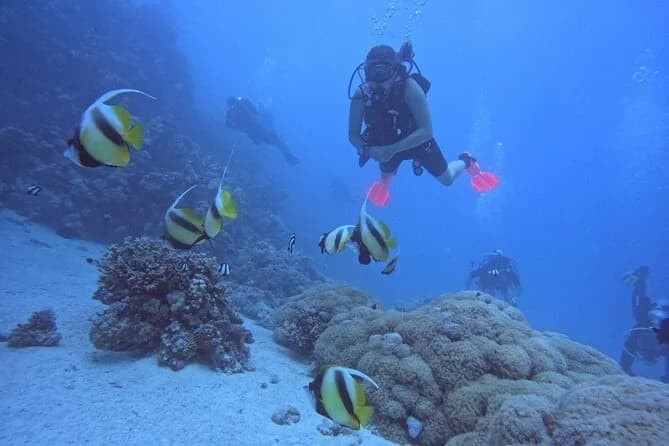
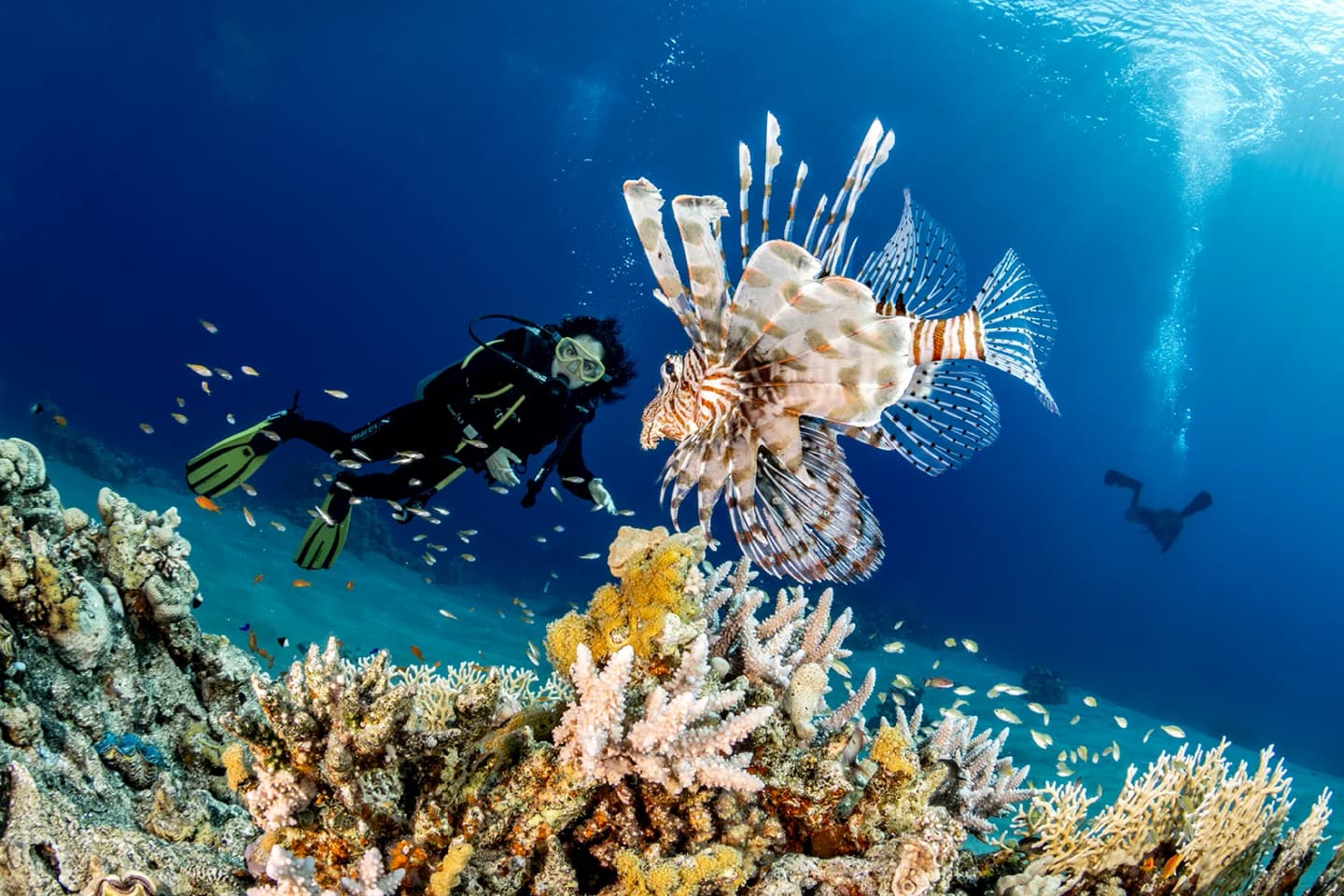
Go small group or private to minimize wear on reliefs and reduce crowding. Follow “no-touch” rules inside tombs; flash-free photography protects pigments. Refill bottles at designated stops and support vetted, local lunch spots and boatmen. On reef days, choose fixed-mooring operators and practice good buoyancy—a healthy sea makes temple air feel even sweeter. Red Sea diving and snorkeling guide
FAQs
This day trip is designed to feel complete but never frantic. Expect a pre-dawn start, strategic shade, and staggered site times to avoid peak flows. With an expert guide, you’ll see the essentials without rushing, leaving space for a river interlude and a proper lunch before turning west for tombs and terraces.
Is a Luxor day trip from Hurghada too rushed?
With smart sequencing—Karnak first, West Bank later—and a maximum of two to three tombs inside the Valley, it stays focused, not frantic. Private trips add breathing room for extra stops or quiet corners. Aim for early departures to win cooler hours and quieter colonnades, then cruise home feeling satiated instead of spent.
How long is the drive, and is it safe?
The route covers roughly 290–300 kilometers each way, typically 4–4.5 hours on paved desert highways with planned rest stops. Reputable operators use modern vehicles, seatbelts, and vetted drivers, and coordinate entries to respect local regulations. Early starts maximize cooler conditions and help your guide sidestep mid-day crowd pinch points.
What should I wear and bring in summer?
Light, breathable fabrics, a brimmed hat, and closed, grippy shoes for sandy steps. Pack mineral sunscreen, a refillable bottle, and a thin scarf for sun or temple modesty. A compact fan helps in tomb queues. Keep small cash for site extras and felucca tips; your guide will brief you on optional add-ons.
By sunset, the Nile’s dark ribbon gives way to the Red Sea’s glint, and your day resolves into a fuller Egypt—reef color balanced by limestone calm. Bookmark this experience alongside your sea days, then fine-tune pacing with our overnight comparison and keep the marine magic alive between temple runs.