Red Sea Night Snorkeling: Bioluminescent Trails and Nocturnal Reefs
Quick Summary: After sunset, the Red Sea glows. Guided, conservation‑minded night snorkels in protected bays reveal bioluminescence and nocturnal creatures—octopus, cuttlefish, lionfish—while prioritizing safety, small groups, and reef etiquette. Expect shallow entries, calm conditions, and a science‑rich briefing that turns wonder into understanding.
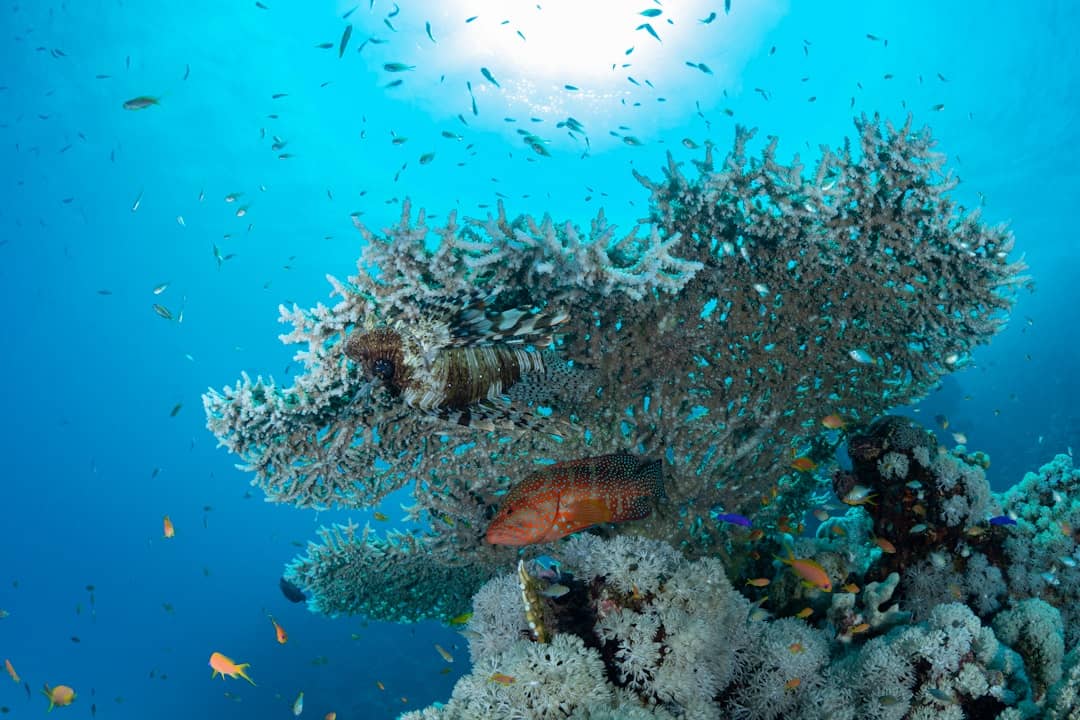
Night falls and a familiar reef flips its script. In Hurghada, Sharm El Sheikh, and down to Marsa Alam, tranquil bays become a living constellation: every fin stroke sketches blue‑green light as octopus, cuttlefish, lionfish, and Spanish dancer nudibranchs slip from hiding. Guided by soft torches and science‑savvy briefings, you float between starlight above and plankton stars below.
What Makes This Experience Unique
Red Sea night snorkeling fuses gentle adventure with discovery. Bioluminescence turns motion into glow, while nocturnal species exhibit behaviors rarely seen by day. In 2025–2026, reputable operators run small, conservation‑led groups and clear safety briefings, drawing on marine‑biology insights and local knowledge. For deeper context before you go, see our primer on Red Sea night snorkeling.
Where to Do It
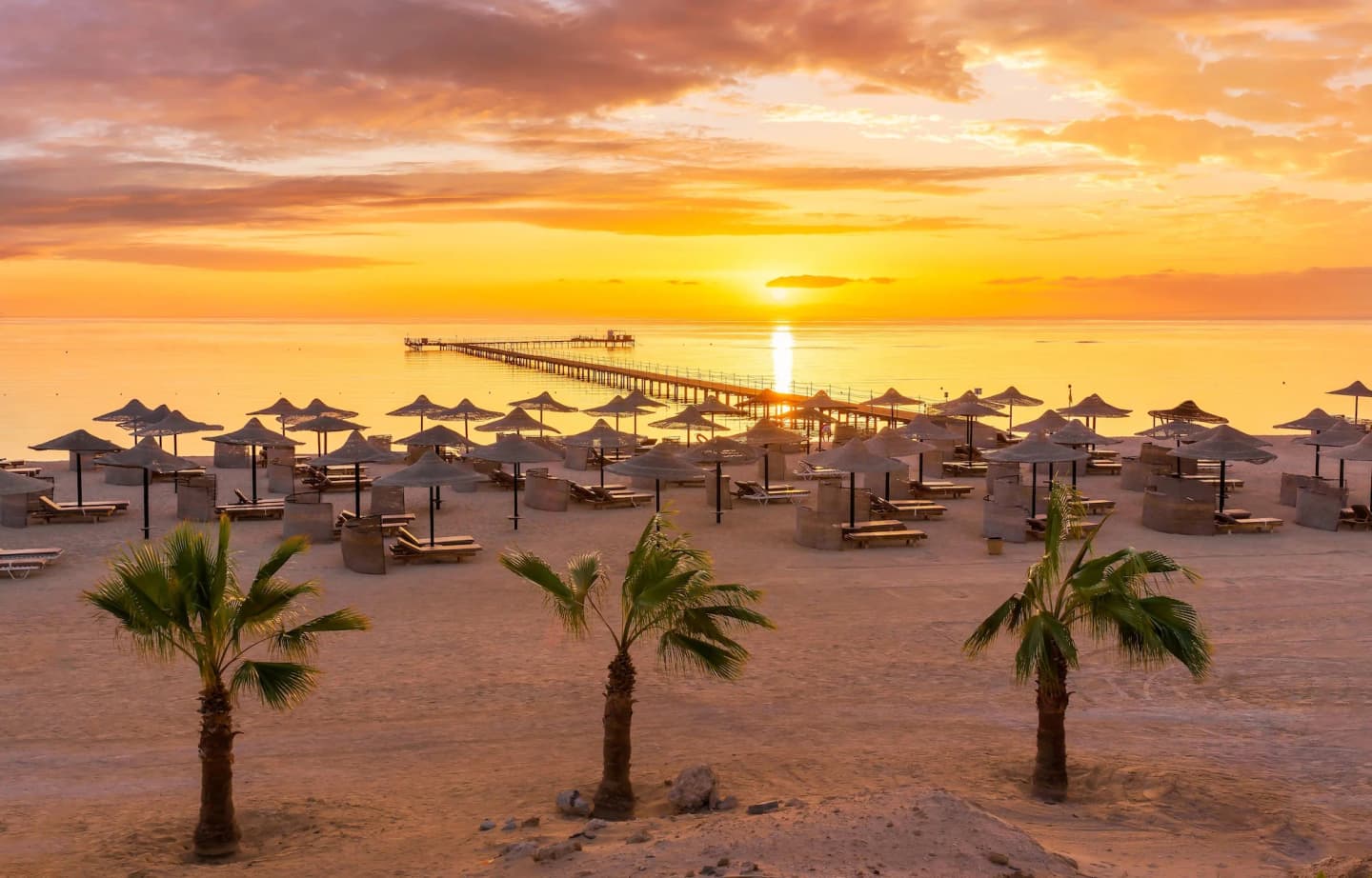
Choose calm, protected entries. Around Hurghada, Sahl Hasheesh and Makadi Bay offer sandy shorelines and gentle drop‑offs; in Sharm, Naama Bay and Ras Umm Sid are classic fringing reefs with short access swims. Dahab’s Lighthouse and Eel Garden give sheltered circuits, while Abu Dabbab near Marsa Alam adds seagrass meadows and turtle encounters, all within easy hotel transfers.
Best Time / Conditions
New‑moon nights heighten bioluminescence; aim for low wind and glassy seas. The Red Sea stays warm—roughly 22–30°C across seasons—with 20–30 m daytime visibility. At night, you’ll snorkel shallow (around 1–5 m) to keep orientation and comfort. For moon‑phase planning and nocturnal tips, read our guide to bioluminescent nights.
What to Expect
After a shoreline briefing, you’ll enter with a guide, low‑lumen torch, and a simple hand‑signal plan. Start lit; then, when the guide signals, switch off to watch water bloom with blue‑green sparks. Expect 45–60 minutes in the water, slow finning above sand, seagrass, and reef skirts. Wildlife is wild: sightings vary, but the night shift reliably delivers.
Who This Is For
Confident swimmers seeking calm‑water thrills without tanks will love it. Teens with snorkeling experience adapt quickly; younger children may prefer a twilight shoreline session first. Photographers can capture eye‑level moments with narrow beams and red filters. If you’re anxious, choose shore entries, short circuits, and smaller groups until your confidence grows.
Booking & Logistics
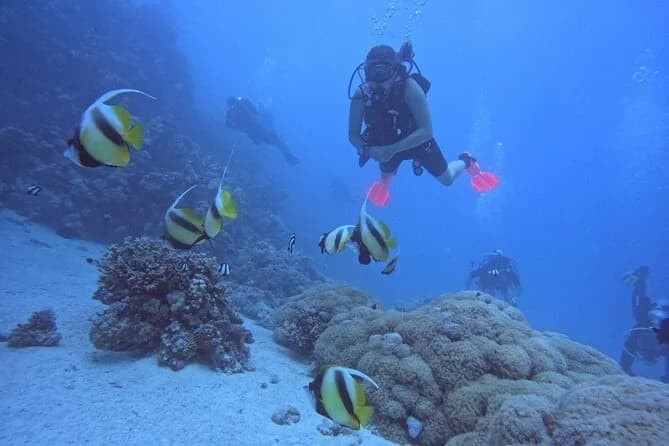
Look for operators offering small groups (often 6–8), shore entries, and marine‑biology briefings, with wetsuits included in cooler months. Typical pickups run 10–30 minutes to the bay. Want a daylight warm‑up first? Try an Orange Bay Giftun reef day or a private Dolphin House & Giftun speedboat to fine‑tune your snorkeling before the night show.
Sustainable Practices
Go horizontal, keep slow kicks, and stay buoyant over reef tops. Use narrow‑beam, low‑lumen torches; switch off to enjoy glow without chasing wildlife. Maintain a respectful two‑meter buffer from turtles and resting fish; never feed or touch. Skip sunscreen at night and secure dangling gear to avoid accidental coral contact—your restraint keeps reefs vibrant.
FAQs
First‑timers often wonder about safety, what they’ll see, and what to pack. Night snorkels are designed around calm conditions, shallow depths, and strong guiding. The experience balances awe with structure: briefings add context, slow routes preserve comfort, and low‑lumen lights protect marine life while keeping navigation simple.
Is night snorkeling safe for beginners?
Yes—when guided, in sheltered bays, and with shore entries. You’ll stay shallow (about 1–5 m) and follow a slow, buddy‑based route. Expect a pre‑water briefing, surface checks, and a guide carrying a spare light. If you’re nervous, start with a twilight session, then progress to full darkness as confidence grows.
Will I definitely see bioluminescence?
It’s natural, so it varies, but new‑moon periods and very calm water help. Even on brighter nights, turning off torches and sweeping your hand often reveals sparkles. Wildlife is similarly unscripted: octopus, cuttlefish, lionfish, and Spanish dancer nudibranchs are common actors, but the “who” and “how many” change with season and site.
What should I wear and bring?
Pack a snug mask, short fins, and a 3–5 mm wetsuit in cooler months; many operators provide suits. Bring a low‑output torch with a narrow beam, plus a backup. Leave valuables ashore, secure action cams with lanyards, and have a warm layer and towel ready for the beach exit and debrief.
After the glow fades, you’ll carry the starry water with you—one of Egypt’s most surprising memories. Use Hurghada or Sharm El Sheikh as your base, add a daylight reef tune‑up, and then let the night unfold: science, safety, and pure wonder, in perfect Red Sea harmony.