Slip Into the Red Sea After Dark: A Quiet, Luminous Night Snorkel
Quick Summary: A small‑group, guided night snorkel turns the Red Sea into a tranquil, luminous world. Expect torches, shallow drifts, bioluminescent sparks on dark nights, corals feeding, and sleek hunters cruising. Calm bays, house‑reefs, and licensed operators make it accessible—even for confident beginners.
Fins whisper, stars glitter, and the reef exhales. Night snorkeling on Egypt’s Red Sea swaps daytime bustle for a meditative drift: corals unfurl to feed, octopus emerge from dens, and bioluminescent plankton can bloom like sparks in your wake. With a steady torch and a calm, licensed guide, the familiar shallows turn otherworldly.
What Makes This Experience Unique
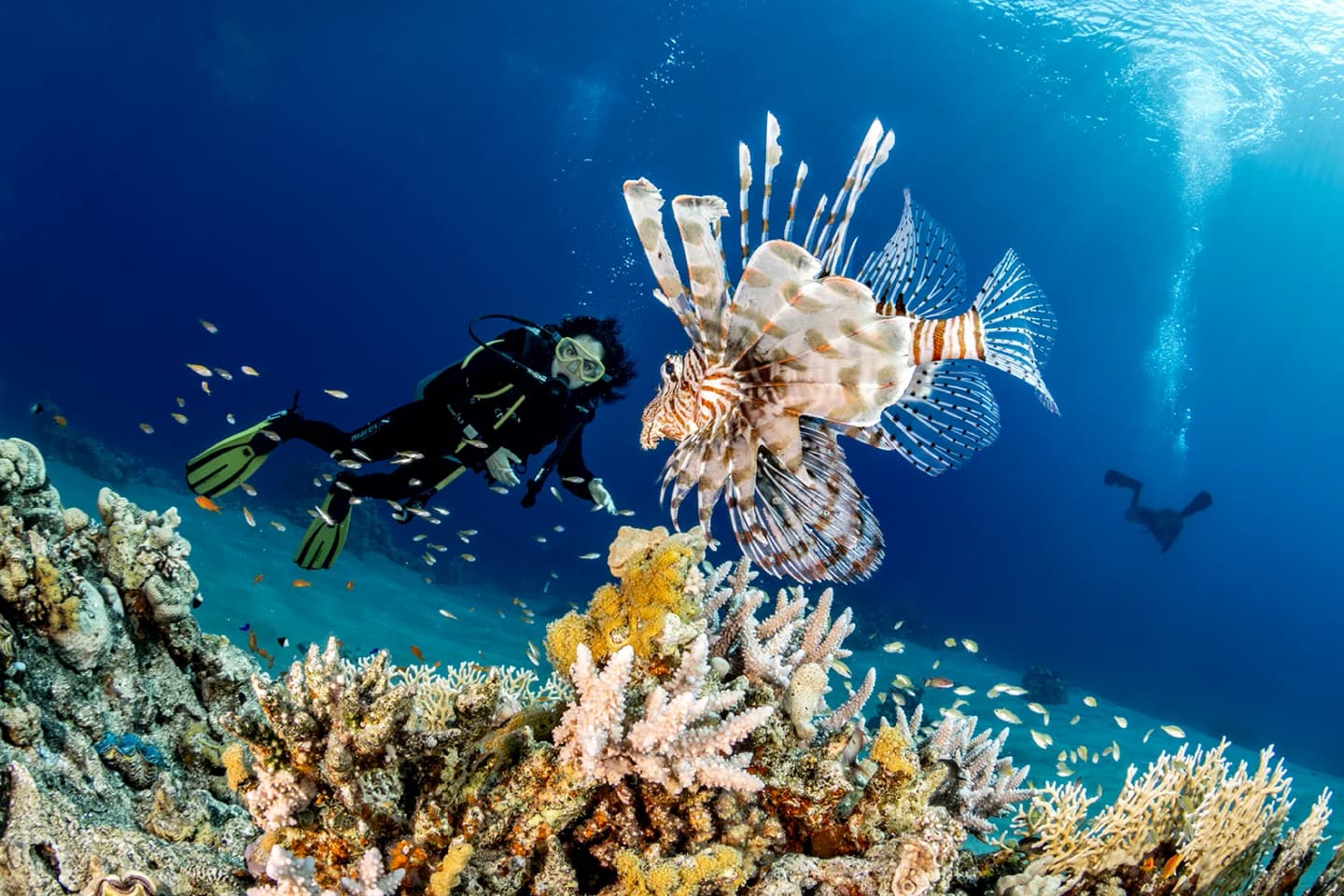
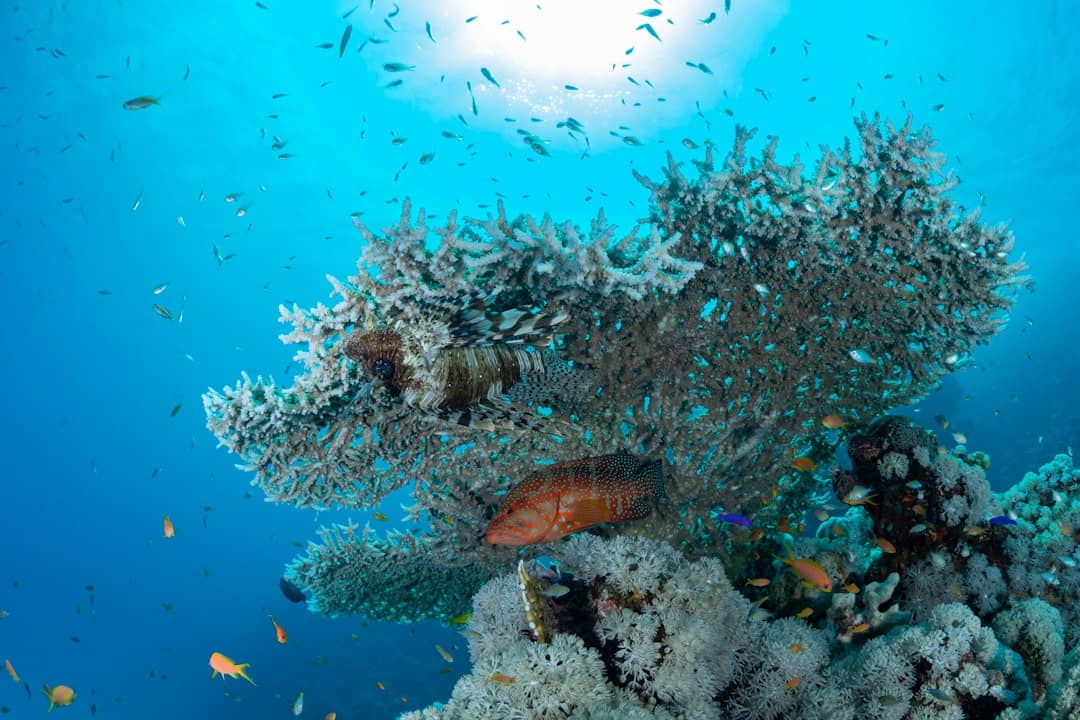
After dark, the reef’s cast changes. Hard corals extend feeding tentacles, brittle stars scuttle, and nocturnal hunters—trevallies, lionfish, even Spanish dancers—animate the scene. Your light narrows focus, turning details into revelations. On moonless, glassy nights, bioluminescent plankton may dazzle with each kick, transforming the surface into a private galaxy of blue sparks.
Where to Do It
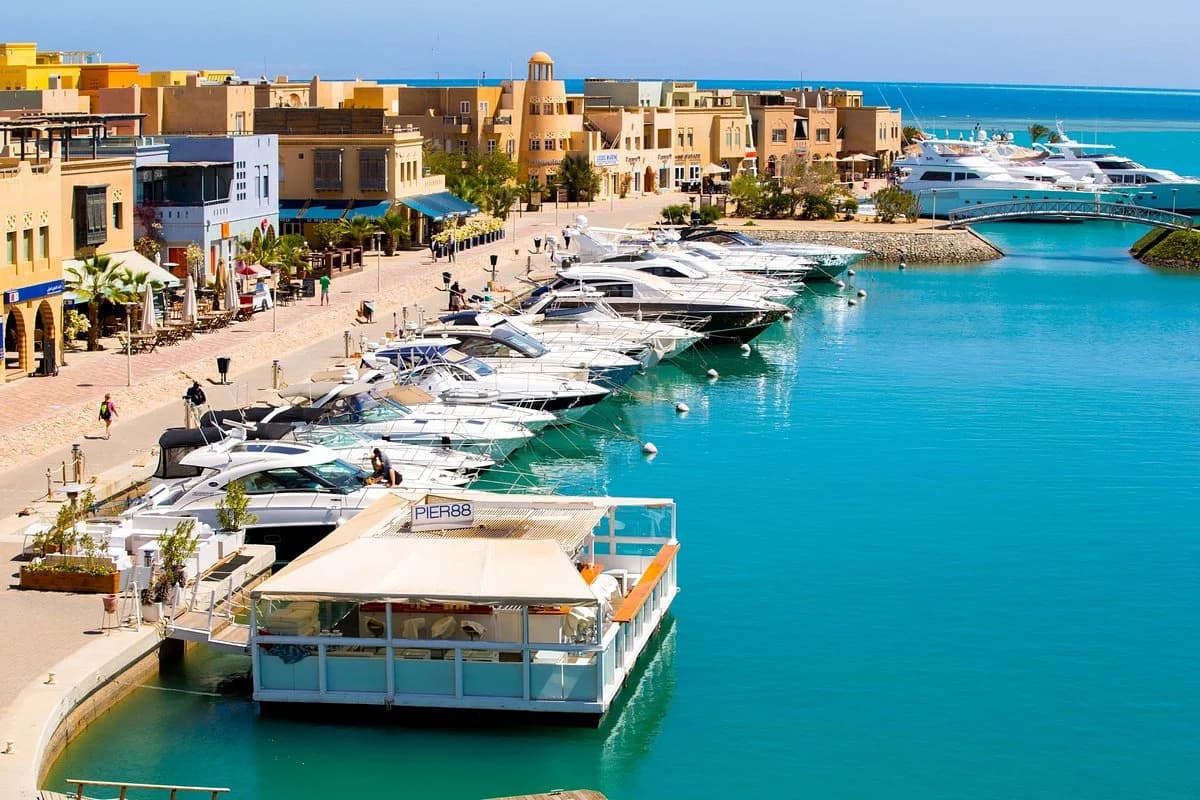
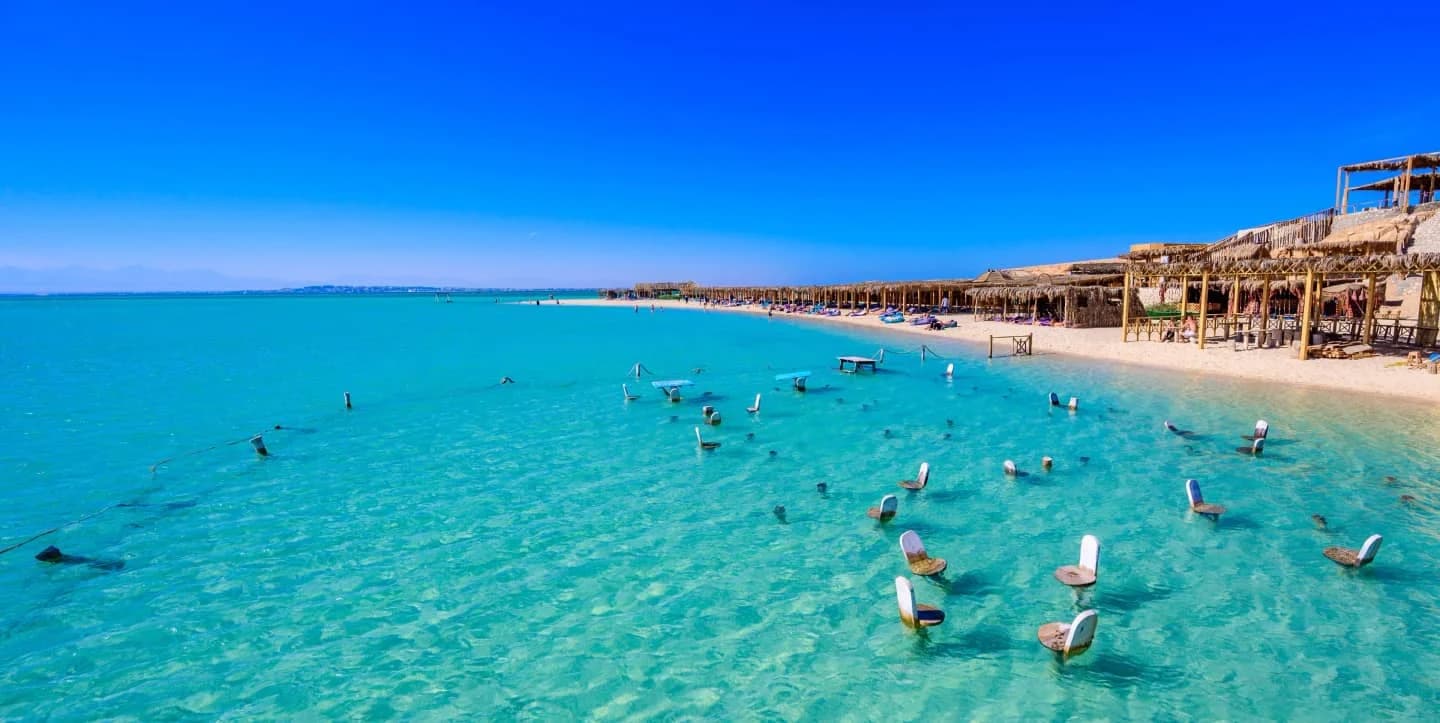
Look for sheltered house‑reefs and gently sloping bays around Hurghada—start with this practical Hurghada snorkeling guide. By day, icons like Orange Bay or Paradise Island steal the show; at night, operators favor nearby fringing reefs and marinas. South of town, calmer coves around Makadi Bay offer easy entries and short transfers, with El Gouna, Sharm El Sheikh, and Dahab also running guided drifts.
Best Time / Conditions
Choose light winds, small swell, and a new‑moon phase if you’re hoping for glow. Bioluminescence appears sporadically, but dark, calm nights maximize your odds. Sea temperatures hover ~22–29°C across the year; a 3 mm shorty is typically enough. Expect visibility of 15–30 m depending on season and recent wind.
What to Expect
Briefings cover torch handling, buddy spacing, and “look but don’t touch.” Most tours keep it shallow—2–8 m over sand tongues and coral fingers—using a guide‑towed buoy for orientation. You’ll fin slowly for 45–60 minutes, scanning ledges for crustaceans and cephalopods, then regroup under the stars for hot tea and stories on the ride back.
Who This Is For
Great for confident snorkelers who love detail and calm, slow exploration. If you’re comfortable with a mask, snorkel, and fins—and can float quietly—you’ll thrive. Families with teens do well on house‑reef entries. Those anxious in low light or in choppy water should opt for sheltered bays and extra buoyancy from a vest or noodle.
Booking & Logistics
Pick licensed, small‑group operators with surface support, red‑filter options, and clear safety briefings. Many outfitters bundle hotel transfers; from Hurghada, it’s ~20–25 minutes to Sahl Hasheesh and 35–45 minutes to Makadi. Day credentials matter: a reputable Hurghada snorkeling tour to Giftun Island signals good kit care and seamanship, even if your night drift stays near a house‑reef.
Sustainable Practices
Use a low‑output torch, avoid white‑light blasting, and never chase resting turtles or rays. Keep fins up to prevent contact, and follow no‑touch, no‑collect rules. Choose operators who cap groups, brief on buoyancy control, and tow a surface marker. Reef‑safe sunscreen (applied well before entry) and neutral buoyancy protect fragile polyps at night.
FAQs
Night snorkeling raises smart questions—visibility, safety, and what you’ll actually see. The experience is calmer than many expect: small groups, short drifts, and shallow profiles make it approachable. With the right conditions, your torch reveals a living micro‑world; on darker, glassier nights, bioluminescent “fairy dust” can add goosebump magic to the swim.
Is night snorkeling safe for beginners?
It’s best for confident beginners who can swim comfortably and clear a mask. Look for calm bays, a guide‑towed buoy, and thorough briefings. Wear a buoyancy aid if unsure, stay within arm’s reach of the guide, and practice torch etiquette. Shallow entries and slow pacing keep anxiety low and the focus on discovery.
Will I see bioluminescence every night?
No—bioluminescence is natural and variable. Your chances improve on new‑moon phases, with clear, warm water and little wind or chop. Even without glow, the reef’s night shift—polyps feeding, octopus roaming, hunting trevallies—is the star. When it appears, the effect is subtle yet thrilling, sparkling with each sweep of hand or fin.
What gear do I need or bring?
Operators provide torches and safety kit. Bring a snug mask, fins, and a 2–3 mm suit or rash top; a thin hood adds comfort in cooler months. Pack a dry towel and warm layer for the ride back. If you wear lenses, use a full‑face mask only if permitted and well‑fitting.
As the boat idles and the stars sharpen, the Red Sea feels ceremonial—quiet, attentive, alive. If daytime sandbars call, weigh Orange Bay or Paradise Island; for planning your daytime rhythms, bookmark our Hurghada day‑at‑sea tips. And when the sun sinks again, slip back in—the reef’s second act awaits.