Sleep With the Reef: Eco-Resorts Where Your Stay Rebuilds the Red Sea
Quick Summary: Choose Red Sea eco-resorts that fund coral nurseries and mooring programs; join guided snorkeling tourss, seagrass mapping, and reef monitoring while enjoying effortless comfort and measurable conservation impact.
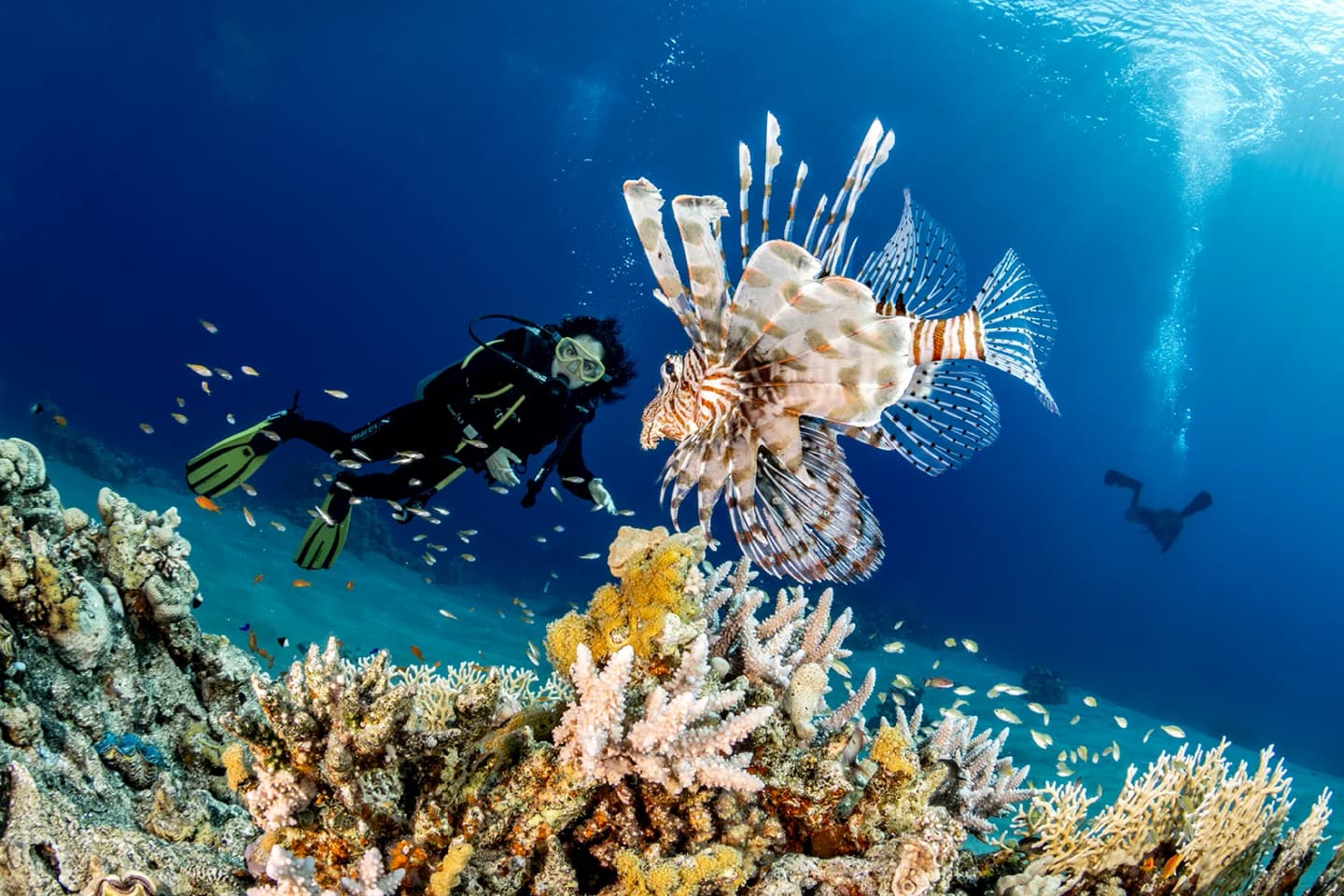
Sunrise slips across a glassy Red Sea as you zip your rash vest, not for a routine snorkeling tours, but to help outplant nursery-grown coral fragments. A marine biologist hands you a slate, a buddy checks your buoyancy, and that gentle fin-kick you’ve practiced means your holiday is literally rebuilding the reef beneath you.
What Makes This Experience Unique
These eco-resorts link leisure with measurable impact. Your room rate funds mooring buoys that prevent anchor damage, coral nursery fragments you help monitor, and seagrass mapping that tracks carbon storage. Visibility often runs 20–30 m, making activities deeply engaging and educational. You leave with skills, not just photos, and a reef that’s measurably better.
Where to Do It
For accessible coral gardens and established conservation outfits, base in the south of Sinai and around Marsa Alam. Start with the comprehensive Sharm El Sheikh travel guide for house reefs and boat trips to protected sites. In the Gulf of Aqaba, the laid-back Dahab travel guide points to shore entries and mellow currents that suit seagrass and fish surveys beautifully.
Best Time / Conditions
The Red Sea is year-round, with sea temperatures typically 22–29°C and calmest seas from late spring into autumn. Winter brings brisk winds and cooler mornings but stellar visibility. Early mornings offer gentler surface chop and better wildlife encounters. Boat rides to Ras Mohamed usually take 45–60 minutes, depending on conditions and route.
What to Expect
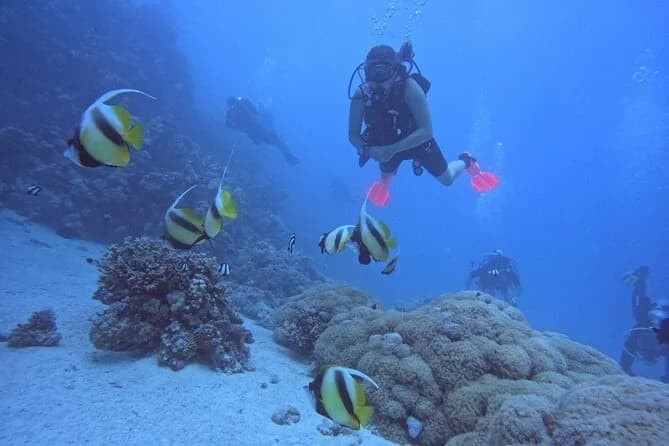
Expect a short briefing on buoyancy, finning, and coral-safe behavior, followed by supervised sessions at coral nurseries or seagrass meadows. Many house reefs start in shallow water, easing first-timer nerves. After lunch, you might log fish counts or help maintain mooring lines. Evenings cover data downloads and the day’s impact metrics with your guides.
Who This Is For
If you love the sea and want your trip to matter, this is for you—families with curious teens, first-time snorkeling toursers, certified diving experiencesrs, underwater photographers, and wellness travelers swapping passive pool days for purpose. Activities are tiered: gentle seagrass floats for beginners, nursery maintenance for confident snorkeling toursers, and guided monitoring diving experiencess for certified guests.
Booking & Logistics
Choose resorts that publish annual conservation metrics and partner with accredited marine scientists. From Sharm, a full-day White Island & Ras Mohamed snorkeling tour adds protected-site context to resort programs. In the south, consider Coral Garden snorkeling from Marsa Alam. Sharm’s airport to marina transfer is often 15–20 minutes; pack reef-safe sunscreen and closed-heel fins.
Sustainable Practices
FAQs
Do I need to be a certified diving experiencesr to participate?
How do I know my stay actually helps the reef?
What should I pack for a conservation-focused getaway?
When you drift back to shore, you’ll realize you’ve learned more than fish names—you’ve practiced stewardship. To extend your journey, plan gentle reef days via our Hurghada snorkeling guide and consider a deeper skills track with the Marsa Alam diving guide—two routes to keep turning holidays into habitat recovery.