From Market to Skillet: Red Sea Cooking Schools You Can Book on Holiday
Quick Summary: Traveler-friendly culinary schools along Egypt’s Red Sea lead you from fish market to kitchen, pairing hands‑on seafood lessons and Bedouin bread with coastal culture—so you leave with recipes, techniques, and the region’s soul on your palate.
On this coast, the day’s story begins before sunrise: boats slide into harbor, crates thud onto wet tiles, and sellers sing out the names of shimmering groupers and prawns. Red Sea cooking schools meet you right there—helping you choose a fish, carry it home, and turn it into dinner you’ll remember long after the tan fades.
What Makes This Experience Unique
Unlike hotel buffets, these intimate workshops braid together market literacy, seafood technique, and Sinai-Bedouin heritage. You’ll learn spice rubs built on garlic, cumin, and coriander, then pat thin dough onto a hot saj for blistered bread. Expect small groups, chef-led guidance, and recipes that respect the Red Sea’s 1,200+ marine species and the families who depend on them.
Where to Do It
In Hurghada’s old town, classes often begin at the fish market before moving to a home kitchen or studio; it’s a perfect add-on to a city tour of Hurghada. In Sharm, the Old Market pairs naturally with a hands-on session. Dahab leans rustic and Bedouin; shorefront cafés transform into classrooms, and time slows sweetly in Dahab.
Best Time / Conditions
Markets peak early—arrive by 8–9 a.m. to pick the freshest catch and beat the heat. October to May brings milder days and reliable breezes; summer afternoons can be toasty. Red Sea surface water ranges roughly from 22–24°C in winter to 26–29°C in summer, ideal for a dip while your tagine simmers.
What to Expect
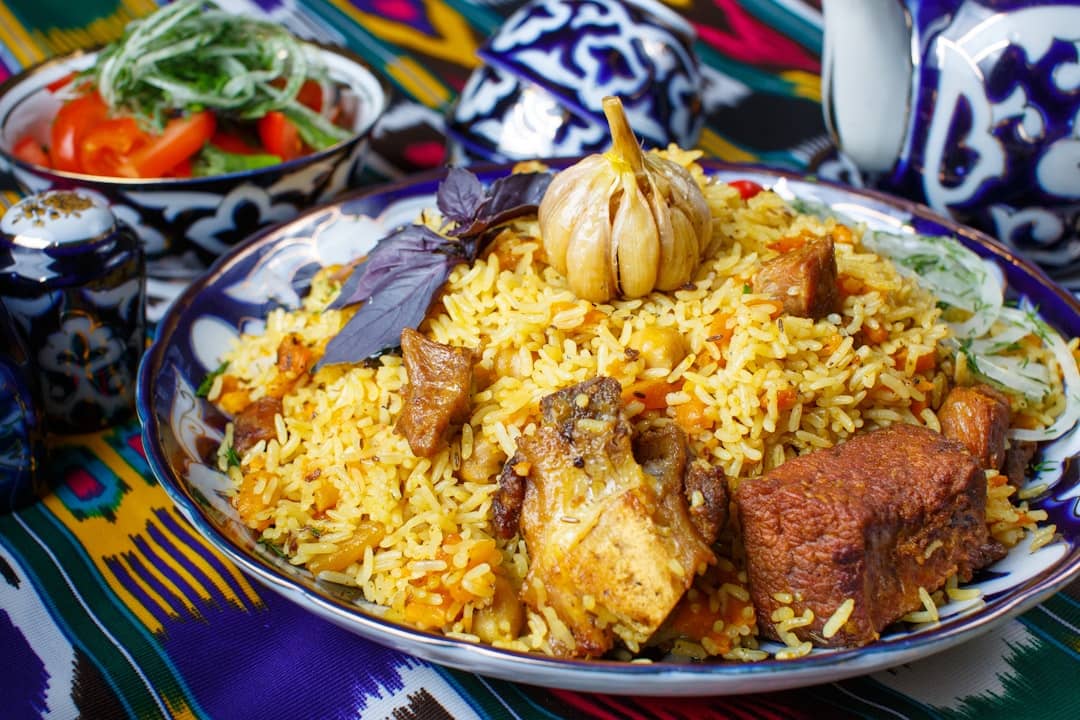
Most classes run three phases: choosing fish, prepping and cooking, then a communal meal. You might marinate bream with lemon and garlic, stir tahina salad, and bake saj bread before brewing Bedouin tea with sage. Safety and hygiene are emphasized; filleting, scaling, and grilling are taught step by step for confident home replication.
Who This Is For
Food-curious travelers, families, and divers on surface intervals all love it. If you prefer experiences over souvenirs, this is a bullseye: you leave with techniques, spice know-how, and local context. Pescatarians are especially well served, and most workshops can adapt for vegetarians with mezze, salads, and bread-centric menus.
Booking & Logistics
Reserve at least a day in advance and ask whether market time, transport, and recipes are included. Pair classes with guided market stops like a Hurghada city and shopping tour or a Sharm El Sheikh city and shopping tour. Flying in? Cairo to Hurghada is about a 60‑minute flight, making a weekend culinary escape surprisingly simple.
Sustainable Practices
Choose seasonal, line-caught fish and skip parrotfish or undersized grouper—your instructor will guide species choices. Favor reusable shopping totes, bring a water bottle, and cook with charcoal responsibly. For broader low-impact planning around reefs and towns, see our sustainable Red Sea travel tips to keep your footprint—and the sea—clean.
FAQs
Visitors often ask whether classes suit absolute beginners, how market bargaining works, and what to wear. The short answer: yes, expect patient, practical teaching; guides help negotiate or set fair prices; and light, breathable clothing with closed-toe shoes is best for slippery market floors and hot grills.
Are classes beginner-friendly if I’ve never cooked fish?
Absolutely. Instructors walk you through freshness checks—bright eyes, firm flesh, clean sea smell—then demonstrate cleaning and filleting before you try. Expect clear knife-safety tips, marinade basics, and heat control for pan, oven, or grill, so you’ll reproduce the dish confidently back home without special equipment.
How do I handle the market if I don’t speak Arabic?
Most tours include translation, and prices are typically marked by weight. Your guide will suggest sustainable species, confirm weight on the scale, and handle the haggle if needed. If you’re solo, smile, point, and use your phone calculator; vendors are used to tourists and appreciate direct, polite transactions.
Can dietary needs be accommodated?
Yes. Many classes adjust spice heat, swap butter for oil, and add vegetarian plates like tahina, baladi bread, and salads. Always inform the host in advance about allergies or strict diets. If you avoid seafood, consider bread and mezze-focused sessions or Bedouin tea and baking experiences in seaside settings.
Follow the tide, not the buffet. Start at the quay, choose wisely, cook slowly, and taste the coast with intention—whether you base yourself in lively Hurghada or unhurried Dahab. For trip-smarts, balance costs with this Hurghada vs Dahab budget advice, then weave in a market-led tour before your class for the most flavorful day of your holiday.