Quick Summary: The Red Sea is a major hub for diving, resorts, and coastal cities like Sharm El Sheikh, Hurghada, Dahab, and Marsa Alam, each with a different vibe and price point. This guide cuts through the marketing and shows how to choose your base, time your trip, avoid common scams, and dive without trashing the reefs. Use it to match your budget and style to the right stretch of coast and plan a realistic 2026 Red Sea dive trip.
| Feature | Sharm El Sheikh | Hurghada | Dahab | Marsa Alam |
|---|---|---|---|---|
| Vibe | Glamorous, International | Bustling, Egyptian | Bohemian, Laid-back | Remote, Untouched |
| Crowds | Crowded | Moderate | Quiet | Very Quiet |
| Price | Expensive | Affordable | Very Affordable | Moderate |
| Best For | Wrecks, Walls, Nightlife | Easy Diving, Good Value | Shore Diving, Adventure | Big Fish, Pristine Reefs |
The Red Sea conjures images of sun-drenched landscapes, turquoise water, and dense marine life just below the surface. For decades it has pulled in divers, adventurers, and sun-seekers because coral gardens are stacked with life, wrecks carry real history, and seeing large animals in the water is a realistic possibility. With a coastline that runs for thousands of kilometers and multiple resort towns competing for your booking, this guide exists to help you cut through the noise and plan a trip that actually matches how you travel.
Why This Guide Exists
Planning Red Sea travel is messy because Sharm El Sheikh, Hurghada, Dahab, and Marsa Alam all market themselves as “the” answer, but each demands a different budget, tolerance for crowds, and comfort level in the water. This guide functions as your filter: it compares the four main hubs side by side, spells out pros and cons instead of slogans, and is honest about where feels touristy, where is quieter, and where infrastructure is still thin. The goal is simple: help you pick the right base, know when to go, and avoid rookie mistakes around bookings, scams, and reef damage.
The Landscape & Context
The Red Sea is a long, narrow body of water bordered by multiple countries and lined with resort cities that sit close to reef systems, drop-offs, and wrecks. On the Egyptian side alone, the shoreline runs for thousands of kilometers, which is why you see such different scenes between Sharm El Sheikh, Hurghada, Dahab, and Marsa Alam. Sharm is the polished veteran plugged into Ras Mohammed National Park and the Straits of Tiran. Hurghada spreads out along the mainland with local neighborhoods, marinas, and access to reefs and wrecks by dayboat. Dahab is smaller and focused on shore-entry dive sites like the Blue Hole and the Canyon. Marsa Alam sits farther south, closer to less disturbed reefs, seagrass beds with dugongs, and offshore spots where oceanic whitetip sharks are still seen. All of this sits under strong sun, dry desert air, and a clear split between what you see above the water—markets, calls to prayer, roads—and the relative quiet once you drop below the surface and hear only your own breathing.
Part 2: The Options (Comparison)
Choosing your base is the most important Red Sea travel decision you will make, because it locks in your daily costs, dive style, and off-water experience.
Sharm El Sheikh: The Glamorous Veteran
Sharm El Sheikh is the established leader: large all-inclusive resorts, international chains, and nightlife sit alongside dive centers that run boats to Ras Mohammed National Park and the Straits of Tiran. The diving is strong, with walls, current, and healthy coral, but you pay for the convenience and the name recognition.
- Pros: World-class diving, active nightlife, a wide range of accommodations and restaurants, and plenty of family-friendly setups.
- Cons: Can be expensive, crowded, and feel heavily tourist-oriented in many districts.
Hurghada: The Bustling Hub
Hurghada positions itself as the accessible Red Sea city. It is generally cheaper than Sharm and feels more local once you step away from the resort strip. You have markets, bars, and restaurants, plus a solid spread of reefs and wrecks accessible by boat, with realistic chances of seeing dolphins and turtles.
- Pros: Affordable, good value for money, visible local culture, and excellent diving variety.
- Cons: Can be noisy and chaotic in some areas, and parts of the coastline are heavily built up.
Dahab: The Bohemian Choice
Dahab is smaller and more relaxed. It attracts divers, freedivers, and long-stay travelers who want shore diving and a slower pace. The focus is on access to dive sites like the Blue Hole and the Canyon directly from the shore rather than liveaboards or long boat days.
- Pros: High-quality shore diving, a relaxed and bohemian feel, relatively low costs, and a strong sense of community.
- Cons: Limited nightlife and restaurant variety compared with Sharm or Hurghada, and fewer classic all-inclusive resort options.
Marsa Alam: The Final Frontier
Marsa Alam sits farther from the main tourist circuits, with fewer towns and more focus on reef quality and encounters with large marine life. This is where people go hoping to see dugongs, dolphins, and oceanic whitetip sharks, with a quieter atmosphere and more emphasis on eco-focused operations.
- Pros: Reefs in better condition, more realistic encounters with larger animals, quieter surroundings, and operators that often emphasize sustainability.
- Cons: Harder to reach, with limited infrastructure, fewer non-diving distractions, and less redundancy if something in your plan falls through.
Part 3: The Logistics (How to Do It Right)
Reaching the Red Sea is straightforward on paper. International airports sit in Sharm El Sheikh, Hurghada, and Marsa Alam, so you can fly directly into your chosen base in many cases. From the airport, you move by taxi or bus to your hotel or dive center. That is where the details matter: airport taxis often use fixed pricing, but elsewhere you will negotiate or rely on ride arrangements from your hotel or operator. Long-distance buses link the main Red Sea hubs but can be slow and basic, so factor that into transfer days between cities.
The timing of your trip is just as important as your choice of city:
- For the best diving conditions: Aim for spring (March–May) or autumn (September–November) when water temperatures are comfortable and visibility is generally at its best.
- For the best deals: Summer (June–August) brings high air temperatures and thinner crowds, which often translates into better prices on stays and some activities.
- To avoid crowds: Winter (December–February) offers milder weather on land and quieter resorts, which suits people who care more about space than peak heat.
| Month | Avg. Air Temp (°C) | Avg. Water Temp (°C) | Avg. Wind Speed (knots) |
|---|---|---|---|
| Jan | 20 | 22 | 10-15 |
| Feb | 21 | 21 | 10-15 |
| Mar | 24 | 22 | 15-20 |
| Apr | 28 | 24 | 15-20 |
| May | 32 | 26 | 10-15 |
| Jun | 35 | 28 | 10-15 |
| Jul | 36 | 29 | 10-15 |
| Aug | 36 | 30 | 10-15 |
| Sep | 33 | 29 | 10-15 |
| Oct | 30 | 27 | 10-15 |
| Nov | 26 | 25 | 10-15 |
| Dec | 22 | 23 | 10-15 |
Insider Tips & Scams to Avoid
The Red Sea region is generally friendly, but money friction points show up quickly if you are not prepared.
- Taxis: Before you sit down, agree on a price. Airport taxis usually work on fixed rates, but in town you are expected to negotiate. If a driver refuses to talk price upfront, walk away.
- Bargaining: Haggling is normal for souvenirs, some services, and many rides. If you do not negotiate, you will overpay. Keep it firm, not aggressive.
- Tipping: Tipping is embedded in daily life. Plan on roughly 10% of the bill in restaurants and small tips for porters, boat crews, and drivers.
- "Pay Cash on Arrival": Many tour operators and dive centers push you to pay fully in cash once you arrive. This is common but risky: once the cash leaves your hand you effectively have no formal recourse if the trip gets canceled, safety standards are poor, or the operation misrepresents what you bought.
Safety & Ethics
The Red Sea’s reefs and animal life are under pressure from tourism, boat traffic, and careless divers. If you want this area to stay diveable, your choices matter.
- Choose a reputable dive center: Look for certification from recognized agencies such as PADI or SSI and operators that brief you clearly on safety and environmental rules.
- Hands off the reef: Coral is living tissue. Even a light kick or grab can kill sections of reef and start a chain reaction of damage.
- Do not feed fish: Feeding alters natural behavior and makes marine life associate humans with food, which is bad for them and can be dangerous for you.
- Respect local culture: You are in a conservative country. Dress modestly away from the beach, especially in towns and villages, and treat religious spaces and customs with respect.
Booking & Logistics
The most common booking wrinkle you will face is the “pay cash on arrival” model used by many Red Sea tour and dive operators. It often comes with a lower advertised price and flexibility to tweak dates or dives, but the trade-off is risk: if the operator cancels late, downgrades the experience, or ignores safety standards, your leverage is basically zero once you have handed over cash. A more cautious approach is to reserve through platforms or agencies that give you written confirmation, clear cancellation terms, and some form of support if something goes wrong. When you do choose to pay in cash, back it up with research—look for recent reviews, clear communication before you travel, and transparent equipment, boat, and safety information instead of vague promises.
FAQs
1. Is the Red Sea safe?
The Red Sea region is relatively safe, with established resort zones and heavy dependence on tourism. That said, you still need basic travel sense: watch your belongings, be cautious with late-night taxis, and be alert to overcharging or small-scale scams around transport and tours.
2. What is the best time to visit the Red Sea?
The best time depends on priorities. For diving conditions, spring and autumn (roughly March–May and September–November) give warm water and strong visibility. For cheaper prices, summer (June–August) is hotter but less crowded. For quieter resorts and mild weather, winter (December–February) works well if you can handle slightly cooler air and water.
3. What should I pack for a trip to the Red Sea?
Beyond your standard travel kit, you will need high-SPF sunscreen, a hat, sunglasses, and a reusable water bottle to deal with strong sun and dry air. If you are diving, bring your certification card, logbook, and any personal gear you rely on (mask that fits, computer, etc.) so you are not stuck with unfamiliar rental equipment for critical items.
4. Do I need a visa to visit Egypt?
Most travelers do need a visa. Many nationalities can get one on arrival at major airports, while others may need to apply in advance through an embassy or online system. Check your specific passport rules before booking flights so you are not surprised at the border.
5. What is the currency in Egypt?
The local currency is the Egyptian pound (EGP). You will use it for day-to-day expenses like food, tips, and local transport. Some larger hotels and dive centers accept cards or foreign currency, but assume that smaller vendors and many “pay cash on arrival” setups are strictly cash in EGP.
6. What is the best way to get around the Red Sea?
Short distances in resort areas usually mean taxis or pre-arranged transfers, which are convenient but can be expensive unless you lock in the fare upfront. Buses connect major cities along the Red Sea and are cheaper, but they can be crowded, slow, and less comfortable, so build in extra time and keep expectations practical.
7. What is the diving like in the Red Sea?
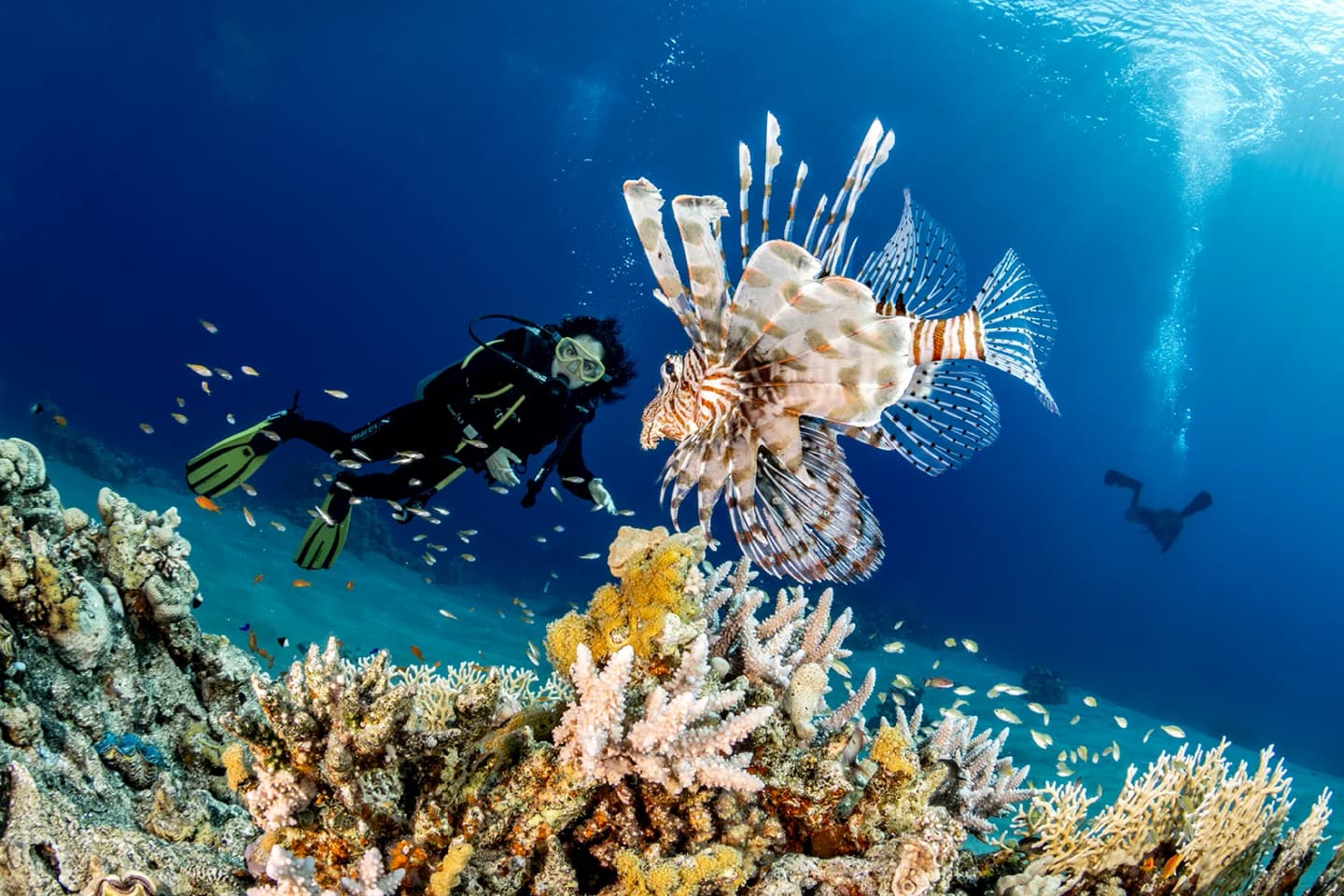
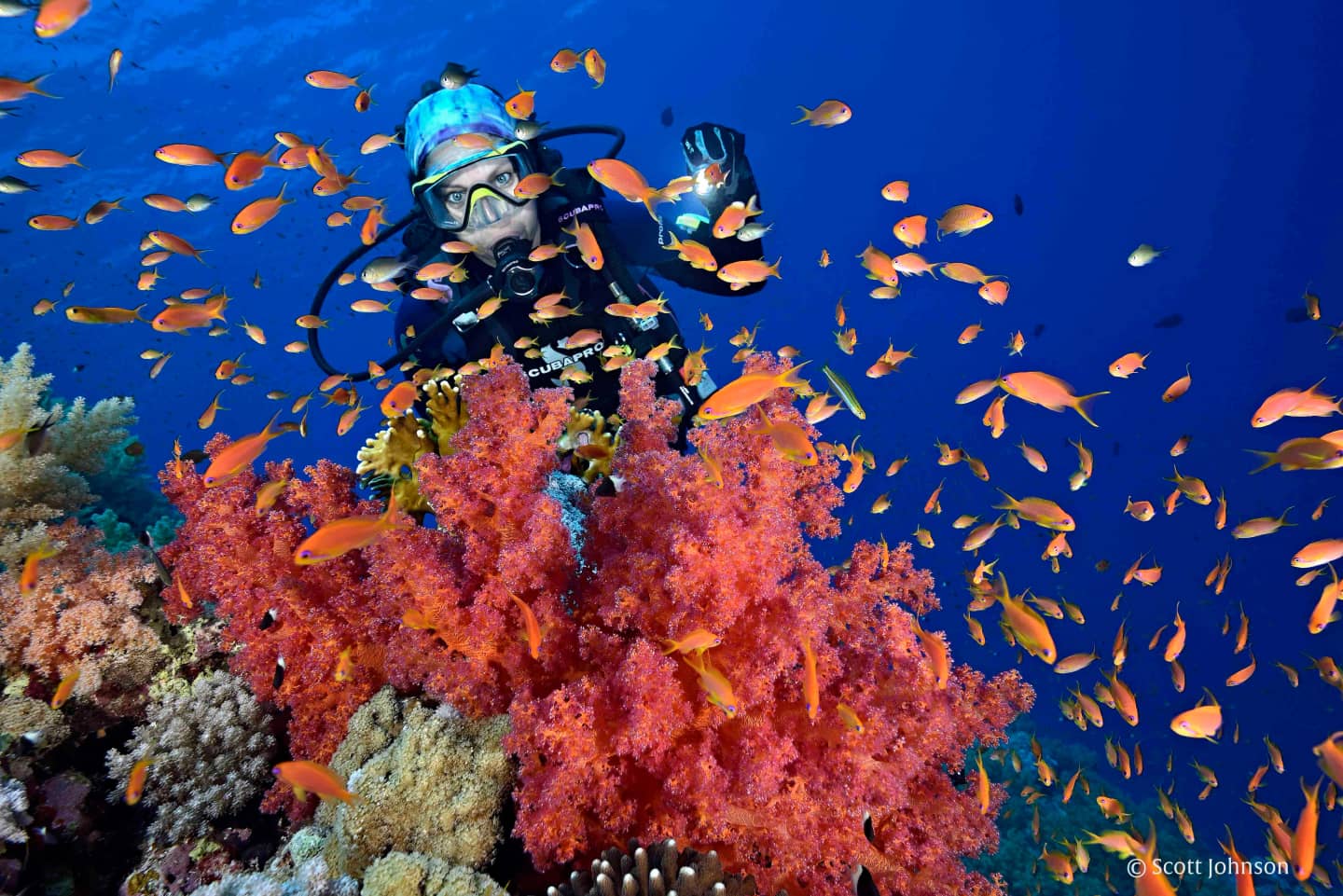
Diving in the Red Sea is known for warm, clear water and reefs with plenty of life, from dense coral structures to schooling fish and occasional whale sharks. Expect everything from simple house reefs to deep walls, wrecks, and offshore sites with stronger currents and large pelagics, depending on where you base yourself.
8. What is the food like in the Red Sea?
Food mixes Egyptian staples with broader Middle Eastern dishes. You will find plates like koshari (rice, lentils, and pasta with sauce) and ful medames (slow-cooked fava beans) alongside grilled meats, fresh bread, and seafood in coastal areas. Street food is cheap but can be heavy; hotel and resort meals skew safer and more international.
The Red Sea is not a one-size-fits-all destination; it is a set of very different coastal cities and reef systems stitched together by the same strip of water. Decide what matters most to you—budget, nightlife, shore diving, large animals, or quiet—and then use that as your filter for picking Sharm, Hurghada, Dahab, or Marsa Alam and building a trip that matches your reality rather than the brochure version.
Further reading on Routri:
- Year‑round Red Sea travel guide from Hurghada to Dahab
- Affordable Red Sea vacation guide for Egyptian travelers
- 7‑day coastal itinerary linking the Red Sea and Alexandria
- Red Sea travel apps to plan dives and get around Hurghada, Sharm, and Dahab
- Red Sea honeymoon planner for Sharm, Dahab, and Marsa Alam
- Red Sea hotels guide for choosing a base in Sharm, Dahab, and Hurghada
- Red Sea transport guide for boats, charters, and road links
- Free things to do around the Red Sea coast
- Red Sea stays by budget in Sharm, Dahab, Hurghada, and Marsa Alam
- Hurghada and Sharm airports navigation guide