Red Sea Diving’s Greatest Hits: Ras Mohammed Walls to the Thistlegorm’s Time‑Capsule
Quick Summary: From effortless Ras Mohammed drifts and Dahab’s Blue Hole edges to the Thistlegorm’s cargo decks, Sataya’s spinner dolphins, and Abu Dabbab’s dugongs, this guide pairs each iconic site with the best season, skill level, and logistics so your next plunge matches your appetite for coral, wrecks, or wildlife.
Dawn light turns the Sinai cliffs honey‑gold as your boat noses toward Ras Mohammed’s coral cathedrals. Down south, Marsa Alam’s reefs trade crowds for raw encounters—oceanic whitetips off Elphinstone, turtles grazing in Abu Dabbab. In between, the Red Sea stitches history to adrenaline: Dahab’s Blue Hole edges, and the SS Thistlegorm’s haunting cargo.
What Makes This Experience Unique
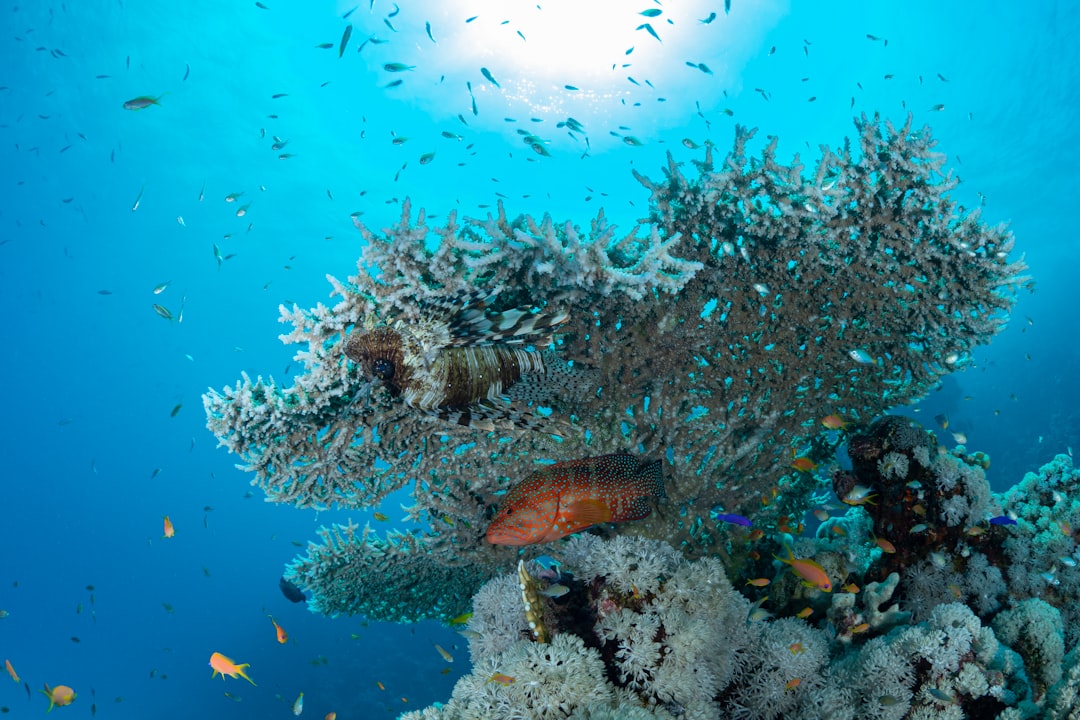
The Red Sea takes underwater variety to extremes within a compact coastline. One day you’re drifting past Ras Mohammed’s coral buttresses, the next you’re gliding through the Thistlegorm’s holds or hovering beside a dugong over seagrass. Visibility routinely hits 20–40 m, corals are resilient, and pelagics patrol steep, current‑washed walls.
Where to Do It
Base in Sharm for Ras Mohammed, the Straits of Tiran, Dahab day trips—and that bucket‑list wreck. Use our Sharm El Sheikh travel guide for local briefings and operator picks Sharm El Sheikh travel guide. Choose Marsa Alam for shore‑entry bays, Sataya’s dolphins, Abu Dabbab’s turtles, and offshore Elphinstone; start with this on‑the‑ground primer Marsa Alam travel guide.
Best Time / Conditions
Expect 22–24°C water in winter, warming to 28–30°C late summer, with 20–40 m visibility most months. Hammerheads peak around May–July at offshore reefs; oceanic whitetips are most reliable Oct–Dec at Elphinstone and the Brothers. Summer calm favors long day boats; shoulder seasons mean cooler decks but fewer crowds.
What to Expect
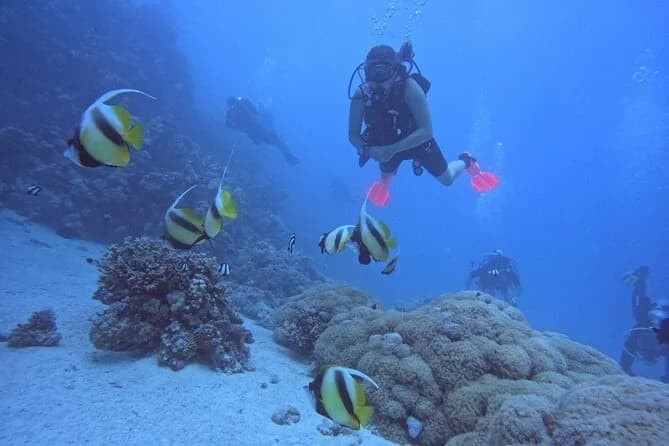
Ras Mohammed delivers swift drifts past 5–30 m walls braided with soft corals. Thistlegorm sits about 16–30 m with holds brimming with trucks and motorcycles; it’s a 3–4‑hour sail each way from Sharm. Dahab’s Blue Hole is advanced: stay on the outer wall and guided lines; the Arch at 56 m is technical‑only.
Who This Is For
New divers thrive on shallow Ras Umm Sid and sheltered house‑reef entries. Confident Advanced Open Water divers can enjoy Thistlegorm penetration light, Tiran’s gardens, and Dahab walls. Big‑animal seekers should target Marsa Alam for Elphinstone and seasonal pelagics; snorkel‑first travelers will love Sataya dolphins and Abu Dabbab’s turtle meadows.
Booking & Logistics
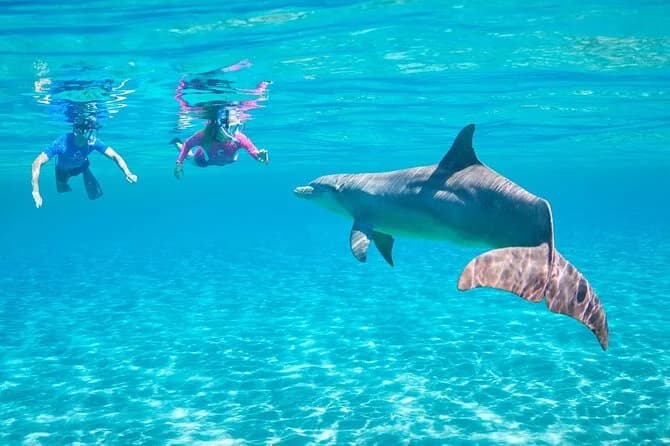
For Ras Mohammed, a combined dive‑snorkel boat day keeps mixed groups happy—this is a reliable start Ras Mohammed & White Island diving tour. From Marsa Alam, plan a 60–90‑minute cruise to the lagoon for ethical, surface‑only dolphin encounters Sataya Dolphin House snorkeling. Bring an SMB, consider nitrox, and size suits: 3 mm summer, 5–7 mm winter.
Sustainable Practices
Choose operators that use mooring buoys, enforce hands‑off wildlife codes, and brief no‑touch coral etiquette. Wear reef‑safe sunscreen or long‑sleeve rash guards. At Sataya and Abu Dabbab, keep distance: no chasing dolphins, no blocking dugongs surfacing, and avoid seagrass trampling. Take only photos; leave only slow, careful bubbles.
FAQs
This cheat sheet pairs headline sites with realistic profiles so you can match skills to conditions. Think Ras Mohammed for easy drifts, Thistlegorm for history at recreational depth, Dahab for disciplined advanced wall dives, and Marsa Alam for pelagics and gentle seagrass wildlife—plus when to time your trip for sharks or warmest water.
Do I need to be advanced to dive here?
No—there’s excellent beginner diving on sheltered reefs around Sharm and Hurghada, and from shore in Marsa Alam’s bays. However, currents, depth, and boat time raise the bar at Ras Mohammed, Tiran, and the Thistlegorm. For Blue Hole walls and sharky offshore sites, Advanced certification and recent drift experience are best.
What’s the safest way to see dolphins and dugongs?
Sataya is snorkel‑only; stay calm at the surface, keep hands tucked, and let the pod choose the encounter. For dugongs, Abu Dabbab’s protocol is slow approach, no diving down, and never blocking breathing lanes. Guides should set safe distances, rotate groups, and call it if animals show avoidance or stress.
Liveaboard or day boats—which is better for sharks and wrecks?
Day boats are perfect for Ras Mohammed and Thistlegorm, weather permitting, and keep costs lean. Liveaboards unlock the Brothers, Daedalus, and remote reefs with four dives per day and dawn entries—ideal for hammerhead schooling windows. If time is tight, pair a Sharm wreck day with a Marsa Alam Elphinstone run.
Chase what moves you: kaleidoscopic walls, story‑rich steel, or gentle megafauna. For deeper reading before you book, scan our expert breakdown of Sharm’s signature sites—including the Thistlegorm—in this guide best scuba dive sites in Sharm el Sheikh, then set your wishlist against this big‑picture round‑up of seasonal shark and dolphin highlights iconic Red Sea dives.