El Gouna’s Kitesurfing Lagoons: The Right Spot for Every Rider
Quick Summary: El Gouna’s shallow lagoons and steady trade winds make progression intuitive for first-timers, fun for improvers, and fast for experts. Use this rider-first map of spots, seasons, and logistics to unlock buttery flats, playful chop, and island downwinders—plus seamless access to Red Sea sailing, diving, and snorkeling.
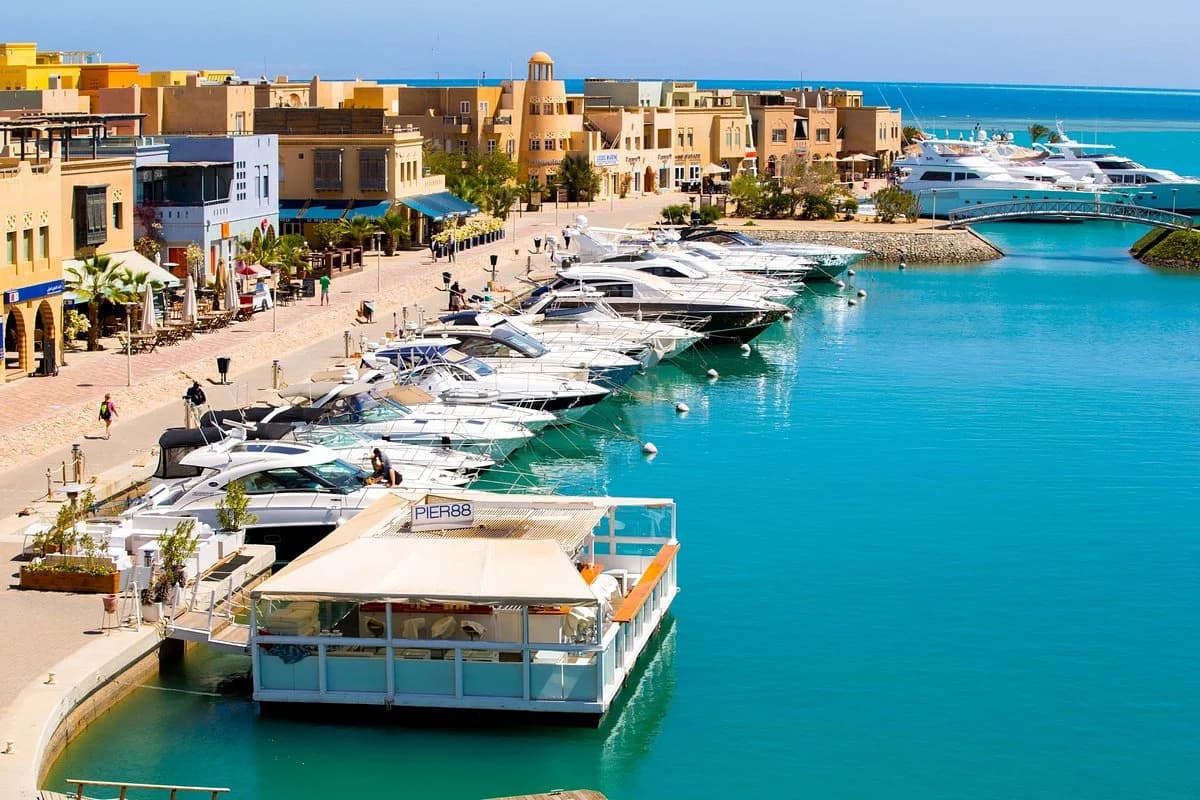
Morning thermals sweep down El Gouna’s honeycomb of lagoons, ironing the water into glassy training lanes. Kites lift, a few tacks later you’re carving beside pale sandbars while the Red Sea flashes cobalt beyond. Evenings drift toward marina promenades, anchored by cafes, sunset bars, and the easy-going polish that makes El Gouna hum.
What Makes This Experience Unique
El Gouna packages progression beautifully: ultra-shallow lagoons for beginners, forgiving chop for intermediates, and tidy, wind-bent swell outside the reefs for experts. The town itself is built for watersports, with quick rescue services, pro schools, and walkable bases—plus polished evenings at Abu Tig Marina when the wind meter finally settles.
Where to Do It
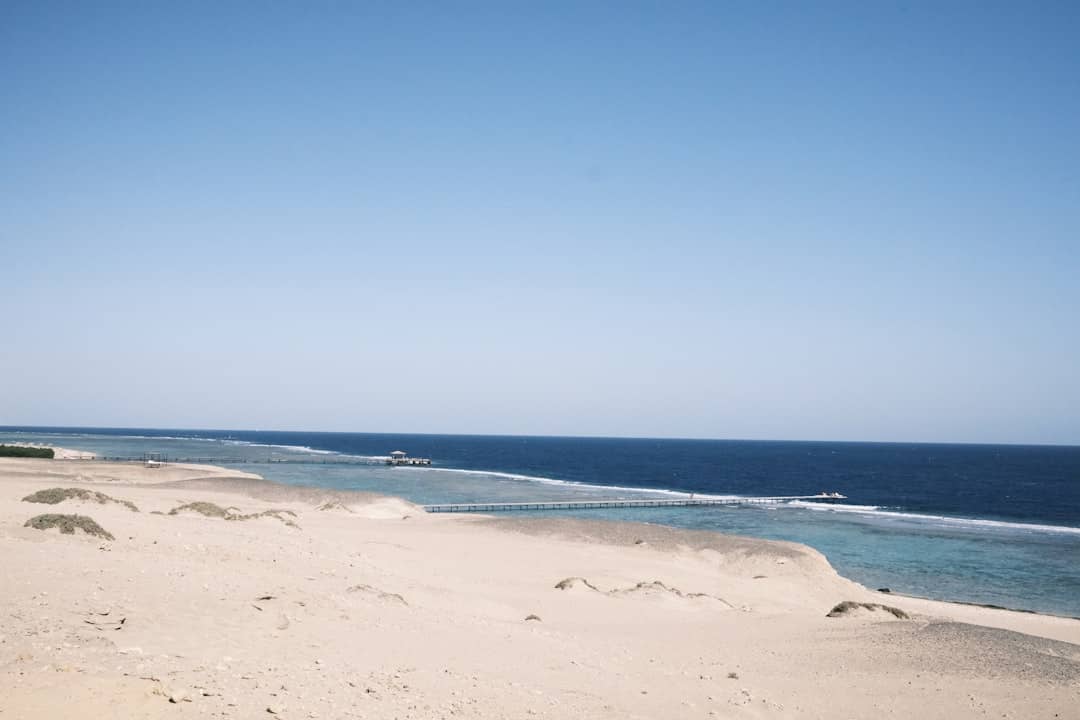
Mangroovy’s main lagoon is the starter classroom: knee-to-waist-deep flats, wide launch zones, and clean wind lanes. Intermediates can edge toward the sandbar edges for longer tacks. Advanced riders head just outside the reef for speed runs and occasional downwinders along the coast, then glide back into the calm water for an easy finish.
Best Time / Conditions
Peak wind runs March to October, when thermals amplify prevailing northerlies to 15–25 knots most afternoons. Winter remains rideable with 12–20 knots and cooler air. Water averages roughly 22–29°C across the year; pack a 3/2 shorty in shoulder months and a light spring suit mid-winter for long sessions.
What to Expect
Beginners progress fast in 0.5–1.2 m-depth lagoons that simplify relaunches and self-rescue. Intermediates can work on staying upwind, transitions, and first jumps on steady flats. Freestylers hunt low-tide butter near sandbar edges. Cable fans cross-train at Sliders Cable Park to refine pop, edging, and rail control on no-wind days.
Who This Is For
First-timers craving a safe, confidence-building start; improvers aiming to lock in upwind and pops; foilers and twintippers who love forgiving terrain; and experts seeking fast downwinders and day-to-day reliability. Even non-kiters win here: polished marina strolls, the best restaurants in El Gouna, and gentle snorkeling make windless days feel like a plan, not a compromise.
Booking & Logistics
Pre-book lessons in the 2025 season; prime weeks sell out. Most schools recognize IKO/VDWS levels and include rescue. Hurghada Airport sits about 25 km south—roughly 35 minutes by road. If you’re trip-planning for non-kiters, consider an El Gouna City Tour. New to the sport? Start with our kitesurfing beginner & pro guide.
Sustainable Practices
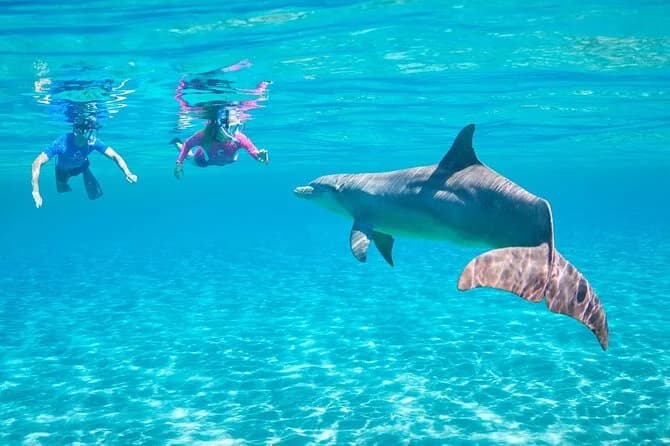
Rig above the tide line, avoid trampling seagrass, and never step on coral heads during walks. Use reef-safe sunscreen and refillable bottles; El Gouna’s heat dehydrates fast. Respect right-of-way rules near launch zones. Give turtles and dolphins wide, unhurried space. Keep lines tight on beach moves and land foils far from foot traffic.
FAQs
Here’s what riders ask most when choosing their first Red Sea sessions or plotting a return. It covers wind ranges and kite sizes, seasonal gear, and how the tide influences lagoon depth and safety boats. Use this as your pre-trip checklist before ordering a quiver or confirming your lesson package.
What kite sizes work best through the year?
Summer thermals favor 8–12 m for most riders around 70–85 kg, with 7 m days in peak blows. In winter, expect 12–15 m to see the most action. Lighter or heavier riders adjust a size. Pack a dependable 9 or 10 m as your daily driver, plus a bigger sail for shoulder months.
Do I need booties or a wetsuit in El Gouna?
Booties are smart for shell fragments and hot sand, especially at low tide. Through warm months, many ride in rash guards and boardshorts; in cooler seasons, bring a 2/2–3/2. If you’re cold-prone or plan long sessions, a thin spring suit adds comfort without sacrificing mobility.
How much do tides affect the lagoons?
Tides reshape the training canvas. At mid to low tide, the lagoon turns buttery and shallow—ideal for lessons and freestyle. Extremely low water can expose patches you’ll walk around. At higher tides, expect more chop, easier launches, and deeper relaunch zones. Schools adjust timing to match the friendliest window.
El Gouna keeps rewarding curiosity: one day buttery flats, the next a playful downwinder, and always an elegant backdrop—from Abu Tig Marina promenades to standout restaurants. When you want the full picture—winds, venues, and events—dip into our overview of El Gouna luxury living to plan sessions that fit your style.