Red Sea Liveaboard Diving 2025: The Best Routes and Boats to Where the Reefs Begin
Quick Summary: Sleep where the action is. In 2025, the smartest Red Sea liveaboards pair North Wrecks & Reefs (Ras Mohammed, Thistlegorm) with pelagic-packed BDE (Brothers, Daedalus, Elphinstone) for 18–20 dives/week, minimal transfers, nitrox on tap, and the camaraderie only life at sea delivers.
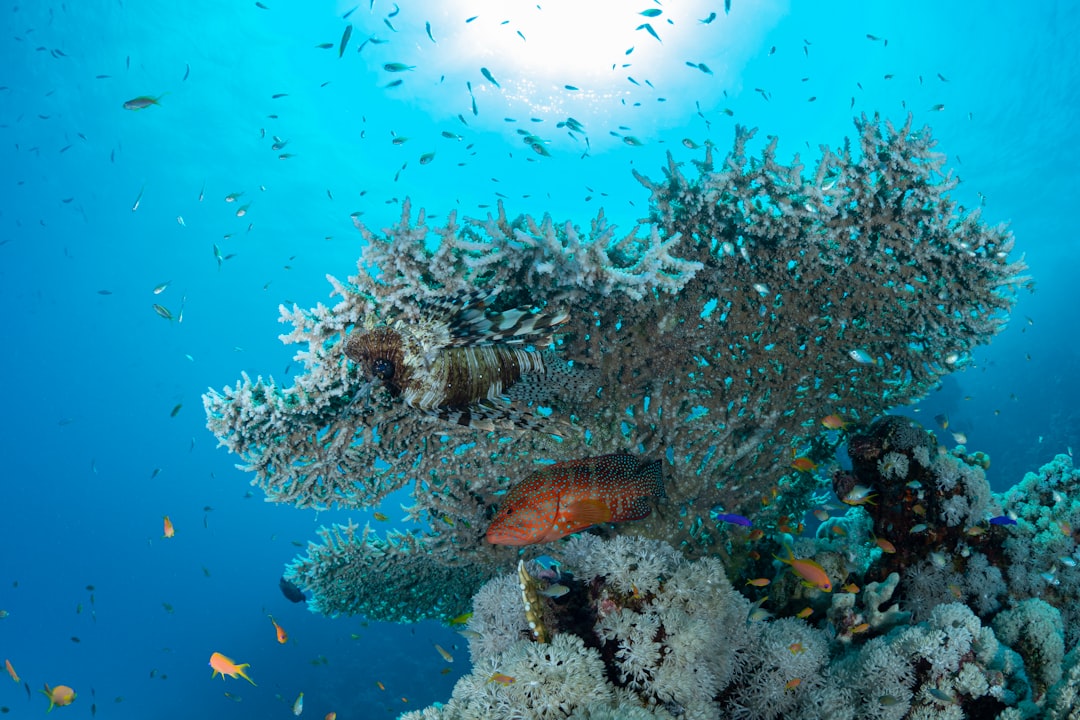
Wake to the slap of water on the hull, a coffee in hand, and a dawn roll-in over a cobalt plateau. A Red Sea liveaboard rewrites the diver’s day: no buses, no docks—just Ras Mohammed’s technicolor walls, the SS Thistlegorm’s WWII time capsule, and offshore seamounts where hammerheads and oceanic whitetips materialize from blue. Routes are the secret sauce, but so is boat life: long briefings, nitrox fills, fresh galley fare, and friendships forged under milky ways and between repetitive dives on glassy seas.
What Makes This Experience Unique
Liveaboards swap commute for immersion. Expect 3–4 dives daily, including night dives when conditions allow, with 18–20 dives over a typical week. The proximity pays off: Thistlegorm’s decks sit roughly 16–22 m with the seabed near 30 m, while remote reefs deliver blue-water pelagics at safe, briefed depths—without racing the last day boat back to shore.
Where to Do It
Two headline routes dominate. North Wrecks & Reefs hits Ras Mohammed and the Thistlegorm, often staging from Sharm El Sheikh. For sharks and blue horizons, the BDE triangle—Brothers, Daedalus, Elphinstone—typically departs from the Hurghada–Marsa corridor, with easy access via Hurghada. For deeper planning, browse the best Red Sea diving spots across both itineraries.
Best Time / Conditions
Most boats sail year-round. Expect water temps of roughly 22–24°C in winter, rising to 27–29°C in late summer; plan thicker exposure protection for February breezes. Mantas and hammerheads tend to favor spring and early summer on offshore mounts, while October–December is prime at Elphinstone for oceanic whitetips on crisp morning drifts.
What to Expect
North routes combine Ras Mohammed’s walls with a measured Thistlegorm day: spaced penetrations, line protocols, and crowd-aware timings. Day boats reach Ras Mohammed in about 45–60 minutes, but your liveaboard beats the rush. Offshore, BDE means early drops on blue plateaus, live boat pickups in gentle to moderate currents, and safety sausages as second nature.
Who This Is For
Confident Open Water divers thrive on the North route, with optional Advanced Deep specialties boosting comfort at the Thistlegorm. BDE is best for Advanced and Nitrox-certified divers comfortable in currents and blue-water ascents. Photographers, buddy pairs, and solo travelers appreciate the rhythm: brief, dive, debrief, repeat—plus the easy social alchemy of shared logbooks.
Booking & Logistics
Choose route before boat. For the North, look for nitrox, zodiac support, and a dive deck with ample camera stations; BDE benefits from steel hulls and twin engines for stability offshore. If you’re Sharm-based, a Ras Mohammed diving day boat previews conditions; many operators also run a White Island & Ras Mohammed boat for mixed groups.
Sustainable Practices
Pack reef-safe habits: perfect neutral buoyancy, no-touch photography, and streamlined gear to avoid coral contact. Favor boats that brief mooring etiquette, minimize single-use plastics, and treat wastewater responsibly. In currents, keep formations tight and descents controlled; offshore reefs are fragile and remote, and good practice is the best conservation tool we carry aboard.
FAQs
Liveaboards feel immersive, but first-timers often share the same practical questions. The essentials below cover daily dive rhythm, certifications, and packing smart for comfort between Red Sea sun and air-conditioned cabins. For deeper inspiration on signature sites, browse our guide to iconic Red Sea dives on your first mention list.
How many dives will I do in a week?
Most seven-night itineraries deliver 18–20 dives, including check dives, night dives when conditions allow, and 3–4 dives on full days. Offshore routes may add early blue-water drops and pause for longer transits. The final day typically tapers to protect no-fly windows; always follow your boat’s conservative profiles and computer guidance.
Do I need Advanced or Nitrox for BDE?
Advanced Open Water and Nitrox are strongly recommended for Brothers, Daedalus, and Elphinstone. You’ll benefit from extended bottom times on 25–30 m plateaus and comfort in current, blue-water ascents, and live boat pickups. Many boats offer onboard training, but arriving certified ensures you maximize the route from the first briefing.
What should I pack beyond core dive gear?
Bring a 5–7 mm suit in winter or a 3–5 mm in warmer months, a hooded vest for windier crossings, reef-safe sunscreen, a DSMB with spool, and a lightweight poncho or deck jacket. Photographers should carry backups for O-rings and chargers. Soft bags stow best in cabins; include seasickness bands just in case.
From Ras Mohammed’s technicolor drifts to BDE’s pelagic plateaus, the Red Sea rewards those who sleep where the reefs begin. Pick the route that matches your comfort, choose a boat built for the miles, and let the rhythm of eat–sleep–dive–repeat turn legends into logged reality.