Egypt by Sea: A 7‑Day Slow‑Travel Itinerary from Red Sea Reefs to Mediterranean Sunsets
Quick Summary: A restorative week pairing Red Sea reefs with Mediterranean beach days: slow island snorkeling tours in Hurghada, iconic coral walls near Sharm, bohemian Dahab cafes, and Alexandria’s seaside promenades—stitched together with seafood lunches, sunset boat tripss, and culture-rich city walks.
Begin on the Red Sea’s clear, fish-bright shoals before drifting north to the Mediterranean’s breezy promenades. You’ll ease into Hurghada’s island-hopping tempo, skim coral gardens off Sharm El Sheikh, and lounge between swims and mint tea in Dahab. Then pivot to Alexandria for beach time, seafood grilled to order, and golden-hour boat tripss—a week tuned for recovery, flavor, and ocean horizons.
What Makes This Experience Unique
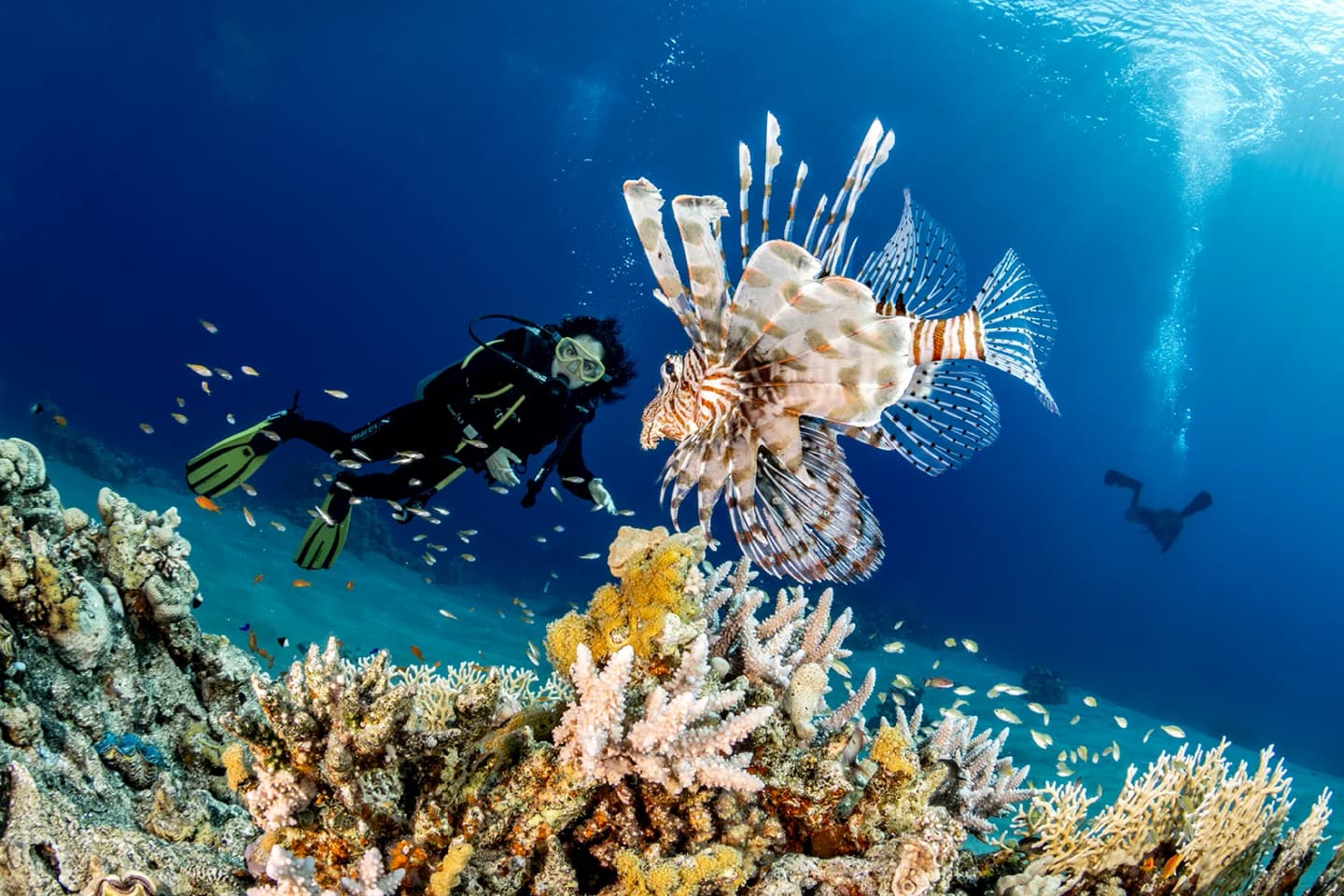
This itinerary slows the classic Egypt “grand circuit” into a coastal retreat. It pairs calm-water snorkeling tours and beginner-friendly diving experiencess with urban promenades, harbor sunsets, and market-to-grill seafood. The contrast—20–30 m Red Sea visibility, then Mediterranean evenings on the Corniche—creates restorative rhythm without rushing temples or desert miles.
Where to Do It
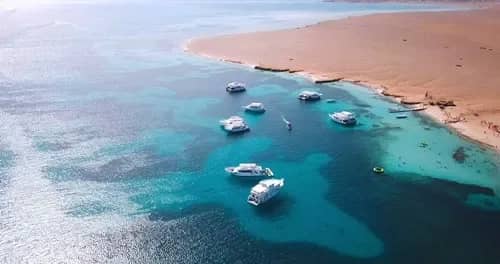
Base days one to four on the Red Sea—Hurghada for gentle reef entries and island sandbars, plus day trips toward Sharm’s protected walls and Dahab’s shore-access lagoons. Shift days five to seven to Alexandria on the Mediterranean for swims, city beaches, and waterfront dining. The route balances short flights with scenic rail along the delta.
Best Time / Conditions
October–November and March–May bring warm seas, softer light, and fewer crowds. Expect Red Sea water around 22–30°C year-round with steady visibility; winter mornings are crisp, afternoons mild. The Mediterranean warms June–September, with beach-friendly 24–28°C seas and lively evening breezes—ideal for sunset boat tripss and seafood feasts on terraces.
What to Expect
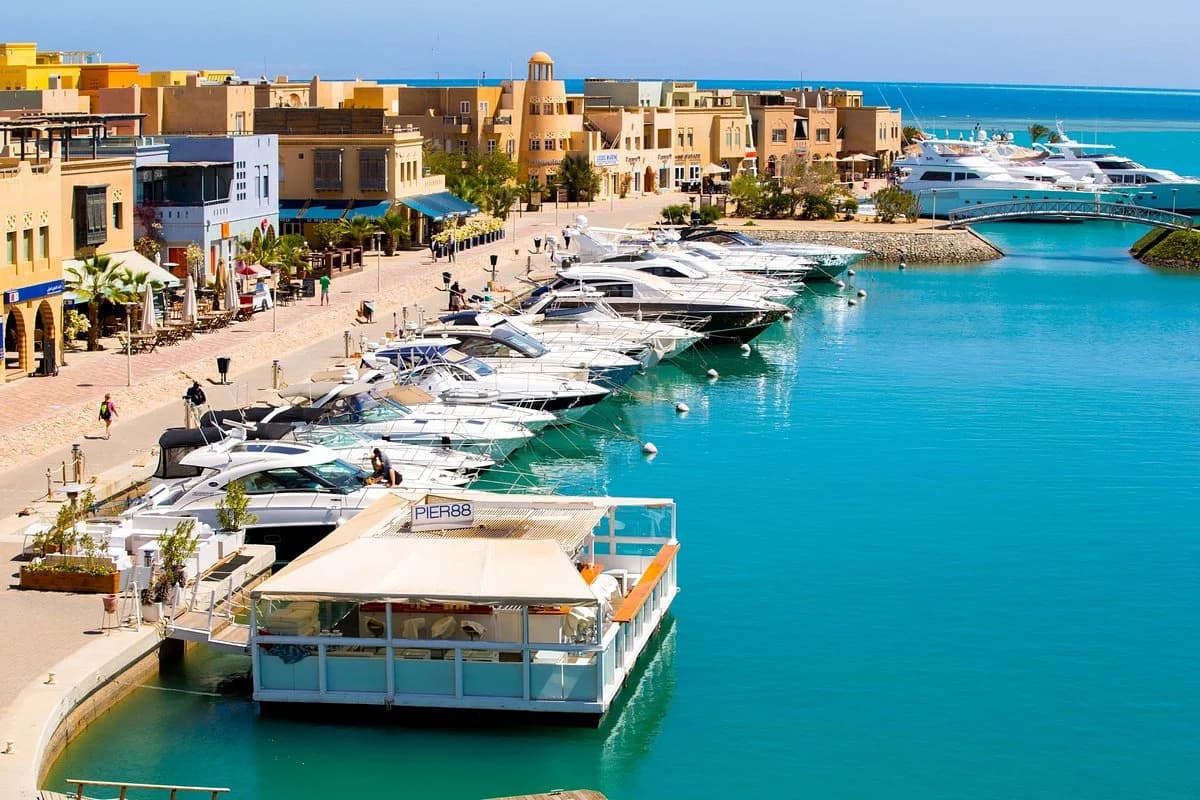
Days 1–2: Hurghada island snorkels, a marina seafood lunch, and an easy city wander. Day 3: Sharm reef day and a sunset boat. Day 4: Dahab’s shore reef and slow cafes. Day 5: Fly to Cairo (~1 hour), train to Alexandria (~2.5 hours). Days 6–7: Beach time, market-to-grill lunch, harbor boat trips, and museum or citadel, as you wish.
Who This Is For
Travelers craving ocean-first recovery with authentic local flavor: snorkelers, new diving experiencesrs, seafood lovers, and couples or families who prefer lounging decks to long bus days. Confident swimmers will love the easy entries; beginners can join guided intro diving experiencess. Culture fans get city markets, mosques, and waterfront history without sacrificing beach time.
Booking & Logistics
Use open-jaw flights into Hurghada and out of Alexandria (or via Cairo). Domestic legs are straightforward: Red Sea to Cairo by air, then reserved-seat trains to Alexandria. Pre-book reef boats and city walks—consider a Hurghada private city tour and a Sharm El Sheikh city tour for efficient culture days with hotel pickup.
Sustainable Practices
Choose mooring-buoy operators, never stand on coral, and use mineral or truly reef-safe sunscreen. Bring a refillable bottle; many boats now provide bulk water. Eat local, seasonal fish—ask what’s line-caught today. Keep fins high over shallow gardens, and maintain a relaxed pace: fewer, longer swims are gentler on reefs and you.
FAQs
This week is designed to feel spacious. You’ll spend the first half in warm, clear Red Sea water, then savor Mediterranean evenings without long transfers. Expect short flights and a comfortable train, plus guided swims or city walks as needed. Pack a rash guard, light layers, and curiosity for seafood counters.
How should I split my days between coasts?
Give four days to the Red Sea—two centered on Hurghada, one in Sharm, one in Dahab—then three in Alexandria. That ratio maximizes reef time while preserving unhurried Mediterranean afternoons. If you’re diving experiences-focused, borrow one Alexandria day back for an extra reef session or a second sunset boat trips.
Do I need a diving experiences certification for this plan?
No. The route prioritizes calm snorkeling tours and optional “try diving experiencess” with pro supervision, typically 6–12 m and along easy walls or sandy entries. Certified diving experiencesrs can add Ras Mohammed or Tiran drifts; snorkelers still enjoy showy reef tops with parrotfish, wrasse, and rays cruising the shallows.
What about winds, currents, and stingers?
Red Sea mornings are usually mild with predictable currents; captains choose leeward reefs when breezes build. Mediterranean summers can see light chop by late afternoon—time swims earlier and boat trips at sunset. Jellyfish are sporadic in the Med; a thin suit or rash guard adds comfort and peace of mind.
Coast to coast, this itinerary trades rush for rhythm—reef colors at breakfast, grilled sea bream at dusk, a boat’s wake tapering into gold. For timing your first swims, try our morning snorkel timing in Hurghada guide; if you’re weighing diving experiences intensity, see the Marsa Alam vs Sharm El Sheikh dive comparison before you book.