Red Sea Adventure Tourism 2025: Thrill With Meaning
Quick Summary: The Red Sea is where adrenaline meets impact: carbon‑light dive safaris, AR‑guided wreck exploration, Bedouin‑led canyon treks, and stargazing wellness rituals—high‑octane by day, restorative by night.
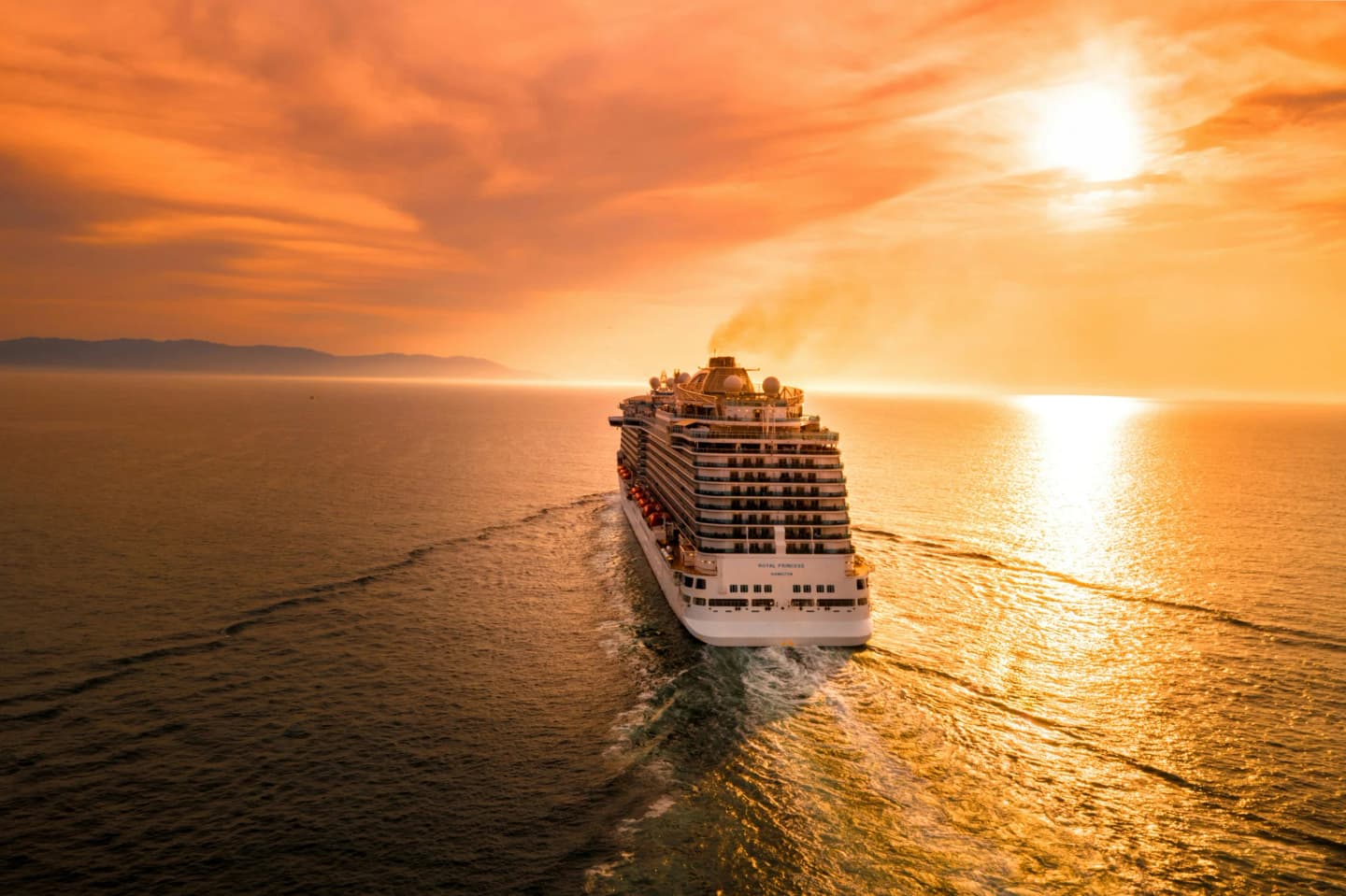
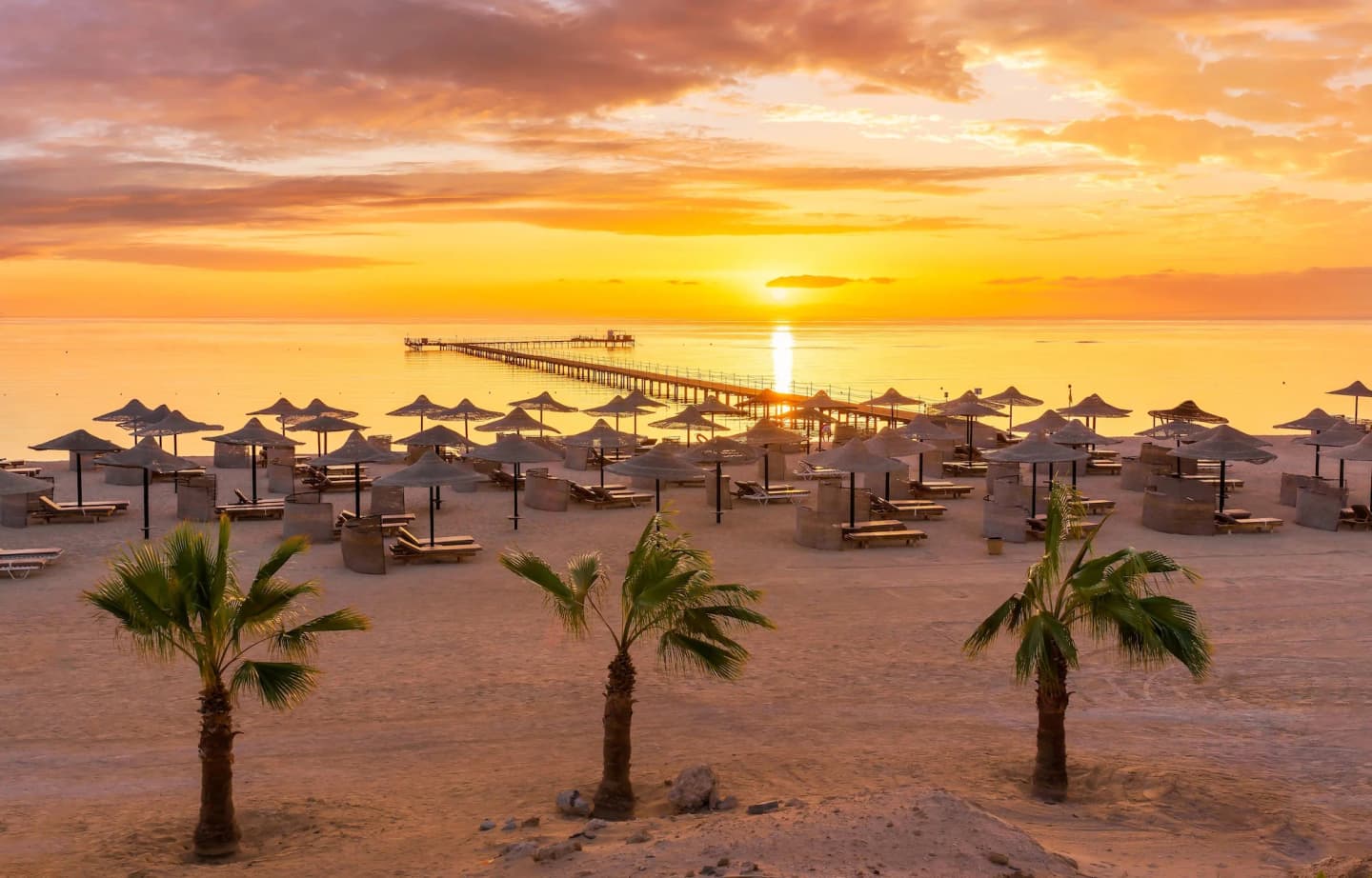
Dawn on the Red Sea feels electric. Wind skims the lagoons, liveaboards idle quietly over cobalt drop‑offs, and Sinai’s canyons glow apricot under a rising sun. In 2025, adventure here is purposeful: AR‑guided wrecks that teach, dive safaris that tread lighter, and Bedouin‑led hikes that channel your spend straight back to the desert communities keeping this coastline alive.
What Makes This Experience Unique
The rush is balanced by responsibility. Think AR overlays that map wreck routes and wildlife etiquette in real time, dive itineraries optimized for fewer engine hours and more in‑water minutes, and canyon treks co‑led by Bedouin guides whose oral histories and risk sense elevate every step. It’s high‑performance travel with measurable positive impact.
Where to Do It
Base in Hurghada for liveaboards and easy reef training, then hop to Sinai for wrecks and canyons. Dahab’s sinkhole mystique anchors the Blue Hole day trip, while Sharm launches AR‑briefed dives in Ras Mohammed and White Island, bookable via the Ras Mohammed & White Island tour. For laid‑back depth, Dahab pairs lines and lagoons.
Best Time / Conditions
Expect 20–30 m visibility most of the year. Water runs about 22–24°C in winter and 28–30°C in late summer; pack a 3–5 mm suit accordingly. Kitesurfers favor spring and autumn for 15–25‑knot winds and mild air. Calm mornings are ideal for wrecks; desert treks start early to beat midday heat.
What to Expect
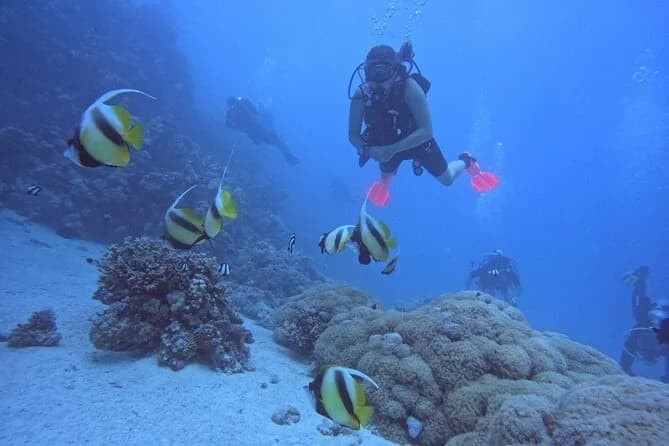
On water days, plan two to three dives between 16–30 m on classic wrecks and walls; bottom times hover around 45–60 minutes on air or nitrox. Freedive lines are typically set to 20–40 m with strict surface intervals. On land, Bedouin‑led canyon circuits run two to three hours with tea fires, stories, and stars to close.
Who This Is For
Experienced divers will love AR‑guided wrecks and current‑washed pinnacles; confident beginners can start on sheltered reefs or try discover dives first. Freedivers seeking clean lines and coaching will find focused schools, while trekkers who value cultural depth will appreciate Bedouin stewardship. Wellness‑minded travelers can layer breathwork, yin, and stargazing between big‑effort days.
Booking & Logistics
Fly into HRG (Hurghada) or SSH (Sharm El Sheikh). Sharm–Dahab transfers by road take roughly 90 minutes. Many boats include nitrox and digital briefings; bring reef‑safe sunscreen and a DSMB. For AR wreck tours, ensure devices are waterproofed and synced pre‑splash. Always carry cash for community fees on canyon routes.
Sustainable Practices
Choose operators that minimize miles, consolidate tenders, and refill water in bulk. Pack reef‑safe sunscreen, a travel mug, and a mesh bag; perfect buoyancy before joining sensitive sites. On desert days, leave no trace, honor guide instructions, and buy local—your trek fee and craft purchases materially support Bedouin families and canyon upkeep.
FAQs
This is adrenaline with a seatbelt. Operators increasingly require check dives and skill refreshers before advanced sites, and treks run with strict guide‑to‑guest ratios. If you’re new to wrecks or lines, start on sheltered reefs or shallow descents, then build toward bigger profiles with coaching. The payoff: more confidence, lighter impact.
Do I need advanced certification for wrecks and Blue Hole?
For external wreck circuits at 16–30 m, Advanced Open Water plus recent dives is typical; penetrations demand specialty training. The Blue Hole’s vertical drop exceeds 100 m, but recreational routes stay shallow along the reef saddle. Freedivers progress by coached increments, with safety divers and conservative surface intervals baked in.
How do AR‑guided dives actually work on site?
You’ll receive a pre‑dive file or live overlay showing 3D wreck maps, currents, and “no‑go” zones, plus wildlife spacing cues. Briefings are still king: AR supplements, not replaces, the human guide. Expect redundancy—printed slates and hand signals remain standard if batteries or screens fail mid‑dive or at the surface.
What canyon trek fitness and safety should I expect?
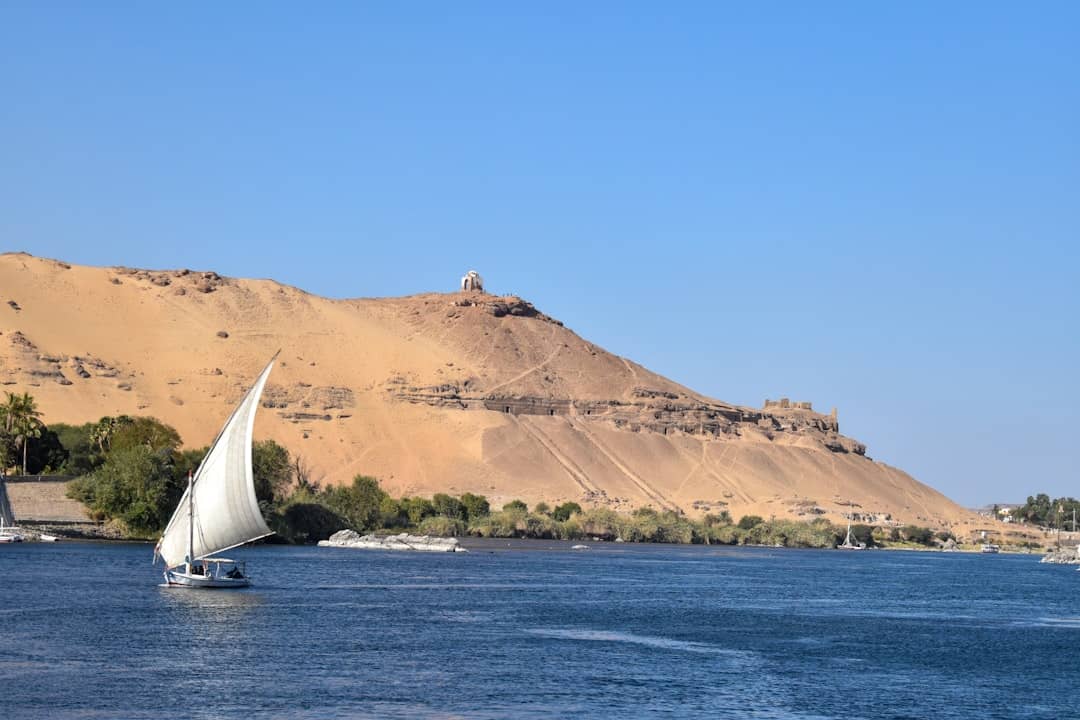
Most Sinai canyon routes are moderate: uneven ground, brief scrambles, and 2–3 hours on foot. Bedouin leaders set the pace, manage shade and water breaks, and route around flash‑flood risk. Wear grippy shoes, sun protection, and carry 2 liters per person. A scarf or buff helps with sand and midday glare.
In the Red Sea, the biggest thrills often come from slowing down: a longer safety stop over purple anthias, a shared pot of canyon tea, a sky so bright it resets your sleep. If you’re mapping Sharm’s icons, bookmark this Sharm dive sites guide, and if the sea is calling you offshore, compare routes and boats in our liveaboard guide.