Beyond Hurghada: Hidden Coves and Reef Villages Only Locals Whisper About
Quick Summary: Leave the big boats behind for quiet coves, shore‑entry turtle meadows, and Bedouin‑guided days that mix snorkeling tours with tea, stories, and conservation. Small, local outfits time entries for calm water, support community livelihoods, and protect fragile reefs.
Dawn hums across the Red Sea destinations as the resorts fade behind you and the road slips past salt pans and camel tracks. Southbound, the coastline opens into sleepy fishing bays, mangrove pockets, and seagrass meadows where a turtle’s head breaks the surface like a small moon. The day’s rhythm comes from the sea, not the schedule.
What Makes This Experience Unique
These aren’t the party boats. Local guide co‑ops read wind and tide, then thread you into coves when visibility peaks and waves settle. You’ll sip sweet tea in a canvas tent, learn reef etiquette, and move in tiny groups. The result: wildlife that keeps its distance—and stays—because you do, too. For more, see sustainable Red Sea travel tips.
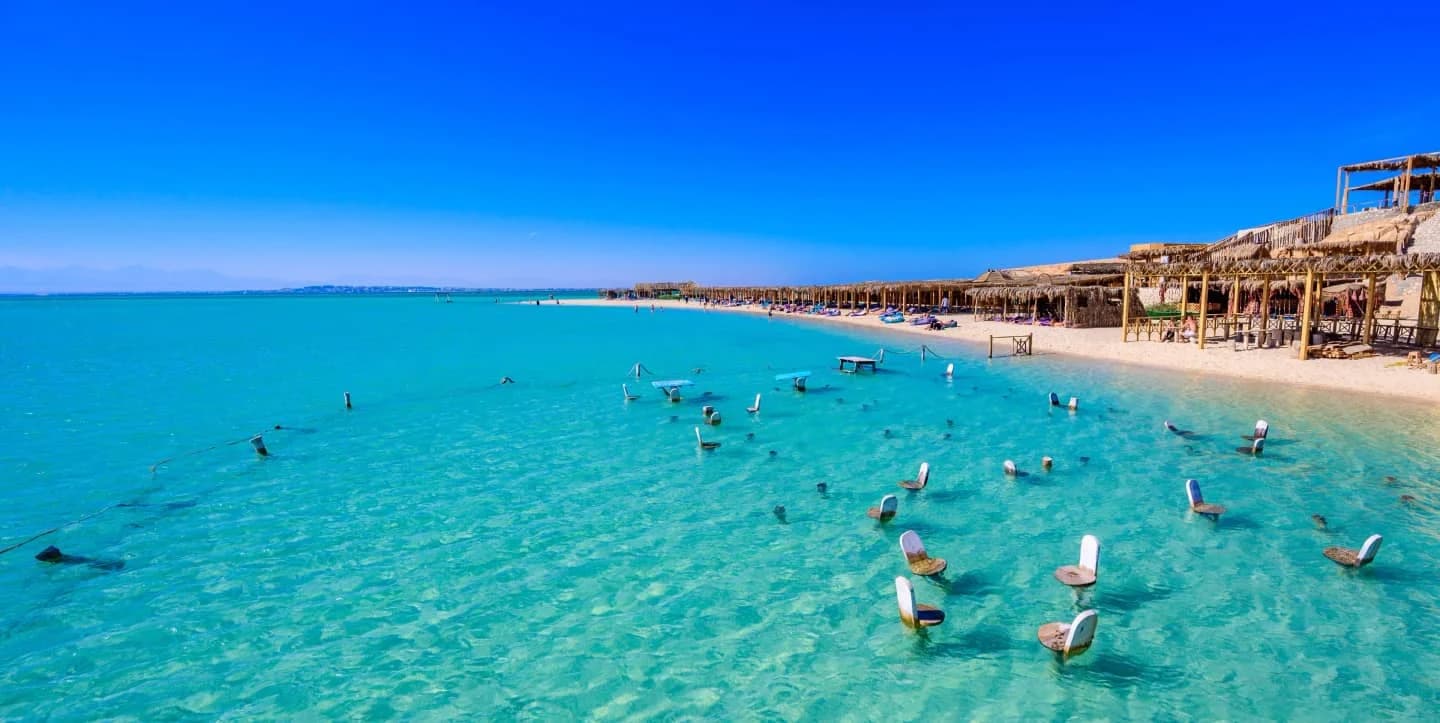
South of Marsa Alam, Wadi El Gemal’s shoreline hides sandy “steps” into coral gardens and the turtle‑grazed meadows of Abu Dabbab—book the dedicated Abu Dabbab day for the best odds. In Sinai, base in Sharm El Sheikh for timed shore sessions or a quiet, private day inside Ras Mohammed National Park. On calmer spells, Dahab’s Blue Lagoon gives windbreaks and soft‑edge reefs.
Early mornings bring the flattest seas and clearest visibility; local skippers often target a gentle flood tide. Expect surface temps around 22–24°C in winter and 28–30°C in peak summer; thin suits help in shoulder seasons. Typical snorkel depths run 2–6 meters with sandy entries. When winds rise, guides pivot to leeward coves and shore plans.
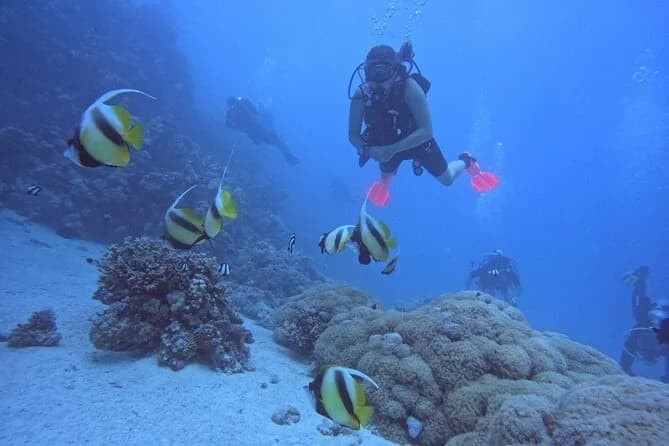
Small groups—often six to ten—enter quietly, avoiding the midday crush. You’ll fin above sand and seagrass, pausing when a turtle surfaces or a ray ghosts the bottom. Boat days mix short, targeted drops with long surface drifts; shore days linger in micro‑habitats. For easy entries and wildlife etiquette, study this primer on shore snorkeling for turtles before you go.
If your perfect day is sunlight on a reef wall and conversation under a woven shade, you’re home. First‑timers and families gain confidence on sandy steps; photographers get time for light and behavior; freedivers can practice quiet dives along bommies. Adrenaline‑seekers still find drifts—but the spirit is slow, attentive, and respectful.
From Hurghada, plan roughly 55–60 km (about one hour) to Safaga’s quieter reefs, and 280 km south (3.5–4 hours) if you’re transferring toward Marsa Alam’s bays. In Sinai, Ras Mohammed sits about 45 minutes from Sharm El Sheikh by road or boat. Most operators include masks and fins; bring a 2–3 mm suit outside midsummer, reef‑safe sunscreen, and cash for park fees.
Swim horizontal and relaxed; keep five meters from turtles, never chase dolphins, and fin above sand—not seagrass or coral. Choose small, locally run boats, refill bottles at base camps, and skip fish feeding. Wear mineral sunscreen, secure dangling gear, and buy Bedouin bread or handicrafts—your spend helps keep community conservation viable.
These trips succeed on timing and patience. Guides study wind and tide, then slide you into brief “quiet windows” few big boats bother with. Expect short drives to leeward entries, slow finning, and unhurried surface intervals over tea. Your reward is space, silence, and wildlife interactions that feel natural—not staged.
Not everywhere, not always—but good crews stack the odds. They launch at first light, rotate coves to dodge bus timetables, and cap groups at six to ten. You’ll often enter as others leave, or swap to a leeward shore plan after a quick wind check. Quiet is designed, then defended.
Comfortable, steady surface swimming is enough for most days—think 500 meters at a relaxed pace with occasional fin kicks against light current. Shore entries start in waist‑deep water, and boats post a surface float. If winds freshen, plans shift to sheltered bays or snorkel “laps” within protected pockets.
Yes—if you follow the code. Give turtles at least five meters, stay off seagrass, and let them surface undisturbed. With dolphins, no chasing, no diving experiences through pods, and reduced engine time. Legit operators brief clearly, limit time in wildlife zones, and leave if behavior changes. The best encounter is the one that continues tomorrow.
Slip south of the crowds and the Red Sea destinations slows to a human rhythm: tea, tide, and a gentle finstroke. Choose community‑run outfits, time your entries, and you’ll find coves that still feel like secrets—wild, generous, and ready to welcome you back without a trace.