Wadi El Gemal: From Mangrove Shores to Silent Wadis
Quick Summary: Swap mangrove lagoons and coral gardens for granite wadis, petroglyphs, and Bedouin tea. Move quietly, and Wadi El Gemal rewards you with wildlife, story-rich landscapes, and a rare sea-to-desert flow in one day.
Dawn finds the Red Sea turned pastel and the mangroves of Wadi El Gemal National Park whispering with waders. By late morning you’re inland, walking dry riverbeds where wind writes its own hieroglyphs in sand. Base yourself in Marsa Alam, then trace this coastal-to-desert arc: coral gardens, seagrass meadows, petroglyphs, Bedouin tea, and—if you’re quiet—ibex silhouettes on granite.
What Makes This Experience Unique
Wadi El Gemal’s magic is the seamless exchange between sea and stone. Mangrove lagoons brim with birdlife, while inland wadis still carry the memory of seasonal floods. You move through layered time: living Bedouin culture, ancient trade routes, and petroglyphs etched into boulders. Wildlife thrives in the hush—Nubian ibex, Dorcas gazelles, sooty gulls, and ospreys.
Where to Do It
Start at Qulaan’s mangroves for birdwatching and glassy lagoon palettes, then head to Hankorab (Sharm el Luli) for shallow snorkeling over coral gardens. Inland, choose a wadi walk where petroglyphs and quartz-studded gravel reveal old caravan lines. For beach time beyond crowds, scout this coast’s gentler coves and shore entries from our Hidden Red Sea Beaches guide.
Best Time / Conditions
October to April brings mild days and crisp visibility; expect coastal highs around 22–28°C and cooler desert evenings. May and June balance warm seas with manageable heat; July–September runs hottest, with light morning winds and midafternoon lulls. Wildlife is most active near sunrise and sunset, and water temperatures typically range 22–29°C through the year.
What to Expect
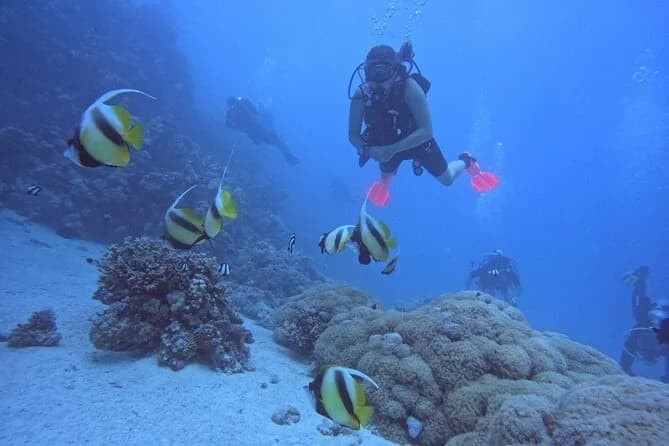
Coastal stops offer easy-entry snorkeling over 1–5 m gardens of coral and sea grass, with turtle grazers in the mix. Inland, expect 4x4 tracks, short scrambles, and 1–3-hour wadi walks. Facilities are minimal; shade is natural, not built. Phone signal is patchy. For reef primers and family pointers, dip into our Marsa Alam diving overview.
Who This Is For
Photographers chasing the sea-desert gradient, snorkelers who value calm, shallow reefs, and hikers who like their landscapes storied. Families will appreciate easy lagoons and soft-entry beaches. It’s less ideal for party-minded speedboat days or travelers who want boardwalk dining on tap—this is low-infrastructure, high-reward exploration tuned to quiet senses.
Booking & Logistics
Most visitors base in Marsa Alam resorts, then day-trip by 4x4; allow roughly 45–90 minutes to reach key park entries, depending on your start point and track conditions. Carry 2–3 liters of water per person, sun protection, and reef-safe sunscreen. Consider a guided desert morning with a sunrise camel ride before moving to mangroves and reefs after breakfast.
Sustainable Practices
Keep to established tracks and distances with wildlife; binoculars beat close-ups. Do not touch or stand on coral; use mineral or reef-safe sunscreen and long-sleeve rash guards. Pack out everything, including fruit peels. Accept Bedouin hospitality respectfully, ask before photos, and consider buying locally woven crafts or paying for tea rather than bargaining hard.
FAQs
This coastline-to-wadi experience is straightforward if you plan your sequence and timing: start early for cooler air and wildlife, switch to the coast when heat builds, and keep an eye on wind and light for photos. The park is expansive; using a licensed local guide maximizes sightings and minimizes environmental impact.
Do I need a guide, or can I self-drive?
Confident drivers can self-drive the coastal segments, but a licensed guide elevates the inland wadis—finding petroglyph clusters, safe tracks, and quiet overlooks for wildlife. They also navigate permits and fees, and liaise with local Bedouin communities. If you’re short on time or new to desert driving, a guide is strongly recommended.
Is the snorkeling suitable for beginners and families?
Yes. Many entries are sand-bottomed with gentle slope and light currents, especially around Hankorab and similar coves. Expect 1–3 m depths near shore, clear orientation to the reef edge, and easy exits. Float vests help novice swimmers. Always avoid touching coral and keep fins high to prevent accidental kicks on shallow bommies.
What wildlife might I realistically see?
Along the coast, watch for sooty gulls, ospreys, herons, and turtle grazers over seagrass. Inland wadis may reveal Dorcas gazelles at dusk and Nubian ibex on rocky spines. These animals move softly; your best chance comes at first and last light, staying still, and keeping a respectful distance with long lenses or binoculars.
Wadi El Gemal is a rare conversation between wilderness and history: morning mangroves, midday reefs, and evening wadis threaded with stories. If you’re building a wider Red Sea loop, contrast this stillness with the polished resort rhythms of Sharm El Sheikh—then come back south when you miss the quiet.