Bedouin Heritage in South Sinai: Living Culture, Not a Show
Quick Summary: Swap one-size-fits-all “desert camp” shows for small, Bedouin-led encounters where elders, musicians, and artisans share living traditions tied to Sinai’s fragile valleys and reefs. Expect tea circles, poetry, weaving, and trail lore that deepen travel while sustaining the communities who care for this land.
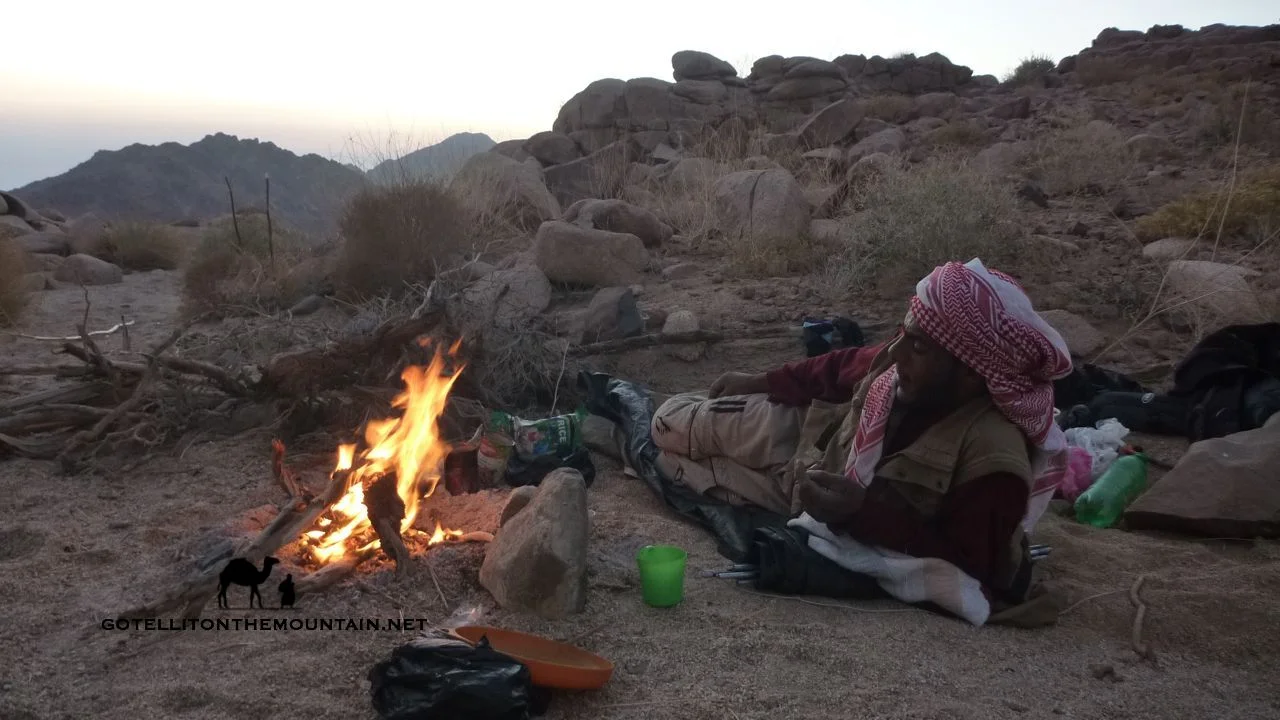
Dawn settles like a shawl across the granite wadis as tea boils and stories rise with the steam. In South Sinai, heritage isn’t a staged script; it’s the everyday rhythm of grazing paths, spring knowledge, poetry, and craft. Base yourself around Dahab or the interior highlands, and let Bedouin hosts guide you to what’s living, not performed for a coach window. For orientation and activities statewide, see South Sinai.
What Makes This Experience Unique
Here, tradition is inseparable from ecological care. Bedouin hosts trace rain-fed routes, tend acacia, and steward water sources—knowledge passed through song and story. Music, zarb (pit baking), herbal remedies, and weaving aren’t museum pieces: they’re livelihoods that adapt to today’s tourism pressures, making every visit a chance to reinforce culture rather than consume it.
Where to Do It
Choose small circles in Dahab’s wadis and the St Catherine highlands for poetry nights, bread baking, and star talks. Day hikes often weave into canyons—think the banded walls of the Colored Canyon—while coastal stays near Nuweiba pair reef mornings with Bedouin-run camps. Climbers can blend ridge walks with hiking and scrambling near Dahab.
Best Time / Conditions
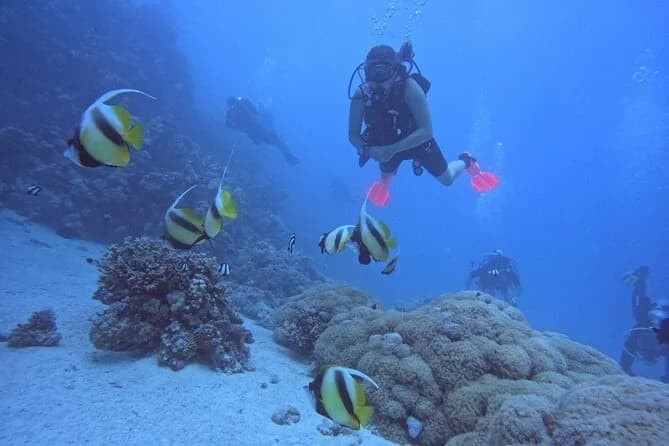
. Along the shore, snorkel visibility often reaches 20–30 m—ideal for morning reef dips.What to Expect
Forget loud generators and choreographed camel parades. Authentic gatherings are intimate: perhaps six to ten guests, tea and fresh flatbread, a poet or rababa player, and talk that meanders from tribal history to moonrise. Walks are unhurried, pausing for plants and petroglyphs. If weaving is offered, sit, learn, and pay fairly—it’s skilled labor, not a souvenir stall.
Who This Is For
Curious travelers who prefer conversation to spectacle; photographers chasing human light more than lens flare; families open to simple comforts and early nights beneath immense skies. If you value quiet, cultural context, and nature ethics, you’ll thrive. If you want high-decibel quad convoys and buffet tents, consider saving those for another day.
Booking & Logistics
Work with Bedouin-run initiatives or cooperatives; ask about group size caps, fair-pay policies, and who benefits. Many hosts arrange transfers from coastal bases like Dahab. Cash is useful in remote valleys; signal can be patchy. Clarify whether experiences are women-led or mixed, photography etiquette, and if part of your fee supports grazing access, springs, or trail upkeep.
Sustainable Practices
Stay on established tracks; off-roading scars fragile wadi soils. Pack out micro-waste, including tea-bag strings and foil. Dress modestly and ask before photos, especially of women. Buy time and knowledge: pay for guiding, craft, and music at fair rates. Choose low-amplification nights, refill bottles at springs where permitted, and keep fires small and contained.
FAQs
Authentic Bedouin encounters are small-scale, rooted in hosts’ daily lives, and guided by the land’s rhythms. They’re often seasonal and responsive to weather. If a plan changes because a spring needs checking or the wind shifts, that’s the point—you’re stepping into a living system that values care over choreography.
How do I tell a “staged camp” from a real community-led experience?
Ask three things: group size (small is better), who sets the agenda (hosts, not a script), and where money goes (family/cooperative versus a distant intermediary). Look for real tasks—baking, weaving, herding checks—rather than all-night generators, fixed dance routines, and photo lines with camels.
Is it suitable for kids and older travelers?
Yes, with the right pace. Hosts can tailor gentle walks, storytelling, and bread baking for children, while older travelers often prefer shorter canyon entries and longer tea breaks. Bring layers for cool nights, sun protection for days, closed shoes, and curiosity; comfort rests more in attitude than amenities.
What should I wear and how should I behave?
Opt for loose, modest clothing that covers shoulders and knees; a light scarf is handy around springs or in village lanes. Remove shoes when invited indoors, accept tea with your right hand, and ask before photos. Keep phones on silent and let conversations flow before questions become interviews.
Traveling this way trades spectacle for substance. When you choose intimate, Bedouin-led circles—poetry by embers, a loom’s hush, a trail that threads water and rock—you help living heritage endure. Start with Bedouin cultural experiences in South Sinai and plan your base in South Sinai or Dahab, then blend canyons like the Colored Canyon, quiet Nuweiba camps, and light footfalls on Sinai’s ridgelines.