Underwater Tours in Egypt’s Red Sea: Awe, Safety, and Stewardship
Quick Summary: Submarine and semi‑submarine rides reveal reef life without getting wet. Choose licensed operators with clear briefings, tested equipment, trained crew, and conservation rules. Visitor caps, no‑touch codes, and smart routing protect habitats—so your close‑up views leave a light footprint.
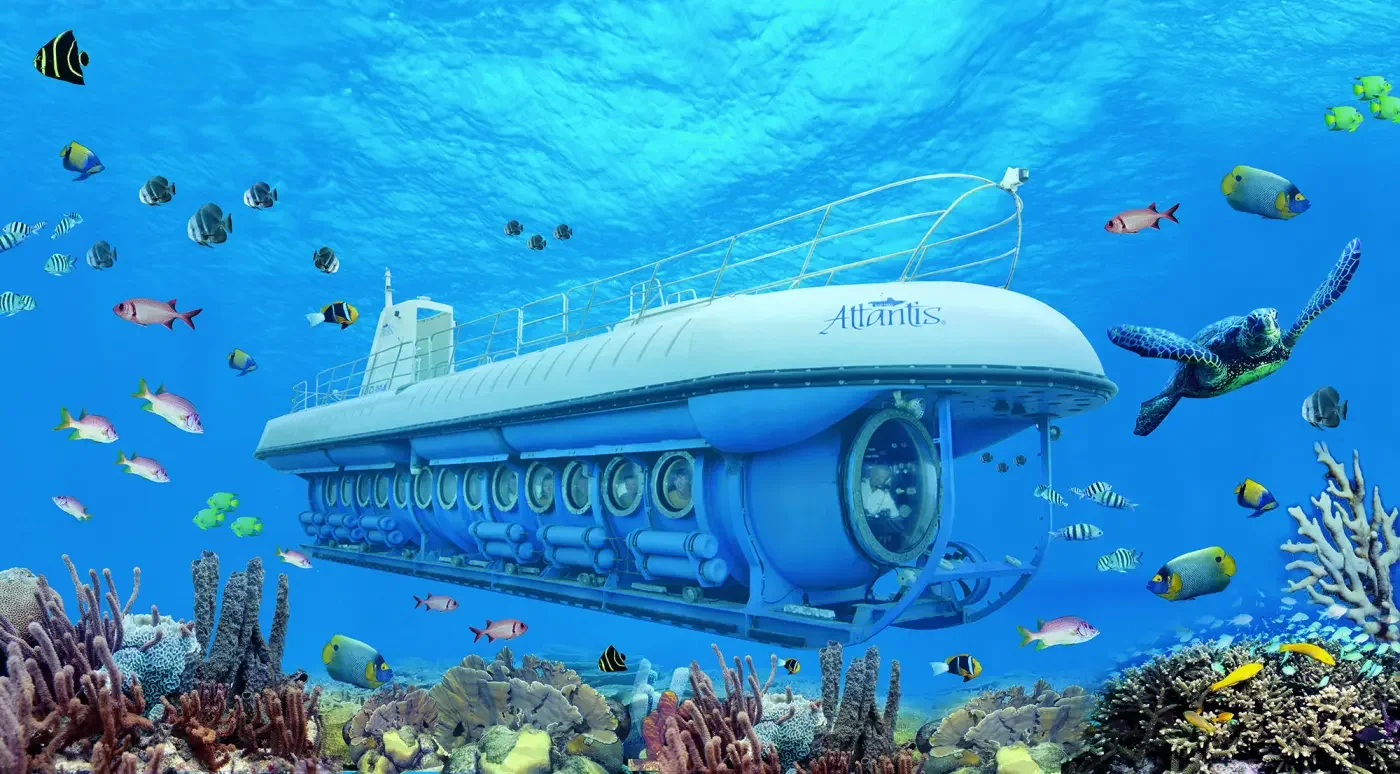
Glass gleams, the cabin hushes, and the Red Sea brightens into living color. From a cool, pressurized semi‑sub, parrotfish flicker past as corals rise like miniature cities—close enough for children to trace shapes on the window. Awe is the hook; the responsibility is what keeps this world intact for tomorrow.
What Makes This Experience Unique
Unlike diving experiences, underwater tours keep you at sea level while descending into a viewing cabin. You sit at atmospheric pressure, watching reefs slip by at a gentle pace. Safety briefings and trained crews make it accessible to non‑swimmers, while conservation‑minded routing and strict no‑touch policies protect delicate habitats as you explore.
Where to Do It
Hurghada’s easy marinas and nearby islands make logistics simple for first‑timers, while Sharm El Sheikh adds dramatic reef walls and big‑color fish in clear water. Marsa Alam offers calmer seagrass meadows and turtle encounters. For a wider base, El Gouna’s lagoons speed transfers to shallow sites perfect for families.
Best Time / Conditions
Underwater visibility is typically excellent year‑round, but mornings often bring calmer seas. In summer, water temperatures rise to about 29°C, dropping to roughly 22–24°C in winter—still comfortable from a climate‑controlled cabin. Avoid windy spikes when surface chop can reduce clarity. Sunny days enhance color; operators adjust routes to maximize visibility.
What to Expect
Most rides last 45–90 minutes, beginning with a dockside safety briefing before you descend to a panoramic windowed cabin. Expect a smooth cruise with crew narration on species and reef etiquette. Viewing depth sits around 3–5 meters, ideal for coral gardens and schooling fish that sweep past your window in shimmering waves.
Who This Is For
Families with young children, non‑swimmers, multi‑generational groups, and photographers who prefer dry decks all benefit. It’s also a restorative option for travelers easing into the water after injury or surgery. Mobility varies by vessel—some stairs are steep—so confirm access needs in advance to ensure the lower cabin is safely reachable.
Booking & Logistics
Pick licensed operators with visible safety gear, clear emergency protocols, and capped passenger numbers. Look for crew training badges, recent maintenance notes, and oxygen kits near the stairwell. Morning departures reduce glare and swell. Reserve earlier in peak months; transfers from resort districts are short, keeping total time commitment comfortably compact.
Sustainable Practices
The best operators stagger routes, limit seats, and avoid anchoring on coral, using moorings or dynamic positioning instead. No‑touch, no‑feed rules, reef‑safe sunscreen, and respectful photography cut stress on wildlife. Conservation‑driven caps balance access and protection, ensuring your ticket supports livelihoods while safeguarding fragile habitats for future travelers and local fishers.
FAQs
Safety and stewardship go hand in hand on Egypt’s Red Sea. Below, we address the most common questions—how safe the vessels are, how to verify standards, and the real steps that reduce reef impact—so you can book with confidence and enjoy a close‑up marine encounter that leaves only bubbles and goodwill.
How safe are Red Sea submarine or semi‑sub rides?
Vessels operate at the surface with a submerged viewing cabin kept at normal air pressure, so there’s no equalizing. Crews run safety briefings, maintain life‑saving gear, and follow pre‑set routes away from hazards. Sensible passenger caps and routine checks create a conservative safety margin while keeping the ride calm and predictable.
What operator standards should I check before booking?
Confirm daily equipment checks, certified crew, oxygen and first‑aid access near the viewing cabin, and clear evacuation and fire protocols. Responsible companies publish passenger limits, use moorings over anchors, and provide a short conservation briefing. Transparent maintenance logs and responsive communications are strong signs you’re in capable, safety‑first hands.
How do tours protect reefs and marine life?
Conservation‑minded routes avoid sensitive zones, and timed rotations prevent crowding. No‑touch/no‑feed policies reduce stress on fish; moorings protect coral. Visitor caps and seasonal adjustments support recovery after storms or heatwaves. Onboard guides spotlight species without flash photography, turning each tour into an educational moment that benefits local stewardship.