
Do I need to be a strong swimmer for a restorative sea session?
No. Pick shallow, protected bays and use a snorkel vest or noodle for buoyancy. Stay near shore, keep your face in the water for rhythmic breathing, and take 2–3 minute breaks to float on your back. The goal is gentle immersion and steady breath, not distance or speed.
Will winter water feel too cold to be restorative?
From December to March, the Red Sea averages 22–24°C. Short, calm immersions can feel invigorating and help focus. Wear a 2–3 mm top, limit water time to 15–20 minutes, and warm up with a towel and tea afterward. If you shiver, exit—comfort cues lead the session.
How many days until I feel a mood shift?
Many travelers notice a lighter head and steadier attention after the first sunrise session. For cumulative benefits, aim for three sea mornings across a week, each kept simple: breath, float, unhurried movement. Combine with consistent sleep timing and daylight exposure to reinforce a calmer daily rhythm.
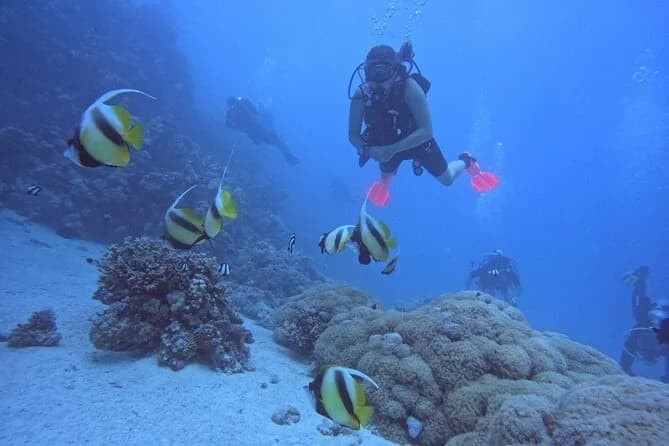
When the world runs fast, the Red Sea invites you to slow your loop: long horizons, salt lift, and time that expands with every exhale. If your next escape is about healing as much as seeing, start at dawn and keep it simple—then build from there with gentle reef days under snorkeling tours and diving.
✅ Readability: Grade 8–10