Private Charters, Deeper Connections: The Red Sea’s Small‑Group Shift
Quick Summary: Travelers are trading mass boats for intimate, tailor-made charters—choosing flexible timing, quieter reefs, and local crews who unlock coves, conservation-friendly moorings, and unhurried encounters that feel personal, not packaged.
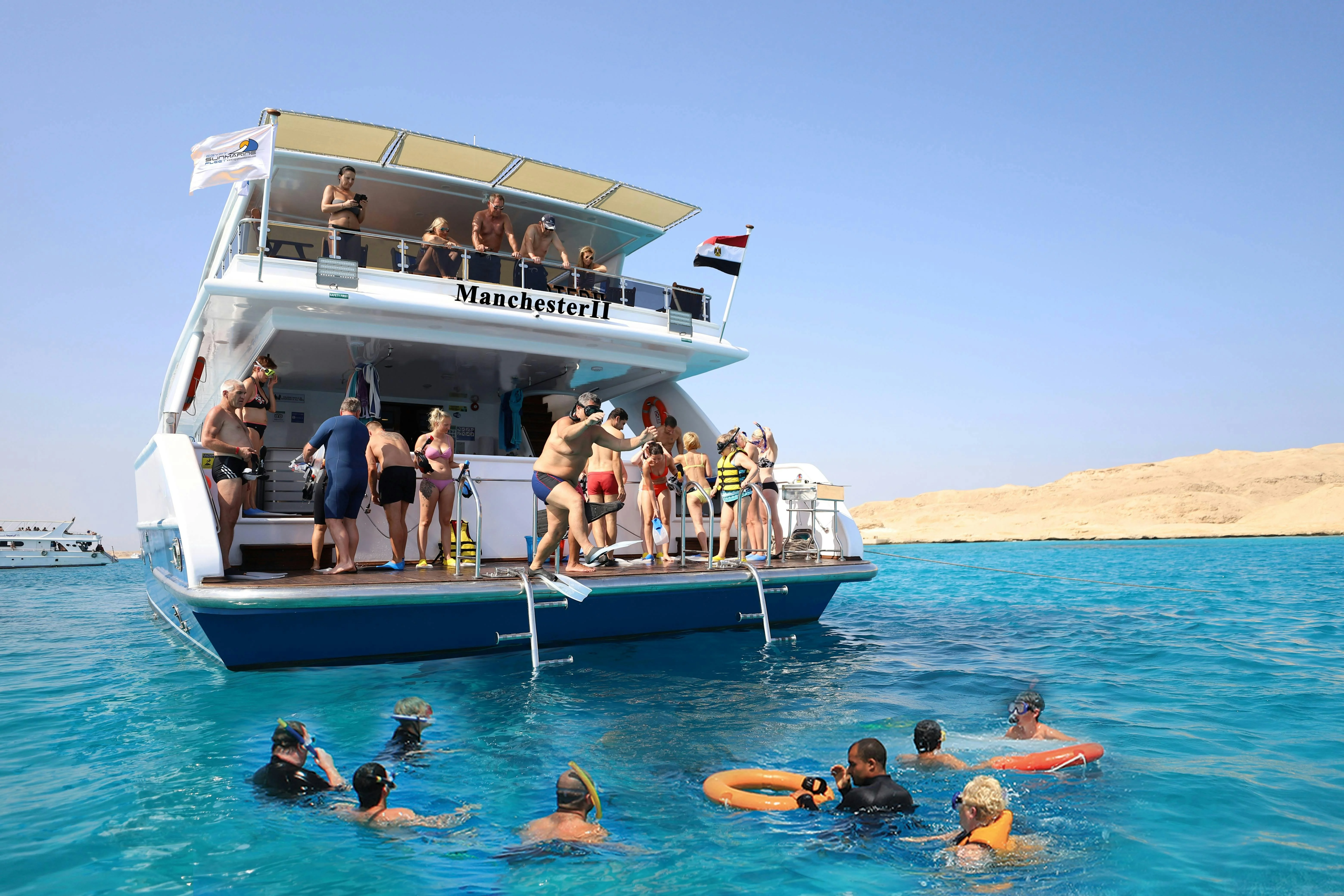
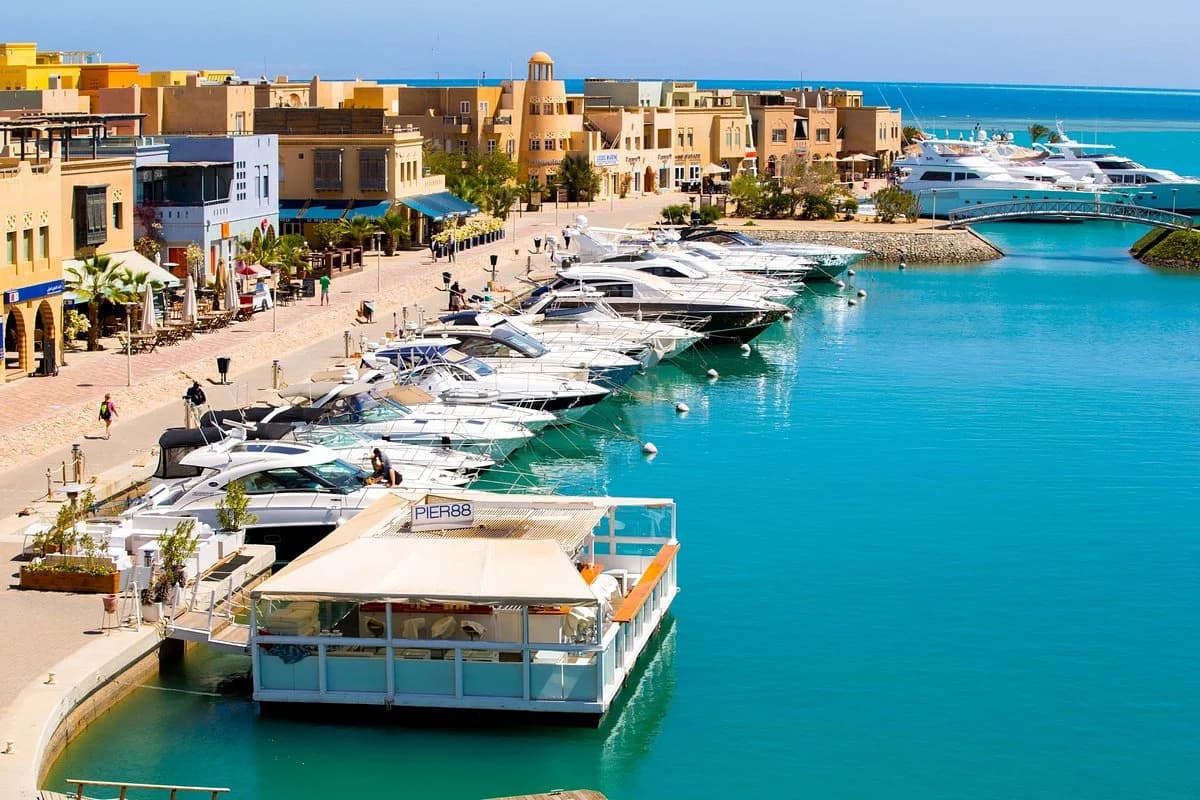
It starts with silence. At first light in Hurghada, a lean day boat idles beside the pontoon, crew loading fresh fruit and fins while gulls wheel overhead. No megaphone. No queue. Your skipper scans the forecast, picks a leeward reef, and within minutes you’re skimming toward turquoise, itinerary written by wind, tide, and mood.
What Makes This Experience Unique
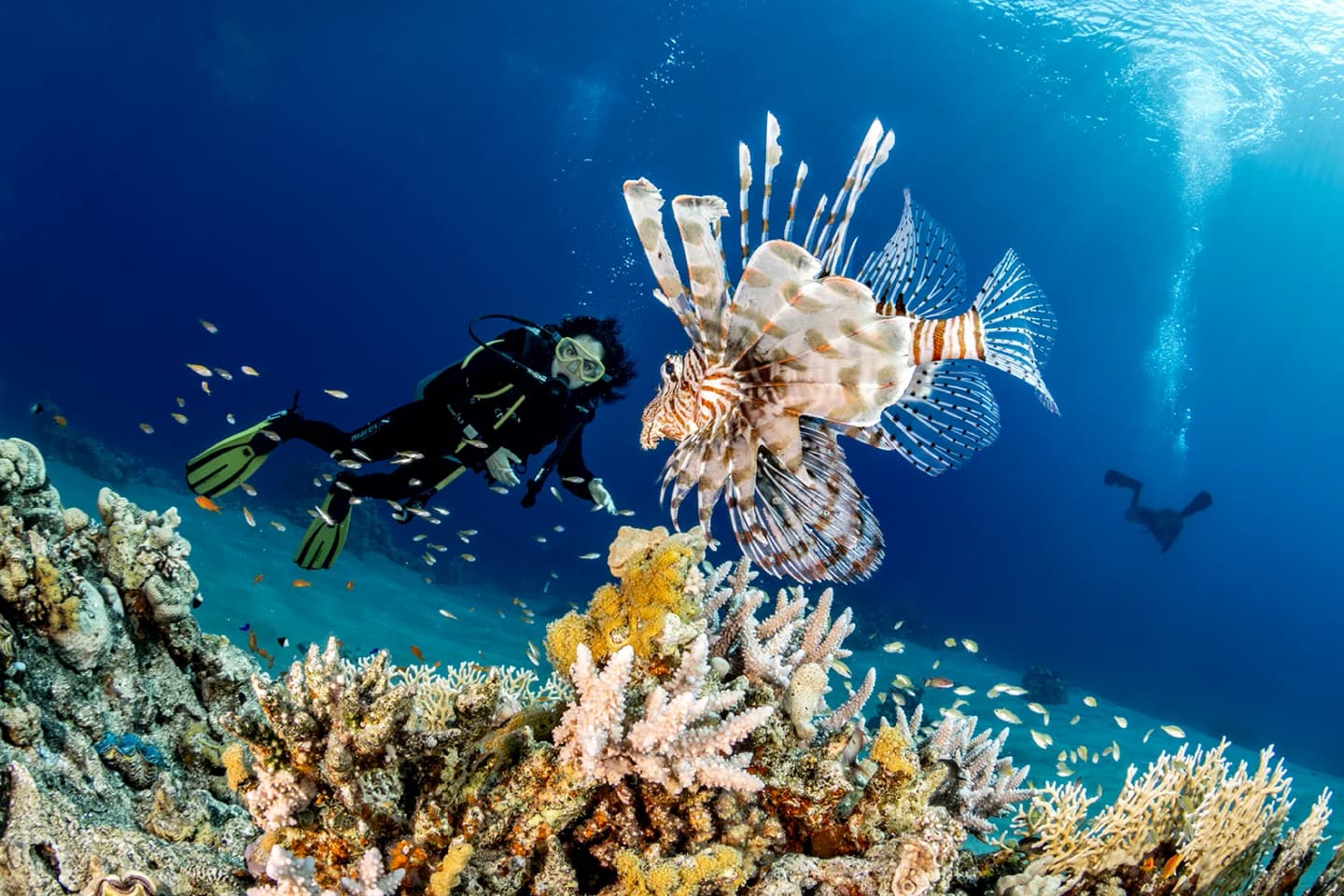
Private charters reject the one-size-fits-all script. You choose departure, pace, and purpose—unhurried snorkel drifts, a family-friendly sandbar picnic, or a deep-reef diving experiences. With fewer people (often 6–12), guides can brief properly, tailor sites, and adapt for conditions. Expect 20–30 m visibility and sea temperatures around 22–30°C across seasons, amplifying every color and contour.
Where to Do It
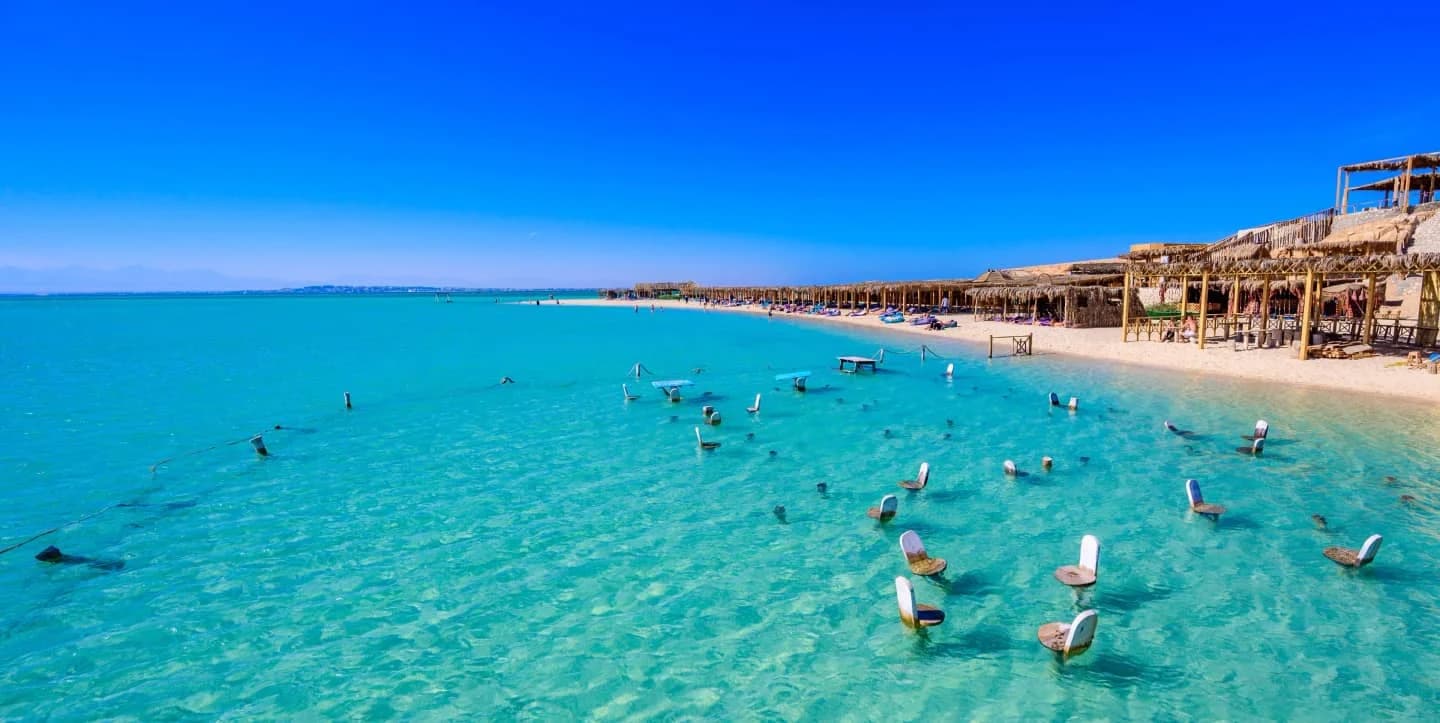
Hurghada is the classic launchpad, with protected flats and easy runs to the Giftun archipelago—start with our Hurghada travel guide. In Sinai, Sharm El Sheikh private boats unlock Ras Mohammed’s drop-offs. Around Hurghada, the Giftun Islands promise sandbar shallows; in Sharm, consider a curated day on a Luxury Ras Mohammed & White Island cruise for quiet moorings and linger time.
Morning departures beat wind and crowds; afternoons can be glassy in summer. Winter seas hover 22–24°C; summer rises to 28–30°C, with steady northerlies shaping route choices. From Hurghada, it’s typically 30–45 minutes to Giftun’s lagoons; from Sharm, plan roughly 60–90 minutes to reach Ras Mohammed, depending on vessel and sea state.
Briefings are conversational, not shouted. Captains adjust order—reef, sandbar, lunch—around current and visibility. Expect real flexibility: extra time with a pod of spinner dolphins, or a quiet bay swap if boats stack on a mooring. Quality operators provide snug wetsuits, reef-safe snorkel sets, and shaded decks; lunches skew lighter and fresher on small boats.
Couples who want romance without crowds; families seeking shallow, current-sheltered snorkels; photographers chasing golden-hour water; diving experiencesrs planning a skills-focused tune-up; and privacy-minded travelers who value control. If you dislike fixed timetables, loud music, or rigid routes, a small-group or private charter trades scale for intention—and memories that feel truly yours.
For peak months, reserve one to three weeks ahead. Ask about national park permits, use of fixed moorings, and backup plans if wind shifts. Clarify group size caps, guide ratios, and whether sunrise or late-afternoon slots are available. Hotel pickup is standard in resort towns; share dietary needs early. Confirm cash or card onboard and what’s genuinely included.
The best charters run low-impact: fixed moorings over anchors, no-touch briefings, and reusable cups over single-use plastics. Choose reef-friendly sunscreen and a rash guard; keep fins high over coral. Around Hurghada, learn how day trips evolved at Giftun via our Giftun conservation story—and support operators who match words with waterline action.
Private charters raise questions beyond price and route—think safety oversight, kid-readiness, and how “private” differs from a capped small group. Below, we address the essentials travelers ask us most, grounded in current Red Sea operating norms and the realities of wind, visibility, and protected-area rules across Egypt’s flagship marine parks.
Pricing varies by boat class, duration, and inclusions. As a guide, half-day private runs often start near the cost of four to six seats on a quality group trip, while full-day premium yachts price higher. Ask for transparent line items—permits, gear, lunch, and fuel surcharges—so you’re comparing like for like.
Yes—small crews can match sites to confidence levels, favoring leeward bays with sandy entries and weak current. Expect fitted vests, short fins, and in-water guides, plus option to split the group so beginners acclimate near the boat. Always request a safety brief and insist kids keep masks on deck between swims.
A private charter reserves the vessel for your party, with flexible timing and site choice. A small-group trip caps numbers—often 8–15—to keep things personal while sharing cost. Both reject mega-boat dynamics; private offers full control, while small-group preserves intimacy at a more accessible price point.
In a region built on big numbers, the quiet revolution is intentional travel. Whether you’re mapping Hurghada’s lagoon flats or Sinai’s walls, smaller boats and local skippers bring the Red Sea closer, slower, and kinder. For more ideas on crafting a meaningful route, browse our Travel Inspiration.