
Red Sea Marine Wildlife Safety: The Real Risks (and Myths) for 2026
Quick Summary: Marine encounters in Egypt’s Red Sea are overwhelmingly safe when you follow briefings. Shark incidents are exceptionally rare; jellyfish stings are usually mild; dolphins must never be chased; coral cuts can infect. Know seasons, respect distances, and choose responsible operators.
Imagine drifting over 10-meter coral gardens as anthias flicker in the blue and a curious turtle glides past. This is the Red Sea—high visibility (20–30 m), warm water (21–30°C) and wildlife best met with calm respect. The goal isn’t adrenaline; it’s informed, low-impact encounters from Hurghada to Sharm El Sheikh.
What Makes This Experience Unique
Few places combine such easy access with oceanic biodiving experiencesrsity. The Red Sea hosts more than a thousand fish species and endemic corals in calm, shallow lagoons alongside deeper drop-offs. That means family-friendly snorkeling tours and bucket-list diving experiencess sit side-by-side. Most perceived “dangers” stem from myths or poor behavior, not from the animals themselves.
Where to Do It
Base yourself where reefs meet sheltered bays and professional guides: Hurghada’s island reefs and house reefs, Sharm’s Nabq to Ras Mohammed, Marsa Alam’s seagrass meadows and offshore reefs, and Dahab’s accessible shore entries. For wild dolphins, Marsa Alam’s Sataya Dolphin House offers surface-only viewing in vast lagoons. Planning snorkel days? See our Hurghada snorkeling guide.

Best Time / Conditions
Expect 21–23°C water in winter and 28–30°C in peak summer, with calm mornings and windier afternoons. Jellyfish sightings rise as seas warm (typically late spring into summer) and after onshore winds. Visibility stays excellent year-round. Offshore reefs usually need 45–90 minutes by boat; near-shore house reefs offer quick, calmer entries any morning.
What to Expect
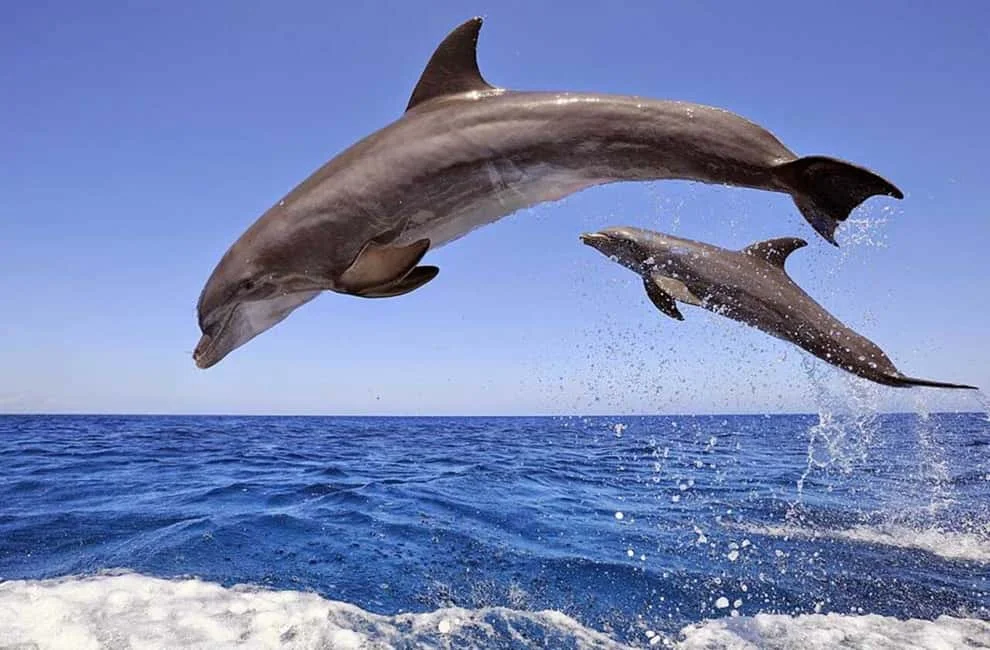
Briefings set the tone: hands-off wildlife, controlled fins, and buddy awareness. Snorkel depths run 1–12 meters; diving experiencesrs can explore walls and pinnacles dropping far deeper with guide oversight. On dolphin trips, boats drift parallel without cutting the pod’s path; you enter quietly and observe. Sharks, when seen, keep distance—don’t chase silhouettes for photos.
Who This Is For
Confident swimmers and first-timers alike, families with supervised kids, macro lovers, and wide-angle photographers. If you value learning over “ticking off” animals, you’ll thrive. Those seeking guaranteed dolphin swims or close shark selfies will be disappointed—ethical Red Sea operators prioritize respectful, non-intrusive encounters and will cancel entries if animals show stress.
Booking & Logistics
Choose licensed, conservation-minded boats that cap group sizes, brief clearly, and provide surface support. Ask about guide-to-guest ratios, flotation aids, and shade. For dolphin viewing from Marsa Alam, opt for a sanctioned Sataya Dolphin House snorkeling tours trip. Carry a lycra or 3 mm suit for warmth and jellyfish protection, plus a soft-sole bootie for ladders and dinghies.
Sustainable Practices
Keep two meters from corals, control buoyancy, and never stand on reef. Use mineral sunscreen or cover-ups to reduce chemical load. Do not feed fish, touch turtles, or pursue dolphins; let wildlife choose the interaction. Pack in/pack out, and log sightings with your guide. For a deeper diving experiences into behavior, see our Red Sea wildlife safety guide.
FAQs
Most risks in the Red Sea are preventable with simple habits: listen to the briefing, avoid touching, keep space, and stay calm. The ocean isn’t a theme park—animals are wild, and currents change. Below are the most common questions travelers ask when considering sharks, dolphins, jellyfish, and corals in Egypt’s key resorts.
How rare are shark incidents—and how can I minimize risk?
Shark encounters with swimmers and snorkelers are exceptionally rare and usually linked to poor practices like chumming, spear-fishing by swimmers, or ignoring briefings. Minimize risk by entering during guided windows, keeping fish waste off swim sites, staying in groups, and avoiding chasing wildlife. If you see a shark, remain vertical, calm, and let it pass.
What should I do if I’m stung by a jellyfish?
Exit calmly. Rinse the area with seawater, not freshwater. Flood with household vinegar if available, then remove visible tentacles with tweezers or a gloved hand. Avoid rubbing or tight bandages. Most stings are mild and resolve in hours; seek medical attention if pain escalates, a rash spreads, or any breathing difficulty occurs.
Are dolphin trips safe for children and first-timers?
Yes, when run by responsible operators who do not chase pods. Children should use life vests and stay with an in-water guide near a float. Boats should parallel the pod and limit entries to calm behavior windows. Manage expectations: sightings are common, close swims are not guaranteed, and respectful distances protect both dolphins and guests.
In the Red Sea, knowledge is your best safety tool: choose ethical operators, respect briefings, and let wildlife set the distance. When you do, the region’s reefs and residents repay you with calm, unforgettable moments—whether you’re skimming over Hurghada’s house reefs or slipping into the blue off Sharm’s headlands.


