
Elphinstone Reef Shark Diving: Safe Thrills with Oceanic Whitetips off Marsa Alam
Quick Summary: Elphinstone’s vertical coral walls meet open ocean, drawing calm, curious oceanic whitetip sharks. Expect negative entries, blue-water drifts, and expert-led protocols. It’s an advanced diver’s rite of passage—adrenaline paired with rigorous safety and conservation-first etiquette in Egypt’s southern Red Sea.
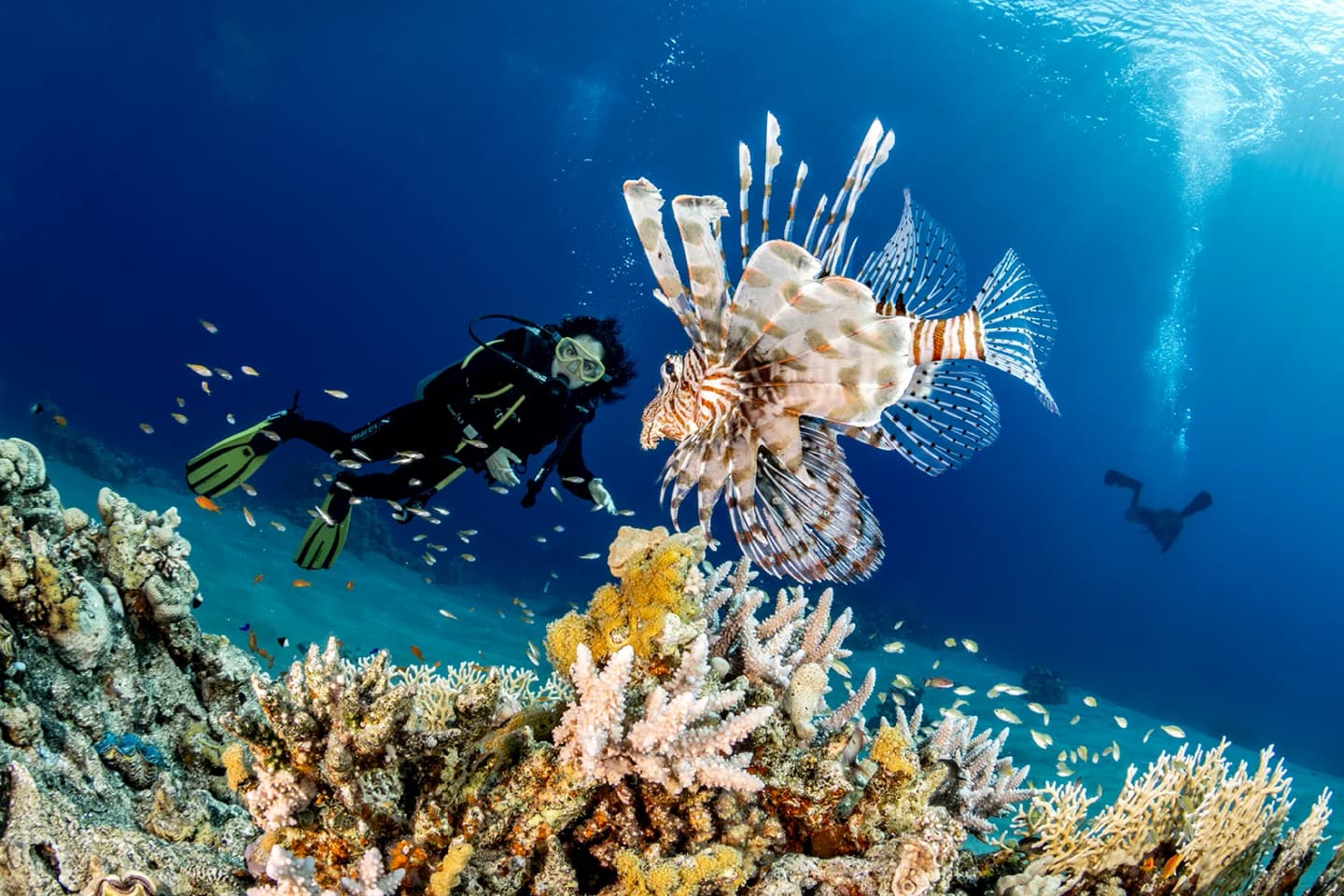
Slip from RIB to blue in a single stride. Below you, Elphinstone’s buttressed wall drops into cobalt, its north and south plateaus hovering like balconies above the deep. As anthias flicker along soft corals, a broad, confident fin cuts in from the blue—an oceanic whitetip—curious, unhurried, unforgettable. Marsa Alam is the launchpad, and this is the Red Sea at its most cinematic, guided by teams who make high-adrenaline encounters feel disciplined, respectful, and safe. For divers ready to level up, it’s the moment Egypt’s reef meets open-ocean theater.
What Makes This Experience Unique
Elphinstone sits offshore, so pelagic life is routine rather than rare. Oceanic whitetips often approach calmly in clear water, offering long, controlled encounters near the safety stop. The reef itself is spectacular—soft-coral drapes, violet fans, and overhangs—yet the real draw is blue-water theater fused with rigorous dive protocols and conservation-first etiquette.
Where to Do It
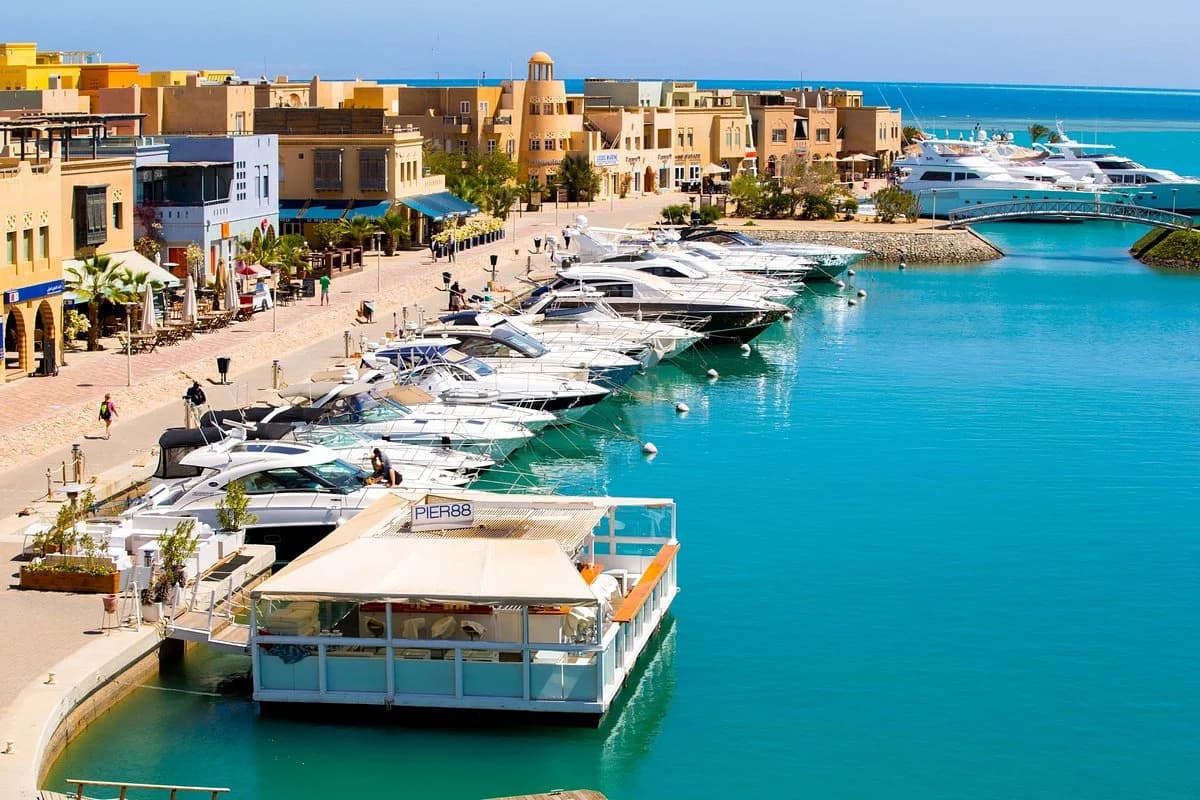
Most trips launch from Port Ghalib near Marsa Alam, with fast RIBs reaching the reef in roughly 30–40 minutes. Liveaboards expand options, pairing Elphinstone with Brothers or Daedalus on multi-day itineraries. Northern hubs like Hurghada also access Elphinstone via longer expeditions, but southern bases keep ride times short and schedules flexible for optimal conditions.
Best Time / Conditions
Peak oceanic whitetip season is late October through December, with a secondary pulse in April–May. Expect 20–40 m visibility, variable currents, and occasional downcurrent edges on the plateaus. Water averages around 27–30°C in late summer, cooling to roughly 22–24°C in winter—plan exposure accordingly and favor morning runs for lighter chop.
What to Expect
Briefings emphasize negative entries and tight teams. The north and south plateaus sit near 20–30 m, with walls dropping well past 70 m—depth discipline matters. Long hangs at 5–8 m are common as sharks cruise the blue. Keep streamlined trim, no dangling gear, and follow your guide’s positioning, eye contact, and approach protocols.
Who This Is For
Confident advanced divers with drift, wall, and blue-water experience. AOW and 30+ logged dives are typical minimums; Deep and Nitrox are big advantages for gas margins and sensible depth limits. If seasickness, nerves, or buoyancy are concerns, tune skills on protected reefs first, then step up to Elphinstone with a pro-led team.
Booking & Logistics
Choose operators with strict shark briefings, small ratios, O2, and surface supervision. RIBs take roughly 30–40 minutes; day boats often need 90–120 minutes depending on weather. Pack SMB, whistle, cutting device, and a dive computer; Nitrox extends no-deco on the plateaus. For deeper planning, see our Elphinstone Reef diving guide and shark diving safety tips.
Sustainable Practices
No baiting, feeding, or chasing. Maintain 3–5 m distance, keep hands close, and avoid blocking a shark’s path. Stay off the reef—no hooking or grabbing—perfect neutral buoyancy instead. Choose operators contributing to monitoring and reef conservation projects. Pack reef-safe sunscreen, minimize single-use plastics, and offset travel where possible.
FAQs
Elphinstone inspires big feelings, so it pays to know the playbook. In-season, oceanic whitetips are curious but measured; your guide sets positioning, depth, and team spacing. Expect negative entries, blue-water hangs, and deliberate exits. If conditions spike—current, chop, visibility—experienced crews adapt with alternative sites or reschedules for safety.
Is Elphinstone safe for shark diving?
With expert briefings, small ratios, and strict protocols, the risk profile is managed. Stay vertical, maintain eye contact, and keep trim clean—no dangling kit. Avoid sudden movements, flashing lights, or crowding. Your guide controls approach angles and ascent timing, and surface cover watches current lines and boat traffic throughout.
What certification and experience do I need?
Advanced Open Water plus comfortable drift and wall experience is standard; 30–50 dives is a solid baseline. Deep and Nitrox certifications help with sensible depth planning and no-deco margins on the 20–30 m plateaus. Strong buoyancy, situational awareness, and calm in blue water matter more than raw dive count.
Can non-divers or beginners join?
Elphinstone is not suitable for snorkelers or beginners due to offshore exposure, currents, and depth. Newer divers should train on sheltered reefs first, then progress under instructor guidance. Many Marsa Alam programs offer skills refreshers and check dives before stepping up to advanced sites like Elphinstone with a pro-led team.
Elphinstone rewards respect: unhurried sharks, crisp light, and the humbling sense of open sea beneath your fins. Master the protocols, choose conservation-led crews, and you’ll earn a Red Sea memory that lingers long after the bubbles fade back into blue.