Red Sea Night Diving: Bioluminescent Reefs and the After‑Dark Hunt
Quick Summary: Trade daytime bustle for the Red Sea’s quiet magic: shimmering bioluminescence, nocturnal predators, and easy-access house reefs. This guide covers when to go, what you’ll see, safety essentials, and the best night-dive areas from Hurghada and Sharm to Dahab and Marsa Alam.
The Red Sea after dark feels like a secret. Slip off the jetty and the day’s chatter fades, replaced by your breath and the soft sweep of torchlight. Coral polyps unfurl, shrimp eyes shimmer, octopus prowl, and—if you cover your light for a moment—bioluminescent sparks bloom around your hands like stars shaken loose underwater.
What Makes This Experience Unique
Night diving reveals behaviors hidden by daylight: octopus and cuttlefish hunting, basket stars blooming, and Spanish dancers waltzing across the reef. Your beam narrows the scene, turning a vast seascape into intimate vignettes. Add the Red Sea’s warm water and reliable visibility, and you get a calm, cinematic atmosphere that rewards slow, attentive, conservation-minded diving.
Where to Do It
For an overview of hubs across Egypt, see ourBest Time / Conditions
New-moon periods boost bioluminescence; calm forecasts and light winds make shore entries easier. Expect summer water of about 27–30°C and winter around 22–24°C—most divers add a 5 mm suit or hooded vest in cooler months. Plan 45–60 minutes at 8–18 meters, and favor familiar sites you’ve dived in daylight for effortless orientation.
What to Expect
Who This Is For
Confident open-water divers with steady buoyancy will love the pace and focus of night diving; Advanced Open Water or a Night Diver specialty helps, but isn’t always required with a reputable guide. Photographers, macro lovers, and mindful beginners seeking a calmer, less crowded reef window will find the experience especially rewarding and surprisingly meditative.
Booking & Logistics
orSustainable Practices
FAQs
Night diving raises smart questions—even for experienced Red Sea regulars. The keys are preparation, conservative planning, and choosing familiar terrain. Below, we cover certifications, safety standards, and marine life specifics so you can decide if a guided night dive fits your skills, schedule, and the conditions you’re likely to encounter this week.
Do I need Advanced Open Water or a Night Diver specialty?
Many centers welcome certified Open Water divers for guided night dives on easy house reefs, provided you’ve logged recent dives and show solid buoyancy. Advanced Open Water or a Night Diver specialty deepens skills—navigation, light signals, and task loading—making the experience smoother. Either way, follow your guide and stay within personal comfort limits.
Is night diving in the Red Sea safe?
With reputable operators, conservative profiles, and good kit, yes. Look for thorough briefings, oxygen and first-aid on site, surface supervision, and radios. Bring a primary torch (800–1200 lumens), a backup light, and a marker strobe. Depths are typically 8–18 meters with low exertion. Always dive a known site you’ve seen in daylight.
What marine life will I likely see at night?
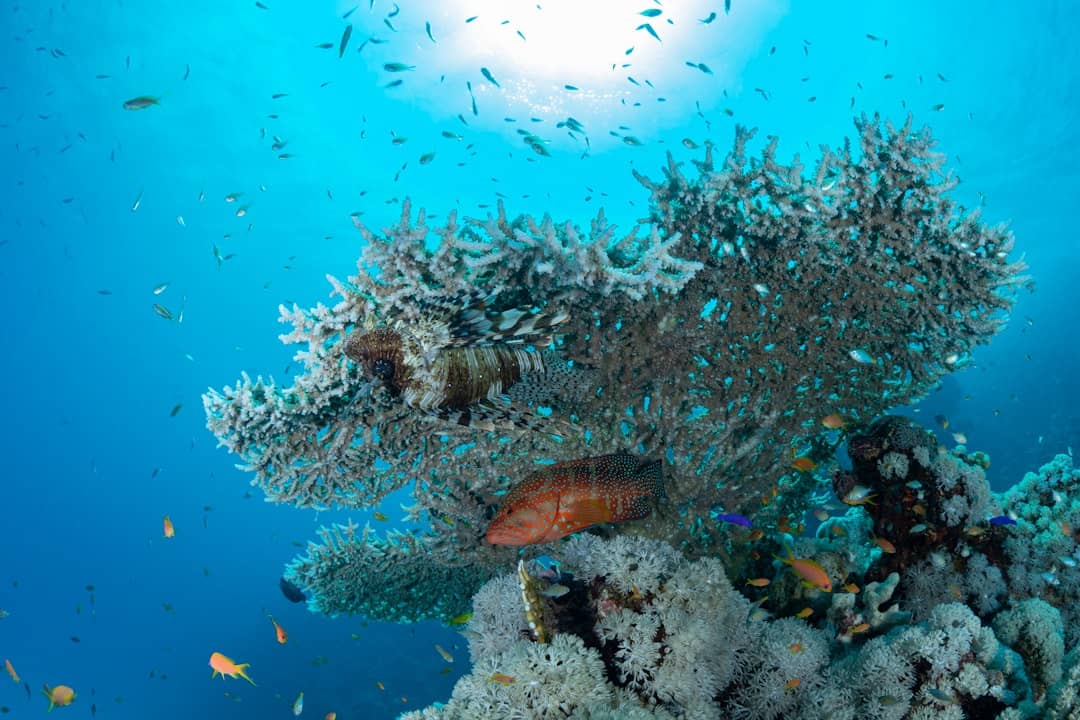
Expect hunting cuttlefish and octopus, basket stars unfurled, shrimp-eye constellations, Spanish dancers, nudibranchs, and lionfish stalking in your beam’s edge. Sleeping parrotfish often rest in mucous cocoons; turtles may be settled in sandy hollows. On the darkest nights, cover your torch and swirl the water—bioluminescent plankton often sparkles in response.
In the hush between lights and stars, night dives turn the Red Sea into a private cinema—intimate, patient, and unforgettable. Start with a familiar house reef, keep the plan simple, and let small wonders lead the way. When dawn returns, you’ll carry new confidence into your next day boat and shore adventures.