Swimming with Dolphins in Hurghada: Is It Ethical and Safe?
Quick Summary: Swimming with wild dolphins near Hurghada is unforgettable—but not risk-free for you or the animals. Choose slow, code‑of‑conduct boats, accept no‑guarantee sightings, and prioritize respectful distance. Early starts, small groups, and strong swimmers make the experience safer and more ethical.
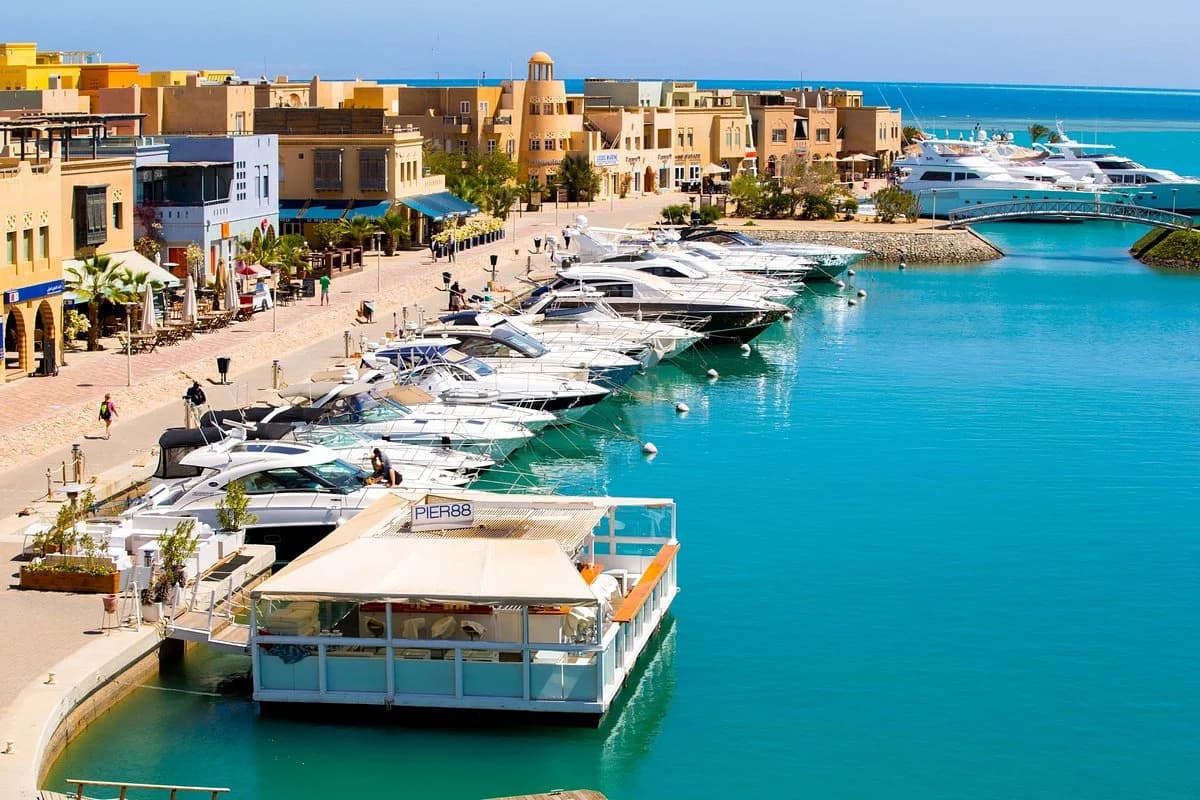
At dawn in Hurghada, boats slip from the marina toward offshore reefs nicknamed “Dolphin House.” Anticipation rises as the Red Sea destinations brightens to lapis. When a pod appears, time slows—clicks and whistles carry through the water and a sleek silhouette materializes below. The question is simple yet loaded: should you join them?
What Makes This Experience Unique
Hurghada’s proximity to resident dolphin pods means day boats can reach likely grounds in roughly 60–90 minutes, often over shallow coral gardens where visibility dazzles. Unlike choreographed captive shows, encounters here are unscripted and brief—nature on its own terms. For a broader primer on the city and coast, see our Hurghada travel guide.
Where to Do It
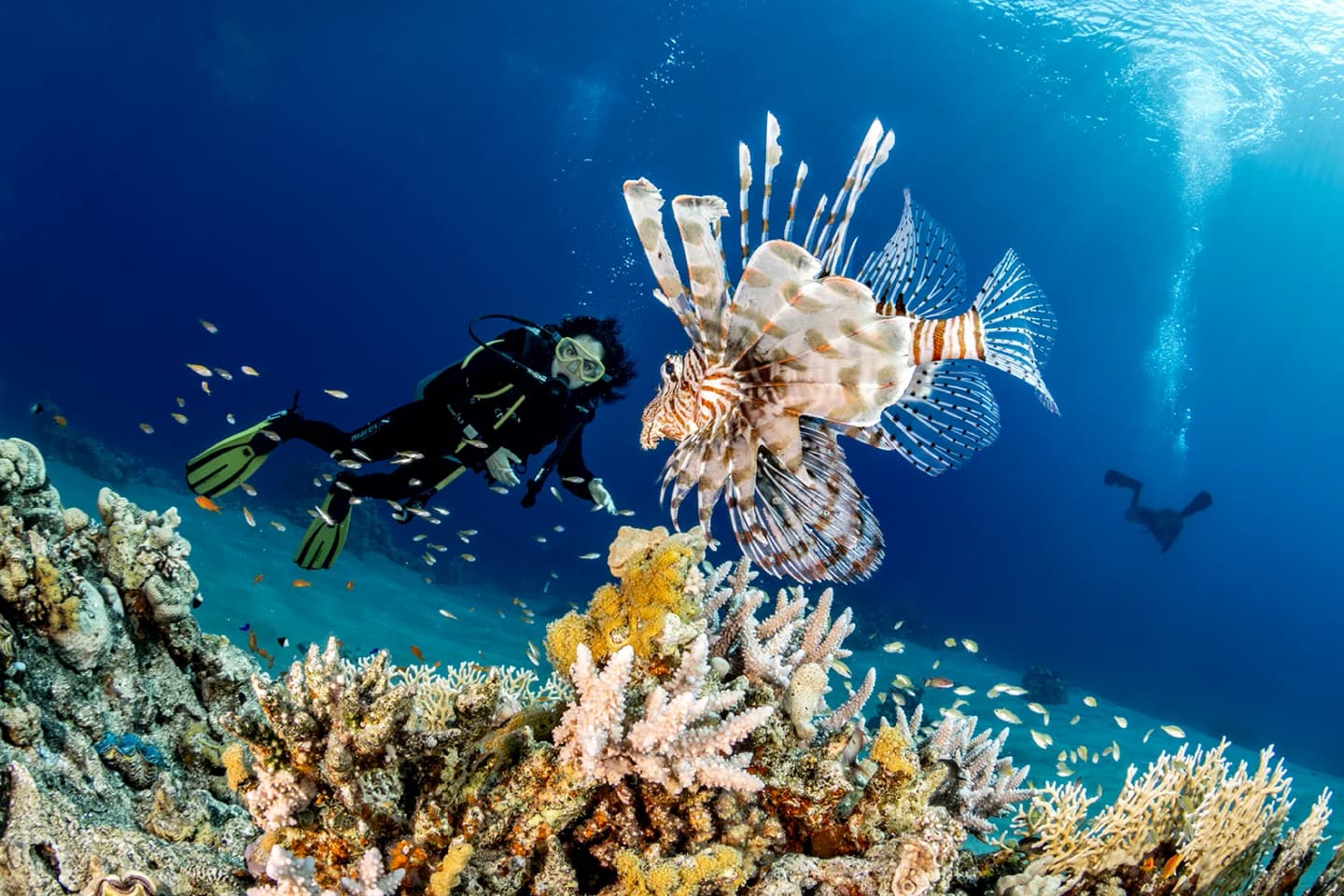
Most tours and activities depart Hurghada Marina for offshore reefs and sandbar zones—sometimes called “Dolphin House”—and may combine time near pods with guided snorkels at 5–12 m reefs. Expect alternatives near the Giftun Islands if dolphins don’t show. To compare options across coastlines, browse our Red Sea destinations overview.
Best Time / Conditions
April to October brings warmer seas (about 24–29°C) and calmer mornings, ideal for families and newer snorkelers. Winter can deliver crystal visibility but stronger winds and choppier rides; early starts still help. Dolphins follow their own rhythms, so sightings are never guaranteed. For seasonal water tips, see our Hurghada snorkeling guide.
What to Expect
Ethical boats keep distance, observe first, then drop swimmers ahead of a transiting pod so animals can choose to pass. Time in the water is short, often a few minutes per drop, repeated if conditions suit. Many trips include two reef snorkels, lunch, and safety briefings; some days you’ll see corals—but no dolphins—and that’s okay.
Who This Is For
Strong swimmers comfortable in open water have the best experience; you’ll move quietly at the surface, not free‑diving experiences or chase. Families with older children fare well on calm‑sea mornings with life vests and close guide support. If you prefer guaranteed wildlife or dislike boats, opt for reef‑focused days instead of dolphin‑centric itineraries.
Booking & Logistics
Choose small‑group or private boats that publish a wildlife code of conduct, brief in-water etiquette, and emphasize “chance, not promise.” Verify safety gear, shade, and first aid. A reputable option is a dolphin watching and snorkeling tour from Hurghada. For a reef‑heavy plan with chances near pods, consider the Dolphin House snorkel adventure.
Sustainable Practices
Ask operators to cap boat numbers around a pod, rotate turns, keep engines neutral, and avoid leap‑frogging ahead. In the water, stay at the surface, keep hands to yourself, and give dolphins room to travel. Skip flash, scooters, and touching. Choose trips that include conservation fees and still call the day a success without a sighting.
FAQs
The ethics hinge on minimizing pressure on wild pods and accepting no-contact, no-chase encounters. A good operator treats dolphins’ choice as paramount—short, calm interactions or none at all if animals are resting, feeding, or with young. Your role is simple: follow the briefing, float quietly, and let dolphins decide the terms.
Is swimming with dolphins in Hurghada ethical?
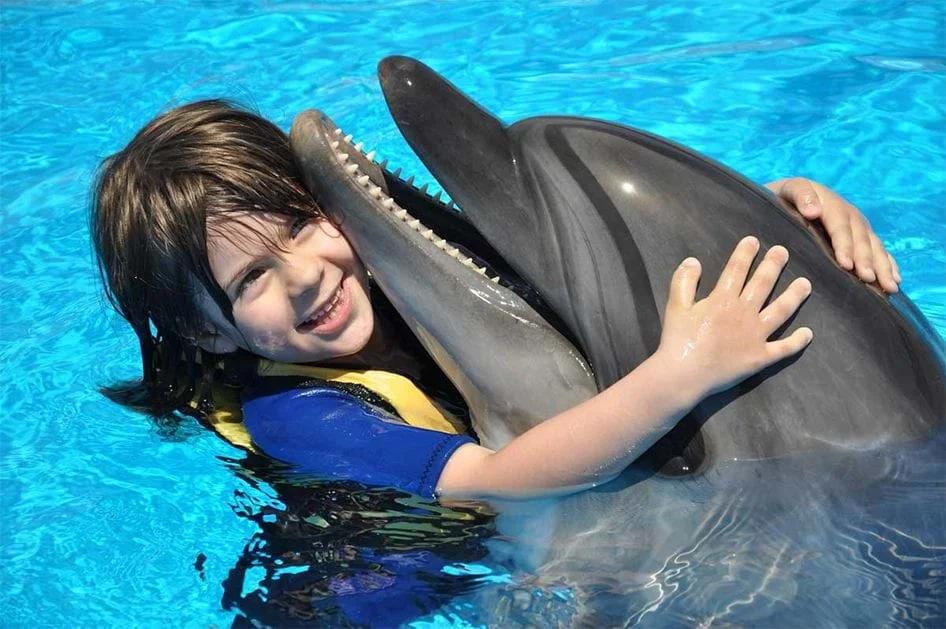
It can be—if boats keep distance, limit time, avoid surrounding pods, and never feed or touch. Ethical tours prioritize reef snorkeling tours and treat dolphin time as a bonus. Be wary of “guaranteed swims,” repeated drop‑ins at resting pods, or handlers pushing guests toward animals. If it looks like pursuit, it probably is.
Is it safe for kids and non‑swimmers?
On calm mornings with vests, floats, and close guide ratios, older children and cautious adults do well. Remember: you’ll be in open sea with boat traffic and occasional chop. Seasick tablets, sun protection, and hydration matter. If you’re uneasy, choose reef‑only snorkeling tours or glass‑bottom alternatives and skip the dolphin segments.
What if we don’t see dolphins?
That’s normal—and healthy. Wild pods move unpredictably and may avoid boats when resting or nursing. Good operators pivot to superb reefs, sandbars, and lagoons instead. Treat corals, fish life, and time at anchor as the day’s highlight; you came for the Red Sea destinations, not a guarantee. No‑dolphin days signal a respectful approach.
In the end, Hurghada rewards travelers who choose patience over pressure. Book with ethics-forward crews, relish the reefs, and welcome dolphins only if they invite you. For itinerary ideas that keep expectations balanced, browse our calm, reef‑first take on the Dolphin House cruise.