
Ethical Dolphin Encounters in Hurghada: The 2026 Guide to Doing It Right
Quick Summary: Want a respectful dolphin experience? Choose small, early-start VIP boats that brief guests, idle at distance, and never chase. Expect two guided snorkels over shallow coral, clear rules on approach, and no guarantees—because wild dolphins call the shots.
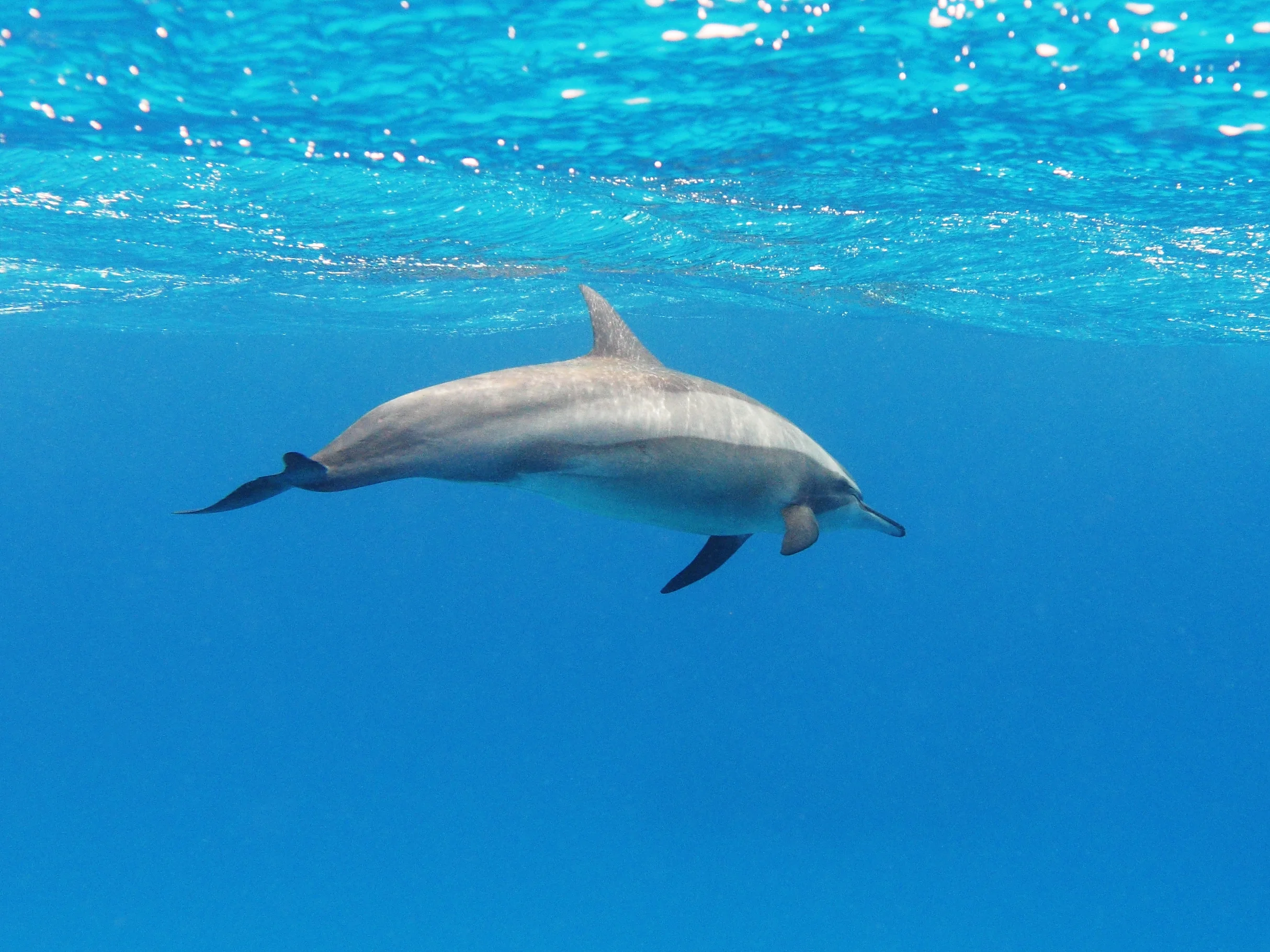
The Red Sea destinations’s wild dolphins remain Hurghada’s most moving sight—sleek silhouettes slipping through cobalt water, then vanishing as quickly as they arrived. The difference between a lifelong memory and a stressed pod often comes down to boat size, timing, and restraint. In 2026, ethical operators are proving that “less” truly delivers “more.”
What Makes This Experience Unique
Hurghada’s encounters are with wild, free-ranging dolphins in open sea—not penned animals or baited shows. Ethical tours and activities prioritize brief, passive viewing, cutting engines and letting dolphins approach (or not). You trade manufactured thrills for quiet presence, better behavior sightings, and guilt-free memories that leave the Red Sea destinations’s residents exactly as you found them.
Where to Do It
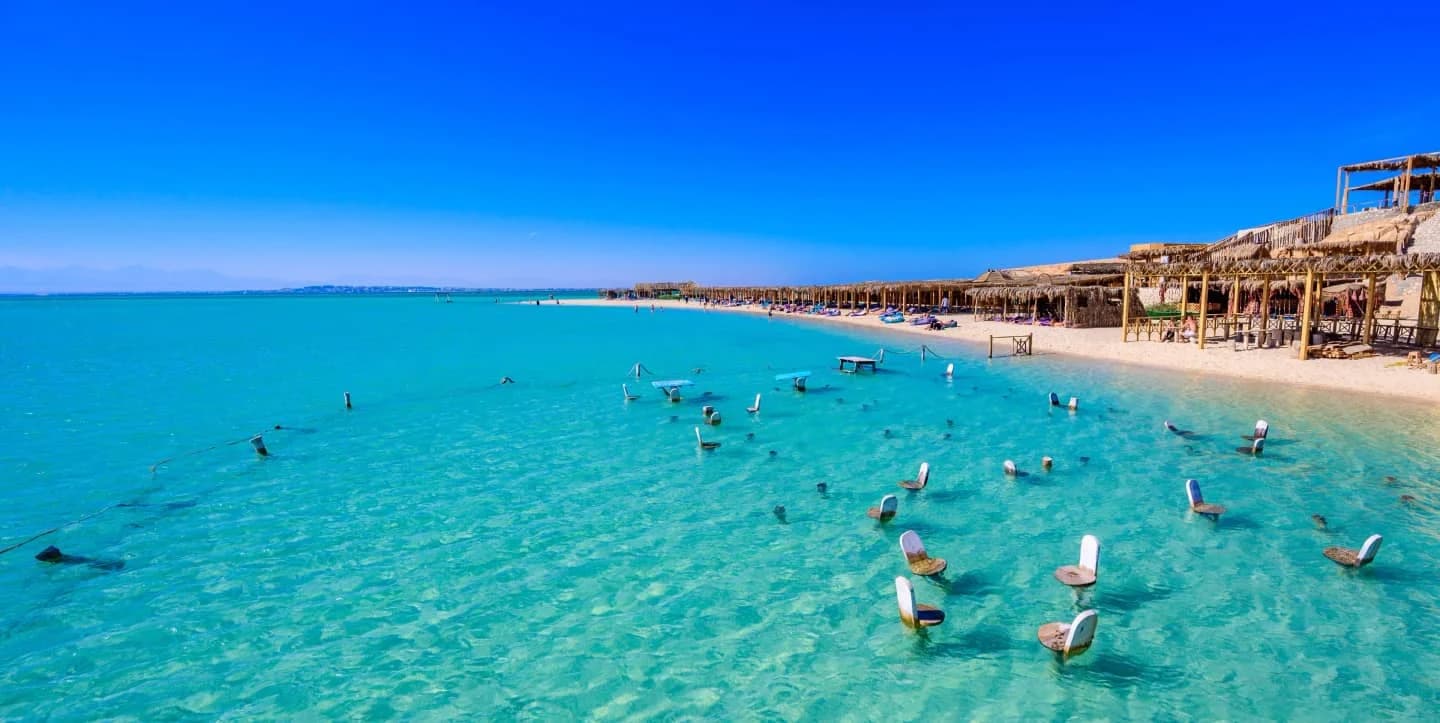
Most boats target offshore coral systems informally known as “Dolphin House,” plus sandy lagoons around Giftun’s reefs. Runs are typically 12–25 km offshore, about 60–90 minutes from Hurghada Marina in calm seas. If you’re based north, El Gouna’s marinas offer shorter runs and quieter pressure; see our El Gouna kitesurfing guide for local context.
Best Time / Conditions
Calm mornings are best—seas are flatter, visibility often 15–30 m, and pods are more settled. April–November brings warmer water (around 24–29°C), while winter dips nearer 20–22°C. Aim for light winds (Beaufort 2–3). Early departures beat the flotillas; our practical day-at-sea timing tips help you thread crowds and currents.
What to Expect
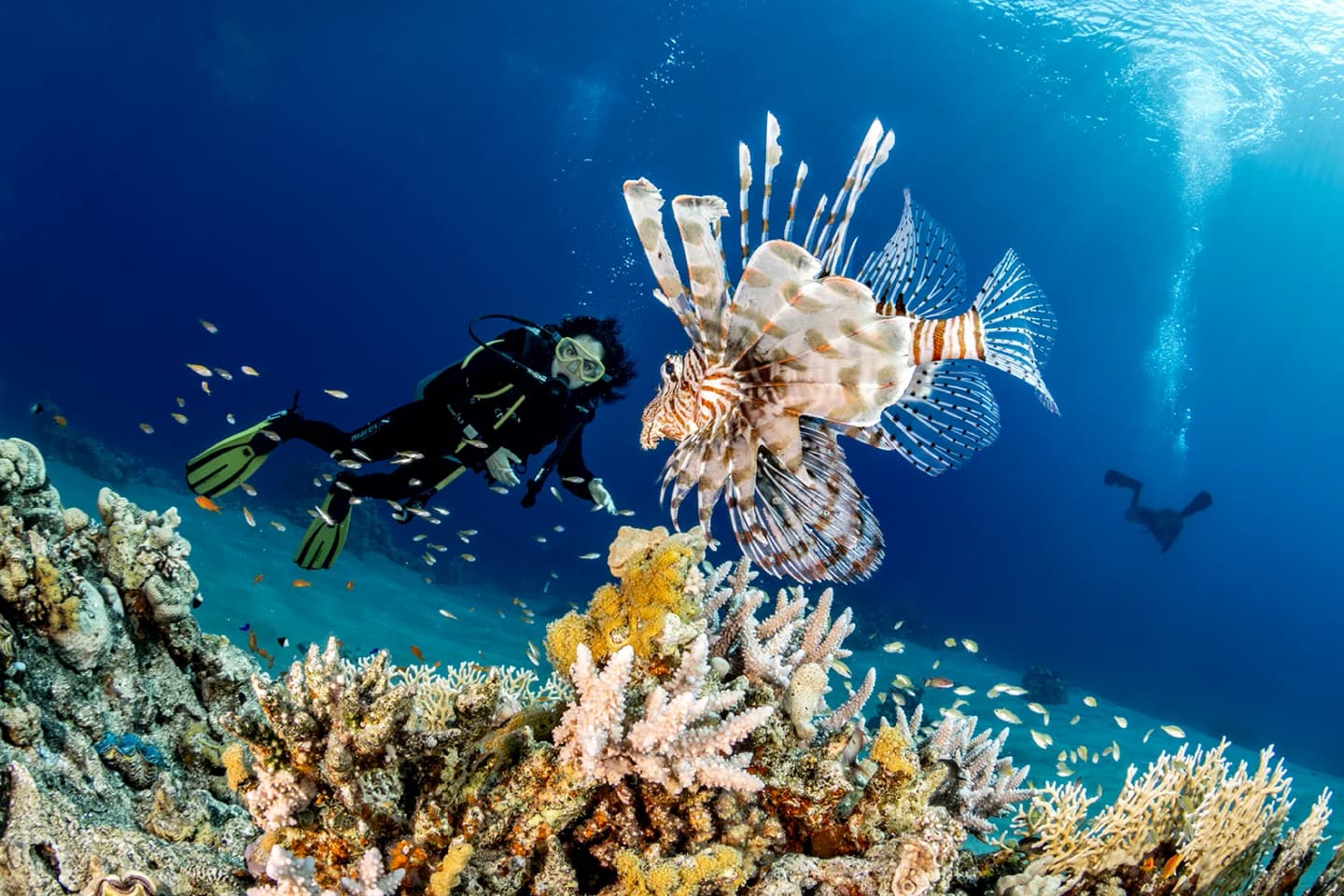
On a VIP small-boat, expect a safety and ethics briefing, two guided snorkels over 5–12 m coral gardens, and engines set to neutral during approach. There are no “guaranteed swims,” no chumming, no chase. Cheaper party boats can pack 50–100 people, add loud music and tow toys—fun elsewhere, but stressful near resting pods.
Who This Is For
Choose an ethical VIP when you value wildlife welfare, space to move, and clear guidance in the water. It suits families, photographers, and first-time snorkelers who prefer patience over pressure. If you mainly want water sports, sandbars, or social vibes, a non-dolphin day boat is the better fit for everyone—especially the dolphins.
Booking & Logistics
Seek operators that cap groups under 10, brief codes of conduct, and coordinate by radio rather than racing. For the lowest impact and highest control, book a private speed boat dolphin tour. Prefer a quality shared option? Try a well-run Hurghada dolphin watching & snorkeling tour. Pack a rash guard, reef-safe sunscreen, and closed-heel fins.
Sustainable Practices
Slow on approach; never box in a pod. No touching, feeding, diving experiences through groups, or drones. Keep hands close, fin gently, and maintain respectful distance—closer only if dolphins choose it. Limit time near resting pods to 15 minutes, then rotate or leave. Snorkel only; avoid scooters and tow toys anywhere near cetaceans.
FAQs
Ethical dolphin trips in Hurghada hinge on realism: dolphins are wild, sightings vary, and the best moments are brief and calm. Choosing smaller boats with clear rules means fewer propellers, less wake, and better behavior in view. Expect quiet observation, not choreography—and you’ll come home with a cleaner conscience.
Can I swim with dolphins ethically in Hurghada?
Yes—by letting dolphins decide. Enter the water only when the guide signals, keep bodies horizontal and relaxed, and never pursue. If a pod slows or turns away, stop and give space. Ethical crews set engines to neutral, rotate time near the pod, and leave resting or nursing groups undisturbed.
Are VIP tours really worth the price?
For welfare and quality, yes. Small VIP boats cut group size, engine time, and chaos. You get earlier starts, better briefings, and quieter water—conditions that encourage natural behavior. While you’ll never get a guarantee, your odds of meaningful, low-impact viewing improve dramatically compared with crowded, party-style boats.
Is this suitable for kids and new snorkelers?
With good buoyancy aids and patient guides, absolutely. Choose boats that limit groups, provide in-water guidance, and anchor on shallow sand with 5–8 m depth for practice. Use snug masks, short fins, and a rash guard for warmth and sun protection. If conditions chop up, consider rescheduling rather than pushing through.
If you’re planning wider Red Sea destinations time, our Hurghada family guide explains neighborhoods, marinas, and kid-friendly bases to pair with a dolphin day. Travel gently: choose the quieter boat, accept the “maybe,” and leave the sea as calm as you found it.