Red Sea Festivals: Where Reefs, Desert Heritage, and Music Meet
Quick Summary: From Bedouin nights to beach concerts and sea‑sport meet‑ups, Red Sea festivals turn Egypt’s coast into an open‑air stage that fuels local business, deepens visitor engagement, and brings travelers back season after season.
Framed by coral gardens and the serrated Sinai, Egypt’s Red Sea turns into an open‑air stage each season. In old harbors and modern marinas, music thumps at sunset, Bedouin storytellers warm desert nights, and athletes gather by clear lagoons. In Hurghada and Sharm El Sheikh, festivals braid sea, sand, and heritage into experiences that spill from beaches to souks. Travelers mingle with locals, stalls surge with color, and the Red Sea becomes the headline act.
What Makes This Experience Unique
Few coasts fuse reef‑to‑desert contrasts like the Red Sea. Here, place‑rooted festivals pair live music with moonlit Bedouin dinners, kites whistling over turquoise lagoons, and community beach clean‑ups that end with drum circles. It’s participatory by design: you don’t just watch—you join. That immediacy creates memories strong enough to reshape future trips.
Where to Do It
Festival energy clusters where the shore meets social life: Hurghada Marina’s promenades, Sharm’s Naama Bay and SOHO hubs, Dahab’s Lighthouse promenade, and the marina‑laced canals of El Gouna. Expect pop‑up stages near harbors, acoustic sets in courtyards, and sunrise gatherings on sheltered beaches—always within easy reach of reefs, cafes, and local markets.
Best Time / Conditions
Late September to May blends comfortable air with reliable visibility (often 20–30 meters) for sea‑sport showcases, while summer delivers stronger winds ideal for kite and wind events. Water temperatures run roughly 22–29°C along the coast. After dark, the scene heats up; consult the Hurghada nightlife guide to time music‑driven evenings.
What to Expect
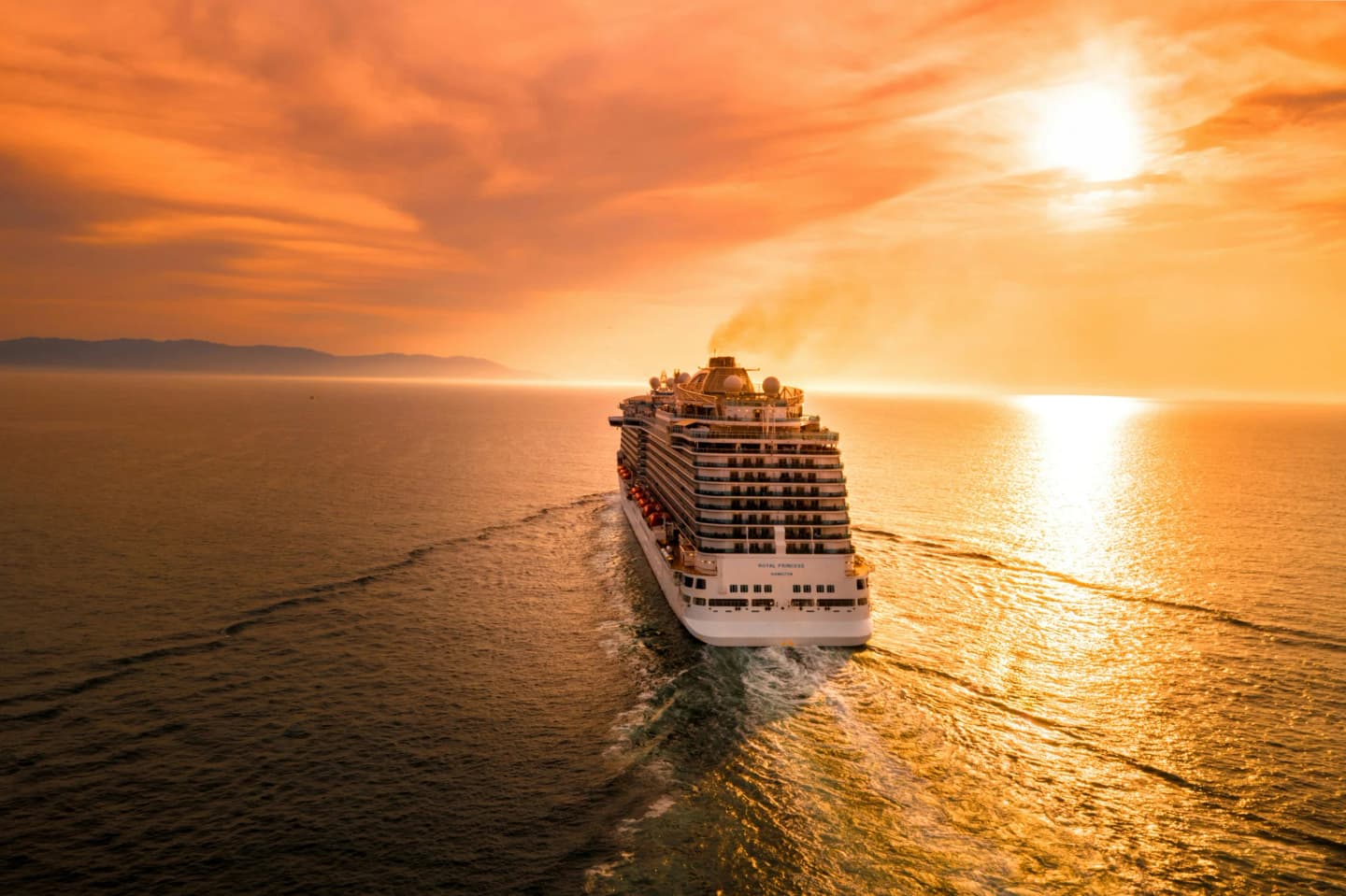
Mornings may start with yoga on the pier or reef‑friendly snorkel meet‑ups; afternoons swing toward workshops—dabke steps, oud intros, or fish‑market tastings. Sunset brings headline sets on the sand and floating stages offshore. In Sharm, a dinner cruise with live shows folds the party into the sea itself—city lights, belly dance, and a seafood feast under stars.
Who This Is For
Cultural travelers who crave context, families chasing shared moments, and active types who prefer their parties with salt spray and sunrise stretches. Non‑divers aren’t sidelined—shoreline events and marinas keep everything accessible. Creators—photographers, musicians, DJs—often find collaboration spaces that turn a single night into a lasting Red Sea project.
Booking & Logistics
Festival passes are commonly digital; book early near marinas or central bays. Cairo–Hurghada flights take about an hour, and local transfers are straightforward. Anchor your cultural day with a Half‑Day Hurghada City Tour—mosques, markets, and marina stops—then layer performances at dusk. Bring reef‑safe sunscreen, light layers, and a reusable bottle; cashless wristbands are increasingly standard.
Sustainable Practices
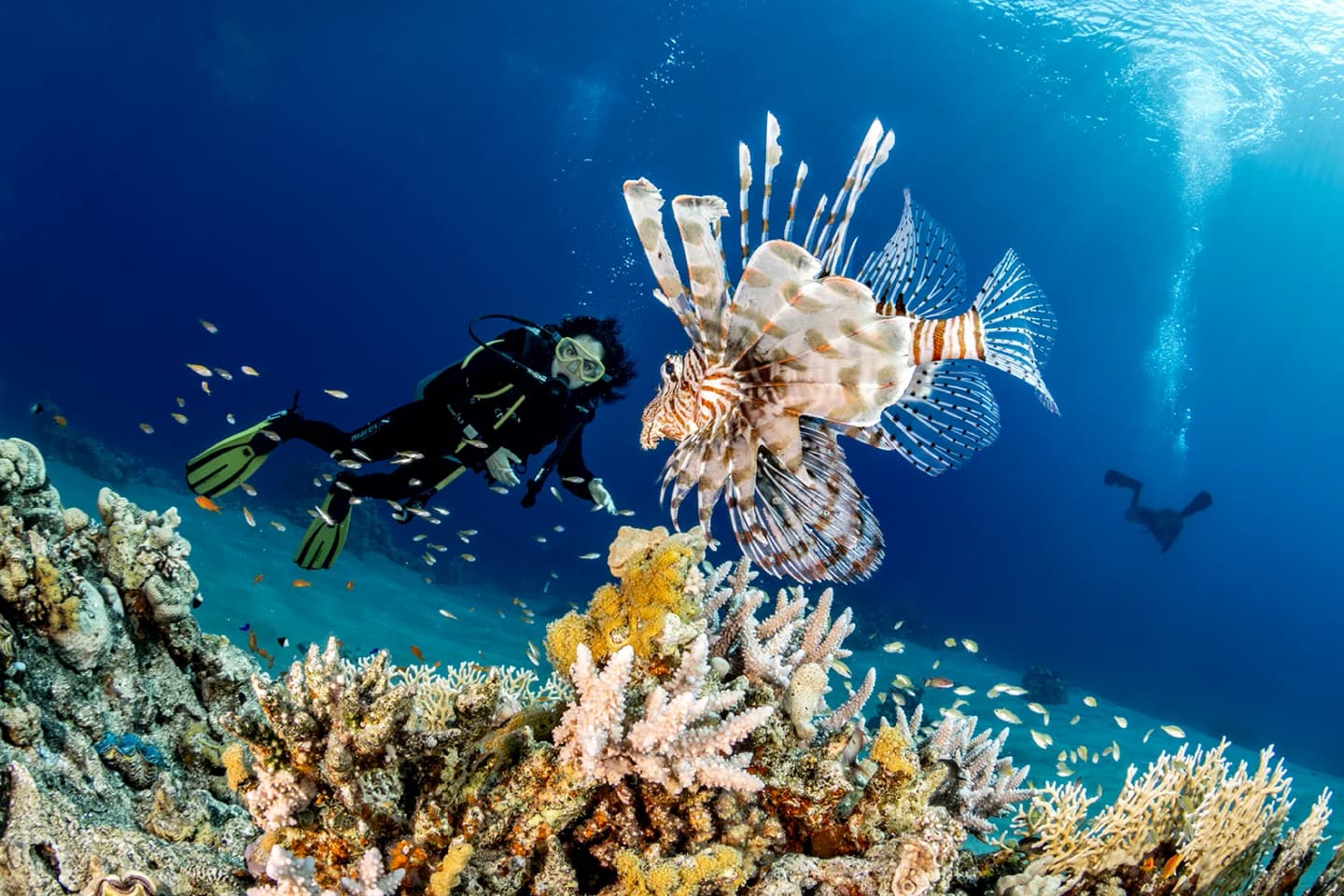
Choose events that enforce “reef‑first” rules: no touching corals, buoy moorings over anchors, and no single‑use plastics. Volunteer clean‑ups often precede sets, turning spectators into stewards. For sea days, study currents and protected zones; this Red Sea reef travel guide frames Ras Mohammed and Dahab etiquette so marine life—not noise—steals the show.
FAQs
Festivals along the Red Sea are built for participation, not pressure. You can drop into a workshop, sample regional bites, cheer on athletes, or simply listen as the shoreline becomes a stage. Below are essentials that first‑timers and returning fans ask most, distilled for smooth, respectful, and memorable days and nights.
Question 1?
Do I need to dive or kite to enjoy it? Not at all. Many programs are land‑based: acoustic sets, food stalls, Souq tours, and heritage performances. Visibility and wind create atmosphere, but shoreline vantage points keep you close to the action. If you do join water activities, guides brief conditions and safety before you start.
Question 2?
What should I pack? Light clothing, a scarf for wind or sun, sandals that handle sand and piers, and a compact jacket for breezy nights. Add reef‑safe sunscreen, a soft microfiber towel, and a dry bag for boat hops. Earplugs help at late shows; a portable power bank keeps tickets and eSIMs alive.
Question 3?
How do festivals benefit local communities? Vendor stalls, guiding, transport, staging, and security create income chains that ripple far beyond the beach. Programming often spotlights Bedouin crafts and music, and community clean‑ups leave shorelines better than they were. Buying local—and tipping fairly—keeps more of your spend circulating at the coast.
When music drifts across the water and desert peaks silhouette the sky, the Red Sea’s festivals feel like a conversation between place and people. Come for the coral‑blue days, stay for the lantern‑lit nights, and leave with stories that pull you back to this coast—long after the last encore fades.