Dive Into Revival: How Egypt’s Expanded Red Sea Protections Change Every Underwater Moment
Quick Summary: Egypt’s Red Sea is turning a conservation corner. Expanded protected zones, coral farming, and mooring buoys are restoring reefs—and travelers can join local scientists and guides to witness more fish, healthier corals, and turtle-filled seagrass meadows on everyday dives and snorkels.
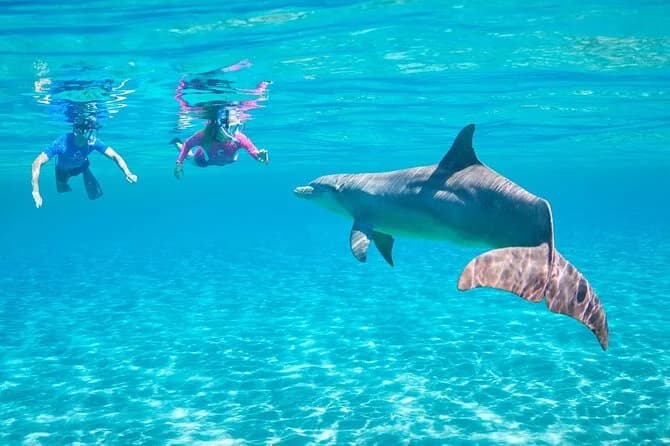
Morning light pours through gin-clear water as we back-roll into a Red Sea that feels newly alive. In linked sanctuaries from Hurghada to Sharm El Sheikh, conservation is no longer an abstract goal; it’s a guided, hands-on experience. Coral nurseries sway like underwater orchards. Juvenile fish cloud around bommies. A turtle rises from seagrass, unhurried, as if it has regained the right of way.
What Makes This Experience Unique
Egypt’s Red Sea is showing a rare, hopeful curve: practical protections and community projects you can join today, with impacts visible in real time. Divers and snorkelers help seed nurseries, record sightings, and moor on buoys that keep anchors off coral. Expect science briefings with your safety checks, and wildlife encounters that feel more frequent—and more relaxed.
Where to Do It
Ras Mohammed’s walls and lagoons showcase biomass recovery, while the Giftun Islands and stations off Hurghada host accessible nurseries and buoyed sites. Marsa Alam’s bays shelter turtles and seagrass; Abu Dabbab is the family-friendly star. For adventurous fin kicks, explore lesser-known Red Sea dive sites where pressure is lower and coral gardens flourish.
Best Time / Conditions
The sea is swimmable year-round, with visibility often 20–30 m. Expect 22–24°C in winter and 27–29°C in late summer; a 5 mm suit suits cooler months, 3 mm or rashguard in summer. Early mornings bring calmer surface conditions. Summer “shamal” winds can kick up chop, but leeward bays and moored sites keep plans flexible.
What to Expect
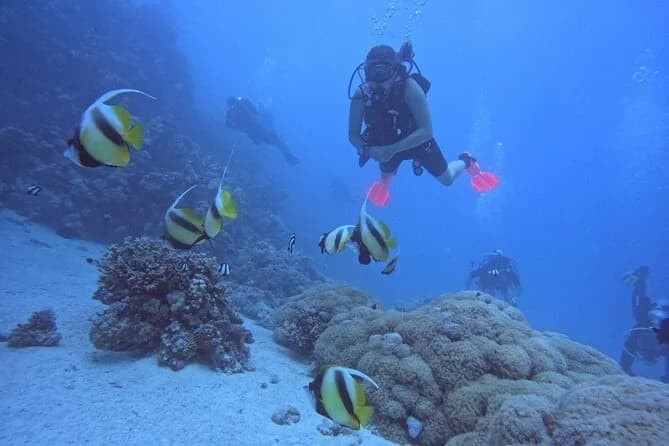
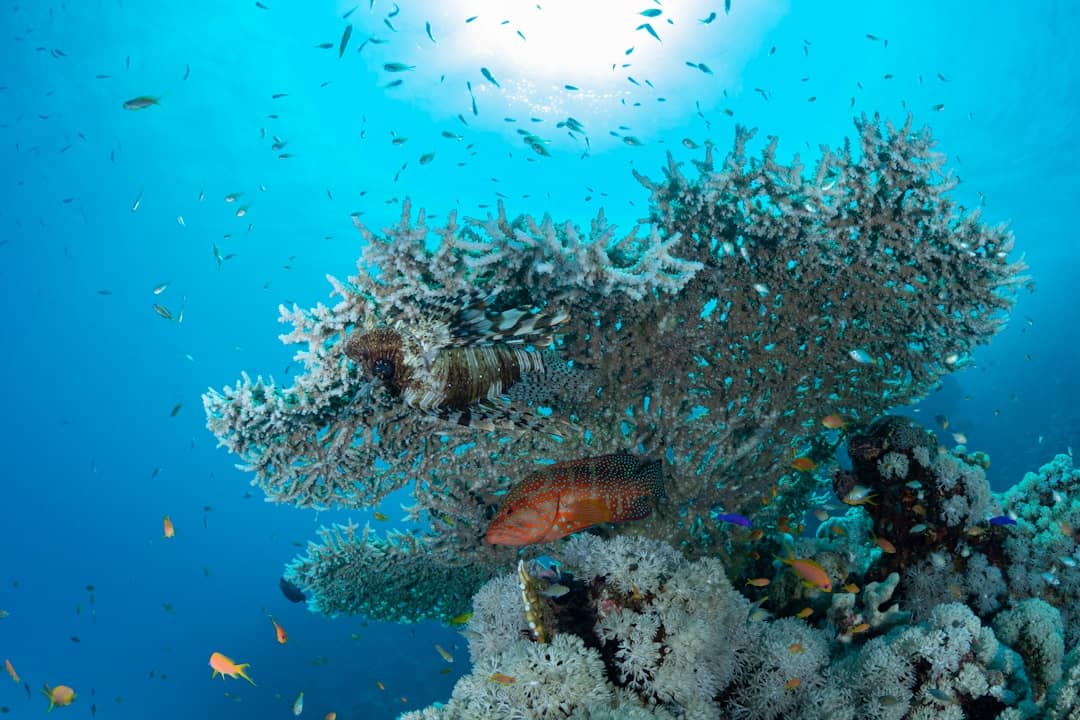
You’ll brief on “no-touch” protocols, then visit coral frames set between 5–12 m where teams outplant fragments onto recovering heads. On reefs with new mooring lines, skittish species settle quickly after boats tie off. Shallows host clouds of anthias and sergeant majors; seagrass meadows reveal turtles and rays nosing through swaying blades.
Who This Is For
Confident snorkelers, new divers, and seasoned photographers each find a lane. Families can float above nurseries and turtle pastures with guides; advanced divers target deeper walls and drifts. If you value purpose with your play, conservation briefings and optional data logs add meaning—without turning your holiday into homework.
Booking & Logistics
Choose operators using fixed moorings, small-group ratios, and reef-safe practices. From Hurghada, Orange Bay and Giftun cruises reach protected shallows in about 45–60 minutes; try an Orange Bay island cruise with snorkel stops. Turtle lovers should book Abu Dabbab turtle bay. Typical beginner depths sit around 6–12 m; guides tailor sites to conditions and experience.
Sustainable Practices
Follow simple rules with big effects: use mooring lines, keep fins up, and wear mineral, reef-safe sunscreen. Bring a mesh bag for micro-litter, log sightings for local databases, and prefer refillable water systems onboard. For context and trip ideas, see Egypt’s new dive sites and reef projects—a practical snapshot of how tourism and conservation now align.
FAQs
Here’s what travelers ask most when pairing conservation with a Red Sea holiday. These answers focus on comfort, safety, and impact—how to choose the right season and suit, what wildlife to expect as protections expand, and easy ways to contribute without sacrificing the joy of long, unhurried snorkels and calm, well-briefed dives.
Do I need to be a certified diver to join coral nursery work?
No. Many projects include shallow frames between 5–12 m visible to snorkelers, with volunteers assisting topside or during guided floats. Certified divers may help with gentle cleaning or monitoring under supervision. Briefings cover handling rules; your contribution may be as simple—and vital—as recording temperatures and fish counts.
How are expanded protections changing wildlife encounters?
Mooring fields and stricter no-touch policies mean fewer anchor strikes and calmer scenes. Fish schools gather faster after engine-off tie-ins, turtles linger longer on seagrass, and nursery outplants seed nearby bommies. You’ll notice subtle shifts: braver butterflyfish, thicker clouds of anthias, and cleaner coral heads where boats no longer drop hooks.
What gear should I pack for comfort and safety?
Bring a 3 mm suit (or rashguard + vest) for late spring to autumn, and a 5 mm for cooler months. A snug mask, full-foot fins for boat entries, and mineral-based sunscreen are essentials. Pack a reef-safe defog, lightweight SMB if diving, and a refillable bottle for boat water stations.
As the Red Sea’s protections scale, the story underwater shifts from loss to renewal. Join the briefings, slip into the blue, and witness how community, science, and adventure now move in one current—from Hurghada’s nurseries to Sharm’s walls—turning every swim into a small act of hope.