
Elphinstone Reef, Safely: Oceanic Whitetips With Research‑Led Guides
Quick Summary: Elphinstone Reef delivers Egypt’s most reliable oceanic whitetip encounters, now paired with real-time detection, strict protocols, and research-led guiding that transform adrenaline into safe, purposeful immersion—an ethical blueprint for diving with apex predators in the Red Sea.
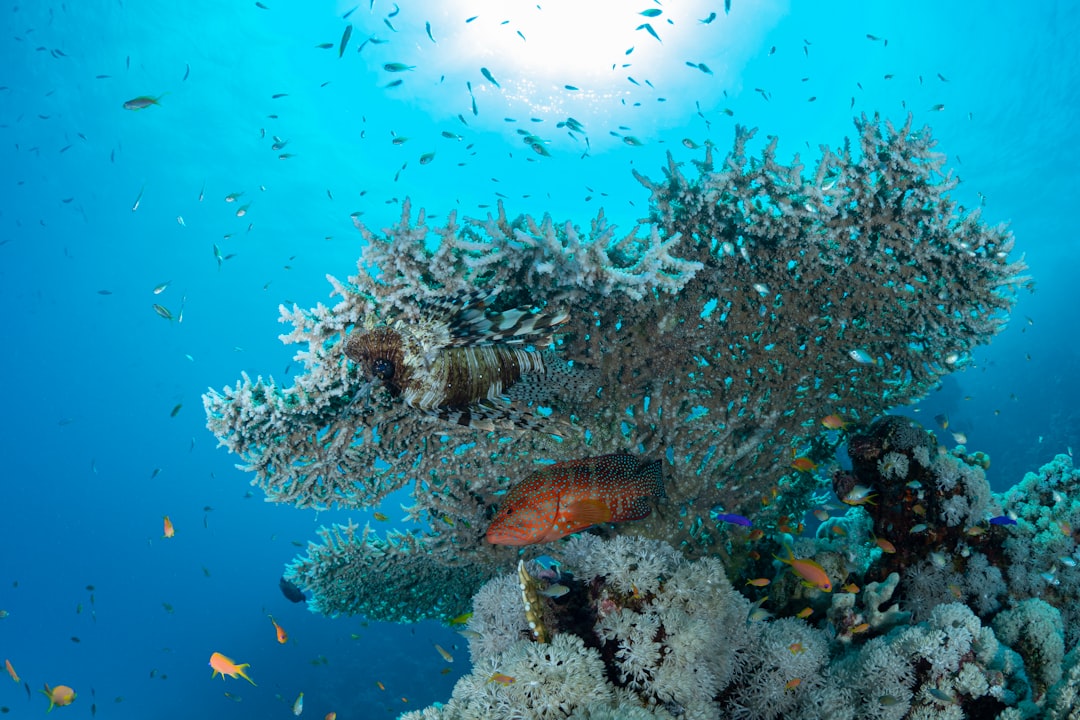
At first light, the Red Sea is a sheet of molten silver as skippers throttle toward a sliver of reef breaking the horizon. Elphinstone looks small from the surface, but beneath is a vertical highway where soft corals cling to limestone and pelagics—most famously the oceanic whitetip—cruise the blue. Today, safety isn’t left to luck: boats coordinate sightings by radio, guides brief behavior protocols with research rigor, and detection tools sharpen decision-making without disturbing wildlife.
What Makes This Experience Unique
Elphinstone balances high-octane encounters with an ethos of measured calm. Real-time detection, shared sighting networks, and research-led briefings turn “shark luck” into informed choices: which plateau to drop, how to position in current, when to switch sites. The result is thrilling but structured—a chance to read behavior and participate in conservation-minded shark diving rather than chase it.
Where to Do It
Most departures run from Marsa Alam’s Port Ghalib, with speedboats reaching Elphinstone’s ridge roughly 12 km offshore in 25–45 minutes, sea-state depending. If you’re choosing your base, this comparison of Marsa Alam and Hurghada beaches clarifies travel trade-offs and access to marquee reefs like ElphinstoneMarsa Alam vs Hurghada beach guide. Liveaboards also stitch Elphinstone into South Red Sea routes for multi-site variety.
Best Time / Conditions
Encounters are possible year-round, with a reliable oceanic whitetip window often running October to December and a secondary pulse in spring. Expect 22–24°C water in winter and 27–29°C in summer, plus excellent visibility. Currents can be spirited: downcurrents and cross-sweeps are part of Elphinstone’s character, so operators adjust entry points and profiles accordingly.
What to Expect
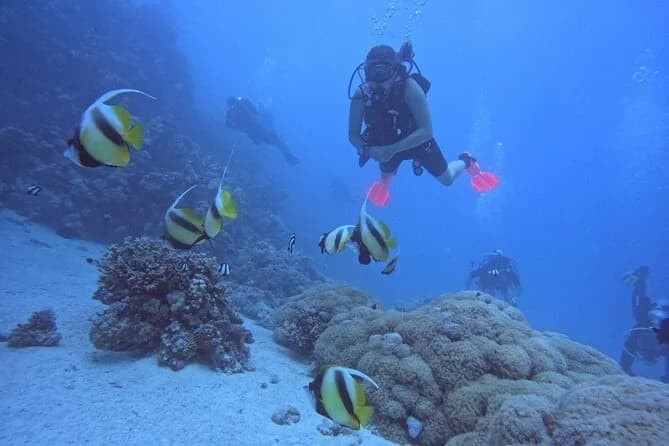
Drops typically target the north plateau around 20–25 m or the deeper south ledge near 30–40 m, with walls plunging well beyond recreational limits. Guides maintain vertical profiles in the blue and coach non-threatening posture—slow finning, compact silhouettes, and eyes on the shark. Expect staged, multi-level drifts with strict no-touch, no-bait, and no-feed rules aligned to global best practice for apex predators.
Who This Is For
Confident advanced divers who are comfortable with current, blue-water positioning, and gas discipline will thrive. Photographers benefit from a steady hand, wide-angle setups, and non-flash approaches. Not ready for sharks yet? Build confidence on gentler wildlife days—like Marsa Mubarak’s dugong-and-turtle meadows from Marsa Alam—to refine buoyancy and situational awareness firstMarsa Mubarak dugong and turtle snorkeling.
Booking & Logistics
Choose operators that publish safety protocols, cap group sizes, and log sightings for research. Day boats and fast RIBs run daily when conditions allow; liveaboards add flexibility if wind pivots. For current availability and vetted options, browse the latest Elphinstone Reef trips and charters with verified reviewsElphinstone Reef tours. Prerequisites typically include Advanced Open Water and 30+ logged dives.
Sustainable Practices
Ethical shark diving is a conservation act: neutral buoyancy, no flash, avoid bright contrast gear, remain vertical and composed, and never pursue or block a shark’s path. Support boats that contribute to monitoring and community reef projects across Egypt’s South Red Sea—small choices compound into long-term protection of pelagic corridorsnew dive sites & reef projects.
FAQs
Elphinstone’s reputation is big, but the approach is measured. Modern operations rely on layered safety—briefings, in-water protocols, and real-time information sharing—to decide when, where, and how to dive. Below, we answer the most common planning questions to help you prepare confidently and dive the reef with purpose and respect.
How close will sharks get, and how should I behave?
Oceanic whitetips are curious. Encounters can range from a pass at 10–15 meters to controlled, closer inspections. Stay vertical with slow finning, arms tucked, and maintain eye contact without reaching toward the animal. Follow your guide’s spacing, hold formation, and never chase. The goal is predictability—calm divers invite calm behavior.
Is the site too advanced for me right now?
If downcurrents, blue-water ascents, and current-swept walls are new, add a skills day first: practice DSMB deployment, refine trim, and complete a current-orientation dive. Consider a staging day at sheltered bays before stepping up. Many operators assess experience and will recommend alternatives if conditions spike beyond your comfort.
What gear setup works best for Elphinstone?
Streamlined, neutral, and simple wins. Bring a primary DSMB and spool, computer, audible signalling device, and a wide-angle lens if shooting. Ditch dangly accessories, consider darker gloves, and tune trim so you can hang still in mid-water. On strong-current days, compact fins with reliable thrust will help you hold position without flailing.
Elphinstone rewards patience and preparation: a reef that turns adrenaline into insight when guides pair science with practice. If you’re planning a longer stay, balance high-wire dives with restorative downtime in calm coves and mindful resorts around Marsa Alam’s coastlineserene Marsa Alam escapes, and broaden your wishlist with other marquee Red Sea walls and wrecksiconic Red Sea dives.