Quick Summary: Red Sea travel costs in 2026 aren’t “cheap vs expensive” so much as “predictable vs variable.” Your base (Hurghada vs El Gouna vs Makadi vs Soma), your transport (pre-booked transfer vs street taxi vs bus), and wind/heat timing decide your real spend. This guide gives price sanity-checks (taxi benchmarks, bus time/cost signals, water/air data) plus the negotiation and booking rules that keep your budget intact.
| Feature | Hurghada (city) | El Gouna | Makadi Bay | Soma Bay |
|---|---|---|---|---|
| Typical daily budget (mid-range traveler) | $35–$90 | $70–$160 | $80–$180 (often packaged) | $120–$250 |
| Price feel | Cheapest range | Higher | Package-driven | Premium |
| Vibe | Busy, local, practical | Calm, curated | Resort-only | Quiet, polished |
| Crowd level | Medium–High | Medium | Low–Medium | Low |
| Best for | Bargains, divers, DIY | Comfort + kitesurf | Families, all-inclusive | Upscale beach + sports |
Planning a Red Sea break in 2026 can feel simple until you price it out and realize Egypt travel prices 2026 depend on where you base yourself (Hurghada vs El Gouna vs Makadi vs Soma), how you move (hotel transfer vs street taxi vs bus), and what kind of days you want (all-inclusive recovery, dive-focused schedules, or kite-and-nightlife). This Hurghada budget guide is designed to answer the real question: your true Red Sea vacation cost—in cash, time, and stress—so you can book smart, dodge tourist pricing games, and keep flexibility for the mornings when the sea is calm and visibility is at its best.
Why This Guide Exists
Most Red Sea cost advice dies the moment you hit the airport taxi line or try to DIY a beach day and discover “fees” that were never mentioned. This guide is built around the stuff that actually moves your budget: transfer benchmarks, bus time reality, and the daily “hassle tax” of negotiation—plus the gear and timing details (reef entries, wind bands, summer heat) that quietly push people into paid comfort. If you want a practical baseline for planning, pair this with Routri’s Uber vs Careem vs taxis in Hurghada price test and the Red Sea transport guide so your “cheap” trip doesn’t get bled out in small overpayments.
The Landscape & Context
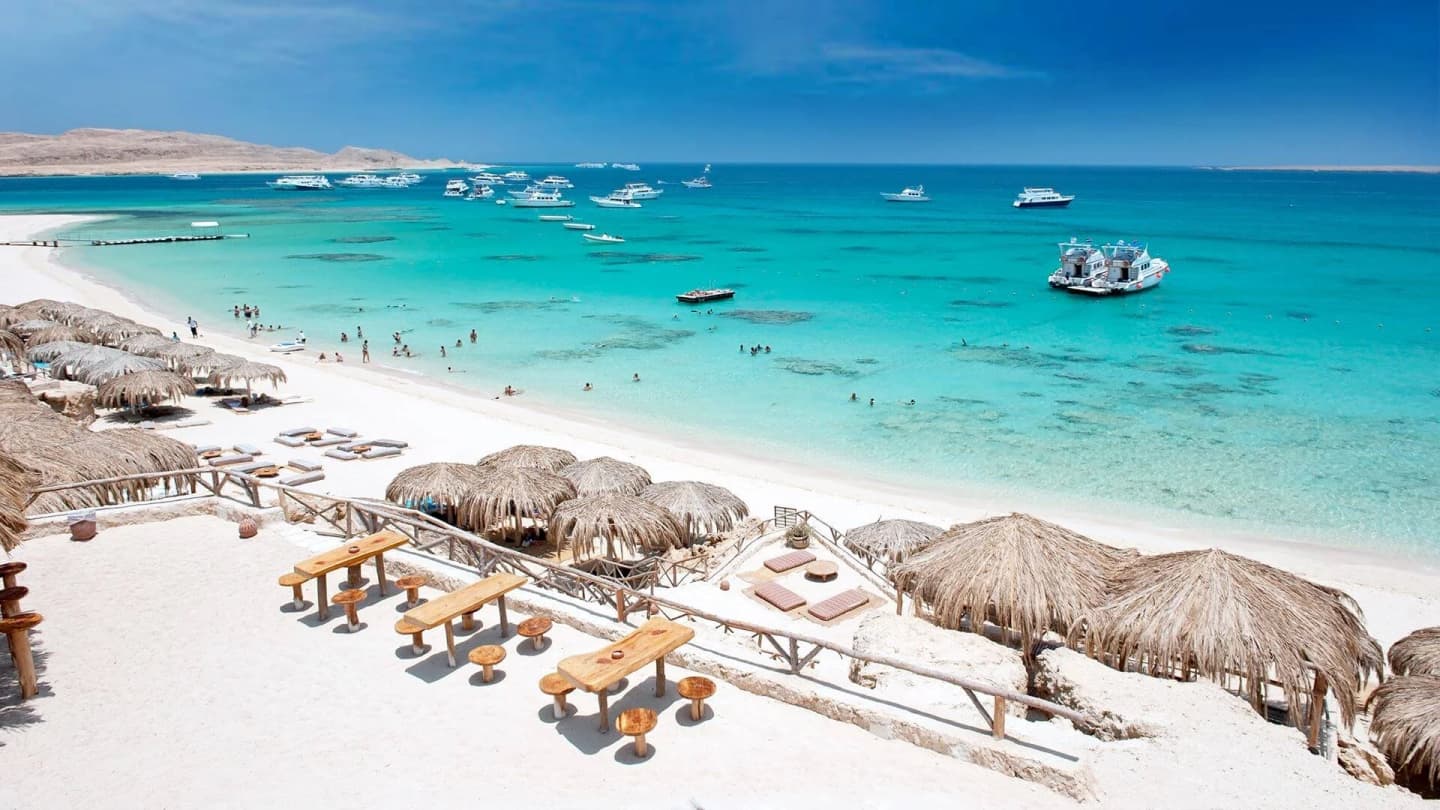
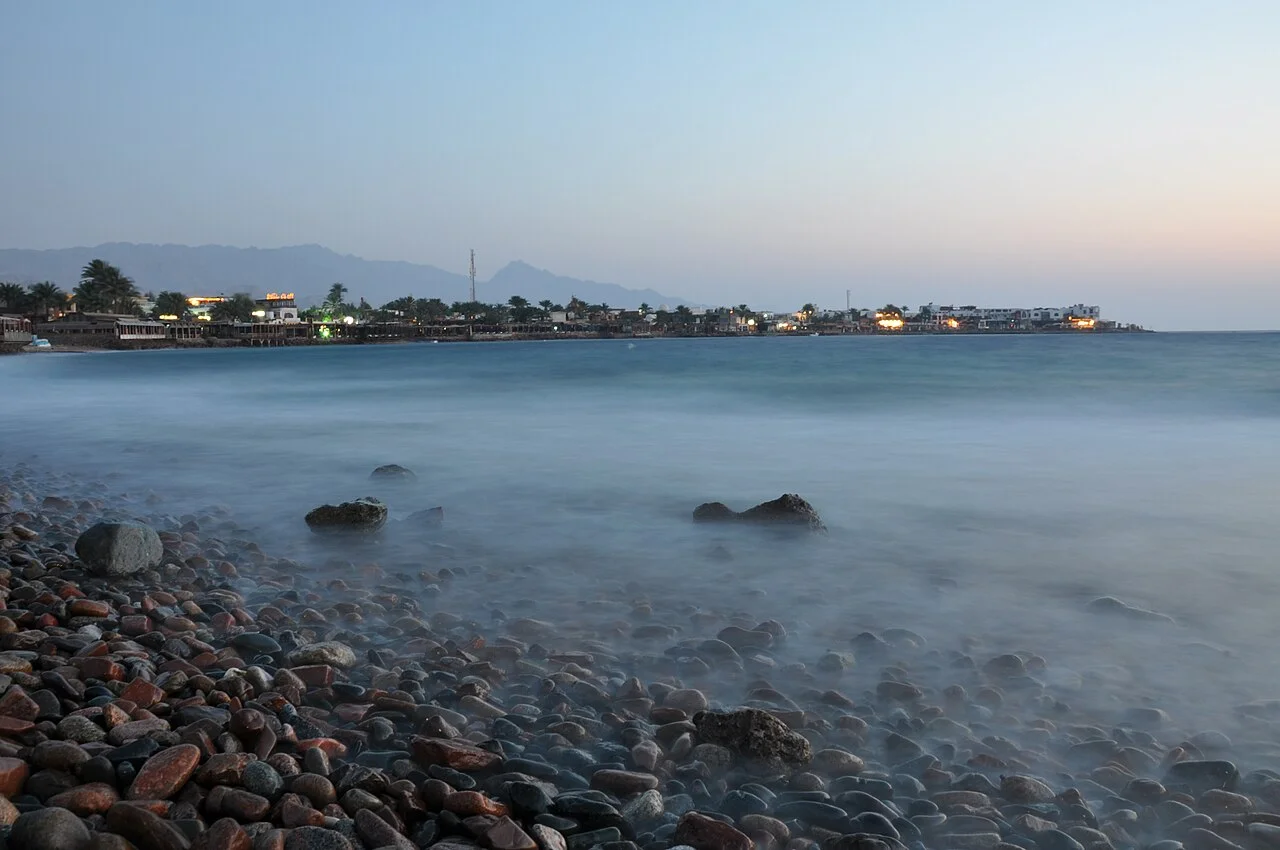
The Red Sea coast runs on micro-geographies: a city base where you can buy SIM cards and eat cheaply, a controlled resort town where chaos is low but menu prices are higher, and resort corridors where you’re effectively inside one paid ecosystem. That’s why “Hurghada is cheap” is only true if you use it like a city (local dining, short rides, competition among operators). For how the Hurghada/El Gouna corridor functions in real travel terms, Routri’s El Gouna gateway guide and El Gouna vs Soma Bay comparison help you predict what you’ll pay for comfort and calm.
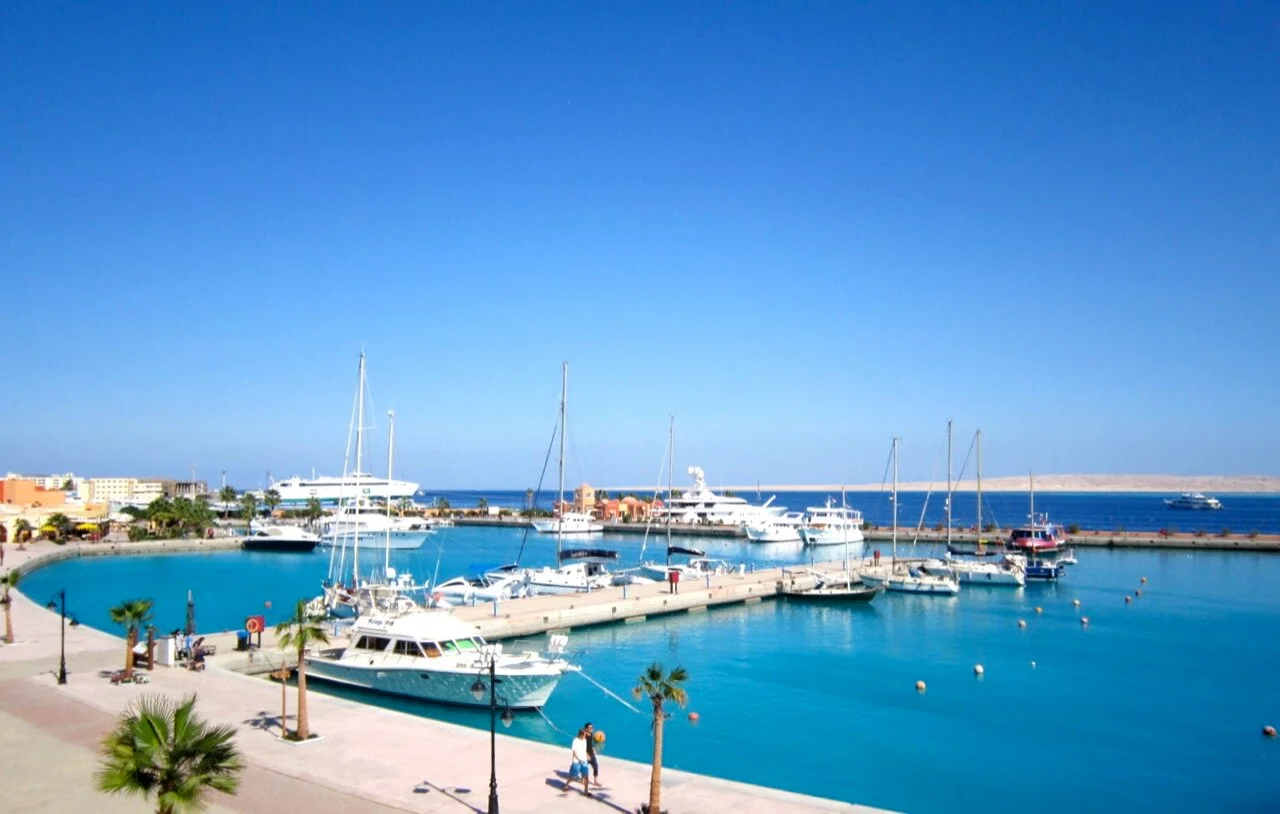
The sensory part matters because it changes spending. Early mornings tend to be calmer on the water, which means your paid activities (boat trips, diving, snorkeling) deliver more value per hour with fewer cancellations. Midday summer heat often pushes people into taxis instead of walking, extra bottled water and cold drinks, and paid shade (beach clubs or day-use). Even basic gear (reef shoes) is a cost lever: many entries are coral-rocky, so skipping reef shoes can mean paying twice—first in discomfort, then buying overpriced replacements on the spot.
Part 2: The Options (Comparison)
Your base determines daily food costs, taxi exposure, and whether you can DIY day trips without paying a transfer every time. Here’s the blunt breakdown across Hurghada (city neighborhoods like Downtown/Sheraton/Sakkala/Marina), El Gouna, Makadi Bay, and Soma Bay. If you’re deciding specifically between a city base and a resort corridor, Routri’s Makadi Bay vs Hurghada base guide is the cleanest “what you gain vs what you lose” read.
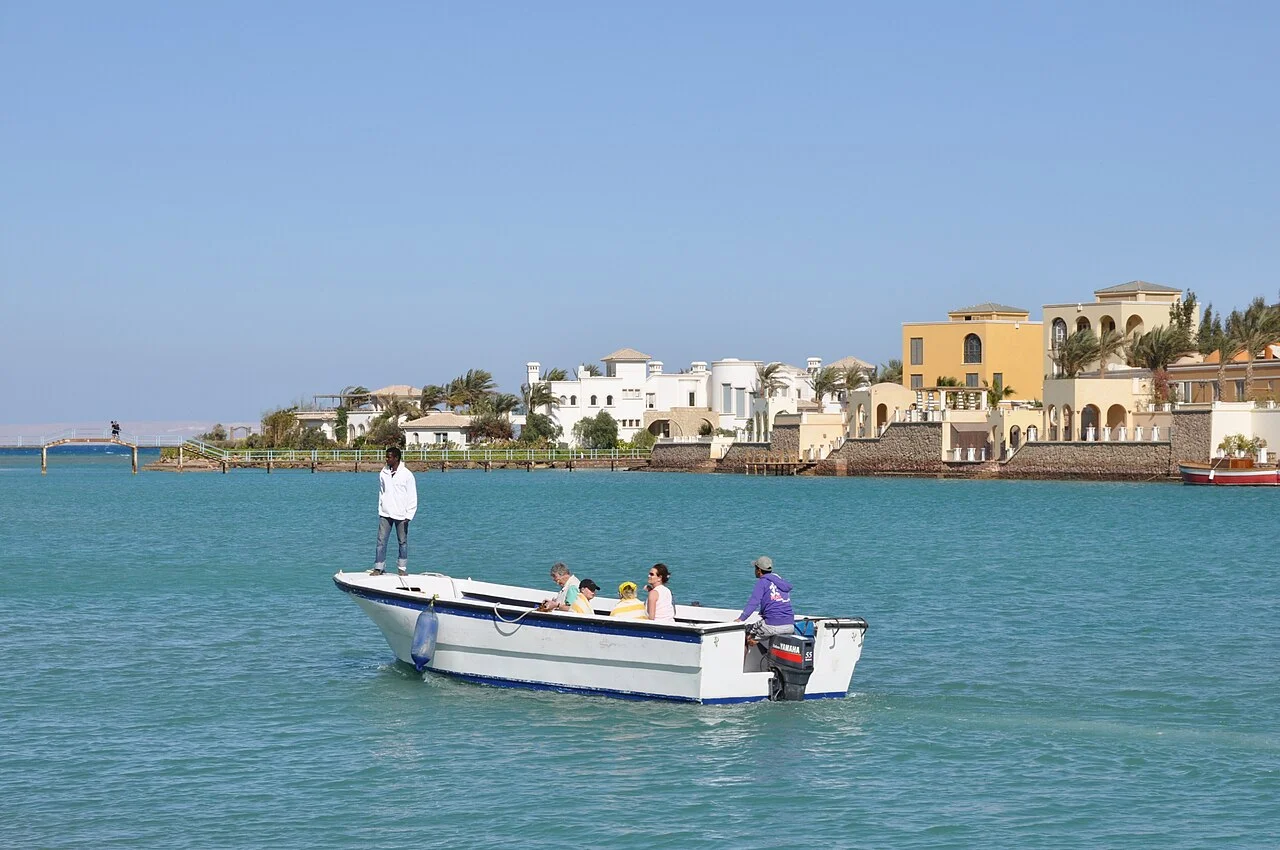
Hurghada (Downtown/Sheraton/Sakkala/Marina)
Best for: budget travelers, divers on a schedule, people who want city conveniences (pharmacies, cheap eats, SIM cards).
Vibe: loud, practical, chaotic in places—pick your neighborhood carefully if you want calm.
Pros: cheapest accommodation range; strong competition for diving/snorkeling so you can negotiate; easy access to marina nightlife and restaurants.
Cons: taxi negotiation fatigue; more street hassle in some areas (sales pressure, “my cousin has a shop” routines); some beaches are hotel-controlled and public access can be limited. For activity planning, start with Routri’s Hurghada snorkeling & diving checklist so you don’t get upsold on the dock.
El Gouna
Best for: couples, remote workers, kiteboarders who want comfort, people who hate street chaos.
Vibe: curated resort-town feel, cleaner streets, calmer interactions.
Pros: easier to relax; fewer aggressive sales interactions; great for kitesurfing and lagoon cruising; more walkable bubble zones.
Cons: generally pricier for meals/drinks/accommodation; you still pay for transport to/from HRG; less “local” feel (some love that, some don’t). If you want a hyper-specific neighborhood anchor, Routri’s Abu Tig Marina guide helps you judge whether you’ll actually walk places or default to paid rides.
Makadi Bay
Best for: families, all-inclusive travelers, “do nothing and recover” trips.
Vibe: resort corridor; you’re mostly inside the property ecosystem.
Pros: predictable costs if all-inclusive; good house reefs at some hotels for easy snorkeling.
Cons: you can feel trapped without paid transfers; independent dining and cheap local food options are limited. If reefs are your main goal, Routri’s Makadi Bay snorkeling guide is useful for planning what you can do without paying for a boat day.
Soma Bay
Best for: upscale resort comfort, divers, kitesurfers who want premium infrastructure.
Vibe: quiet, purpose-built, polished.
Pros: high-quality resorts and beaches; strong for water sports.
Cons: less budget-friendly and less DIY-friendly. If you’re comparing multiple resort zones, Routri’s Makadi vs Sahl Hasheesh vs Soma Bay (2026) guide helps you map “quiet + paid transfers” vs “city + negotiation.”
Part 3: The Logistics (How to Do It Right)
“Egypt is cheap” stops being true the second you overpay for transfers or lose a half-day to sloppy timing. The core gateway here is Hurghada International Airport (HRG) for Hurghada, El Gouna, Makadi Bay, and Soma Bay—so airport transfer strategy is a real part of your Red Sea vacation cost. For a stress-first option, Routri’s Hurghada Airport Transfer (HRG, Makadi - Soma Bay, El Gouna) page gives you a clean alternative to “argue in a parking lot after a flight.”
Arriving by air (HRG): taxi/transfer reality (2025 benchmarks used for 2026 planning)
Pricing depends on negotiation, time, and whether you pre-book. A widely cited ballpark for Hurghada Airport → El Gouna is around €20–25 (often shown as roughly EGP 400–500 in some travel sources). For getting around Hurghada generally, third-party transfer sites commonly list ranges like $6–$12 to downtown and $15–$25 to El Gouna (not official tariffs—use as a negotiation baseline, not a fixed price).
Arriving by bus (Cairo → Hurghada): why it often wins on cost
If you’re building a true Hurghada budget guide plan, intercity buses are frequently the best cost-per-kilometer option. Go Bus is the best-known operator for tourists (multiple classes, online booking). Travel time is commonly ~6 hours (route/traffic dependent). Price benchmarks from 2025/early 2026 online listings: some aggregators show fares around EGP 366 with different class options and USD equivalents (currency shifts change this fast). Routri’s Cairo to Hurghada transport guide (2026) is the practical companion piece for station and timing details.
Getting around once you’re there: taxis, transfers, and “microbus math”
Street taxis: negotiation is standard; agree the price before the door closes; “meter broken” usually means no meter was coming.
Hotel transfers: usually most expensive per kilometer, but can be cheapest per stress (late arrivals, families).
Rideshare: availability varies; don’t plan the entire trip assuming you’ll always have an app.
| Season | Typical Air Temp (°C) | Sea Temp (°C) | Typical Wind Feel (knots) | What It Means for Costs | Logistics Notes |
|---|---|---|---|---|---|
| Winter (Dec–Feb) | Mild days, cool nights (often ~15–25°C range depending on month/day) | ~22–23°C in the coolest period (Feb around ~22.2°C avg) | Breezier; can feel chilly after swimming | Potentially more spend on wetsuit rental / warmer rooms | Great for sightseeing + diving with a suit |
| Spring (Mar–Apr) | Warmer, comfortable | Low–mid 20s °C | Wind starts to build | Shoulder-season deals often best | Good compromise for value |
| Summer (May–Aug) | Hot (often high 20s to mid 30s°C in daytime) | Peaks around ~28.6°C avg in August | Windier season; many spots see 15–25 knots during windy hours (kite-friendly) | More spending on AC taxis, cold drinks, shaded beach access | Book transport carefully; heat punishes delays |
| Autumn (Sep–Nov) | Warm, easing heat | Still warm | Often windy early autumn | Good deals + great water | Popular with divers/kitesurfers |
Sea temperature references used for planning: Hurghada warmest water in August ~28.6°C and coldest around February ~22.2°C (site averages). Wind reference used for planning: some Red Sea kite stations cite average windy-hour wind speeds in the 15–25 knot band in their area—use it as a practical planning range, not a forecast.
Insider Tips & Scams to Avoid
If you’re researching Egypt travel prices 2026, the real risk isn’t “it’s expensive.” The risk is variability. Variability is where tourists get drained: one overpriced taxi, one mystery “beach fee,” one inflated boat add-on, repeated until your cheap plan becomes a mid-range spend. If you want a grounded transport baseline before you land, start with Routri’s Red Sea transport guide and then sanity-check your taxi strategy with Hurghada ride options.
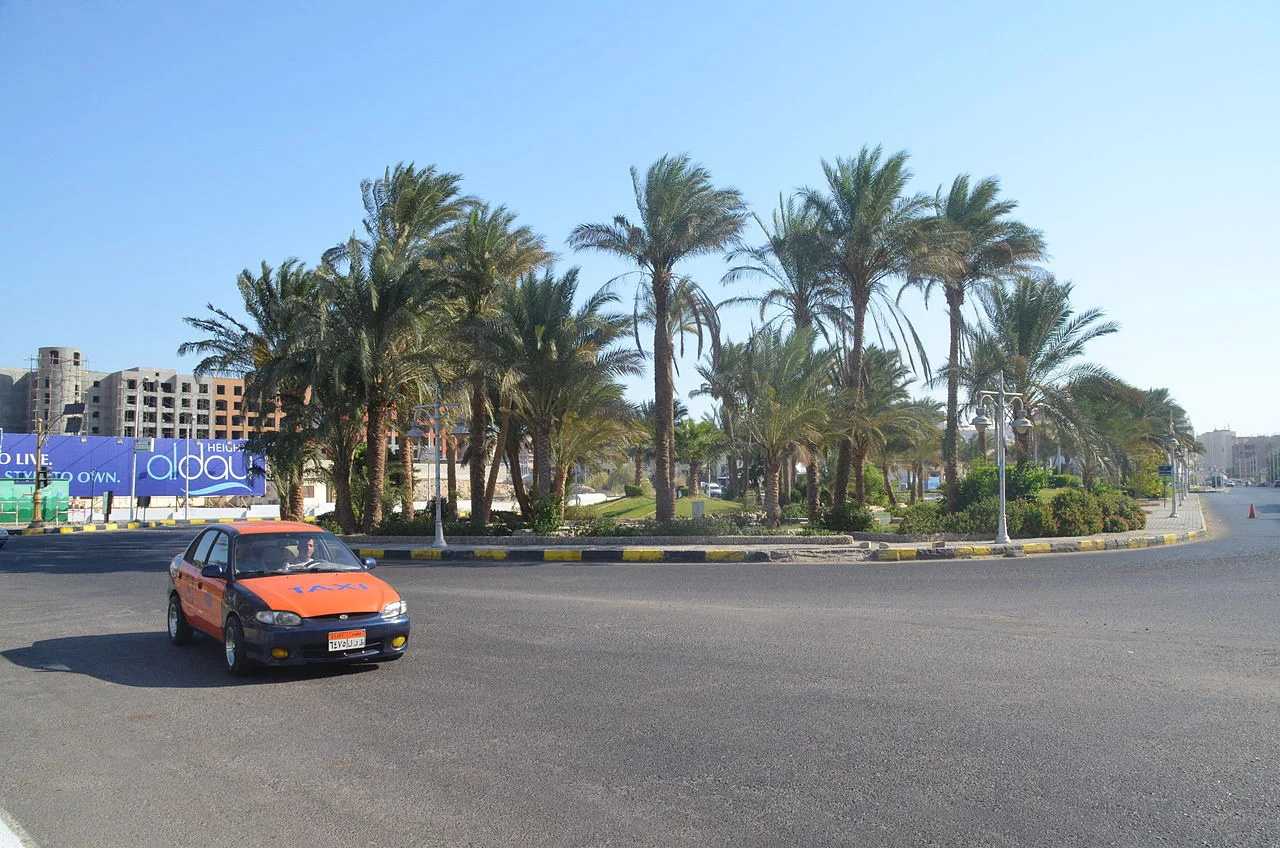
- Taxi pricing games: “airport premium” opening number; “per person” multiplication after you agree; “currency confusion” (quote in euros/dollars, collect in pounds at a made-up rate). Countermove: pick one currency, confirm it’s total for the car, repeat the final number before the car moves.
- Tour sales pressure: “today only” discounts for snorkeling islands, desert safaris, diving packages. Reality: there are many vendors. Countermove: ask for exact inclusions (transfers/lunch/park fees), start/return times, and cancellation terms if wind kicks up.
- “Free” reef access that becomes paid: a beach looks public, but entry requires passing through a hotel corridor and you get hit with “beach/towel/chair” fees. Sometimes legit, often poorly explained. Countermove: ask the price at the gate before you walk in.
- Dive shop upsells: equipment “insurance,” “marine park” fees (sometimes real, sometimes inflated), photo/video packages at premium rates. Countermove: decide on photos before you board—don’t negotiate dripping wet on a boat.
Safety & Ethics
Practical safety is mostly unglamorous: traffic is often the biggest day-to-day risk (use seatbelts when available), and water conditions change fast with wind and currents—if you’re not a strong swimmer, pick guided lagoon-style snorkeling. Ethical travel is simple and strict: don’t stand on coral, don’t chase turtles, don’t buy coral/shell souvenirs, and ask operators if they brief reef etiquette. If you’re booking snorkeling days, Routri’s Hurghada snorkeling & diving guide is the fast way to know what a reputable day should include (and what’s usually an upsell).
Booking & Logistics
The best value strategy is “reserve essentials, keep the rest flexible.” For most Red Sea itineraries, the only things you truly need to lock in are: your first 1–2 nights, an airport pickup if you’re arriving late (or you hate negotiating), and one anchor activity if your schedule is tight. Everything else can be optimized on the ground if you stay calm and compare.
Why “pay cash on arrival” can work (when used correctly)
Done right, pay cash on arrival reduces the risk of paying upfront for a service that gets downgraded, keeps leverage if a room/tour isn’t as described, and keeps you flexible if wind changes your plan. Rules that make it safer: get the agreement in writing (message confirmation is enough: date, inclusions, total price, currency), pay only after you see the room or confirm vehicle/tour details, and carry small bills (the “no change” routine is common).
How to spot a reputable operator (without pretending you’re an expert)
Clear inclusions and timings (not vague “morning pickup”), real cancellation terms (even if strict), transparent fees (marine park, equipment, transfers), and no emotional pressure tactics.
Routri trust play (newsletter + bookings)
Pricing around Hurghada/El Gouna can shift with exchange rates and seasonal demand, so “fresh on-the-ground price signals” are what keep travelers from overpaying. Routri’s newsletter angle is simple: send periodic “what’s a fair price right now” benchmarks (taxis, boat trips, diving, day-use beaches) plus scam pattern alerts—then let travelers book only what they want, when they’re ready. If you’d rather remove airport stress completely, use a fixed option like Hurghada Airport Transfer (HRG, Makadi - Soma Bay, El Gouna); for a high-confidence water day, book a structured trip like the Red Sea snorkeling day trip by boat from Hurghada or the Dolphin House snorkeling tour so inclusions (equipment, lunch, transfers) are explicit instead of negotiated last-minute.
FAQs
These answers keep the ranges wide on purpose: the Red Sea can be a low-cost DIY week or a packaged resort week with fewer variables. Use the benchmarks below as guardrails, then price your base and transport first.
What are realistic Egypt travel prices 2026 for a one-week Red Sea trip?
A realistic one-week range is wide because it depends on all-inclusive vs DIY. For a DIY mid-range week in Hurghada/El Gouna, many travelers land somewhere between a budget-but-comfortable spend and a resort-style spend (accommodation + food + 2–4 paid activities). Use bus travel and local meals to compress costs; choose El Gouna and private transfers to increase them. If you’re mapping the DIY route from Cairo, use Routri’s Cairo to Hurghada 2026 guide to avoid time-wasting station mistakes.
Is Hurghada still the best value? (I need a true Hurghada budget guide answer.)
Yes. Hurghada typically offers the widest spread from cheap to luxury, which is why it remains the best base for budget control. You can buy your way out of inconvenience (private transfers, marina restaurants), or keep costs low with bus travel and local dining. The trade-off is a higher “hassle tax” from negotiation and sales pressure—especially taxis. If you want a reality check on transport choices, read Uber vs Careem vs street taxis in Hurghada.
How much is a taxi from Hurghada Airport to El Gouna in 2025/2026 planning terms?
A common planning benchmark shown by travel transfer sources is around €20–25 for a taxi transfer from Hurghada Airport to El Gouna, though real-world outcomes depend on negotiation and booking method. Use it as a sanity check: if you’re quoted far above it, negotiate or pre-book a fixed ride like Routri’s HRG transfer option.
What’s the cheapest way to get from Cairo to Hurghada for a Red Sea vacation cost plan?
The bus is usually the cheapest mainstream option. Cairo → Hurghada commonly takes around ~6 hours, and some fare listings start around $8 on comparison sites (varies by class and time). Go Bus is a common tourist default; confirm your departure station because Cairo traffic can erase the savings if you miss the bus. Routri’s Cairo to Red Sea transport overview breaks down the options.
When is the best weather-to-price ratio on the Red Sea?
Often spring (March–April) and autumn (September–November): warm water, good visibility, and less “heat spending” than peak summer. For water temperature context, Hurghada sea temperatures run from roughly ~22°C in the coolest period (February averages around ~22.2°C) to about ~28.6°C in August on average.
How windy is it really—will wind change my Red Sea vacation cost?
Wind can change costs because it affects boat comfort and sometimes schedules. For planning, many wind-focused operators cite average windy-hour winds in the 15–25 knot band in windy-season zones (kite-friendly). More wind can mean switching to lagoons, reshuffling excursion days, or paying for calmer itineraries and transfers to more sheltered spots.
Is “pay cash on arrival” safe for booking tours and transfers?
It can be safe and consumer-friendly if you confirm inclusions in writing, pay only after you see the service, and carry exact/small change. Avoid paying the full amount upfront for informal street-sold tours with unclear terms. If you want clarity on inclusions, choose structured listings like the Hurghada full-day snorkeling boat trip, where equipment/lunch/transfer terms are spelled out.
Are there hidden costs that catch people off guard in Egypt travel prices 2026?
Yes: airport transfer markups, “beach access” fees, equipment rentals, and photo/video add-ons on boats. The biggest hidden cost is repeated small overpayments—one overpriced taxi here, one overpriced snorkeling add-on there—until your “cheap” week becomes a mid-range budget.
The Red Sea rewards travelers who plan like adults: lock in what removes risk (late-night transfers, one anchor activity), and keep everything else flexible so you can follow calm mornings, dodge windier hours, and refuse bad pricing without panicking. Your best cost control tool in 2026 is not a single hack—it’s a consistent baseline for what’s fair, and the patience to walk away when a number is trying to test you.
Further Reading on Routri:
- Cairo to Hurghada (2026): flights, buses, transfers
- Red Sea transport guide: buses, shuttles, transfers
- Uber vs Careem vs taxis in Hurghada (2026 price test)
- Hurghada snorkeling & diving: what to expect + checklist
- Makadi Bay vs Hurghada: choosing your Red Sea base
- Makadi vs Sahl Hasheesh vs Soma Bay (2026)