diving experiences with History: The Thistlegorm Wreck Time Capsule
Quick Summary: The SS Thistlegorm is a submerged WWII time capsule: trucks, motorcycles, munitions—and moral questions. Expect strong currents, 18–30 m depths, early starts, and strict safety. Here’s how to dive it well, and respectfully.
The first glimpse of the SS Thistlegorm wreck is a visceral jolt: steel ribs arch from the sand, soft corals blur edges, and cargo holds glow like museum halls with the lights off. You’re not just sightseeing; you’re stepping into 1941. The dive is thrilling—and also solemn, a living war memorial where restraint matters.
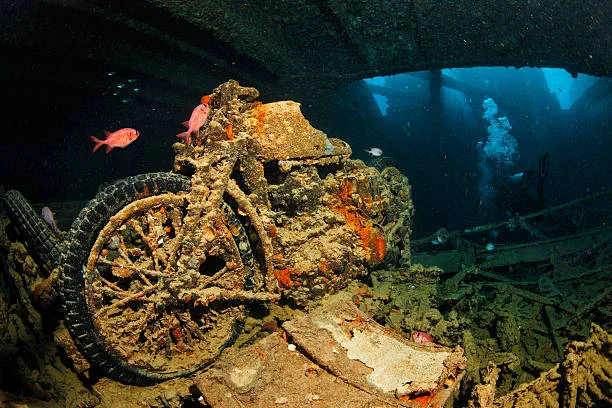
The Thistlegorm doesn’t merely fascinate; it confronts. Trucks, motorcycles, boots, even locomotive tenders still rest where they were stowed, now patrolled by glassfish and lionfish. With the deck around 18 meters and the seabed about 30 meters, you move through history at eye level, experiencing WWII logistics turned habitat. Few dives blend adrenaline, archaeology, and ethics this intensely.
Most trips depart pre-dawn from Sharm El Sheikh or from Hurghada, running roughly 3–4 hours each way by boat in fair seas. Day boats typically moor for two dives on the wreck, while select itineraries add a third reef stop nearby. For unrushed profiles and fewer crowds, some operators schedule overnight trips when conditions and permits allow.
Best Time / Conditions
Visibility commonly ranges 20–40 meters, with calmer seas often in late spring and autumn. Expect moderate to brisk currents; early starts help beat wind. Water sits near 22–24°C in winter and 28–30°C in summer, so plan exposure accordingly. Calm spells can occur year-round, but September–November frequently brings stable weather and photogenic light.
What to Expect
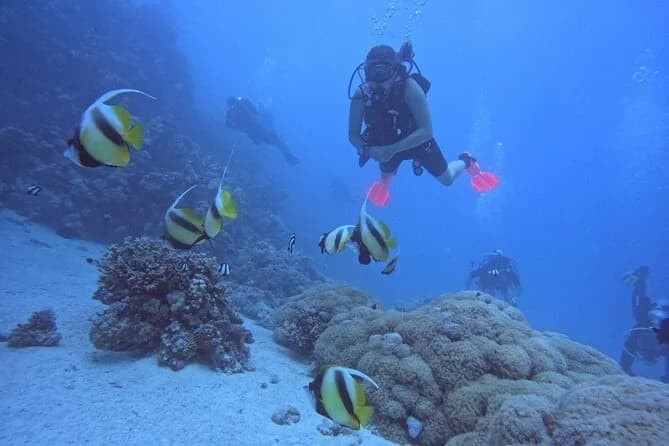
Two dives are typical: an orientation circuit along the hull and deck, then a guided foray near or within cargo holds. You’ll see rusting trucks, motorcycles, and scattered munitions now softened by sponge and coral. Many day boats pair a reef dive at Ras Mohammed National Park, adding bright walls and schooling fish to the day’s somber steel and silt.
Who This Is For
Best for confident Advanced Open Water divers with solid buoyancy and some current experience; wreck or nitrox certification is ideal. Newer divers can still enjoy the exterior with a patient guide, staying shallow and upcurrent. Non-divers should sit this one out; choose nearby snorkeling tours reefs instead, or save Thistlegorm for when your skills and comfort align.
Booking & Logistics
Look for operators that check certifications, brief ethical protocols, and manage moorings responsibly. Pre-dawn check-ins, a 3–4 hour crossing, and two guided dives are standard. Nitrox extends no-deco margins at 18–30 meters; bring a primary light and SMB. If time allows, consider a liveaboard—our guide to the best Red Sea liveaboard routes helps you choose a boat that prioritizes safety and site protection.
Treat the wreck as a war grave and museum. Don’t touch, move, or stage artifacts. Maintain perfect trim; one stray fin can silt out holds and smother life. Penetration should be small-group, line-laid, and guide-led only. Skip metal souvenirs—removal is illegal and unethical. Share moorings courteously, keep flash minimal on marine life, and let the wreck’s story speak.
This is a technical-feeling dive without being a technical dive. Depth, current, and overhead risks demand composure and discipline. Arrive rested, hydrated, and briefed. If your experience is recent but limited, commit to the exterior, watch your gas and no-deco closely, and let a seasoned guide handle route-finding while you focus on buoyancy and awareness.
Advanced Open Water or equivalent is strongly recommended, with recent dives to 30 meters and comfort in current. Wreck or nitrox training enhances safety and bottom time. Many operators require certification checks; if you’re not quite there, build experience on local reefs first or take a wreck specialty before attempting any interior swim-throughs.
Limited penetration is usually permitted with a professional guide, small groups, clear silt management, and continuous light. No-touch rules apply—artifacts stay put. Maintain line of sight, avoid silt pockets, and back out at the first sign of a silt-out or entanglement hazard. When in doubt, enjoy the exterior; it’s rich, photogenic, and historically powerful.
Yes. Typical day boats do two dives on the wreck and, conditions permitting, add a colorful third stop at nearby reefs—often Ras Mohammed. Overnight trips sometimes allow a sunset or early-morning third Thistlegorm dive for quieter conditions. Final plans depend on weather, permits, and safe no-decompression limits set by your dive leader.
Long after surfacing, the images linger: handlebars in the dark, a tire rim haloed by glassfish, the hush of open water on steel. If this stirs your curiosity, browse our roundup of iconic Red Sea destinations dives and start plotting the journey that balances discovery with care.