
Hurghada’s Best Dive Centers for Every Level: Safe, Small‑Group Red Sea Adventures
Quick Summary: This guide matches first‑time, progressing, and advanced divers with Hurghada dive operations that prioritize safety, small groups, and expert leadership—plus practical timing, routes, and sustainability tips to help you build skills and chase reefs and wrecks without the crowds.
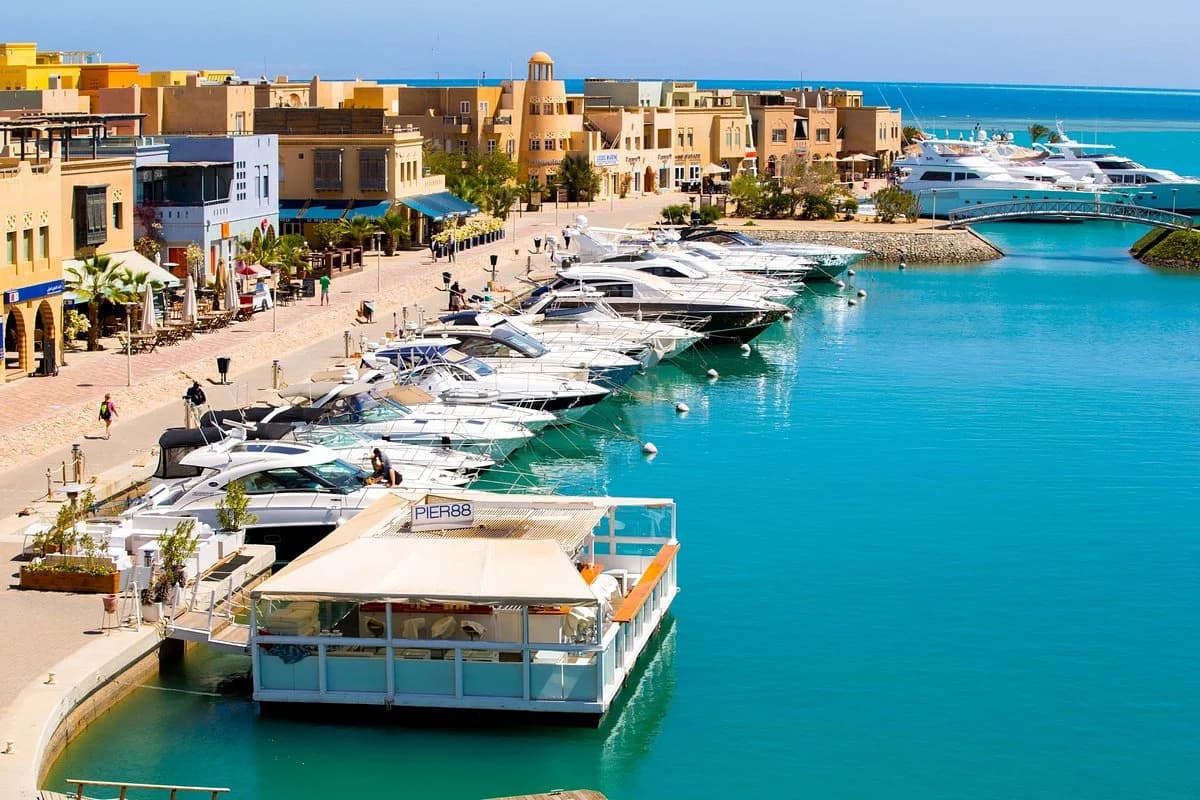
Morning light hits Hurghada’s marinas as crews load tanks, fruit, and fresh bread; gulls wheel while dive leaders brief buddy teams by name. Ten minutes later, the mainland fades and you’re skimming over electric‑blue shallows toward reefs that suit your level—gentle coral gardens for first bubbles, current‑kissed pinnacles for progression, and storied wrecks for confident explorers.
What Makes This Experience Unique
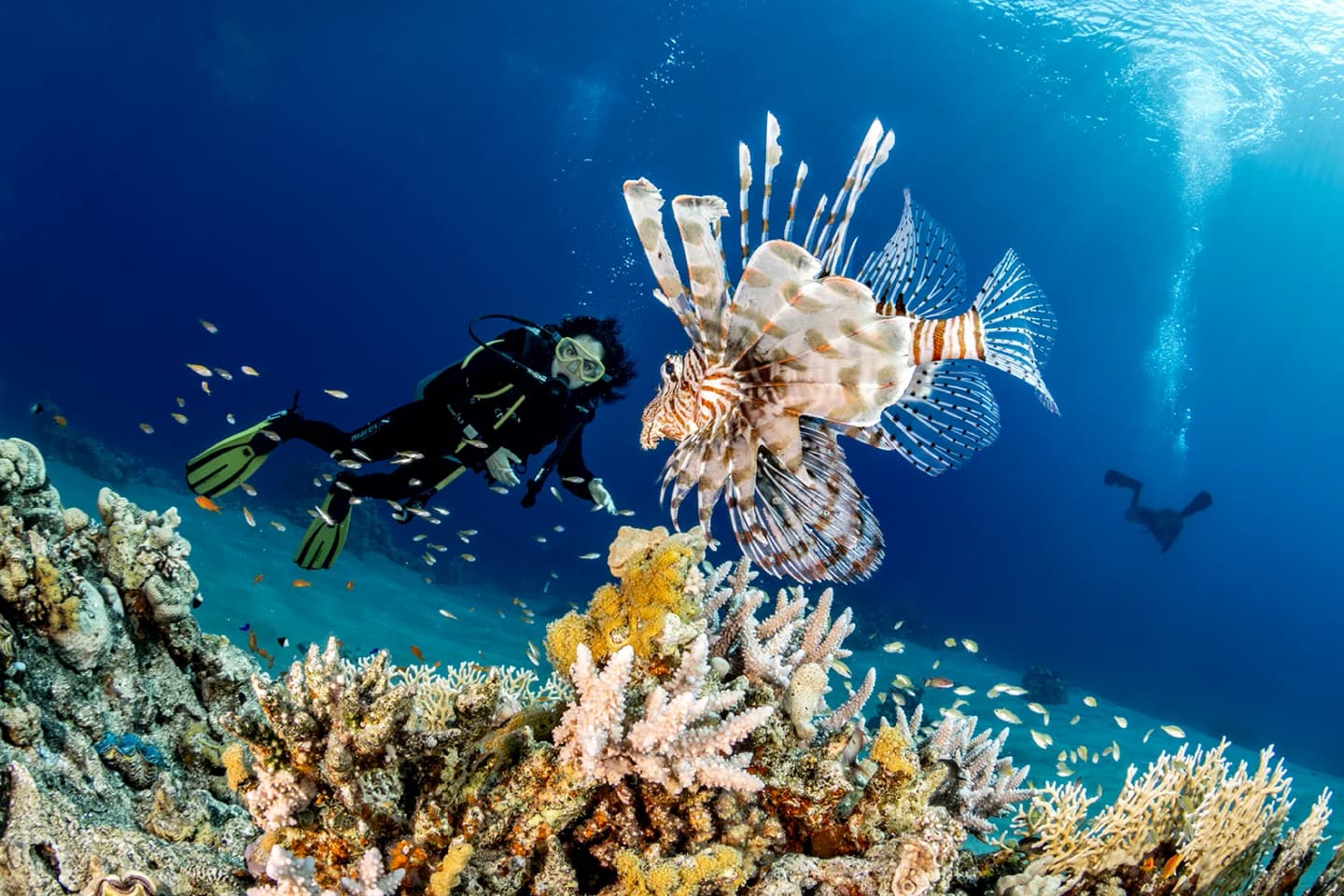
Hurghada compresses the Red Sea’s greatest hits into day‑boat range: beginner‑friendly coral gardens, drift and pinnacle training grounds, and bucket‑list wrecks. The best centers keep ratios tight—often six divers per guide or fewer—manage currents conservatively, and layer skills day by day. That means steady progress and big smiles, not adrenaline chaos, whatever your experience.
Where to Do It
Best Time / Conditions
Year‑round diving works here. Expect water temperatures of roughly 24–26°C in winter and 27–29°C in summer; visibility usually runs 20–40 meters. Winter brings calmer surface conditions and fewer boats; late spring and autumn are sweet spots for warm water without peak‑season crowds. Wreck days require settled forecasts—your operator will confirm go/no‑go with safety first.
What to Expect
Beginners start on 5–12 meter coral shelves with no‑current entries, then build buoyancy on easy drifts. Intermediates tackle pinnacles and mild currents, practicing navigation and DSMB work. Advanced teams aim for Abu Nuhas (roughly 90–120 minutes), Carless Reef’s 12–25 meter plateaus, or the SS Thistlegorm (about 2.5–3.5 hours) when conditions line up—always with thorough briefings.
Who This Is For
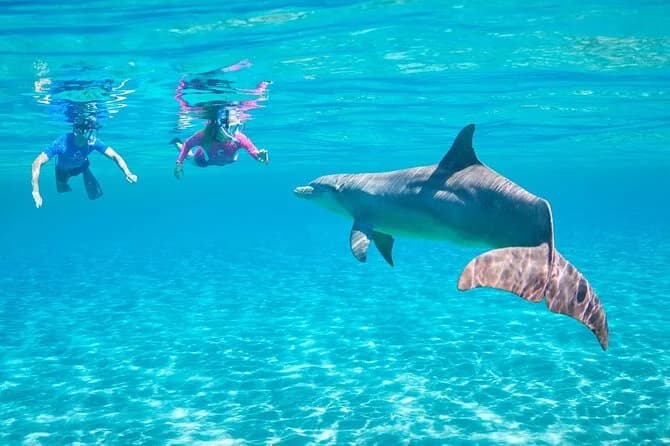
Total newcomers, rusty returners, and avid wreck hounds all find a fit. Try‑dives and Open Water courses run on protected reefs; photographers love the anthias clouds on sun‑lit gardens; advanced divers chase holds and locomotives on the Thistlegorm. Non‑divers can join boat days to snorkel—see our Hurghada snorkeling guide for easy add‑ons.
Booking & Logistics
Plan two to three dive days minimum: a refresher/check dive, a progression day, then a “goal” day (pinnacle or wreck). Most centers include hotel pickup, two dives, lunch, weights, and tanks; rentals and nitrox are add‑ons. Typical sail times: 45–60 minutes to Giftun, 90–120 to Abu Nuhas, 2.5–3.5 hours to Thistlegorm. Confirm small‑group ratios before you book.
Sustainable Practices
FAQs
Dive centers here vary—from hotel‑based schools to independent boats with tech support—so match your goals to their strengths. Ask about group size, house safety protocols, and daily site selection based on conditions, not convenience. Good teams run progressive training, clear briefings, and confident skipper‑guide communication between sites.
How do I choose a safe Hurghada dive center?
Prioritize small groups, mooring‑only policies, oxygen and first‑aid visibility, boat‑to‑guide radios, and a formal pre‑dive check and lost‑buddy plan. Ask for max ratios, average group experience on your day, and whether dives can be “progressed down” if currents rise. Reputable teams will gladly share credentials and sample briefings before you commit.
Can beginners join a wreck day like the Thistlegorm?
It’s best after you’re truly comfortable—think neutral buoyancy, controlled descents, and situational awareness in 16–30 meters. Many centers require Advanced Open Water or equivalent experience for overhead portions. A smart path: two days on calm reefs, then an Abu Nuhas taster wreck within recreational depth and clear lines, before tackling the big one.
What if my group includes divers and snorkelers?
Hurghada shines when you let pros steer the plan: start gentle, build skills, then stretch—reef, pinnacle, wreck—without ever feeling rushed. If you’re torn between two island beaches, this Orange Bay vs Paradise Island guide helps. Craving quieter lagoons on a longer itinerary? Our Marsa Alam travel guide maps a serene, south‑coast contrast.