Chasing Rarity in the Red Sea: Endemics, Pelagics, and the Art of Timing
Quick Summary: Beyond postcard reefs, Egypt’s Red Sea rewards skilled, well‑timed, expert‑led dives with endemic flashes—masked butterflyfish, Red Sea clownfish—and pelagic drama from hammerheads to oceanic whitetips. Here’s when, where, and how to meet them without leaving a trace.
Dawn on a Red Sea plateau, current pressing the reef like a heartbeat. Anthias lift and settle; a dark line appears in the blue and resolves into hammerheads. This is the Red Sea that locals whisper about—resilient, surprisingly wild, and best revealed by patience, timing, and guides who read water like a map.
What Makes This Experience Unique
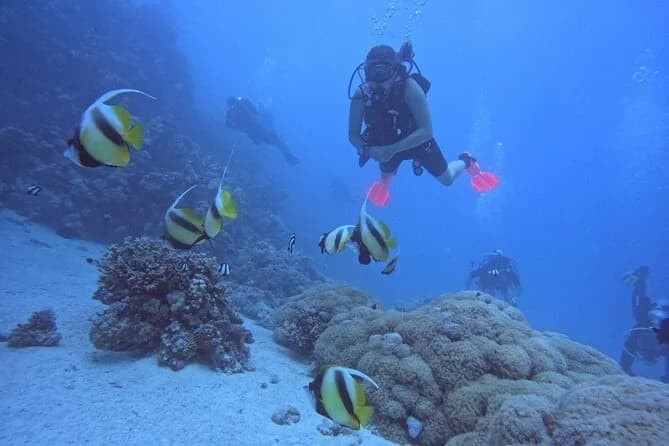
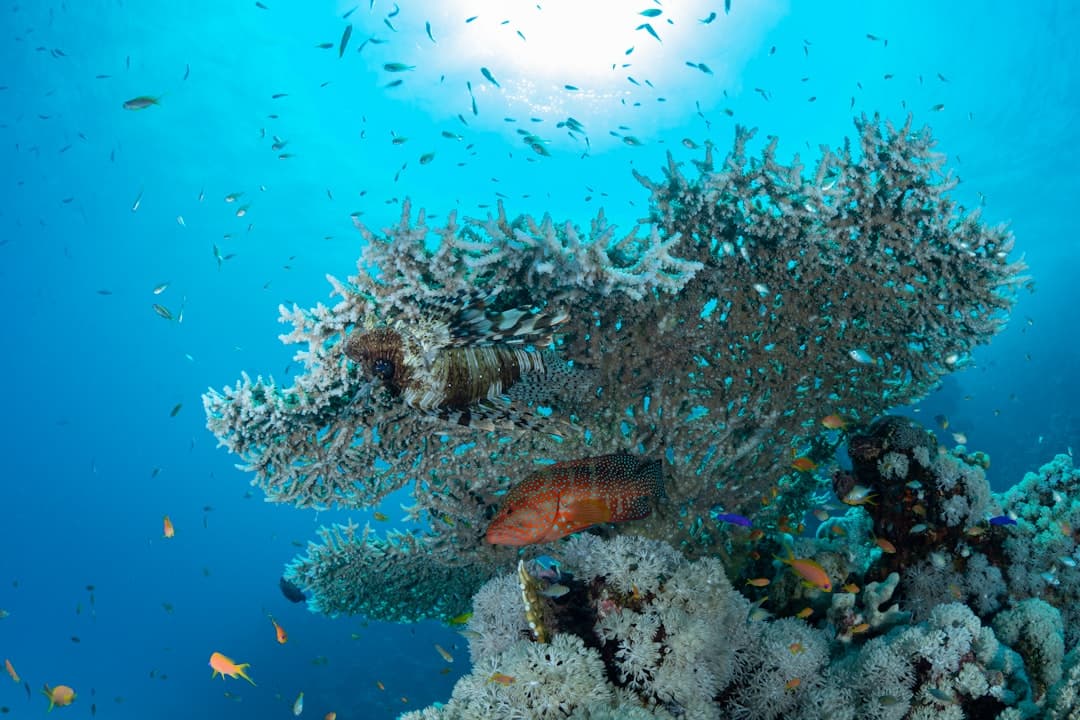
The Red Sea blends endemic color with oceanic muscle. Masked butterflyfish pair across gold plateaus; Red Sea clownfish fuss over anemones; then a longimanus cruises from the void. High salinity, heat tolerance, and isolation forge hardy reefs, while offshore seamounts funnel pelagics close—creating rare overlaps between nursery reef life and blue-water predators.
Where to Do It
For pelagics, offshore walls between Marsa Alam and Hurghada shine—Elphinstone, Brothers, and Daedalus. Sinai still dazzles: Ras Mohammed’s drop-offs and Thistlegorm nights from Sharm, plus the Blue Hole’s stark verticals via Dahab. Short on time? Consider a White Island & Ras Mohammed boat day for classic reef life and seasonal turtle action.
Best Time / Conditions
For hammerheads, target early summer (May–July) around Daedalus’s north plateau; oceanic whitetips peak October–December at Elphinstone. Water hovers 24–26°C spring, 28–30°C late summer. Visibility often reaches 20–35 m. Rays roam with plankton blooms—see our map of giant manta spots in the Red Sea for seasonal cues and site nuances.
What to Expect
Expect blue-water entries, negative descents, and current splitting around pinnacles. Plateaus sit ~18–30 m, so gas and deco discipline matter. Daedalus’s schooling scalloped hammerheads may glide between 20–35 m; Elphinstone’s longimanus appears shallow on safety stops. Inshore seagrass bays can shelter dugongs; night dives reveal the Red Sea walkman and hunting Spanish dancers.
Who This Is For
Confident advanced divers comfortable with current, blue-water ascents, and situational awareness. Photographers seeking behavior over posed portraits; naturalists excited by endemics as much as apex encounters. Newer divers can train up on sheltered reefs, then graduate offshore under strict guide ratios and conditions—building toward liveaboard itineraries when timing and skills align.
Booking & Logistics
Liveaboards unlock the BDE triangle; crossings can run 6–8 hours overnight in stable weather. Day boats reach Elphinstone by RIB when seas allow. Tune skills with a warm‑up El Gouna two‑dive day before stepping offshore. Pack DSMB, reef hooks only where permitted, and mid‑range wetsuits (5 mm shoulder seasons; 3 mm in high summer).
Sustainable Practices
Adopt a no‑touch, no‑chase code. Keep three meters from sharks; avoid flash on night macro; kneel only on sand. Use reef‑safe sunscreen and reusable bottles. Choose operators with fixed moorings, briefings on shark etiquette, and citizen‑science logs. Small behaviors protect a globally significant nursery as climate‑tolerant Red Sea corals shoulder more pressure.
FAQs
Rare doesn’t mean impossible: in the Red Sea, scarcity meets predictability if you plan for currents, light, and seasons. These expert‑led encounters prioritize safety, animal agency, and reef health. Below, practical answers distill how to improve your odds—and know when to abort—so memories last and the seascape remains resilient.
Which rare or endemic species are realistic to spot?
Endemics include masked butterflyfish pairs, Red Sea clownfish, and golden anthias clouds. Rarities by timing: scalloped hammerheads at Daedalus, oceanic whitetips at Elphinstone, and occasional giant mantas on southward drifts. Macro lovers should scan for Red Sea walkman and ornate ghost pipefish in calm bays, especially at dusk or on moonlit nights.
How challenging are these dives—do I need a liveaboard?
Offshore seamounts demand comfort with current, downwellings, and blue‑water ascents. Liveaboards maximize windows at Brothers–Daedalus–Elphinstone, letting you hit early slack tides. Strong day boats still work for Elphinstone and Ras Mohammed when seas settle. Minimum AOW, nitrox preferred, DSMB proficiency, and recent dives in current are strongly recommended.
Any tips for ethical shark and manta photography?
Work angles, not distance: stay still, let animals set the pass. Keep strobes low and avoid front‑on flashing; for mantas, shoot natural‑light silhouettes at 1/125–1/250. Maintain three meters spacing, never block a shark’s path or manta cleaning loop, and retreat if behavior tightens—arched backs, dropped pectorals, or sudden zig‑zags.
There’s a secret Red Sea for travelers who read tide tables like poetry and let guides call the shots. Arrive tuned, stay humble, and you’ll leave with encounters that feel earned, not chased. To deepen planning, track new dive sites and reef projects shaping sustainable access across Egypt’s coast.