Protect the Red Sea’s Reefs: Turn Your Trip into a Conservation Mission
Quick Summary: The Red Sea’s coral reefs are hardy yet vulnerable. Choose eco-certified operators, master low-impact snorkeling/diving, and join citizen science or restoration days. From Ras Mohammed’s drop-offs to Marsa Alam’s turtle bays, your holiday can actively fund, protect, and monitor living reefs—without sacrificing the magic.
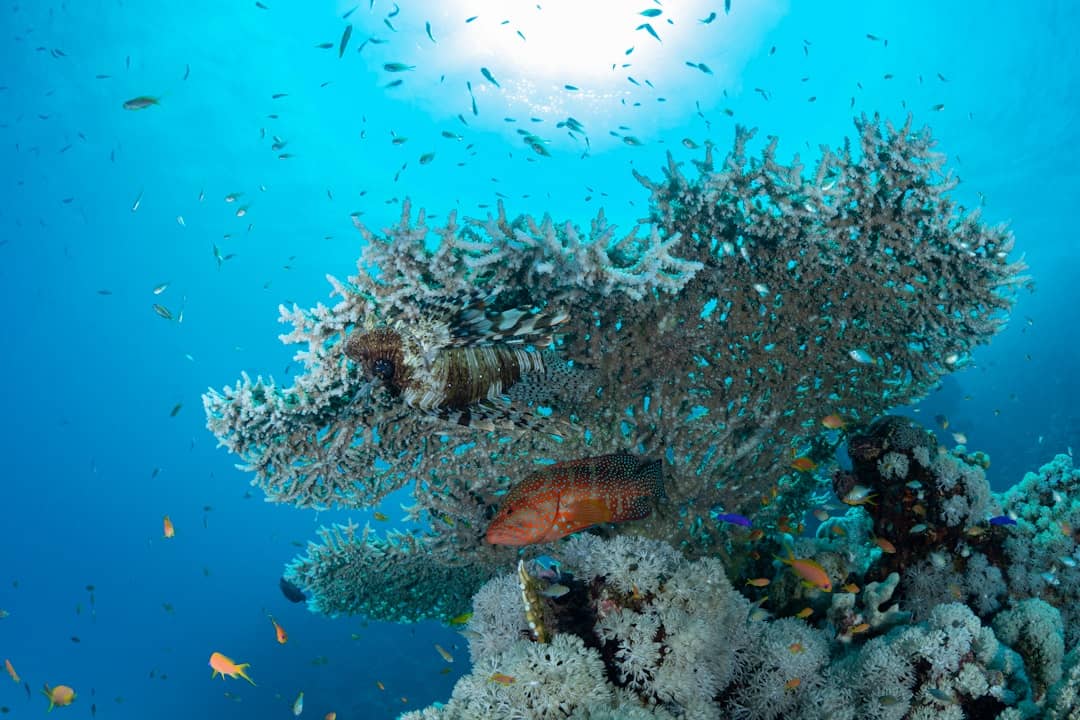
Morning light pours over the Sinai cliffs as your boat noses toward a cobalt line—the outer reef. You slip into 27°C water and find hard corals glowing like stained glass, anthias flickering in orange swarms. It’s dazzling, but also a privilege: with a few choices, your day out can actively keep this reef alive.
What Makes This Experience Unique
The Red Sea hosts one of the planet’s most heat-tolerant coral systems, with shallow gardens from 1–5 meters and dramatic walls plunging well beyond 30 meters. You can meet resilient corals and still reduce impact: mooring buoys over anchors, “no touch, no chase,” and citizen science that turns your sightings into data protecting these reefs for the long term.
Where to Do It
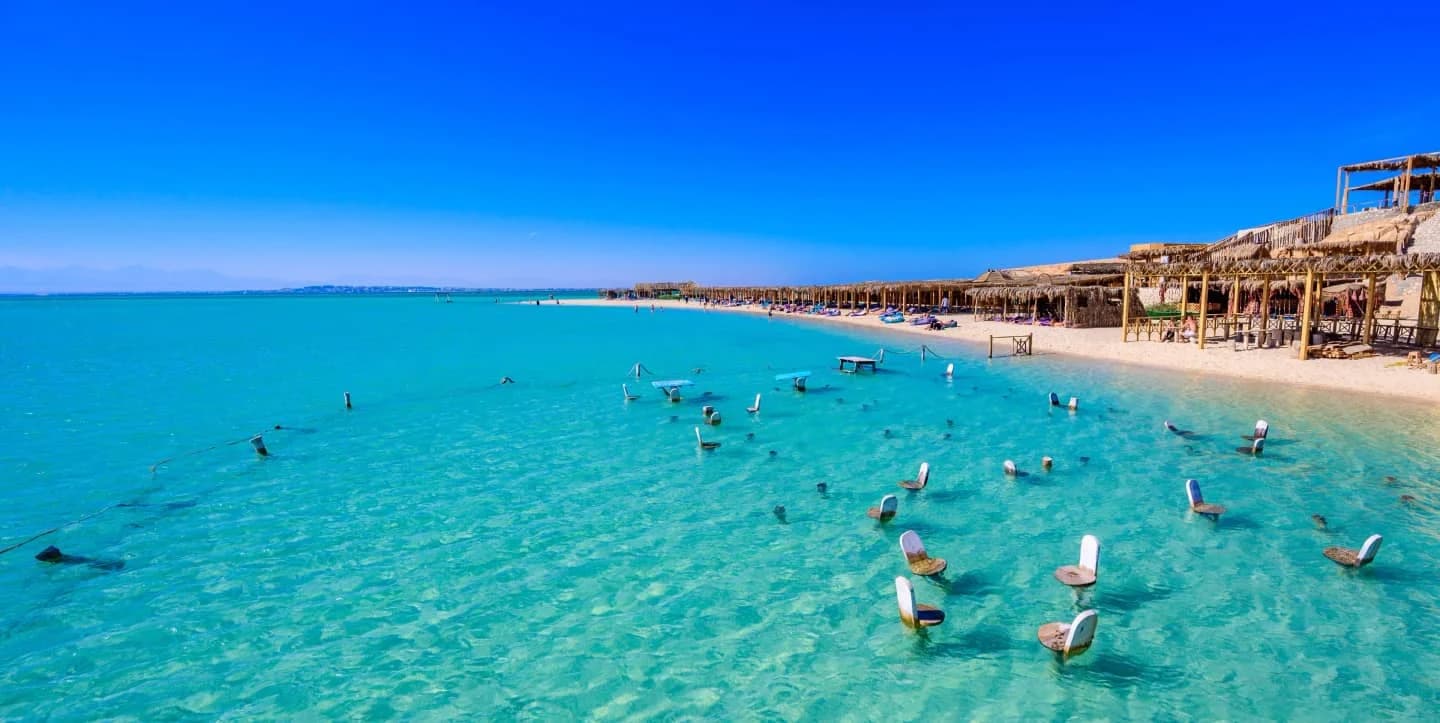
Base yourself near the Sinai’s protected headlands and you’ll access Ras Mohammed’s big-blue drop-offs within roughly 45–60 minutes by boat. For sea grass meadows and turtles, Marsa Alam’s calm bays are ideal, with shore-access reefs and gentle entries. Sharm El Sheikh is a classic diver hub, while Marsa Alam offers a slower, nature-forward pace.
Best Time / Conditions
Conditions are good year-round. Expect water around 22–24°C in winter, rising to 27–29°C in summer; a 3–5 mm wetsuit suits most seasons. Mornings bring calmer seas and brighter visibility. Shoulder months add fewer boats and gentler sun. Snorkelers favor sites with shallow shelves and protected coves when wind picks up.
What to Expect
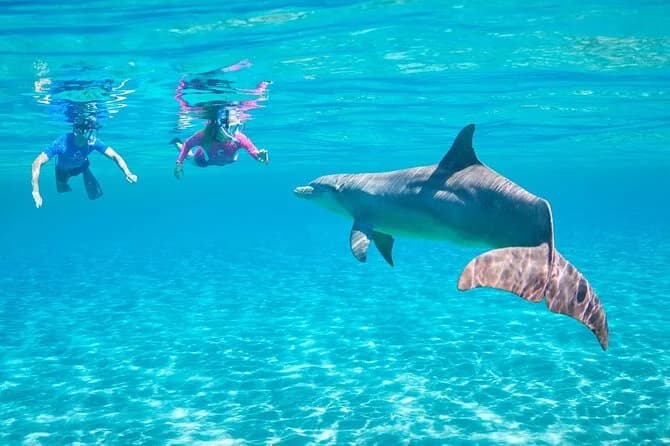
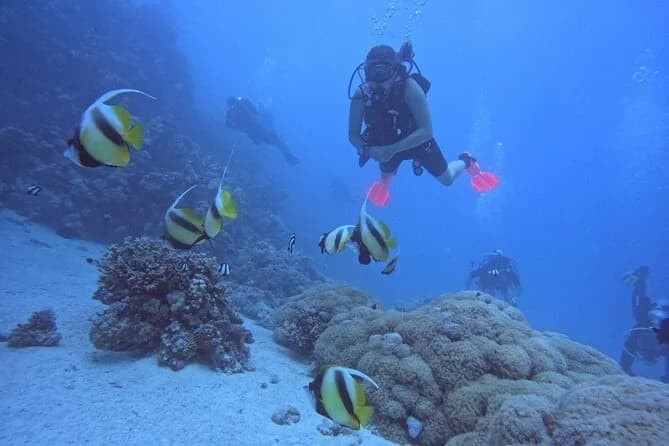
Divers can target 12–30 meter profiles along walls, caves, and pinnacles; snorkelers hover over coral gardens just meters from the surface. Expect thorough briefings on buoyancy and fin control, plus strict no-touch policies. Many boats provide reef-safe alternatives like rash guards to reduce sunscreen use. Citizen science logs and ID sheets are often available onboard.
Who This Is For
Perfect for curious travelers who want vivid marine life and a purpose. Families can learn “snorkel zen” together; new divers build buoyancy skills; photographers capture color without flash or contact. Conservation-minded travelers appreciate boats using moorings, small groups, and guides trained in monitoring methods—so every swim supports protection.
Booking & Logistics
In the south, Marsa Alam’s lodge-and-bay setup simplifies shore snorkeling and turtle encountersSustainable Practices
Float, don’t fight: cross arms, slow kicks, and keep fins high over coral. Master neutral buoyancy before snapping photos. Wear UPF shirts and use mineral sunscreen sparingly. Favor Green Fins–aligned boats and those using HEPCA moorings. Log sightings for reef monitoring, join a beach cleanup, and never feed fish or collect “souvenirs.”
FAQs
Below are the practical questions travelers ask when turning a reef day into a conservation mission. Each answer keeps your experience easy and inspiring while reducing footprint—so you leave more color, fish, and living structure behind than you found. Small actions scale when thousands of visitors do them consistently.