Red Sea Coral Reef Report 2026: Health, Hotspots, and How to Help
Quick Summary: A field-tested, traveler-focused reef-health snapshot for 2026, blending park updates, operator logs, and in-water observations to help you choose resilient sites, ideal seasons, and low-impact practices across Egypt’s Red Sea.
At sunrise, the Gulf turns glassy; by mid-morning, diving experiences skippers read wind and current before dropping lines on patch reefs or steep headlands. This annual report distills what matters to travelers: where reefs are thriving, how heat and tourism pressures are being managed, and the simple habits that keep coral gardens vibrant for your next visit—and the next generation’s.
What Makes This Experience Unique
Egypt’s Red Sea hosts unusually heat-tolerant corals, and 2026 field notes point to resilient communities in protected zones, even after a warm summer. Rather than broad generalizations, this report pairs on-the-water observations with operator safety logs and park guidance, keeping recommendations practical for snorkeling toursers and diving experiencesrs planning real trips, not just reading lab results.
Where to Do It
Iconic headlands and sheltered bays continue to shine. Around Sharm El Sheikh’s capes and national park walls, current-fed soft corals and schooling fish remain a highlight—start with our Sharm El Sheikh travel guide. For easy access and mixed-level boats, consider a Tiran Island snorkeling and diving tour. North of Giftun’s patch reefs, our Hurghada travel guide helps families and first-timers. Farther south, pristine islets await on the Hamata & Qulaan Islands day trip.
Late spring and autumn typically balance calm seas with mild heat stress. Summer visibility can exceed 25–30 meters in sheltered sites, though afternoon winds may kick up surface chop. Winter brings 22–24°C water in the north and 24–26°C south; summer peaks at roughly 29–31°C. Early departures help avoid crowds and midday thermally stressed shallows.
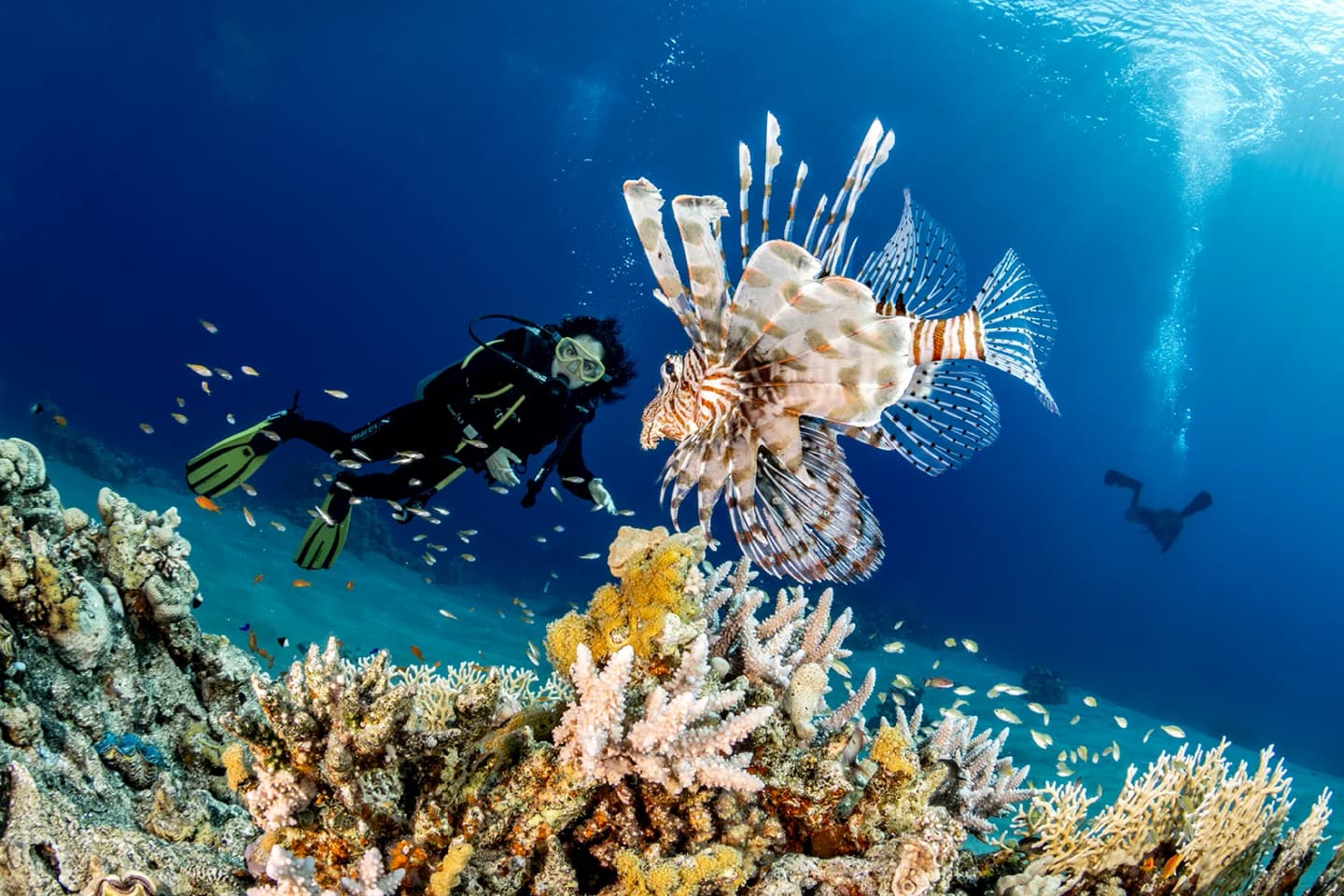
Expect reef crests rising to 1–5 meters, steps and ledges at 10–18 meters, and drop-offs falling beyond 30 meters. You’ll find clouds of anthias, fusiliers, and sergeants over hard-coral tables, with soft corals flourishing on current-exposed points. Occasional thermoclines, mild currents, and boat traffic near popular moorings require attentive briefings and conservative, guide-led plans.
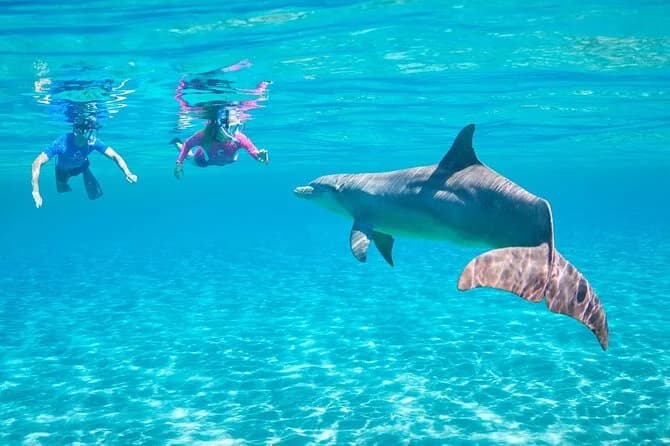
snorkeling toursers seeking shallow, high-color gardens; photographers chasing sunlit drop-offs; beginners in need of sandy entries; and experienced diving experiencesrs comfortable with drift or blue-water ascents all find a niche here. Families can choose easy house-reef lagoons, while advanced guests target deeper pinnacles and walls, timing entries for slack water and minimal surface chop.
Day boats reach Hurghada’s Giftun reefs in about 45–90 minutes, depending on wind and pick-up order. In Marsa Alam, expect roughly two hours to the Hamata islets. Build in buffer for park permits and safety checks; bring a 3–5 mm suit in winter, rashguard in summer, and confirm nitrox, mooring usage, and group size with your operator.
Sustainable Practices
High reef health hinges on low-impact habits. Perfect neutral buoyancy before photo ops; never stand on coral or seagrass; keep fins up in the shallows. Choose boats that use moorings, brief no-touch rules, and limit group sizes. Start with our traveler-facing coral reef conservation guide and these practical low-impact coral travel tips to shrink your footprint.
Travelers ask most about bleaching, conditions, and site suitability. The 2026 picture is nuanced: protected areas and current-swept capes continue to show strong color and fish life, while shallow, high-use patches can exhibit localized stress in late summer. Smart timing, skilled guiding, and good buoyancy keep the magic high and impacts low.
Localized summer stress has surfaced on some shallow, sheltered patches, but resilient communities persist—especially on well-flushed capes and within protected zones. After heat peaks, many sites regain color and polyp extension as water cools. Aim for early or shoulder-season sessions, choose moored boats, and avoid trampling or touching to support recovery.
Plan for roughly 22–24°C in the northern winter and 24–26°C in the south, rising to about 29–31°C at summer peak. Visibility commonly runs 15–30 meters, highest in calm, leeward sites. Pack a 5 mm suit for winter diving experiencess; in summer, a 1–3 mm layer or rashguard is usually sufficient for long sessions.
Beginners should favor sandy-entry bays and leeward patch reefs with light current and shallow coral gardens. Advanced diving experiencesrs often target walls and headlands with occasional drift, blue water, and depth options. As a rule of thumb, prioritize 5–12 meters for novices and plan 18–30 meters, with guide oversight, for experienced teams.
The Red Sea’s story in 2026 is one of remarkable resilience—if we give corals space to breathe. Choose well-briefed, moored operators, time your entries wisely, and bring a conservation mindset so your best diving experiences this year becomes someone else’s best first diving experiences next year.