Red Sea Underwater Photography: Light, Buoyancy and Wide‑Angle Mastery
Quick Summary: Treat the Red Sea as a living studio. Read currents, shape natural light, perfect buoyancy, and build wide‑angle frames that honor reefs and wrecks—then post‑process just enough to preserve true color and story.
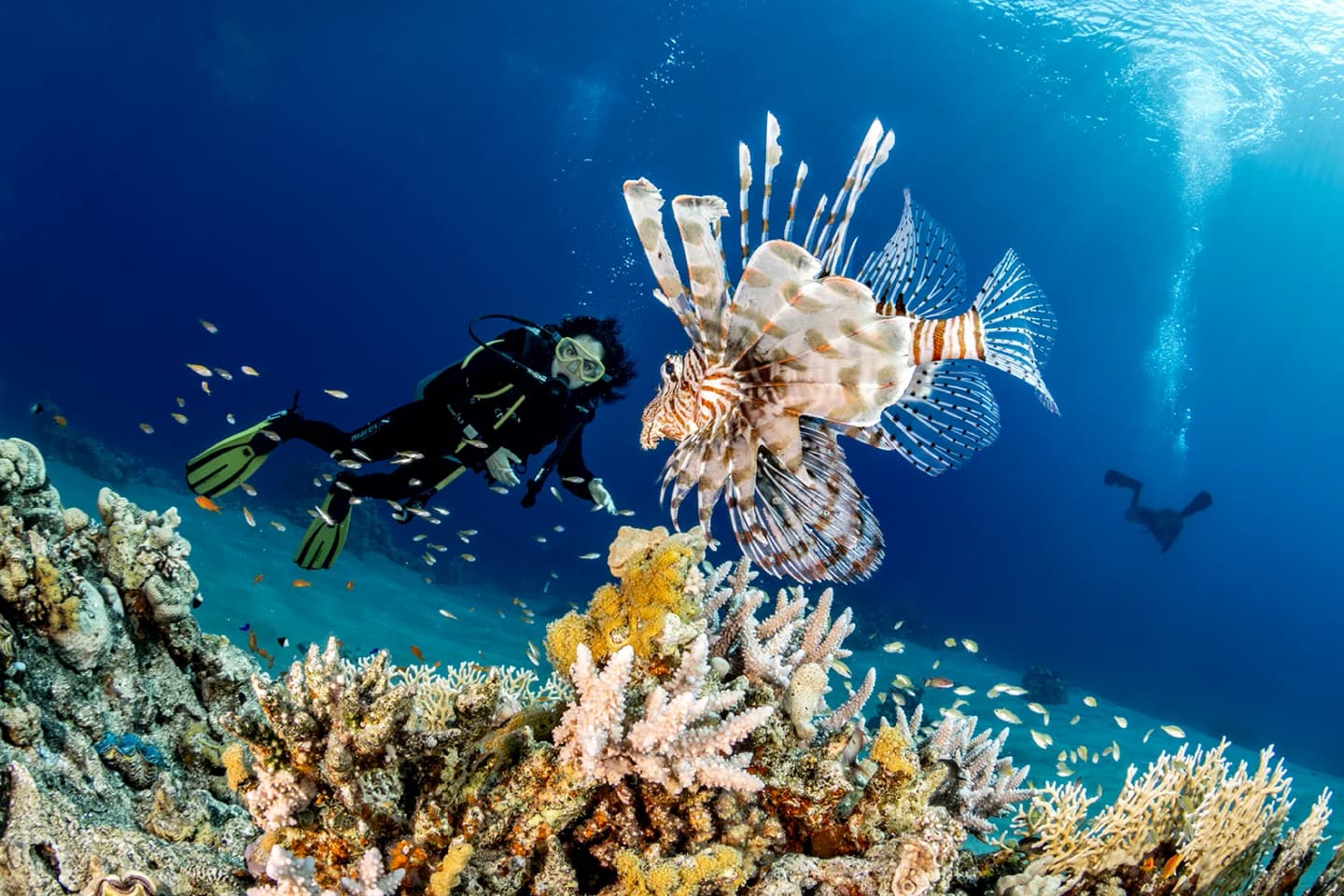
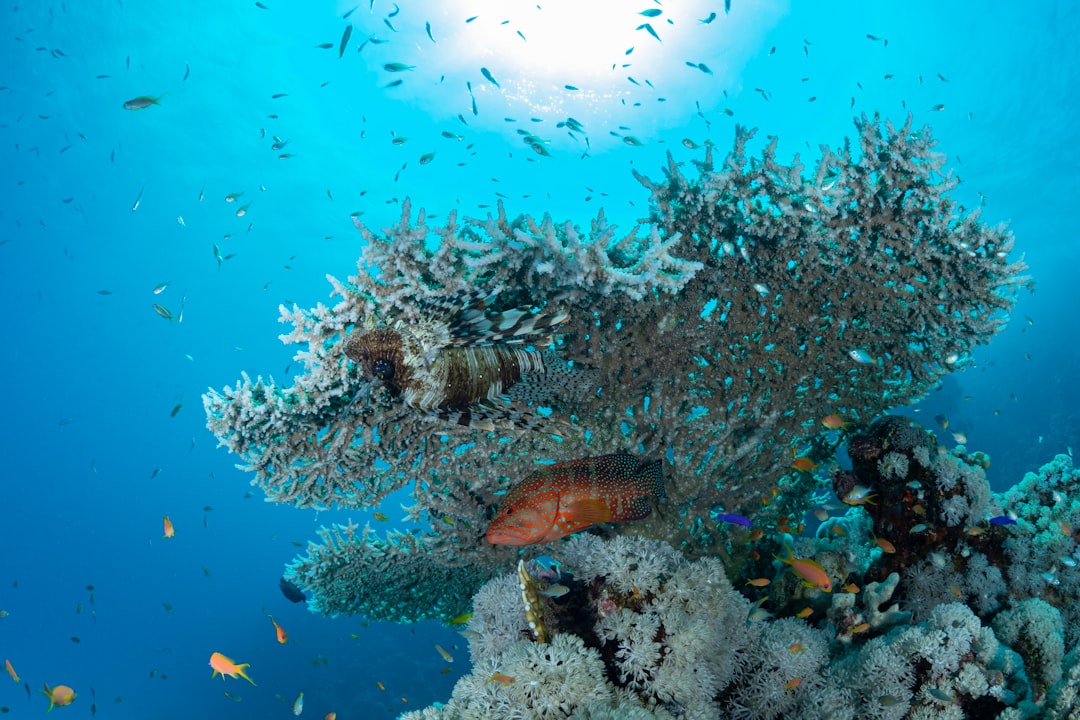
Morning boats idle beneath sugar‑blue skies; the desert glows rose behind a corridor of headlands. Slip beneath the surface and the studio lights switch on—sunbeams slanting through 20–30 m visibility, anthias flickering like confetti, the geometry of wrecks inviting storytelling. This guide turns each dive into a narrative—before, during, and after the shutter clicks.
What Makes This Experience Unique
The Red Sea punches above its weight for photographers: stable visibility, dramatic walls, and wrecks with intact lines and layered history. Treat it as a living studio—your choices of entry time, angle to the sun, and buoyancy finesse shape raw light into emotion. For deeper techniques, see our underwater photography guide from Hurghada to Sinai here.
Where to Do It
Base in Sharm El Sheikh for Ras Mohammed drifts, the SS Thistlegorm, and accessible house‑reef nights. Choose Marsa Alam for cathedral corals, turtles, and southern clarity. Planning frames around Shark & Yolanda or Ras Za’atar? Skim the best dive sites in Sharm el Sheikh to match scenes to skills and light.
Best Time / Conditions
Light quality is your canvas. Aim for early departures to paint reefs with soft, angled sun and fewer fin‑strokes around you. Expect 20–30 m visibility much of the year; sea temperatures hover around 22–24°C in winter and 27–30°C in summer. Gentle leeward reefs beat windward chop; time Ras Mohammed drifts for slack‑to‑ebb transitions.
What to Expect
Wide‑angle composition rules: push close, frame big, and separate subject from background. On Thistlegorm, decks sit about 16–18 m while holds deepen toward ~30 m, so plan NDL and ascent storytelling. Manage backscatter with off‑axis strobes, neutral trim, and slow kicks; build sequences—establishing shot, character detail, and exit moment—to tell a complete underwater story.
Who This Is For
Confident snorkelers and divers who can hold neutral buoyancy, fin precisely, and multitask with camera controls thrive here. Beginners can start with natural‑light reef scenes and a single light; intermediates step into dual strobes and wreck interiors with guides. Freedivers can capture minimal‑gear elegance—but only within safe depth/time protocols and buddy discipline.
Booking & Logistics
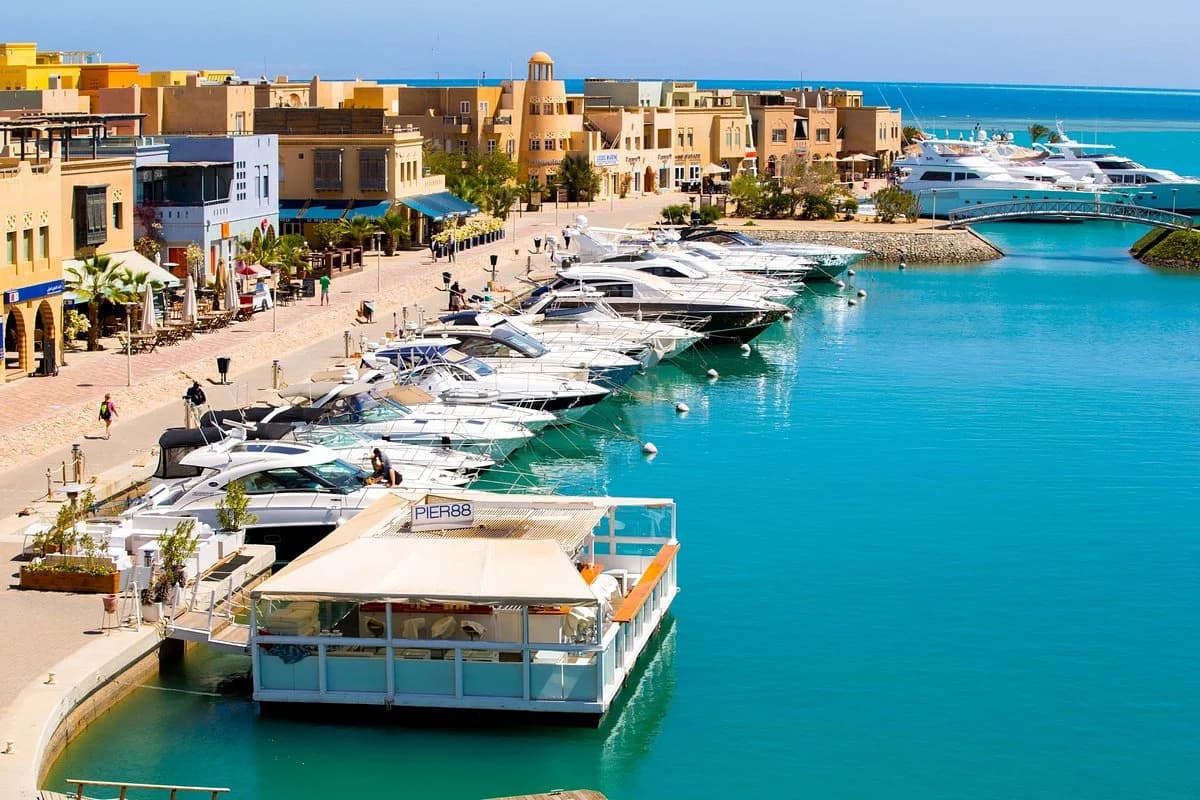
Prioritize operators who brief currents, entry order, and camera‑safe ladders. From Sharm, a two‑dive day to Ras Mohammed is streamlined on this guided trip with White Island. North of Hurghada, stage shallow wide‑angles with El Gouna’s two‑dive adventure from the marina. Expect 60–90 minutes by boat to Ras Mohammed; protect housings in padded rinse tubs.
Sustainable Practices
Neutral buoyancy is your first conservation tool: hover cleanly, keep fins above the reef line, and avoid “sand storms” that smother polyps. Light with intention—short bursts, no spotlighting shy megafauna, and maintain respectful space from turtles and rays. Log species and conditions; your images can support reef monitoring as outlined in our Red Sea photo guide linked above.
FAQs
Below, we address the questions photographers most often ask before finning into the blue. Consider these answers a compact checklist you can mentally run on the swim‑out: exposure and color, lens and lighting choices, then etiquette and technique that protect both your files and the reef you came to celebrate.
What camera and lens work best for Red Sea reefs and wrecks?
Think wide: a 16–35 mm on full‑frame (or 8–15 mm fisheye) captures big reefs and ship lines without stepping back. Compact or mirrorless shooters can add a wet wide‑angle dome; bring dual strobes for shape and color at depth. Keep setups streamlined—buoyancy arms that balance neutral reduce wrist strain and wobble.
How do I nail true color without over‑editing?
Set manual white balance at shooting depth, refresh it when light shifts, and shoot RAW. Use a gray card or a palm slate if scenes run warm or green. In post, correct global tint first, then add gentle contrast and micro‑clarity. Preserve cyan gradients; avoid nuking the blue channel to “tropicalize” reality.
How can I avoid backscatter and respect marine life?
Angle strobes outward so only the feathered edges light the subject; keep ISO modest and shutter around ambient. Trim a touch head‑heavy to prevent fin dips. Never touch, chase, or block animals’ paths; give turtles three fin‑kicks of space and keep off cleaning stations. Your calm, slow presence invites natural behavior.
In the Red Sea’s living studio, patience and small choices—boat timing, fin precision, subtle edits—turn good frames into gallery‑worthy sequences. Let light lead, let buoyancy speak, and your images will carry the quiet music of reefs and wrecks long after you surface.