Front-Row Red Sea: Sharks, Dolphins and Heat‑Hardened Reefs
Quick Summary: Egypt’s Red Sea offers close-up encounters with sharks, mantas, turtles and wild dolphins over unusually resilient reefs. Choose ethical boats, time your season, and channel the awe into citizen science to help the corals that may forecast the ocean’s future.
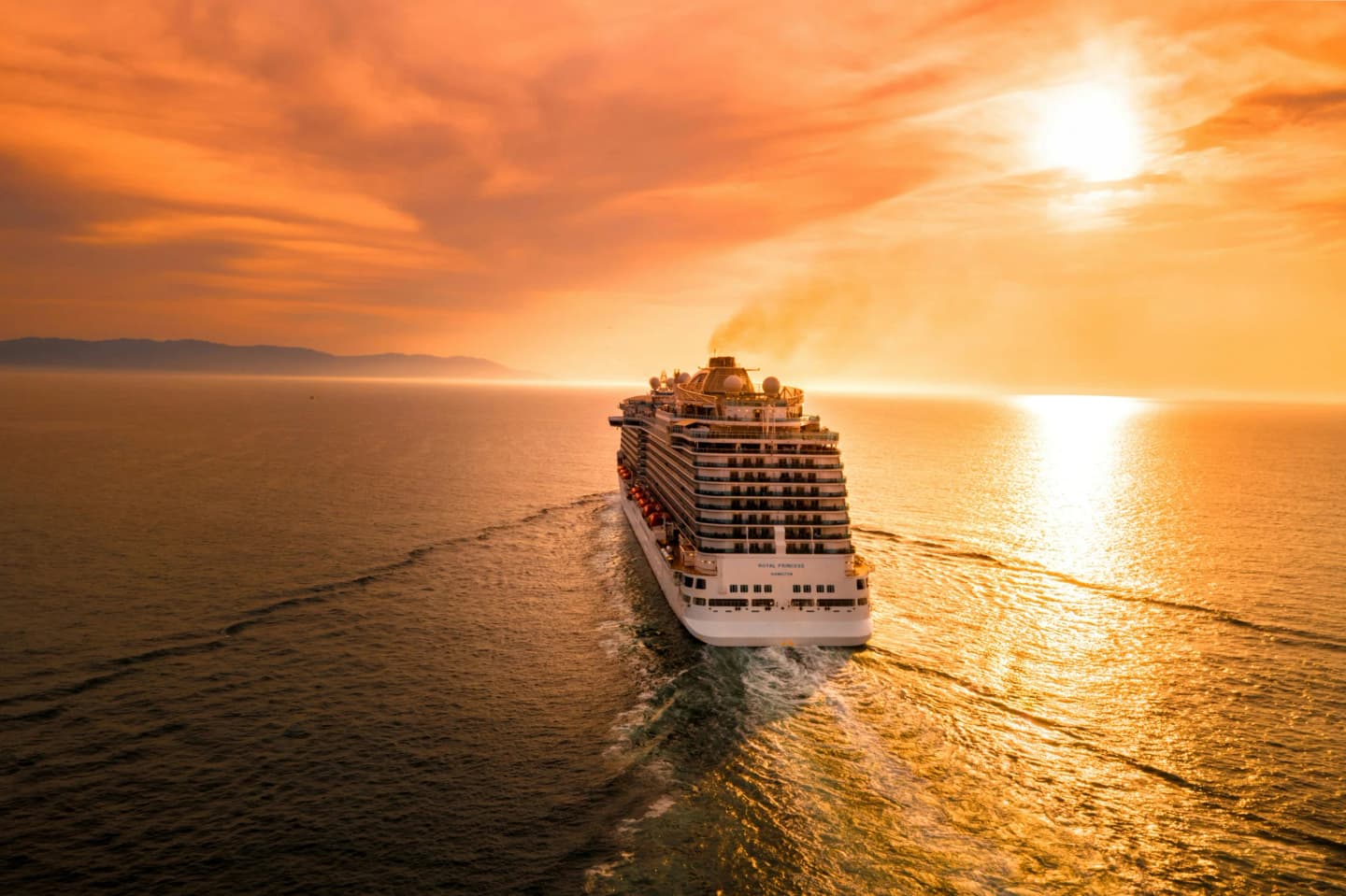
Dawn light shivers across the Red Sea as your boat clears the marina: flying fish skip, a pod arcs in the wake, and far ahead a coral table lifts toward the sun. Here, heat‑hardened corals flourish beside curious sharks, eagle rays and playful dolphins. In places like Hurghada and Sharm El Sheikh, every entry is a masterclass in resilience—and an invitation to dive lighter, learn more and give back.
What Makes This Experience Unique
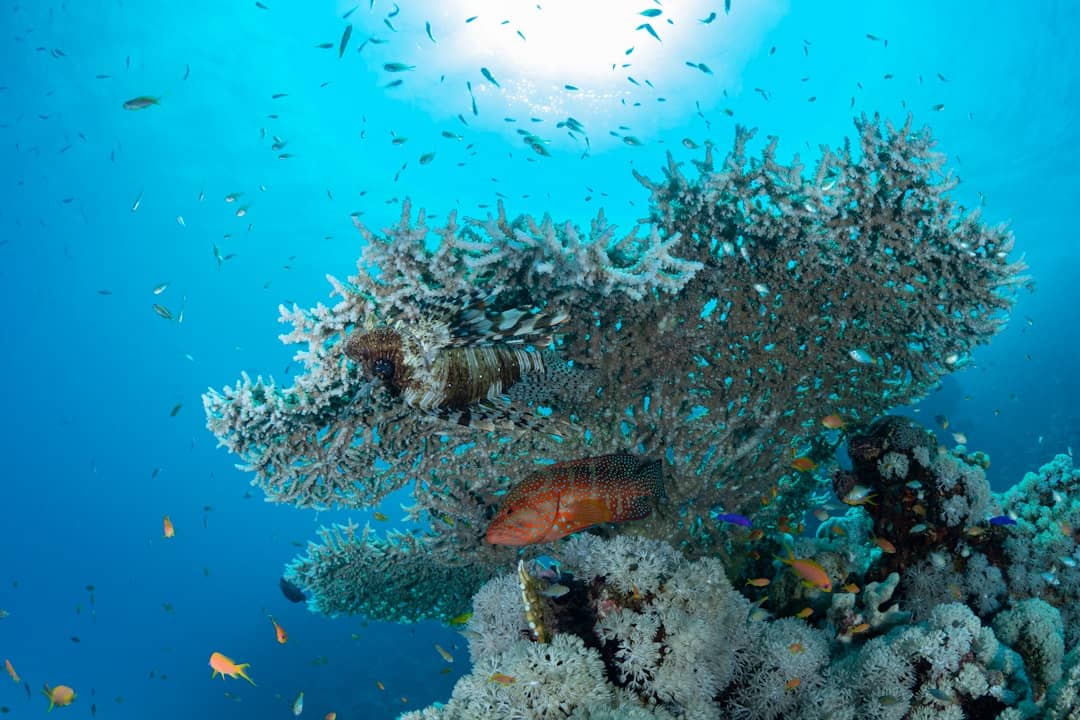
The northern Red Sea shelters corals with unusual tolerance to temperature swings, a trait scientists consider promising for future oceans. Pair that with cinematic visibility—often 20–40 meters—plus relaxed reef sharks, turtles and seasonal mantas, and you get thrilling encounters that also educate. Guided briefings turn each dive into a lesson on currents, cleaning stations and how small choices protect outsized biodiversity.
Where to Do It
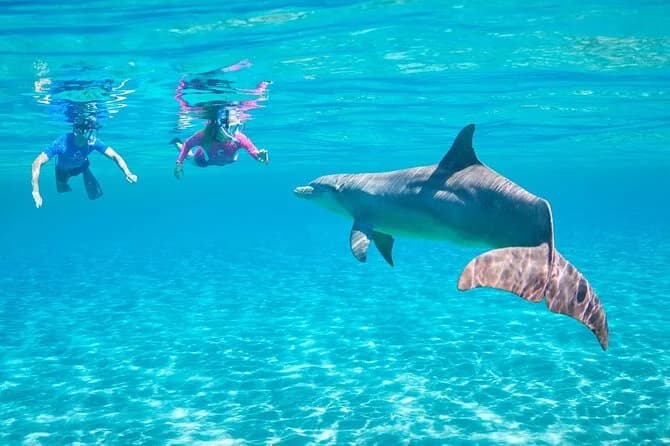
For easy access and variety, Hurghada’s day boats reach dolphin‑favored lagoons like Shaab El Erg; consider an ethical dolphin watching and snorkeling tour that prioritizes animal welfare. From Sharm el Sheikh, Ras Mohammed’s walls and the Straits of Tiran deliver schools, drifts and corals; see this guide to the best dive sites in Sharm el Sheikh for detailed site picks.
Best Time / Conditions
Diving is year‑round. Expect 22–24°C water in winter and 26–29°C from late spring through autumn. Oceanic whitetips and silkies favor offshore islands around October–December, while dolphin encounters are steady year‑round in protected lagoons. Mornings bring calmer seas; plan crossings then, saving leeward coral gardens for breezier afternoons with gentler surface chop.
What to Expect
Most day trips include two or three snorkel or dive stops, an onboard lunch and long surface intervals under the shade. Reef tops sit in 5–12 m, while famous sites vary: Elphinstone’s plateaus begin near 20 m; the SS Thistlegorm rests around 30 m for advanced divers. Boat rides run 30–90 minutes depending on marina, wind and site distance.
Who This Is For
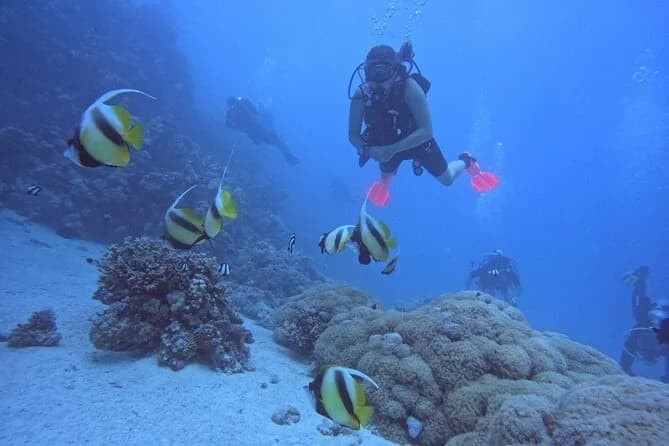
Confident snorkelers and new divers get pristine shallows with schooling anthias, masked butterflyfish and curious goatfish. Advanced divers chase drifts, pelagics and wrecks; underwater photographers find macro to big‑animal frames on the same reef. Families thrive on calm, guided snorkels and sandy sandbar stops, while solo travelers slot into small‑group boats that keep ratios low for safety and learning.
Booking & Logistics
Fly into Hurghada or Sharm el Sheikh; transfers to main marinas are typically 15–40 minutes. Choose smaller boats with clear briefings, capped group sizes and emergency oxygen. Liveaboards unlock islands and crossing routes—this liveaboard overview outlines classic circuits. Prefer privacy? Book a private speedboat dolphin swim that follows no‑chase rules and flexible timing.
Sustainable Practices
Pick operators who brief “look, don’t touch,” rotate moorings and avoid enclosing or herding wildlife. Wear a full suit instead of gloves, master neutral buoyancy, and use reef‑friendly sunscreen. Join citizen science: log shark, turtle or manta IDs with timestamps and GPS from your captain. Small, repeatable actions—fin awareness, gentle entries, no plastic—compound across thousands of boat days.
FAQs
Red Sea wildlife is approachable, but the best encounters happen when you match site, season and skill. Ethical boats set expectations early, keep respectful distances, and adapt to wind, visibility and currents. Read local conditions daily, pick shaded decks, and choose manageable profiles—your calm, unhurried movements are often the secret to close passes.
Do I need to be a certified diver to see sharks and dolphins?
No. Many shark sightings occur shallow along reef edges, and wild dolphins are viewed while snorkeling in open lagoons. Certified divers can visit deeper plateaus and wrecks, but snorkelers often get unforgettable passes in 3–8 m water with strong surface safety protocols and a patient, non‑chasing approach.
Are Red Sea corals really more heat tolerant?
Corals in the northern Red Sea and Gulf of Aqaba have shown unusual resilience to warming compared with many regions. That doesn’t make them invincible—pollution, anchor damage and extreme heat still stress reefs. The takeaway: treat them as a precious refuge worth guarding through mindful tourism and data‑sharing, not as an excuse for complacency.
What should I pack for responsible snorkeling or diving?
Bring a snug mask, a full‑length suit or rash guard, closed‑heel fins for easy entries, a reef‑safe sunscreen, and a compact SMB if you dive. Add a logbook or app for sightings, a microfiber towel, and a reusable bottle. Photographers should carry lanyards and clips to keep hands free and buoyancy precise.
In the Red Sea, awe is a renewable resource—if we treat it that way. Choose steady captains, science‑minded guides and low‑impact habits, and your encounters will feel intimate, not intrusive. Start with accessible hubs like Hurghada and Sharm el Sheikh, then graduate to longer routes as your skills—and stewardship—grow.