The Quiet Tide: Planning Red Sea Travel When Politics Shifts the Shoreline
Quick Summary: Political climate subtly changes access, routes, and perceived safety along Egypt’s Red Sea. Read the signals, build trip flexibility, choose resilient hubs and licensed operators, and keep alternatives in your pocket so reefs, culture, and coastlines remain easy—and unforgettable—to explore.
In the Red Sea, politics doesn’t shout—it whispers. Checkpoints, route advisories, and shifting sentiment ripple through ferry timetables, desert crossings, and day-boat departures. For travelers, the lesson isn’t to retreat; it’s to plan like a sailor: watch conditions, choose reliable harbors, and keep a second course ready so coral walls and Bedouin tea remain the trip’s headline.
What Makes This Experience Unique
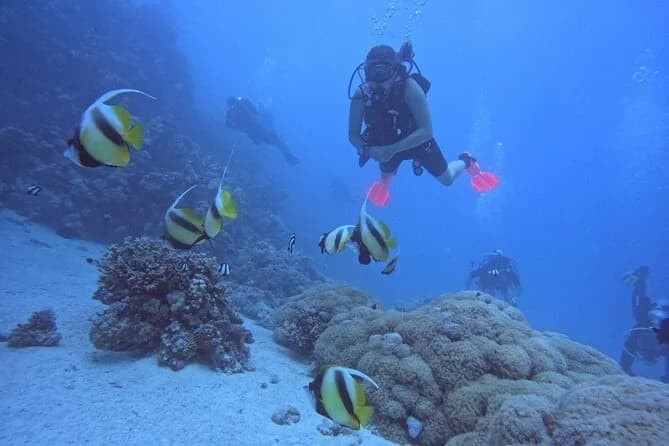
Few coastlines pack such proximity of world-class reefs, easy flight access, and modular day trips. The Red Sea lets you pivot without losing the plot: swap a long crossing for a sheltered bay, trade a far island for a house reef, or re-sequence inland culture days. Politics may sway edges of access, but experiences stay within reach.
Where to Do It
For a low‑logistics rhythm, On the mainland, Hurghada and El Gouna excel for backup island or lagoon days.Best Time / Conditions
Year-round sun is the constant; your variables are wind, crowds, and geopolitical mood. Winter water hovers near 22–24°C; summer climbs to 28–30°C, with calmer mornings for boats. If situations tighten, earlier departures and midweek slots reduce bottlenecks. Spring and autumn shoulder seasons blend warm seas with quieter ports and smoother logistics.
What to Expect
Expect visible but routine security—airport screening, road checkpoints, permits for protected areas. Operators will adjust departure windows for wind or advisories, and may switch you to an alternate reef with similar profiles. Cairo to Hurghada or Sharm flights take about one hour, while Sharm–Dahab drives run roughly 90 minutes along the coast.
Who This Is For
Travelers who value experience over rigidity: divers happy to swap a far-flung wall for a surprising house reef, families who prefer short boat rides, photographers who chase light not labels, and culture seekers who’ll trade a windy sea day for souks and mosques. If you like a “plan A/B/C,” the Red Sea’s your classroom.
Booking & Logistics
For Sinai, a guidedSustainable Practices
Choose licensed, conservation‑minded outfits; politics or crowds shouldn’t become an excuse to pressure reefs. Favor shore-entry when seas kick up to limit fuel burn, and practice strict no‑touch, no‑feed protocols. Carry a reef‑safe sunscreen and a compact SMB if diving. When plans shift, consider community-led desert walks or cultural workshops to spread benefits.
FAQs
The goal is confident flexibility, not risk. Monitor official advisories, confirm routes the day prior, and keep travel insurance that covers disruptions. Build your week like a “modular reef safari”—islands, lagoons, shore dives, culture—so you can reshuffle without loss. Licensed, well-reviewed operators remain your best early-warning system and problem-solvers on the ground.
How does politics actually change a Red Sea itinerary?
Most changes are practical: a port gate time shifts, a desert crossing needs extra paperwork, or a far-island trip swaps to a nearer reef with similar visibility and fish life. Your experience remains intact if your plan is modular—keep alternatives for each day and prioritize short transfer options.
Is Sinai or the mainland more reliable for last-minute pivots?
Both work if you choose the right base. Sharm offers multiple marinas and sheltered bays; Dahab adds shore-entry ease. On the mainland, Hurghada and El Gouna excel at short boat hops to sandbars and reefs. Reliability comes from operator depth, not just geography, so book established teams with backup vessels.
What insurance and paperwork should I consider?
Pick policies covering trip disruption, medical care, and adventure sports if diving or kiting. Bring passport copies, booking confirmations, and any protected-area permits via your operator. Keep a digital folder offline. Many checkpoints are routine—organized paperwork shortens stops and preserves your early-light departures for calmer seas.