Red Sea Paragliding: Float Above Coral Gardens from Sharm to Dahab and Hurghada
Quick Summary: From October to April, steady northerlies and sapphire clarity make the Red Sea perfect for tandem paragliding. Expect calm morning inflows, glassy lagoons, and coral mosaics beneath your feet. Here’s how to choose launch zones, book safely, and savor the region’s most cinematic aerial views.
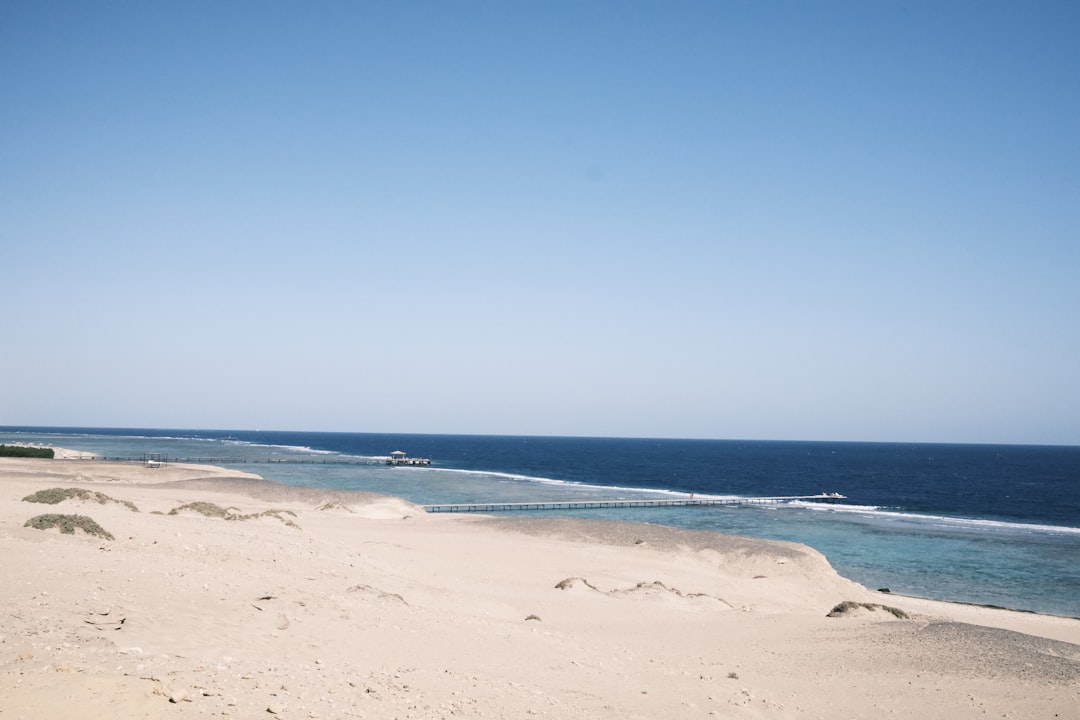
Slip from land into sky and the Red Sea rearranges itself: bays become brushstrokes, coral gardens tessellate below, and desert escarpments glow peach in raking light. In Sharm El Sheikh you trace headlands toward Ras Mohammed; in Dahab, ridges and the Gulf of Aqaba run like parallel runways; around Hurghada, sandbars and islands gleam beneath your feet in calm, wind‑brushed air.
What Makes This Experience Unique
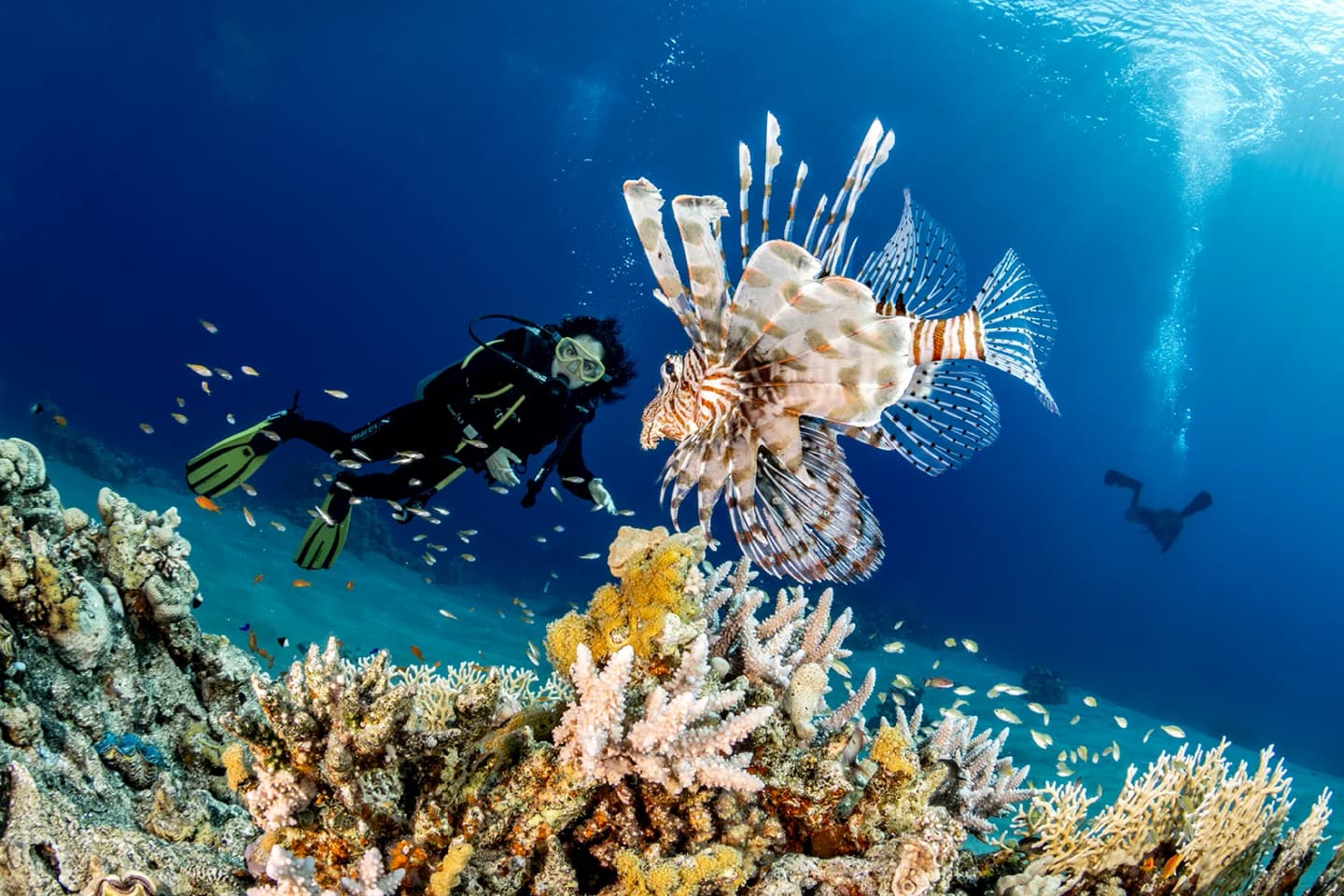
Few coastlines deliver this combination of reliable winds, dry thermals, and reef clarity. The Red Sea’s visibility regularly pushes 20–30 meters, so you can pick out patch reefs and drop‑offs from hundreds of meters up. Coastal orientation funnels smooth northerlies, especially mornings, creating gentle, confidence‑building tandem flights with big‑screen seascapes and desert‑meets‑ocean drama.
Where to Do It
Sharm’s southern headlands line up vantage points across the Straits of Tiran and toward Ras Mohammed’s white‑sand keys; many operators pair flights with boat days or transfers to scenic lookouts like White Island and nearby reefs on a Ras Mohammed & White Island trip. Dahab’s ridgelines trace the corniche and Blue Hole belt; Hurghada’s coastline opens toward the Giftun Islands, their pale shelves obvious even from altitude.
Best Time / Conditions
October to April is the sweet spot: cooler air, steady northerlies (often 8–18 knots in the morning), and calmer seas that read like a map beneath you. Water hovers around 22–24°C mid‑winter and rises through spring, while visibility commonly holds 20–30 meters—ideal for spotting reef contours. For sea‑state context, see our Hurghada snorkeling timing guide.
What to Expect
Tandem flights typically run 10–25 minutes depending on site and wind. You’ll walk a few steps into a smooth lift‑off, settle into a secure harness, then carve gentle S‑turns as reefs, sand tongues, and deep‑blue drop‑offs scroll below. Landings are soft stand‑ups on wide flats. Transfers to launch are usually 20–45 minutes from resort areas.
Who This Is For
First‑timers, photographers, and anyone who prefers serene to extreme will love these routes. Younger adventurers (often 6–12+ with guardian consent) can fly tandem where permitted; many operators set weight windows around 30–110 kg, with safety the deciding factor. If you hike, snorkel, or dive, this is the perfect high‑angle complement to your reef days.
Booking & Logistics
Choose certified tandem pilots using modern EN/LTF‑rated gear, reserve parachutes, radios, and clear briefings. Morning slots book fastest in peak months; aim 24–72 hours ahead so operators can pick the safest site for the forecast. Wear closed shoes, light layers, and sun protection; bring an action camera mount if desired. Insurance and permits are arranged by the provider.
Sustainable Practices
Paragliding leaves no wake or anchor scars, but decisions still matter. Fly with teams that avoid wildlife‑sensitive zones, respect park boundaries, and partner with mooring‑only boat operators for any add‑on sea days. Many pilots help guests read the reef from above—learning shapes, channels, and drop‑offs that build appreciation and care for fragile coral systems.
FAQs
Below are the questions we hear most about Red Sea paragliding—timing, safety, and practicalities. Conditions and launch zones change with wind and regulations, so reputable operators will confirm specifics the day prior. The goal: calm air, clean lift, and the widest reel of coral color you can safely enjoy.
Is paragliding available year‑round in Sharm, Dahab, and Hurghada?
Yes, but October–April offers the most reliable, comfortable windows thanks to cooler air and steady northerlies. Summer can deliver good mornings too, yet stronger thermals and heat often shorten the flyable period. Always book a window, not a single hour, so your pilot can choose the safest day and site.
How safe are tandem flights, and what are typical limits?
With certified pilots, pre‑flight checks, and modern wings, tandem paragliding is designed to be conservative and controlled. Expect a detailed briefing, helmet, reserve parachute, and radio. Many operators accept roughly 30–110 kg for passengers, but limits depend on wind, site, and equipment—your pilot’s call is final.
What should I wear and bring?
Closed‑toe shoes, sunglasses with a strap, and light layers are ideal; it’s often breezier and cooler aloft. Use reef‑safe sunscreen, secure phones/cameras with tethers, and keep hands free for takeoff and landing. If motion sensitive, a small anti‑nausea band can help during the drive and pre‑launch wait.
From first step to soft landing, the Red Sea’s palette keeps unfolding—desert light, reef geometry, and that endless seam where blue meets blue. Pair your flight with a relaxed snorkel day in Sharm’s marine parks or Hurghada’s island lagoons, then dive deeper into coral care with our Red Sea reef travel guide.