
Q1: What is the best Marsa Alam snorkeling tour for turtles and dugongs? A1: Abu Dabbab is the strongest choice for turtle-focused travelers and the best-known dugong habitat in Marsa Alam. A 2026 beach-entry day trip costs €39 / $42 per adult, with short road transfer and easier shore access than full-day boat trips. Dugong sightings are possible but never guaranteed — think "best habitat" rather than "guaranteed encounter."
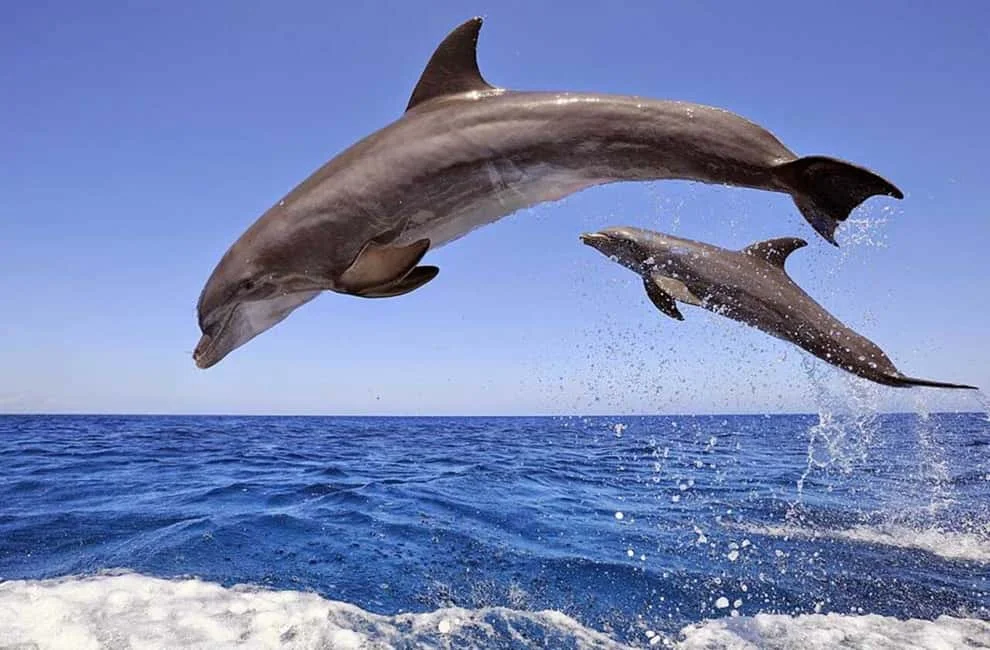
Q2: Which Marsa Alam snorkeling trip is best for dolphins? A2: Sataya Dolphin Reef is the most dolphin-focused full-day option available from Marsa Alam. Expect a 05:00–06:00 pickup, roughly 2.5–3 hours of combined road and boat travel, 3 snorkeling stops, and a 2026 price of €81 / $88 per adult.
Q3: How much do Marsa Alam snorkeling tours cost in 2026? A3: Shared trips range from €39 / $42 to €81 / $88 per adult depending on route. Abu Dabbab beach-entry starts at €39 / $42, Marsa Mubarak boat trips at €58 / $63, Hamata Islands at €72 / $78, Sataya at €81 / $88, and premium speedboat charters from €285 / $310 per boat.
Q4: Is it better to choose a shore-entry trip or a boat trip in Marsa Alam? A4: Shore-entry trips like Abu Dabbab suit first-timers, families, and motion-sensitive travelers best. Boat trips to Marsa Mubarak, Hamata, and Sataya offer wider reef coverage and 2–3 snorkel stops, but involve earlier departures and more exposure to wind and surface swell.
Q5: Do Marsa Alam snorkeling tours include equipment, lunch, and hotel transfers? A5: Most boat trips include mask, fins, life jacket, lunch, soft drinks, and hotel pickup from Marsa Alam and Port Ghalib zones. Abu Dabbab beach-entry trips often include transfer and guide support, but equipment rental, beach fees, or transfers from remote Quseir or southern hotels may be charged separately.
Q6: Do I need to book Marsa Alam snorkeling tours in advance? A6: For standard dates, booking 3–7 days ahead is sufficient. For Easter, school holidays, and the October–April demand peak, 7–14 days ahead is safer, especially for small-capacity routes and private boats. Trips with free cancellation up to 24h give useful flexibility if wind or plans change.
Q7: Are "dugong tours" in Marsa Alam really dedicated dugong trips? A7: Not always. Many listings marketed as "dugong tours" are shared transfers to Abu Dabbab beach, where you snorkel from shore in known seagrass habitat. That can still be excellent value, but it is not the same as a dedicated wildlife-search boat trip.
---
Marsa Alam snorkeling tours deliver some of Egypt's most accessible marine wildlife encounters — green turtles, spinner dolphins, and healthy coral reefs are all reachable without scuba certification. The core decision is straightforward: choose Abu Dabbab at €39 / $42 for easy turtle-focused shore snorkeling, or pay €58–€81 / $63–$88 for boat trips with broader reef coverage and more included services. Most OTA marketplace listings also include free cancellation up to 24h, which reduces planning risk (based on verified supplier data, March 2026).
Quick Summary
- Best for first-timers: Abu Dabbab beach-entry day trip
- Best for turtles plus boat comfort: Marsa Mubarak
- Best for dolphins: Sataya Dolphin Reef
- Best reef clarity in the far south: Hamata Islands
- Best for flexibility: private speedboat charter
- Lowest typical adult price: €39 / $42
- Highest-value shared full-day reef route: €72–€81 / $78–$88
- Best dugong habitat: Abu Dabbab and Marsa Mubarak seagrass zones
- Typical return time: 16:30–18:00
- Common downside: early pickups from northern hotels
- Useful planning rule: protected bays beat exposed reef routes on windy winter days
- Practical booking rule: compare whether marine fees, equipment, and transfer zones are included before choosing on price alone
What Marsa Alam Snorkeling Tours Are Really Like
Marsa Alam offers two distinct snorkeling styles. Shore-entry in protected bays like Abu Dabbab suits beginners and families, while boat-based reef trips from Port Ghalib, Hamata, or southern jetties deliver 2–3 stops, wider coral coverage, and more time on the water.
That difference matters more than marketing names. Many travelers book by animal headline, but the better filter is sea conditions, transfer length, and comfort with ladders, boat time, and open-water entries.
Main Marsa Alam Snorkeling Trip Types Compared
| Option | Typical duration | Hotel pickup time | Distance from Marsa Alam town | Adult price | Child price | Marine life highlights | Best for |
|---|---|---|---|---|---|---|---|
| Abu Dabbab beach-entry turtle/dugong day | 6.5 hours | 07:30–08:30 | 34 km south | €39 / $42 | €20 / $22 | Green turtles, seagrass, possible dugong, house reef fish | First-timers, families, motion-sensitive travelers |
| Marsa Mubarak boat trip | 8.5 hours | 07:00–08:00 | 8 km to Port Ghalib marina + 45–60 min boat run | €58 / $63 | €29 / $31 | Turtles, occasional dugong, coral gardens, blue-spotted rays | Travelers wanting a balanced boat day |
| Sataya Dolphin Reef full-day boat | 12 hours | 05:00–06:00 | 110 km south to marina/jetty zone | €81 / $88 | €41 / $45 | Spinner dolphins, reef fish, coral blocks, open lagoon snorkeling | Dolphin-focused travelers with full-day stamina |
| Hamata Islands reef trip | 11 hours | 05:30–06:30 | 180 km south | €72 / $78 | €36 / $39 | Clear southern reefs, coral gardens, turtles, reef drop-offs | Stronger snorkelers, reef-focused travelers |
| Premium speedboat snorkeling charter | 4.5–6 hours | 07:00–09:00 | 8–25 km to marina depending on hotel | €285 / $310 per boat | Same boat rate | Flexible wildlife search, less waiting, custom stop plan | Families, photographers, small private groups |
Prices differ because the trip types are genuinely different products. Abu Dabbab is mostly road transfer plus shore entry, while Sataya and Hamata combine long road positioning, boat fuel, crew time, lunch, permits, and a longer navigation window.

Decision 1: Is This Right for Me?
Who Should Book Marsa Alam Snorkeling Trips
These trips suit travelers who want visible marine life without scuba certification. Marsa Alam is one of the Red Sea's most accessible wildlife destinations because turtles and reef fish are regularly encountered on standard snorkeling routes, particularly in seagrass bays and protected lagoons (PADI, 2025).
It is especially well suited for:
- Non-divers who still want wildlife-focused sea days
- Families with confident swimmers
- Travelers staying in Port Ghalib, Marsa Alam, or southern resort zones
- Reef lovers who prioritize water quality over nightlife or beach clubs
Who Should Think Twice
Not every route fits every traveler. The three biggest mismatches are motion sensitivity, limited swimming confidence in current, and underestimating transfer times from remote hotels.
These travelers should be more selective:
- Motion-sensitive travelers: avoid Sataya on windy days; choose Abu Dabbab or a protected bay instead
- Travelers with back or knee issues: long boat ladders and wet entries can be physically tiring
- Very young children: beach-entry days are significantly easier than 10–12 hour boat routes
- Pregnant travelers or anyone with medical concerns: check operator rules before paying, especially for longer offshore runs
Honest Expectations, Including Downsides
The best Marsa Alam trips are excellent, but they are not friction-free. Three downsides appear consistently in verified traveler feedback and local operating patterns: early pickups from northern hotels, wind-related cancellations on exposed routes, and misleading "dugong tour" labeling that is really just an Abu Dabbab beach transfer.
Other useful realities:
- Dugongs are possible, never promised
- Winter wind can change route order or cancel southern departures entirely
- Reef quality varies across stops even within the same tour name
- Some hotel pickup zones add €5–€18 / $6–$20 per person to the base fare
Dugong Sighting Expectations
Abu Dabbab is the best-known Marsa Alam site for dugong habitat due to its extensive seagrass beds, and it is also one of the most reliable bays for green sea turtle sightings. That makes it the best-value dugong bet for most travelers, but a habitat is not a guarantee, and no ethical operator can promise an encounter (Egyptian Tourism Authority, 2025).
A more accurate expectation by site:
- Abu Dabbab: best-known dugong habitat, easiest access, most consistent turtle sightings
- Marsa Mubarak: good mixed turtle and dugong potential, but boat-based and less predictable for specific wildlife timing
- Sataya: book for dolphins and reef time, not dugongs
- Hamata: book for coral quality and clear southern water, not dugongs
Decision 2: Which Option Should I Choose?
Best Option by Traveler Type
If your main goal is seeing turtles with the least hassle, Abu Dabbab wins. If you want a boat day without the extreme early start of the southern routes, Marsa Mubarak is the most balanced choice.
Use this filter:
- Abu Dabbab: easiest, cheapest, most beginner-friendly
- Marsa Mubarak: best all-round shared boat option
- Sataya: best dolphin-focused day, longest commitment
- Hamata: best for clearer southern reefs and stronger coral scenery
- Speedboat charter: best when time, privacy, or photography matters more than lowest price
Option-by-Option Comparison
| Option | Main advantages | Main drawbacks | Snorkel stops | In-water guide | Lunch/soft drinks | Why travelers choose it |
|---|---|---|---|---|---|---|
| Abu Dabbab beach-entry | Lower price, protected bay, easy entry | Wildlife not guaranteed, beach can get busy | 1 main bay + optional second swim | Usually shore guide or escorted entry | Usually no lunch; drinks sometimes extra | Simple turtle-focused day |
| Marsa Mubarak boat | Balanced schedule, boat comfort, reef variety | Marina timing, boat motion possible | 2 stops | Yes, guide support in water | Usually included | Good mix of comfort and marine life |
| Sataya Dolphin Reef | Strong dolphin focus, large reef lagoon | Very early pickup, long day, wind exposure | 3 stops | Yes | Usually included | Dolphin priority |
| Hamata Islands | Excellent visibility, healthier southern coral | Long road transfer, more weather exposure | 3 stops | Yes | Usually included | Reef quality over convenience |
| Premium speedboat charter | Fast transit, flexible timing, private pace | Highest upfront cost | 2–4 flexible stops | Yes, often dedicated | Drinks usually included; lunch varies | Families, photographers, private groups |
Shore-Entry Versus Boat-Based Snorkeling
Shore-entry at Abu Dabbab is easier to control. You can pace yourself, enter from the beach, rest more easily, and avoid long engine time — which is why it works well for first-timers and motion-sensitive travelers.
Boat-based routes offer better range. Marsa Mubarak, Sataya, and Hamata give access to wider reef systems, but that comes with ladders, briefing times, and more exposure to wind and surface chop.

Local Insight
Local operators in Hurghada and Marsa Alam know that the map does not tell the whole story. Abu Dabbab often feels calmer than its wildlife reputation suggests because the bay shape provides more protection than exposed outer reefs — while southern boat routes can look flat in town but become noticeably rougher after departure.
A few practical insider points that only a Hurghada-based operator would flag:
- Port Ghalib departures are consistently the smoothest logistics for central Marsa Alam hotels; guests who book through hotel desks in El Quseir are often routed through a longer pickup loop that adds 45–60 minutes before the boat even leaves the marina
- On windy winter mornings, a protected bay like Abu Dabbab can outperform a famous offshore reef simply because you spend more time in usable water rather than waiting on deck
- The seagrass at Abu Dabbab is most active with turtle and dugong feeding in the early morning window — guests who arrive after 10:00 consistently report fewer sightings than those who enter the water before 09:00
- Some "dugong tours" are not special wildlife-search products; they are transport packages to Abu Dabbab beach with no dedicated guide in the water
- Photographers consistently prefer private speedboats because stop timing is adjustable and surface intervals between snorkel sessions are shorter, giving better light angles
Decision 3: When Should I Go?
Best Seasons for Snorkeling Conditions
Marsa Alam is a year-round snorkeling destination, but conditions shift more with wind than with cold. Water stays warm enough for comfortable snorkeling most of the year, while visibility often peaks during calmer shoulder periods (PADI, 2025; Egyptian Tourism Authority, 2025).
The broad seasonal pattern:
- Jan–Feb: cooler water, higher wind risk, more cancellations on exposed routes
- Mar–May: one of the best balances of warmth and clarity
- Jun–Aug: warmest water, strong sun, generally reliable conditions
- Sep–Oct: premium conditions for both comfort and visibility
- Nov–Dec: still very good, with rising wind variability toward year-end
| Season | Average water temp | Typical wind pattern | Visibility range | Wetsuit/rash guard advice | Sample shoulder-season price | Sample high-season price |
|---|---|---|---|---|---|---|
| Jan–Feb | 23°C | Moderate to fresh north wind; occasional cancellations on exposed routes | 18–25 m | 3 mm wetsuit recommended | Abu Dabbab €39 / $42 | Sataya €84 / $91 |
| Mar–May | 24–26°C | Lighter to moderate wind | 20–30 m | Rash guard or shorty wetsuit | Marsa Mubarak €58 / $63 | Hamata €74 / $80 |
| Jun–Aug | 27–29°C | Usually manageable morning conditions; hot decks midday | 18–28 m | Rash guard best for sun protection | Abu Dabbab €41 / $45 | Sataya €81 / $88 |
| Sep–Oct | 28–29°C | Often calmest and most comfortable of the year | 22–30 m | Rash guard; no wetsuit needed for most | Marsa Mubarak €61 / $66 | Hamata €72 / $78 |
| Nov–Dec | 25–26°C | Increasing wind shifts; still good in protected bays | 18–27 m | Shorty wetsuit useful for longer swims | Abu Dabbab €39 / $42 | Sataya €81 / $88 |
Best Months by Trip Type
Abu Dabbab works well most of the year because the bay is relatively protected. That makes it the safest recommendation when winter wind is a concern.
Boat trips are more seasonal in practice:
- Marsa Mubarak: reliable most months
- Sataya: best when you can commit to a full day and accept possible route changes
- Hamata: strongest in calmer windows when southern visibility is at its peak
- Speedboat charter: useful year-round because routing can adapt faster than large shared boats
How Far Ahead to Book
For regular dates, 3–7 days ahead is usually sufficient. For Easter, school holidays, and the October–April demand peak, 7–14 days ahead is a safer planning window, especially for small-capacity routes and private boats.
Many OTA listings include free cancellation up to 24h, which is practically useful rather than just promotional. It matters because wind, hotel changes, or a child's sleep schedule can all affect whether a long southern route still makes sense on the day.
Decision 4: What Will It Cost?
Full Cost Breakdown
The headline price is only part of the booking decision. The real comparison is base fare plus transfer zone surcharge, equipment policy, marine or beach fee, and any extras such as wetsuit rental or private transfer upgrades.
| Cost item | Abu Dabbab beach-entry | Marsa Mubarak boat | Sataya Dolphin Reef | Hamata Islands | Premium speedboat charter |
|---|---|---|---|---|---|
| Base tour price | €39 / $42 | €58 / $63 | €81 / $88 | €72 / $78 | €285 / $310 per boat |
| Transfer surcharge from remote hotels | €7 / $8 | €9 / $10 | €14 / $15 | €18 / $20 | €22 / $24 |
| Equipment rental if not included | €8 / $9 | €0–€6 / $0–$7 | €0–€6 / $0–$7 | €0–€6 / $0–$7 | Often included |
| Marine fee / national park / beach fee | €5 / $6 | €7 / $8 | €9 / $10 | €10 / $11 | €12 / $13 |
| Optional wetsuit rental | €7 / $8 | €7 / $8 | €7 / $8 | €7 / $8 | €10 / $11 |
| Crew tip range | €3–€5 / $3–$5 | €4–€6 / $4–$7 | €5–€8 / $5–$9 | €5–€8 / $5–$9 | €10–€15 / $11–$16 |
| Underwater photo add-on | €20 / $22 | €22 / $24 | €25 / $27 | €25 / $27 | €35 / $38 |
| Private transfer upgrade | €18 / $20 | €22 / $24 | €30 / $33 | €35 / $38 | Usually built into quote |
What Is Usually Included
Inclusions are strongest on boat trips. Shared routes to Marsa Mubarak, Sataya, and Hamata commonly include hotel transfer within standard zones, lunch, soft drinks, mask, fins, life jacket, and guide supervision.
Abu Dabbab is less standardized. Some packages include transfer and beach entry support only, while others add equipment or an in-water guide — so the cheapest fare is not always the best value.
Typical inclusions by format:
- Abu Dabbab: transport, entry coordination, sometimes equipment
- Marsa Mubarak: boat, lunch, drinks, 2 snorkel stops, guide
- Sataya: boat, lunch, drinks, 3 stops, guide, longer sea time
- Hamata: boat, lunch, drinks, guide, southern reef stops
- Speedboat: private boat, skipper, fuel, selected equipment, drinks
Booking Method Comparison
Where you book affects flexibility almost as much as price. OTA marketplaces are strongest for transparent inclusions and free cancellation up to 24h, while hotel desks and street agencies can be fine but often disclose extras later or use simpler verbal summaries.
| Booking method | Abu Dabbab typical adult price | Marsa Mubarak typical adult price | Sataya typical adult price | What is usually included | Cancellation pattern |
|---|---|---|---|---|---|
| OTA marketplace | €39 / $42 | €58 / $63 | €81 / $88 | Clear inclusion list, taxes often shown, pickup notes | Often free cancellation up to 24h |
| Hotel desk | €45 / $49 | €65 / $71 | €89 / $97 | Transfer usually included; details vary by rep | Often stricter or manual |
| Street agency / local office | €35 / $38 | €54 / $59 | €76 / $83 | Can be cheaper, but marine fee and equipment may be less clear | Varies; often less flexible |
| Private direct charter | Not typical | Not typical | Not typical | Custom route, private timing, direct skipper coordination | Deposit terms vary |
| Private speedboat direct | €285 / $310 per boat | €320 / $348 per boat | €390 / $424 per boat | Flexible routing, private timing, low sharing | Usually deposit-based, less standardized |
The cheapest channel is not automatically the best deal. If equipment, marine fee, and remote transfer are added later, a lower street price can finish above the OTA total.
Why Prices Differ So Much
Distance is the first driver. Abu Dabbab is a short road transfer and beach entry, while Hamata and Sataya require long road positioning plus boat fuel, crew time, and permits.
The second driver is operating model:
- Shore-entry days use fewer staff and no large vessel
- Shared day boats spread costs across more guests
- Private speedboats cost more per booking but less per person for small groups of 3–5
- Protected local bays require significantly less fuel than far-south reef circuits
Decision 5: How Do I Prepare?
What to Bring
Most travelers overpack for Marsa Alam snorkeling. The essentials are simple, and the most useful items relate to sun protection, comfort, and dry clothing for the transfer back.
Bring:
- Swimsuit already on under clothes
- Rash guard or UV top
- Towel
- Reef-safe sunscreen
- Sunglasses with strap
- Refillable water bottle
- Dry change of clothes
- Small cash for fees, tips, or extra drinks
- Motion sickness tablets if choosing a boat trip
What to Wear by Route
For Abu Dabbab, a rash guard and light beach sandals are enough in warm months. In winter or on longer swims, a shorty or 3 mm wetsuit is more comfortable, especially if you plan to float and observe wildlife rather than swim continuously.
For Sataya and Hamata:
- Wear light layers for the early pickup
- Bring a wind layer for the boat ride out
- Expect stronger sun reflection than at shore sites
- Keep electronics in a dry bag, especially on speedboats
Health and Safety Realities
You do not need to be an athlete to enjoy these trips, but basic water confidence helps. Life jackets are commonly available and should be used whenever current, swell, or fatigue makes you less comfortable.
Practical safety notes:
- Follow the guide's drift and regroup instructions at all times
- Do not chase turtles, dugongs, or dolphins — Egyptian law and PADI guidelines both prohibit harassment of marine wildlife
- Ladders can be slippery after the second snorkel stop
- If you feel seasick after the first run, tell the crew early; they can often seat you in a steadier part of the boat
Booking Logistics That Reduce Uncertainty
The better booking is usually the one with clearer pickup zone rules, inclusion details, and cancellation terms — not just the lowest number. Check these details before confirming:
- Pickup zone: Port Ghalib, Marsa Alam, Quseir, or far-south resort?
- Are mask, fins, and life jacket included?
- Is lunch included, and only on boat trips?
- Is there an in-water snorkeling guide or just a boat escort?
- Is the marine or beach entry fee already included in the price?
- Is free cancellation up to 24h available?
Typical Timings and Daily Flow
Shared Day Trip Schedules
Timings are predictable enough to compare directly. Southern routes start earlier because transfer distance is longer, while local bay trips start later and feel less rushed.
| Trip type | Typical pickup window | Departure time | Boat/snorkel structure | Stop count | Return to hotel |
|---|---|---|---|---|---|
| Abu Dabbab beach-entry | 07:30–08:30 | Beach arrival 08:30–09:15 | Shore briefing + flexible bay sessions | 1–2 swim sessions | 15:30–16:30 |
| Marsa Mubarak boat | 07:00–08:00 | 08:30–09:00 | 45–60 min boat run + lunch | 2 | 16:30–17:30 |
| Sataya Dolphin Reef | 05:00–06:00 | 07:30–08:00 | Long navigation + lunch | 3 | 17:30–18:30 |
| Hamata Islands | 05:30–06:30 | 08:00–08:30 | Southern run + lunch | 3 | 17:00–18:00 |
| Premium speedboat charter | 07:00–09:00 | Flexible | Direct fast run, custom intervals | 2–4 | Flexible, often by 14:00–15:30 |
Best Choice by Travel Style
For First-Timers
Pick Abu Dabbab. It is easier to understand, easier to enter, cheaper, and less tiring — especially if this is your first Red Sea snorkeling day. Book snorkeling tours in Hurghada or Marsa Alam through an OTA marketplace for the clearest inclusion details.
For Mixed Groups
Pick Marsa Mubarak. It balances comfort, marine life variety, and a proper boat-day feel without the longest transfer commitment of the southern routes.
For Dolphin Priority
Pick Sataya only if dolphins are your primary reason for the day and you are comfortable with a long, early-start commitment. It is the most specialized option here, but also the most weather-sensitive and time-heavy.
For Reef Quality
Pick Hamata if your priority is clearer southern water and stronger coral scenery. It makes the most sense for travelers already comfortable with full-day diving excursions from Hurghada or Marsa Alam.
For Families or Photographers
Pick a premium speedboat charter when the group is 3–5 people and flexibility matters more than lowest price. Shorter transit, adjustable stop time, and a quieter platform can make it the better-value choice per hour actually spent in the water.
What Travelers Usually Get Wrong
The first mistake is booking by animal promise instead of route type. A "dugong" title does not mean a dedicated wildlife search — many low-cost products are simply Abu Dabbab transfers with no specialist guide.
The second is ignoring hotel geography. A cheaper tour can become the more tiring choice if your hotel is in Quseir or far south and the operator uses a long pickup loop that adds an hour before the boat departs.
The third is choosing an exposed full-day route in winter when a protected bay would deliver more usable snorkeling time. That is why free cancellation up to 24h is genuinely useful planning insurance rather than just a sales feature.
Is Marsa Alam Snorkeling Worth It in 2026?
Yes, if you pick the route that matches your confidence level and wildlife goal. Marsa Alam remains one of Egypt's strongest snorkeling destinations for turtles, seagrass habitats, and accessible reef trips, with Abu Dabbab and Marsa Mubarak especially relevant for travelers who want a high chance of seeing marine life without diving (Egyptian Tourism Authority, 2025; PADI, 2025).
For most travelers, the smartest choice is not the most expensive tour. It is the one with the clearest inclusion list, the shortest unnecessary transit, and the right sea conditions for your comfort level.
Sources
- PADI (Professional Association of Diving Instructors). Red Sea Snorkeling and Diving Conditions Overview, 2025. padi.com
- Egyptian Tourism Authority. Marsa Alam Marine Protected Areas and Wildlife Guidelines, 2025. egypt.travel
- Hurghada Environmental Protection and Conservation Association (HEPCA). Dugong and Sea Turtle Conservation in the Egyptian Red Sea, 2024. hepca.com
- Egyptian Environmental Affairs Agency (EEAA). Wadi El Gemal–Hamata Protected Area Regulations, 2024. eeaa.gov.eg
- Red Sea Governorate Tourism Directorate. Verified operator pricing and route data, March 2026.


