One Sea, Many Thrills: Snorkel Ras Mohammed, Dive the Thistlegorm, Ride Dahab and El Gouna’s Winds
Quick Summary: The Red Sea makes it effortless: shallow, gin-clear snorkels at Ras Mohammed, a bucket‑list descent to the SS Thistlegorm, and steady winds for kitesurfing in Dahab and El Gouna. Warm water, big visibility, pro operators—choose your pace, from dreamy drifts to high‑octane rides.
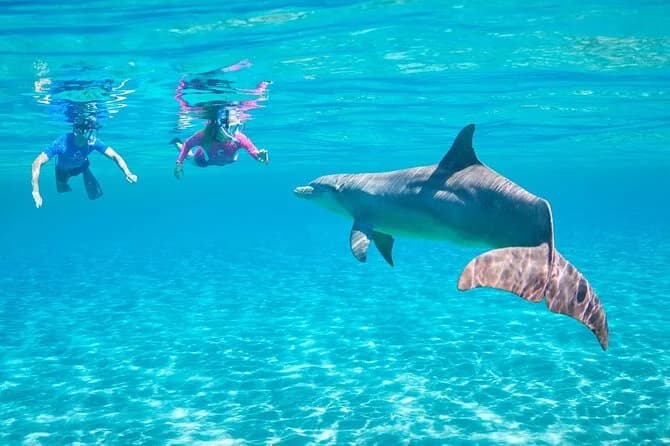
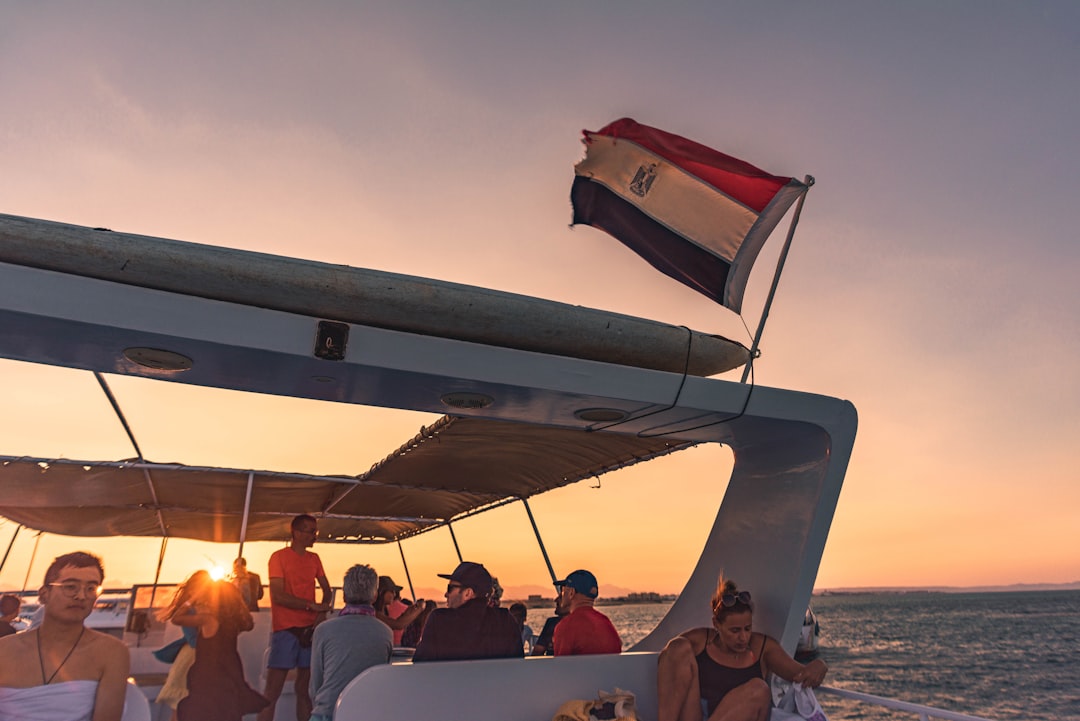
Morning light glows across the Sinai as your boat skims toward Ras Mohammed’s living walls. Visibility stretches 20–40 meters; anthias swirl like confetti. Later you drop onto the SS Thistlegorm—iconic wartime cargo frozen at ~30 meters—before trading tanks for a kite, carving glassy lagoons in breezy Dahab and El Gouna.
What Makes This Experience Unique
Few seas deliver such range in a single trip. The Red Sea is salty, warm (roughly 22–29°C), and extraordinarily clear, so snorkeling feels effortless while diving stays dazzling even at depth. Advanced divers get history and horsepower on the Thistlegorm; adrenaline seekers score steady 12–25‑knot winds—often cross‑shore—in Dahab and El Gouna.
Where to Do It
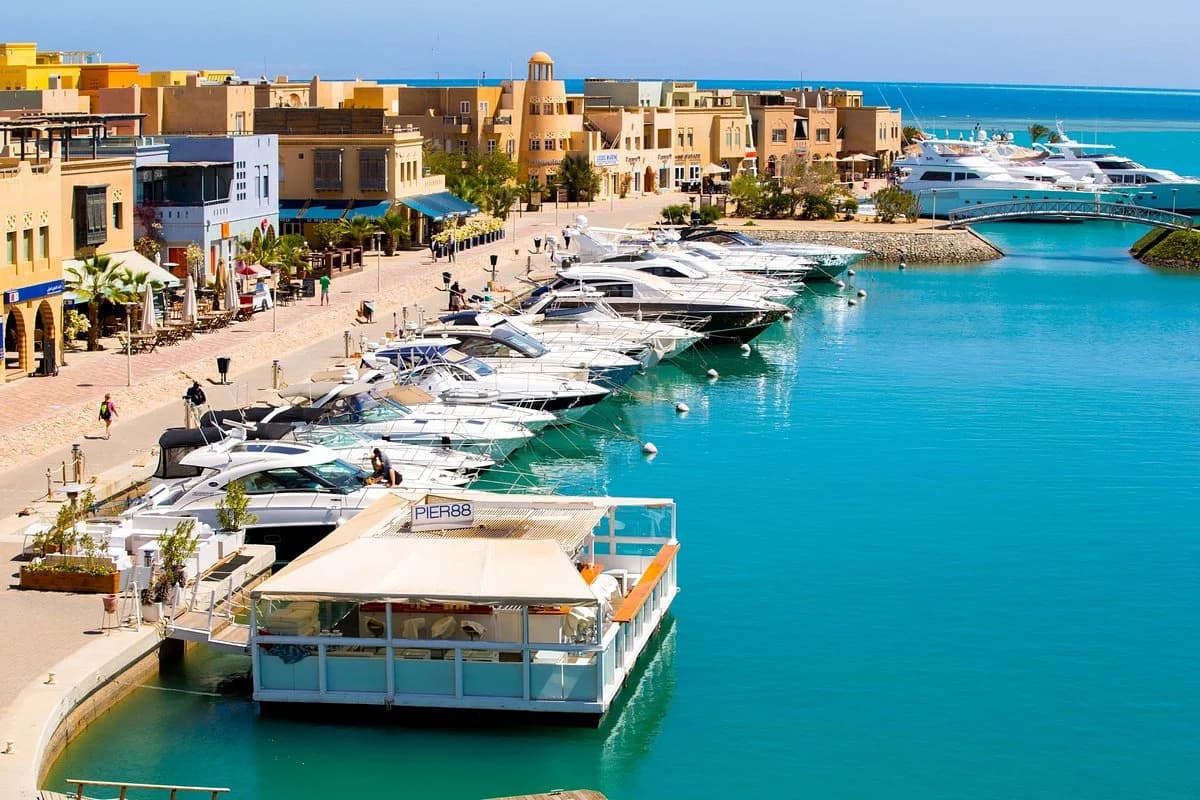
Base in Sharm El Sheikh for Ras Mohammed’s Shark and Yolanda reefs and an easy private snorkeling tour at Ras Mohammed. For that bucket‑list mix, hop a full‑day White Island & Ras Mohammed boat day. Wind riders should head north to the protected lagoons in the Dahab Travel Guide, or west to stylish El Gouna for shallow, beginner‑friendly bays.
Best Time / Conditions
Snorkeling and diving are year‑round, with peak visibility and calm seas common in late spring and autumn. Water ranges from ~22°C in winter to ~29°C in summer; a 3–5 mm suit covers most divers. For kitesurfing, prime wind typically spans March–October, with reliable thermal breezes and waist‑deep lagoons ideal for progression.
What to Expect
Ras Mohammed drifts are relaxed: short boat rides (30–60 minutes), gentle entries, and fish‑packed pinnacles. The SS Thistlegorm brings current, depth (~30 m to the sand), and overhead environments—thrilling but best for experienced divers. On the surface, kite schools provide radio helmets, safety boats, and structured lessons; first rides often happen day one in forgiving lagoons.
Who This Is For
Families and first‑timers will love shallow, boat‑supported snorkels with minimal swimming. Certified divers can enjoy easy fringing reefs; advanced divers (AOW+ recommended) can tackle the Thistlegorm’s holds. Wind sports suit athletic beginners through experts—Dahab favors skill‑building, while El Gouna’s polished centers and flatwater draw freestyle and freeride aficionados.
Booking & Logistics
Choose reputable operators using moorings (not anchors) and small‑group ratios. Most Sharm trips include hotel pickup; Ras Mohammed is reachable by road or boat, with park entry controlled. Bring a 3–5 mm suit, reef‑safe sunscreen, and certification cards; AOW and recent dives are advised for the Thistlegorm. Cairo–Sharm/Hurghada flights run about an hour.
Sustainable Practices
Protect the reef by never touching coral or turtles, practicing perfect buoyancy, and using mooring buoys. Wear mineral, reef‑safe sunscreen and a rash guard to reduce chemical load. Kitesurfers: keep clear of sea birds, haul lines on beaches, and avoid sensitive seagrass beds. Fill reusable bottles—most centers now provide filtered water refills.
FAQs
This stretch of the Red Sea is designed for choice: mellow drifts, storied wrecks, and wind‑powered fun. Below are the practical answers guests ask most—covering certification for the Thistlegorm, how the wind and seasons align, and options for hesitant swimmers who still want to join the boat day.
Do I need special certification to dive the SS Thistlegorm?
Advanced Open Water (or equivalent) is strongly recommended due to depth and occasional current, and recent logged dives help. Expect a maximum depth around 30 meters with potential overhead sections inside cargo holds. Many guides require AOW, a check dive beforehand, and conservative bottom times to prioritize safety and enjoyment.
When are winds most reliable for Dahab and El Gouna?
While you can ride year‑round, the most consistent 12–25‑knot days usually fall between March and October, boosted by daily thermal effects. Mornings often start lighter for beginners; afternoons build for confident riders. Winter fronts can deliver strong sessions but bring cooler air and water—plan thicker suits or short, targeted windows.
Can non‑swimmers or nervous swimmers still enjoy Ras Mohammed?
Yes—choose boats with life vests, snorkel guides, and dedicated swim ladders. Many trips include guided, hand‑held drifts near the reef’s edge where you can float above coral without finning far. Clear water and a surface spotter make it low‑stress, and you can always relax aboard during deeper snorkel stops.
One sea, many ways to play: drift Ras Mohammed in the morning, descend to living history at midday, then let the wind carry you by sunset. For planning detail, see our best snorkeling spots near Sharm and the Kitesurfing El Gouna 2025 guide—then pick your thrill and go.