
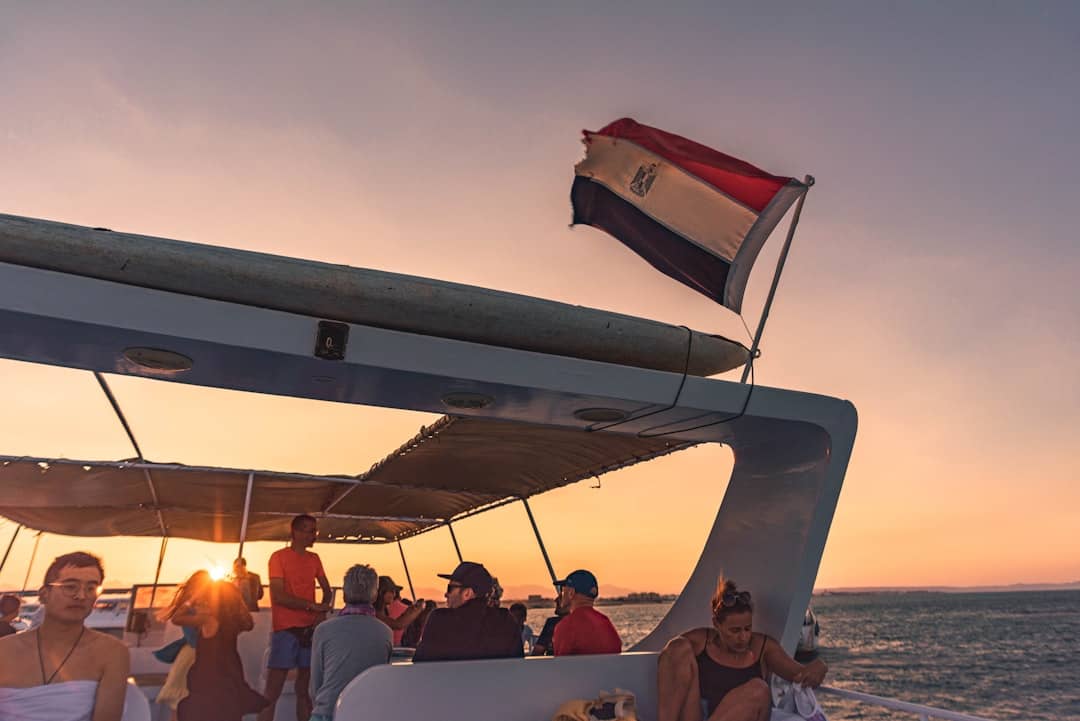
Red Sea Eco Tours: Quiet Ways to Explore Egypt’s Living Reef
Quick Summary: Experience the Red Sea as a sanctuary: choose local‑led snorkel and dive boats, paddle calm lagoons, and meet wildlife respectfully. Plan around seasons, use reef‑safe habits, and book tours that fund conservation and fair jobs—so your wonder directly supports coral and coastal communities.
At sunrise the Red Sea turns silver, a calm skin stretched over coral gardens. Eco touring here is about quiet choices—reef‑safe sunscreen, light fins, small groups, and local skippers who know where to drift without dropping anchors. Every careful fin‑kick feels like a thank‑you to a living, breathing coastline.
What Makes This Experience Unique
Egypt’s Red Sea concentrates biodiversity into accessible, shallow edges—snorkel over coral at 2–6 meters, then slide along drop‑offs with 20–40 meter visibility. Eco tours favor slower rhythms: drift dives with perfect buoyancy, guided snorkels over seagrass, and silent paddles that don’t scare fish. Your fees can fund mooring upkeep, reef monitoring, and fair wages for coastal crews.
Where to Do It
Base in Hurghada for easy day boats, family‑friendly reefs, and calm marinas for SUP and kayaks. North in Dahab, shore entries and wind sports meet a grassroots guide scene. Sharm’s Ras Mohammed delivers world‑class walls by boat, while Marsa Alam’s bays shelter turtles, seahorses, and the occasional dugong in gently waving seagrass.
Best Time / Conditions
For cooler air and warm water, target March–May and September–November; sea temperatures hover roughly 22–29°C through the year. Morning departures mean lighter winds and calmer surface for paddling and snorkel briefings. Day boats to Ras Mohammed typically run a full‑day rhythm with multiple moored stops and unhurried surface intervals; reserve ahead on peak weeks.
What to Expect
Expect hands‑on briefings, small groups, and deliberate pace. On a Sharm departure, a Ras Mohammed boat and dive day may include two guided drops on walls alive with soft coral and anthias. In Marsa Alam, sandy‑bottom bays favor slow snorkels above seagrass where turtles graze. Surface craft like kayaks and SUPs keep the noise low and wildlife relaxed.
Who This Is For
Eco tours suit curious beginners, families, and seasoned divers who prefer nature over crowds. Non‑swimmers can join boats for sun and sea air; snorkelers practice gentle finning in shallow lagoons. Confident water lovers can add a Marsa Alam Abu Dabbab dugong and turtle snorkel, always at respectful distances with guides trained to read animal behavior.
Booking & Logistics
Choose operators with conservation commitments: mooring use over anchors, capped group sizes, certified guides, and briefings on reef etiquette. Check boat days (often 7–8 hours dock‑to‑dock) and transfer times between hubs; for context, Hurghada—El Quseir—Marsa Alam is a long coastal run, so split your base if wildlife is a priority. Pack light, bring refillable bottles, and confirm included gear.
Sustainable Practices
Reef health starts with you: skip contact, perfect neutral buoyancy, and avoid feeding or chasing wildlife. Use mineral, reef‑safe sunscreen and UV shirts; plastic‑free snacks reduce deck waste. Favor local crews and community‑owned kiosks. For deeper background on seasonal closures and reef care, see the Red Sea Coral Reef Report for traveler tips and conservation updates.
FAQs
Eco touring centers on respect: for coral, wildlife, and local livelihoods. Pick quiet craft when possible, accept longer routes to avoid fragile zones, and follow your guide’s signals. The payoff is better sightings, calmer water, and photos without crowds—plus the assurance that your ticket helped protect the very reef you came to see.
Can beginners join without prior diving experience?
Absolutely. Choose snorkel‑led boat days, kayaks, or SUP sessions in protected lagoons, then progress to an intro dive with a strict buoyancy focus. Many guides run mask‑fit and fin‑kick demos before entering the water, and you’ll stay on moorings with shallow coral tops, avoiding fragile areas and surge.
How close can I get to turtles, dolphins, or dugongs?
Close enough to observe, never to touch or block movement. Guides maintain minimum approach distances and limit group size and time at each encounter. In seagrass bays, you’ll drift parallel and slightly behind animals; if they change direction or rise quickly, you back off and let them choose the space.
What gear should I bring to stay reef‑safe?
Pack a reusable bottle, rash guard or long‑sleeve UV top, mineral sunscreen, low‑drag fins, and a mask that seals well without overtightening. Divers should bring a compact DSMB and practice trim. Photographers: use strobes sparingly, avoid perching on coral, and keep your fin tips up when framing shots.
Traveling softly doesn’t mean seeing less—it means seeing more, for longer. Pair Ras Mohammed’s walls with a small‑group dugong bay; read our guide to ethical encounters to refine your choices (Ethical Dolphin & Dugong Encounters). Start north and drift south, or base where your heart is—Hurghada’s ease or Dahab’s shore‑entry simplicity—and let the sea set the pace.