
Sustainable Stays in Dahab: Solar Calm on the Red Sea
Quick Summary: Choose Dahab stays that sip, not gulp—solar power, refill stations, greywater gardens, local sourcing, and reef-friendly policies. You’ll sleep to the hush of Sinai, wake in solar-lit calm, and leave the reefs healthier than you found them.
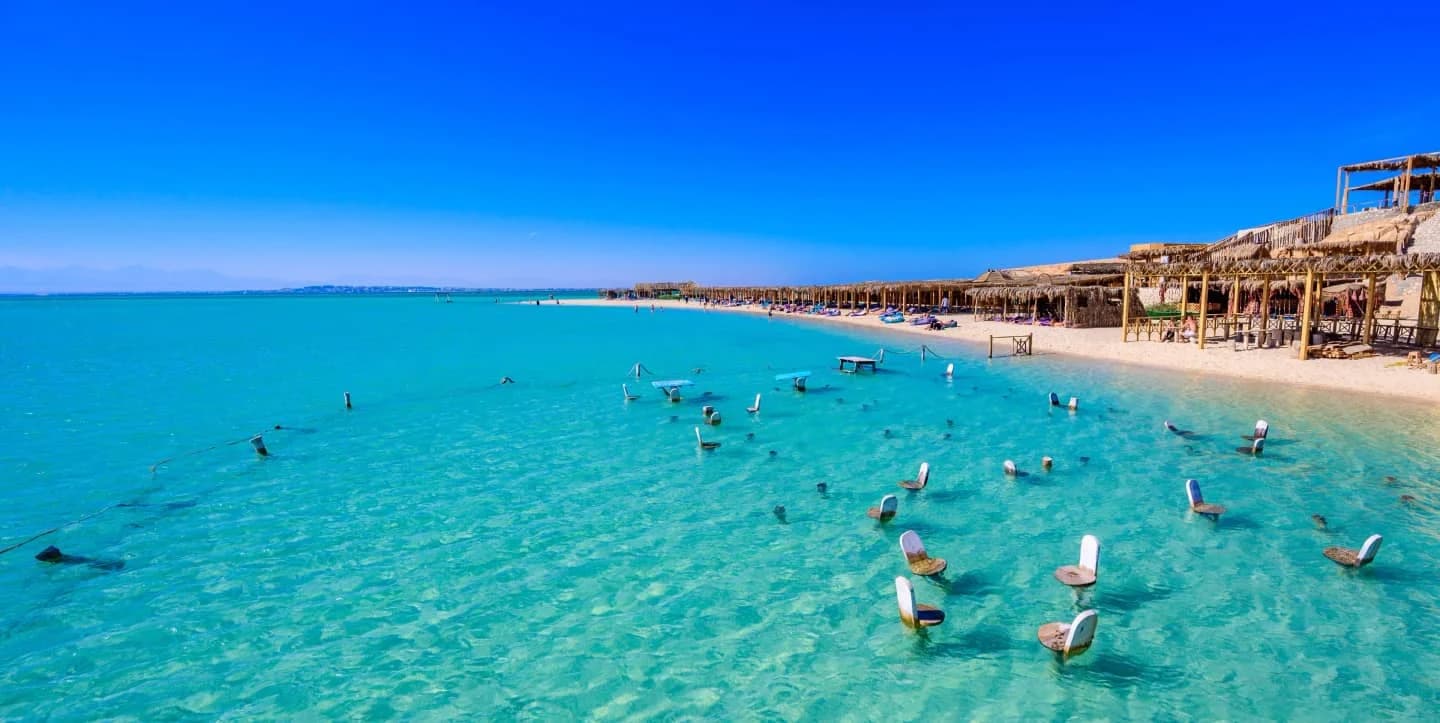
Night in Dahab arrives with a soft hush: waves brushing the fringing reef, wind chimes on a palm-framed terrace, stars over the Sinai peaks. In the morning, solar-warmed showers steam gently, refill stations clink against metal bottles, and breakfast leans local—flatbreads, dates, and herbs—so your Red Sea escape gives back more than it takes. Explore this slow, sea-facing community with our Dahab travel guide.
What Makes This Experience Unique
Unlike big-resort Red Sea hubs, Dahab’s eco-stays are intimate and truly off-engine: solar arrays hum, breezes ventilate, and shade architecture cools. You’ll live a reef-first rhythm—reef-safe bathroom amenities, low-waste breakfasts, and staff who actually dive the sites they protect—so every night slept funds the seascapes you snorkel at sunrise.
Where to Do It
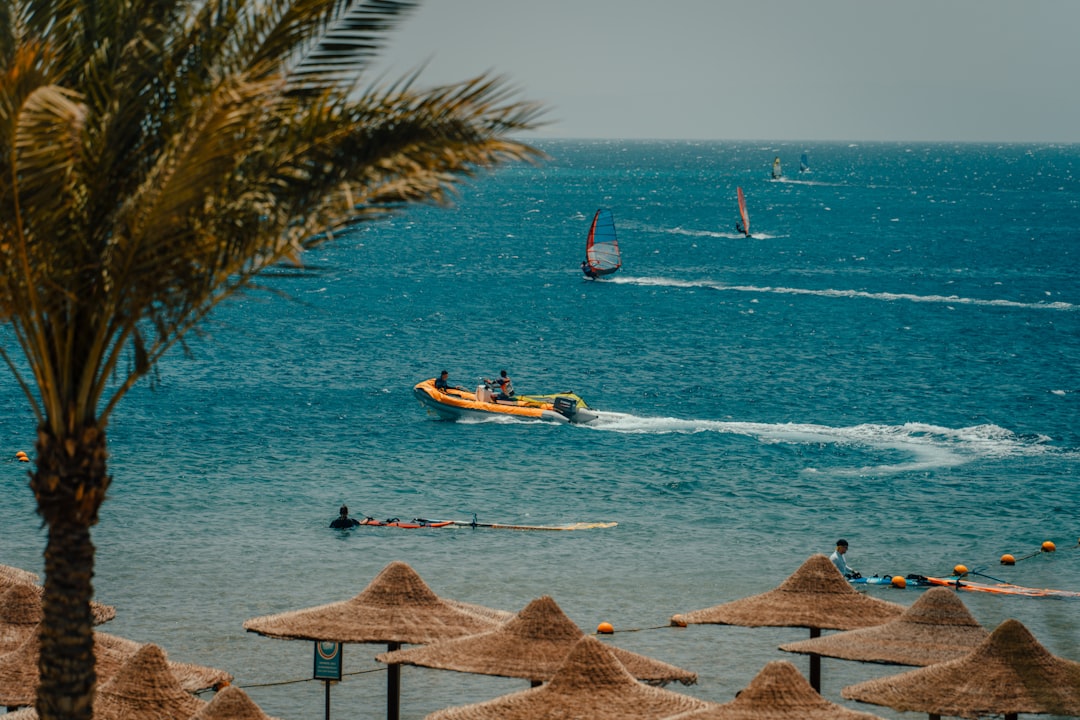
Target the Lighthouse and Mashraba strip for walkable cafés and shore dives, or the wind-polished Lagoon for kites and windsurfing. From rustic beach camps to polished, solar-led boutiques, eco-forward stays cluster near easy snorkel entries. The Blue Hole’s ledge gives way to blue water beyond 100 meters—best admired, not touched.
Best Time / Conditions
For mellow seas and warm days, aim for March–May and September–November. Red Sea water hovers around 22–24°C in winter, climbing to 28–29°C in late summer, with breezier afternoons favoring wind sports. Early mornings bring glassy snorkel conditions; midday heat invites shaded siestas and reef-friendly, long-sleeve rash guards over sunscreen.
What to Expect
Solar-warmed showers; quiet nights under constellations; refill points replacing plastic; fresh, local breakfasts; and staff who’ll recommend mellow entries like Lighthouse Reef. Expect guidance on buoyancy control, fish-feeding bans, and entry/exit etiquette. For a mindful land contrast, pair sea days with the St. Catherine Monastery & Dahab city tour.
Who This Is For
Snorkelers and divers who prefer shore entries over crowded boats; kiters and windsurfers who love the Lagoon’s fetch; slow travelers trading buffets for mezze. Families value calm, shallow reefs and car-free promenades. Freedivers find line-friendly drop-offs and training partners—start with this practical Dahab freediving guide to match goals to sites.
Booking & Logistics
Fly into Sharm El Sheikh, then transfer about 90 km to Dahab in roughly 1.5 hours by private car or shuttle. Plan cash for small cafés and refill your bottle in-town. If pairing bases, our Sharm El Sheikh travel guide helps map reefs and routes. Confirm solar, refill stations, and laundry policies before booking.
Sustainable Practices
Look for solar PV or water heating, greywater irrigation, native planting, shaded courtyards, and refill stations. Reef-safe toiletries, glass or aluminum over single-use plastic, and linen-on-request slash waste and water in arid Sinai. Menu notes on local catch and seasonal produce help—see our Red Sea reef travel 2025 guide for low-impact habits to keep corals thriving.
FAQs
Eco-hotels in Dahab balance comfort with conservation, but they’re not hair-shirt hideaways. Expect reliable hot water, breezy rooms, and Wi‑Fi that’s good enough for remote work in most stays. The trade-off is intentional: fewer energy-hungry frills, more shade, fans, and community-sourced meals that keep your footprint light.
Are eco-hotels reliable for power and connectivity?
Yes—many use solar for hot water and partial electricity, backed by grid power. Wi‑Fi is generally stable for messaging and calls; speeds vary by neighborhood. Choose stays with dedicated routers and backup power for smooth work sessions, and download maps/playlists for windier evenings when connectivity can dip.
How can I verify sustainability claims before I book?
Ask three specifics: onsite solar capacity or solar water heating; refill stations and laundry-on-request; and waste policies (glass return, composting, or partnerships). Bonus signs: native landscaping, greywater for gardens, and reef-friendly toiletries. Verify with recent guest photos and direct questions—genuine eco-stays will happily share details, not slogans.
Can beginners snorkel the reefs without harm?
Absolutely—choose sheltered entries like Lighthouse or Eel Garden on calm mornings. Wear a long-sleeve rash guard, keep fins high and knees straight, and maintain neutral buoyancy. Never touch coral or turtles, avoid fish feeding, and use a surface buoy if you tire. If in doubt, hire a local guide for brief coaching.
In Dahab, the quiet you hear is your impact shrinking: sun-warmed showers, shoes crunching coral-safe footpaths, and reef fish unbothered by your presence. When you crave a different pace, swap fins for dunes on Dahab snorkeling and quad biking—then come back to the hush, with stars above and healthy reefs below.